
Have you ever wondered why your cake turned out dense or your cookies spread too much? The secret often lies in the mixing tools you use during baking.
Choosing the right tools can transform your baking from ordinary to extraordinary. Mixing tools are not just gadgets—they’re your baking allies, helping you achieve the perfect texture and taste. You’ll discover how these tools can elevate your baking game, making your treats the talk of the table.
So, if you’re ready to unlock the secrets of baking success, keep reading to find out how mixing tools can be your best friend in the kitchen.

Credit: www.pinterest.com
Importance Of Mixing In Baking
Mixing is a crucial step in baking. It affects texture and flavor. Proper mixing ensures ingredients combine well. It creates a smooth, consistent batter. This consistency impacts the final product. It determines the lightness and fluffiness of baked goods. Good mixing leads to even cooking. It prevents lumps and ensures a uniform bake.
In baking, each ingredient has a role. Mixing balances these roles. It ensures flour, eggs, and sugar interact correctly. This interaction is vital for taste and structure. Mixing activates gluten in flour. This is important for bread and cake. It provides elasticity and strength. Proper mixing adds air to batters. This air creates volume and lift. It results in a soft, airy texture.
Why Mixing Matters
Mixing affects how ingredients react. It determines the rise of baked goods. Without proper mixing, cakes may be dense. Cookies might spread too much. Proper mixing prevents these issues. It ensures even distribution of leavening agents. This impacts rise and texture. Good mixing can enhance flavors. It allows spices and extracts to blend thoroughly.
Tools That Aid Mixing
Mixing tools play a vital role. They make the process efficient. Hand mixers are versatile. They are great for small batches. Stand mixers offer power and speed. They handle heavy doughs with ease. Mixing bowls are essential. They provide space for ingredients to combine. Spatulas help scrape sides of bowls. They ensure nothing is left unmixed.
Consistency Is Key
Consistency in mixing is crucial. It ensures uniform texture and flavor. Overmixing can lead to tough doughs. Undermixing can cause uneven baking. Achieving the right consistency takes practice. It requires attention to detail. Follow recipes for guidance. They provide mixing times and speeds. This helps achieve the desired result.

Credit: www.scribd.com
Types Of Mixing Tools
Mixing tools in baking include hand mixers, stand mixers, and whiskers. Each tool serves a unique purpose. Hand mixers are portable, stand mixers offer power for heavy doughs, and whisks are perfect for light blending.
Mixing is a fundamental step in baking that can make or break your delicious creations. Whether you’re whipping up a batch of cookies or crafting a delicate cake, the tools you use for mixing play a crucial role. Different types of mixing tools can help you achieve the desired texture and consistency in your baked goods. Let’s dive into the world of mixing tools, exploring hand tools, electric mixers, and stand mixers to find out which one best suits your baking needs.Hand Tools
Hand tools are the simplest and most traditional mixing tools. They include items like whisks, wooden spoons, and spatulas. These tools are perfect for small batches or delicate tasks. Imagine you’re making a light, fluffy batter for pancakes. A whisk can be your best friend, helping you to mix ingredients smoothly without overworking them. Hand tools give you control over the mixing process, allowing you to feel the texture and adjust as needed. They’re easy to clean and store, making them ideal for quick baking sessions. Electric mixers are a step up in the mixing game. They’re perfect for when you need a little more power and speed. With various attachments, electric mixers can tackle different tasks, from beating eggs to mixing dough. Picture yourself preparing a batch of chewy chocolate chip cookies. An electric mixer can save time and effort, ensuring the butter and sugar blend perfectly for a smooth batter. These mixers offer convenience and consistency, especially for medium to large batches. They can be a great asset if you love baking frequently. Stand mixers are the powerhouse of mixing tools. They are designed for serious bakers who often make large batches or complex recipes. Stand mixers come with a variety of attachments, making them incredibly versatile. Think about baking a multi-layered cake with intricate frosting. A stand mixer can handle the heavy lifting, mixing each component to perfection. It frees your hands for other tasks, like preparing the cake pans or cleaning up. Though they require more space and investment, the efficiency and precision they offer can transform your baking experience. What mixing tool do you currently use in your kitchen? Could switching to a different type elevate your baking skills?Hand Tools For Mixing
Baking is an art that requires precision, but it’s also a joyful experience where creativity flourishes. Hand tools for mixing are essential companions in this journey, allowing you to blend ingredients with ease and finesse. These tools can greatly impact the texture and quality of your baked goods. Let’s dive into some of the most popular hand tools that will elevate your baking game.
Whisks
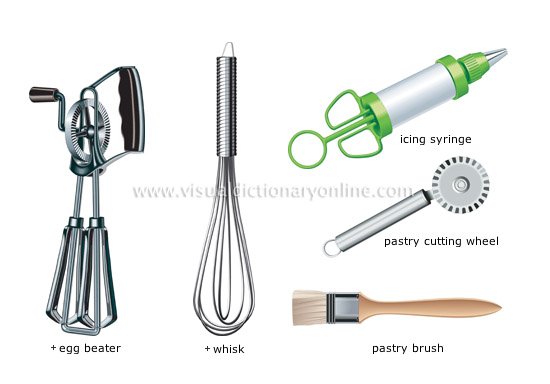
Whisks are the superheroes of the baking world. They help you whip air into your ingredients, creating fluffy mixtures. Whether you’re making meringue or simply beating eggs, a whisk is your go-to tool. Choose a whisk that feels comfortable in your hand and matches the task at hand. A balloon whisk is perfect for light batters, while a flat whisk tackles sauces and gravies effortlessly.
Spatulas
Spatulas are versatile tools that every baker should have. They help you fold ingredients gently, ensuring your batter stays light and airy. Use them to scrape every last bit of dough from the bowl, minimizing waste. Silicone spatulas are heat-resistant and perfect for stirring hot mixtures. Their flexibility allows you to reach every corner of the bowl, making mixing a breeze.
Wooden Spoons
Wooden spoons bring a touch of nostalgia to your kitchen. They’re sturdy and reliable, perfect for mixing heavier batters and doughs. Unlike metal tools, wooden spoons won’t scratch your mixing bowls. You can use them for everything from stirring to creaming butter and sugar. Their natural feel and durability make them a favorite among both amateur and professional bakers.
Have you ever noticed how the right tool can transform your baking experience? Next time you’re in the kitchen, try swapping your usual utensils for these hand tools. You might find that your cakes rise higher, your cookies turn out crispier, and your bread develops a perfect crumb. What tool will you reach for to make your baking moments memorable?
Electric Mixers
Electric mixers are essential tools in baking. They blend ingredients quickly and efficiently. This ensures a smooth and consistent batter or dough, making the baking process easier and more enjoyable.
Electric mixers have changed the way people bake. These appliances save time and effort. They offer consistent results. Many bakers prefer electric mixers for their efficiency. Let’s explore the types of electric mixers.Handheld Mixers
Handheld mixers are compact and portable. They are ideal for small batches. With handheld mixers, you can mix ingredients easily. They come with different speed settings. This allows you to control the mixing process. Handheld mixers are perfect for whipping cream. They also work well for mixing batter. Many models have detachable whisks. This makes cleaning simple. Handheld mixers are a must-have in any kitchen.Immersion Blenders
Immersion blenders are versatile kitchen tools. They blend directly in a pot or bowl. This makes them convenient for soups and sauces. Immersion blenders have powerful motors. They handle both hot and cold mixtures. These blenders are easy to store. Their slim design takes up little space. Some models have attachments. This adds to their functionality. Immersion blenders are great for quick blending tasks. Electric mixers make baking easier. They provide consistent mixing results. Choose the right mixer for your needs.Stand Mixers
Mixing tools in baking, like stand mixers, blend ingredients smoothly and efficiently. These devices save time and ensure even mixing, creating perfect doughs and batters. They’re essential for consistent baking results.
Stand mixers are essential in modern baking. They simplify mixing tasks with power and efficiency. These tools blend ingredients quickly and uniformly. Stand mixers are popular among amateur and professional bakers. They save time and reduce physical effort in the kitchen. Let’s explore their features and benefits.Attachments And Accessories
Stand mixers come with several attachments. Each serves a unique purpose in baking. The paddle attachment is ideal for mixing doughs and batters. The whisk attachment is perfect for whipping cream or egg whites. The dough hook kneads bread dough effortlessly. Many mixers include additional accessories. These can expand functionality, like pasta makers or meat grinders. Accessories increase the versatility of your mixer.Choosing The Right Stand Mixer
Select a stand mixer based on your baking needs. Consider the mixer’s power and capacity. A powerful motor handles tough doughs easily. Larger bowls accommodate bigger batches. Evaluate durability and ease of cleaning. Stainless steel bowls and parts last longer. Look for mixers with speed settings. Variable speeds offer more control over mixing. Consider the size and weight. Ensure it fits your kitchen space comfortably.Mixing Techniques
Mixing techniques in baking affect texture and taste. Different methods bring different results. Each technique suits specific recipes. Understanding these methods enhances your baking skills.
Folding
Folding involves gentle mixing. It keeps air in the batter. This method is ideal for delicate mixtures. Use a spatula to fold. Move it in a figure-eight pattern. This prevents deflating the mixture. Folding is crucial for light cakes and soufflés.
Beating
Beating incorporates air into the mixture. It creates a smooth, fluffy texture. Use a whisk or mixer for this technique. Beat until the mixture becomes pale and thick. This method is common in making meringues and cake batters. Beating ensures a soft, airy result.
Whipping
Whipping increases volume and lightness. This technique is similar to beating but more vigorous. Whipping is used for cream and egg whites. It transforms them into fluffy peaks. Use a whisk or electric mixer. Stop when stiff peaks form. Whipping adds body and texture to your desserts.
Care And Maintenance
Mixing tools in baking are essential for combining ingredients effectively. They include whisks, spatulas, and mixers. Proper care ensures their longevity. Regular cleaning and careful storage prevent damage and maintain performance.
When it comes to baking, mixing tools are your trusty sidekicks, helping you whip up delightful treats with precision. But just like any great sidekick, they need some tender loving care to perform at their best. Proper care and maintenance of your mixing tools can extend their life, ensure hygienic baking, and keep your tools functioning smoothly. Let’s dive into some practical tips that can make your baking journey even more enjoyable.Cleaning Tips
Ensuring your mixing tools are clean is the first step to great baking. Always wash your tools immediately after use to prevent food from hardening and sticking. Warm soapy water works wonders for most tools, especially if you prefer a hands-on approach. For those who love convenience, a dishwasher-safe label is your best friend. However, always check the manufacturer’s instructions, as not all tools are dishwasher friendly. Remember, harsh detergents and high temperatures can damage certain materials. Stubborn stains on tools can be a nuisance. Try using a paste of baking soda and water for gentle scrubbing. It’s a simple, cost-effective solution that can leave your tools sparkling clean.Storage Solutions
How you store your mixing tools can impact their longevity and functionality. A cluttered drawer can lead to scratches and dents. Consider using a drawer organizer or hanging racks to keep everything in place and easy to find. If space is a constraint, think vertical. Wall-mounted racks or pegboards can provide easy access and save precious counter space. Plus, they give your kitchen a professional, organized look. Temperature and humidity can also affect certain materials, like wood. Store wooden tools in a cool, dry place to prevent warping or mold. This simple step can help maintain their quality and appearance. Have you ever experienced the frustration of a missing whisk or misplaced spatula? Keeping your tools organized not only saves time but also enhances your baking experience. What are your favorite storage hacks? By following these practical tips, you ensure your mixing tools are always ready to bring your baking creations to life. Proper care and storage can transform your kitchen into a more efficient and enjoyable space.
Credit: www.facebook.com
Common Mistakes
Mixing tools are essential in baking. They ensure ingredients combine well. But even with the right tools, mistakes can happen. Understanding common mixing errors can save your recipes. Let’s explore these mistakes and how to avoid them.
Overmixing
Overmixing is a common error in baking. It affects the texture of baked goods. Mixing too much can make bread tough. Cakes can become dense instead of fluffy. Overmixing activates the gluten in flour. Gluten is good in bread, not cakes. Use gentle strokes to mix ingredients. Stop when the batter is smooth.
Undermixing
Undermixing is another mistake often made. It leaves ingredients unevenly combined. This can result in lumpy batter. Cakes may have streaks of flour. Bread might not rise well. Proper mixing ensures all ingredients are incorporated. Stir until no dry spots remain. Check the sides and bottom of the bowl.
Tips For Better Mixing
Mixing is a crucial step in baking. It influences the texture and flavor of your creations. Improving your mixing technique can make a big difference. Let’s explore some tips for better mixing in baking.
Temperature Considerations
Temperature affects mixing greatly. Cold ingredients slow down mixing. Warm ingredients blend smoothly. Room temperature is ideal for most. Eggs, butter, and milk should be at room temperature. This ensures even mixing.
Timing And Speed
Mixing time matters. Overmixing can ruin the texture. Under-mixing leaves lumps. Start slow and gradually increase speed. Mixing at moderate speed works best. Watch the consistency closely. Stop once the texture is smooth.
Frequently Asked Questions
What Is A Mixing Tool In Baking?
A mixing tool in baking is used to blend ingredients uniformly. Common tools include whisks, spatulas, and electric mixers. These tools ensure even distribution, essential for baking success. Using the right tool improves texture and consistency. Choose based on recipe requirements for optimal results.
What Is The Meaning Of Mixing Tools?
Mixing tools are devices or software used to blend or combine materials or audio tracks seamlessly. They ensure consistent quality and aid in achieving desired results in various fields like cooking, construction, and music production.
What Is The Meaning Of Mixing In Baking?
Mixing in baking involves combining ingredients to create a uniform dough or batter. It influences texture and flavor. Proper mixing ensures even distribution of components, crucial for successful baking results. Techniques vary, from gentle folding to vigorous beating, each affecting the final product differently.
What Tool Do You Use To Mix Food?
Use a blender or food processor to mix food efficiently. These tools blend ingredients smoothly and quickly. Choose a hand mixer for smaller tasks. Both options are perfect for creating purees, sauces, and smoothies. Ensure the appliance fits your kitchen needs for optimal results.
Conclusion
Choosing the right mixing tools matters in baking. Each tool serves a unique purpose. Whisk adds air to batter, while spatula blends smoothly. Electric mixers save time with speed. Mixing tools affect texture and taste. Better mixing leads to better baking.
Understand tools for perfect results. Try different tools for best outcomes. Baking success starts with the right tool. Enjoy experimenting with mixers and spatulas. Happy baking!

I’m Abby Lu, a passionate home cook who loves simplifying everyday meals. At PlugChef.com, I share product reviews and cooking guides to help you find the best tools for your kitchen.
Related posts:
 What Type of Cooking Utensils are Safe: Expert Picks
 What Innovations Could Blenders Make: Unleashing Future Tech
 Smart Strategies to Organize a Small Kitchen: Maximize Space
 How to Organize a Kitchen Cabinet: Expert Tips & Tricks
 How to Organize Kitchen Drawers: Expert Tips and Tricks
 How to Organize a Corner Kitchen Cupboard: Expert Tips

