

Lemon pesto is a bright, herb-forward twist on classic pesto that lifts simple meals with citrusy zing. It’s versatile, fast to make, and works as a sauce, spread, marinade, or finishing condiment. This guide gives you a reliable lemon pesto recipe, quick ways to use it across weeknight meals and entertaining, safe storage guidance, useful swaps, and troubleshooting tips so every batch turns out vibrant and balanced.
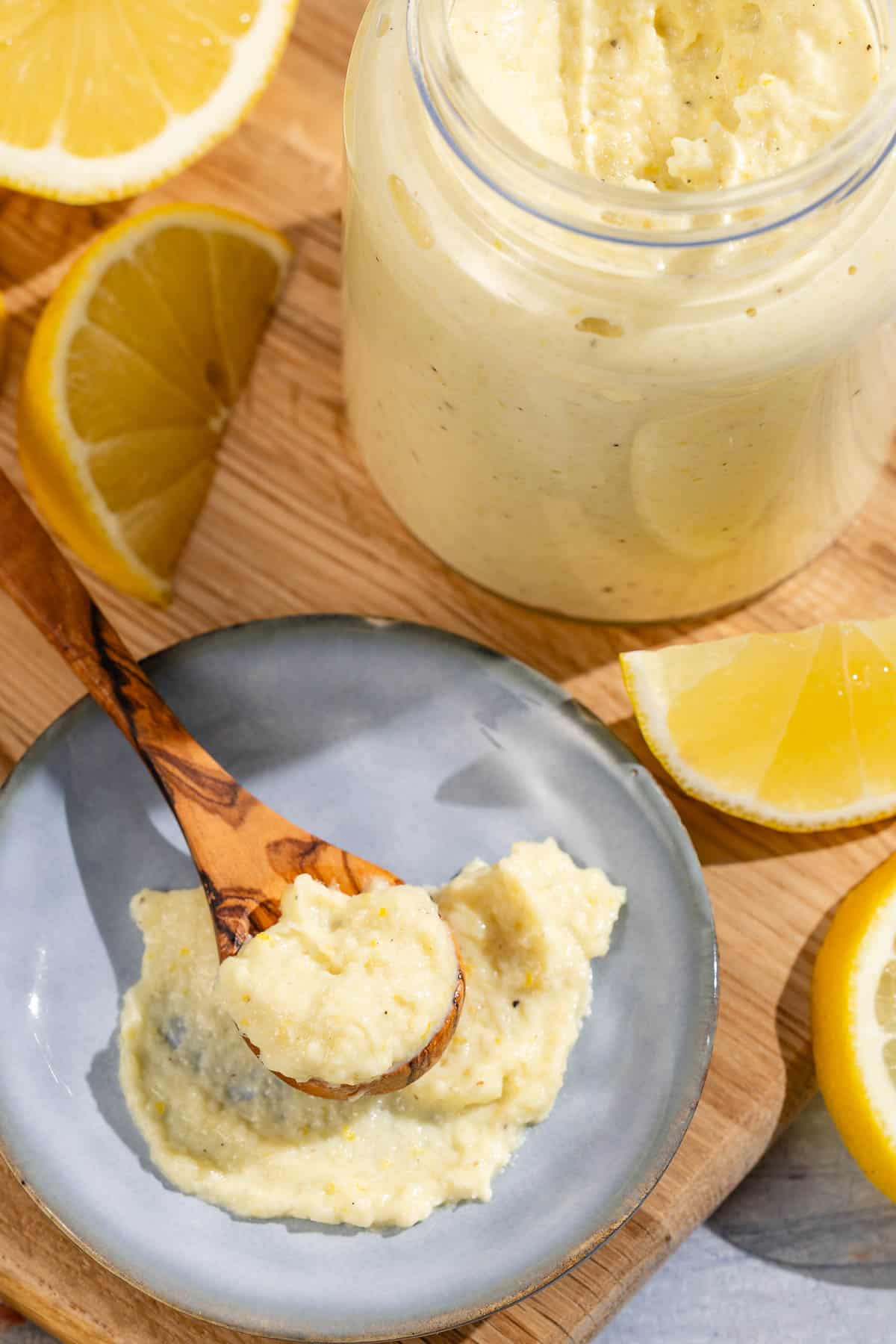
Credit: www.themediterraneandish.com
Bright lemon pesto stored in a small jar, ready to use.
What is lemon pesto and why use it?
Lemon pesto keeps the core elements of traditional pesto—fresh herbs, nuts, hard cheese, garlic, and olive oil—but adds lemon zest and juice to introduce acidity and lift. The citrus:
- Brightens rich foods like pasta and roasted vegetables.
- Balances fatty or smoky flavors (grilled meats, salmon).
- Works as a low-effort way to refresh leftovers and simple grains.
In practice, lemon pesto is forgiving: a little lemon goes a long way, and small adjustments (more nuts for creaminess, more juice for zip) will quickly tailor the sauce to your taste.
Classic Lemon Pesto recipe (simple, reliable)
Yields about 1 cup — enough for 4 servings of pasta or multiple uses.
Ingredients
- 2 cups fresh basil leaves, packed (no stems)
- Zest of 1 medium lemon (about 1 tablespoon)
- 2 tablespoons fresh lemon juice (about half a lemon)
- 1/3 cup pine nuts (or walnuts for a budget-friendly swap)
- 1/2 cup freshly grated Parmesan (or Pecorino Romano)
- 2 small garlic cloves (use 1 if you prefer milder)
- 1/2 cup extra-virgin olive oil, plus more to seal
- Salt and freshly ground black pepper, to taste
Step-by-step
- Toast the nuts briefly in a dry skillet over medium heat until fragrant and lightly browned (1–3 minutes). Cooling the nuts intensifies flavor.
- In a food processor, pulse nuts and garlic until coarsely ground.
- Add basil, lemon zest, and parmesan. Pulse to combine.
- With the processor running, stream in olive oil until emulsified and the texture is your preference (stop and scrape as needed).
- Add lemon juice, season with 1/2 teaspoon salt and pepper, taste and adjust.
- Transfer to a jar, smooth the top, and pour a thin layer of olive oil over the surface to limit oxidation. Refrigerate.
Pro tips
- Add lemon juice at the end to preserve basil’s color and fresh aroma.
- For a smoother finish, increase blending time; for rustic texture, pulse less.
- If you don’t have a food processor, use a blender or finely chop and whisk.
Quick recipes to use lemon pesto
Below are fast, actionable recipes that use lemon pesto to transform everyday meals.
1) Lemon Pesto Pasta — 15 minutes
- Cook 12 oz pasta (spaghetti, linguine, or trofie) in well-salted boiling water until al dente.
- Reserve 1 cup pasta water and drain.
- Toss pasta off the heat with 3/4 cup lemon pesto and 1/4–1/2 cup reserved pasta water until silky.
- Finish with grated Parmesan, lemon zest, and toasted pine nuts.
Why it works: starchy pasta water loosens pesto without diluting flavor; finishing off-heat preserves lemon brightness.

Credit: shaye.substack.com
Basic lemon pesto tossed with pasta, finished with nuts and cheese.
2) Grilled proteins and vegetables
- Use lemon pesto as a marinade: coat chicken breasts or firm fish and let sit 20–30 minutes before grilling.
- Or grill first, then brush lemon pesto on hot food to preserve herb freshness.
- Toss vegetables (asparagus, zucchini, bell peppers) with a few tablespoons of pesto before or after grilling.
In practice: marinating longer than 1 hour with lemon can start to “cook” delicate proteins; for chicken, 30 minutes is enough to impart flavor without changing texture.
3) Snacks, spreads, and dips
- Mix equal parts lemon pesto and cream cheese or Greek yogurt for a creamy dip.
- Spread on toasted baguette slices and top with tomato or mozzarella for quick crostini.
- Stir a spoonful into hummus or ricotta for an instant flavor upgrade.
4) Grain bowls and salads
- Toss 1–2 tablespoons of lemon pesto per cup of cooked quinoa, rice, or farro.
- Use as a dressing—thin with a tablespoon of water or extra oil for a pourable consistency—and drizzle over greens or roasted vegetable salads.

Credit: sundaytable.co
Lemon pesto in a bowl, ready to stir into grains or dress salads.
Pairings and flavor map (what to use where)
| Dish category | How to use it | Why it works |
|---|---|---|
| Pasta | Toss with cooked pasta + pasta water | Acidity brightens starches; oil coats evenly |
| Fish (salmon, cod) | Brush after grilling or broiling | Citrus complements seafood richness |
| Chicken | Marinate briefly or spoon on top | Herbs and lemon counteract heaviness |
| Vegetables | Toss before or after roasting/grilling | Adds freshness and contrast to char |
| Sandwiches | Spread on bread instead of mayo | Replaces fat with aromatic lift |
| Soups | Stir a teaspoon into each bowl | Adds fresh dimension to creamy soups |
Storage, freezing, and food-safety guidance
Short-term refrigeration
- Store in an airtight container in the fridge. Smooth the top and pour a thin layer of olive oil over the surface to reduce browning.
- Use within about 7 days for best quality and freshness.
Freezing
- Spoon pesto into ice cube trays for single-serving portions. Once frozen, transfer cubes to a sealed freezer bag.
- For quality, use frozen pesto within a few months; frozen pesto thaws quickly and is ideal for finishing hot dishes.
Safety notes
- Avoid storing fresh garlic submerged in oil at room temperature because anaerobic conditions can support bacterial growth. Always refrigerate pesto and follow safe food-handling guidance from the USDA for refrigerated condiments and spreads (USDA).
- When reheating frozen pesto with a dish, heat to a safe serving temperature; if the pesto itself smells off or shows discoloration, discard.
For more general herb preservation and freezing tips, university extension pages provide practical guidance that home cooks use frequently (Extension resources).
Variations and dietary swaps
- Nut-free: replace nuts with 1/2 avocado (use immediately) or 2–3 tablespoons of toasted seeds (pumpkin or sunflower) for creaminess.
- Vegan: swap Parmesan for 2–3 tablespoons of nutritional yeast and ensure your oil and other ingredients are vegan-friendly.
- Herb swaps: basil is classic, but try parsley‑lemon pesto (more bright and citrusy) or arugula‑lemon pesto (spicier).
- Spicier: add 1/4–1/2 teaspoon red pepper flakes or a small piece of fresh chili when processing.
- Creamier: increase nuts or add a tablespoon of ricotta or mascarpone when tossing with pasta.
Trade-offs: using avocado makes pesto perishable and best used immediately; nutritional yeast mimics umami but won’t fully replicate Parmesan’s melt and mouthfeel.
Troubleshooting common issues
- Pesto tastes bitter: check lemon zest—avoid white pith; reduce zest or add a pinch of sugar or extra oil to balance. Over-blended basil can also become bitter.
- Too thin: add more nuts or cheese and pulse to thicken. Chill briefly to firm up.
- Too thick: add olive oil or reserved pasta water by the tablespoon.
- Pesto turned brown: oxidation is natural; a quick stir and fresh lemon juice can revive flavor. For future batches, pour a thin oil layer on top and refrigerate.
- Garlic overpowering: process garlic with the nuts first or use less; roasting garlic softens its sharpness.
A common mistake is adding all acid early in the process—add most lemon juice at the end to preserve herb color and aroma.
Frequently asked questions
Q: Can lemon pesto be canned or shelf-stored? A: No—do not attempt to can fresh pesto in oil for shelf storage at home. Acid and oil create unsafe low-oxygen conditions. Always refrigerate and follow USDA safety guidance for homemade condiments.
Q: How long will homemade lemon pesto last in the fridge? A: For best quality, use within about a week. If you need longer storage, freeze portions.
Q: Can I use bottled lemon juice instead of fresh? A: Fresh lemon juice has brighter flavor and better aroma. Bottled juice works in a pinch, but start with less and taste—fresh juice is preferable for best results.
Q: Is lemon pesto suitable for people with nut allergies? A: Use seed-based alternatives or increase the cheese (or cheese substitute) for creaminess. Always clearly label if serving guests.
Conclusion
Lemon pesto is a small pantry investment that pays off in month-after-month improvements to everyday meals—pasta, grilled proteins, salads, and snacks all benefit from its bright acidity and herbaceous depth. Make a batch tonight using the recipe above, freeze a few portions for quick meals later, and try one new application (like stirring into grain bowls) this week to notice how much flavor one simple sauce can add.
Try this: make the classic lemon pesto, toss it with pasta for dinner, and freeze a few cubes for quick weeknight use — your future self will thank you.

Hi, I’m Daniel Brooks—a food lover and kitchen gear enthusiast. I enjoy testing cookware, utensils, and gadgets to see what really works in everyday cooking. At PlugChef.com, I share honest reviews, comparisons, and simple guides to help you choose the best tools for a safer, smarter, and more enjoyable kitchen.
Related posts:
 How to Make a Fruit Basket for a Gift: Easy DIY Guide
 Do You Need a Basket? Essential Guide for Air Fryers
 What Blenders Do Tropical Smoothie Use: Expert Insights
Stainless Steel Vs White Kitchen Appliances: Ultimate Showdown
What Blenders Do Tropical Smoothie Use: Expert Insights
Stainless Steel Vs White Kitchen Appliances: Ultimate Showdown
 Kitchen Appliances for Wedding Registry: Must-Have Essentials
 Top 10 Best Non-Toxic Cooking Utensils – Safe & Durable Choices for Healthy Homes

