
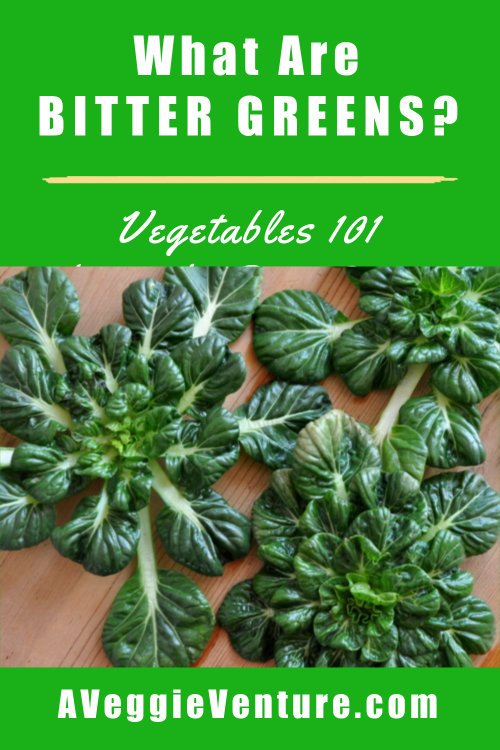
Do you love greens but struggle with their bitter taste? Bitter greens can be tricky to enjoy, even if you know they’re good for you.
The good news is, you don’t have to give them up. You can easily fix that bitterness and make your salads, sautés, and smoothies taste delicious. You’ll discover simple and effective ways to reduce bitterness and bring out the best flavors in your greens.
Keep reading, and you’ll never shy away from those healthy greens again!
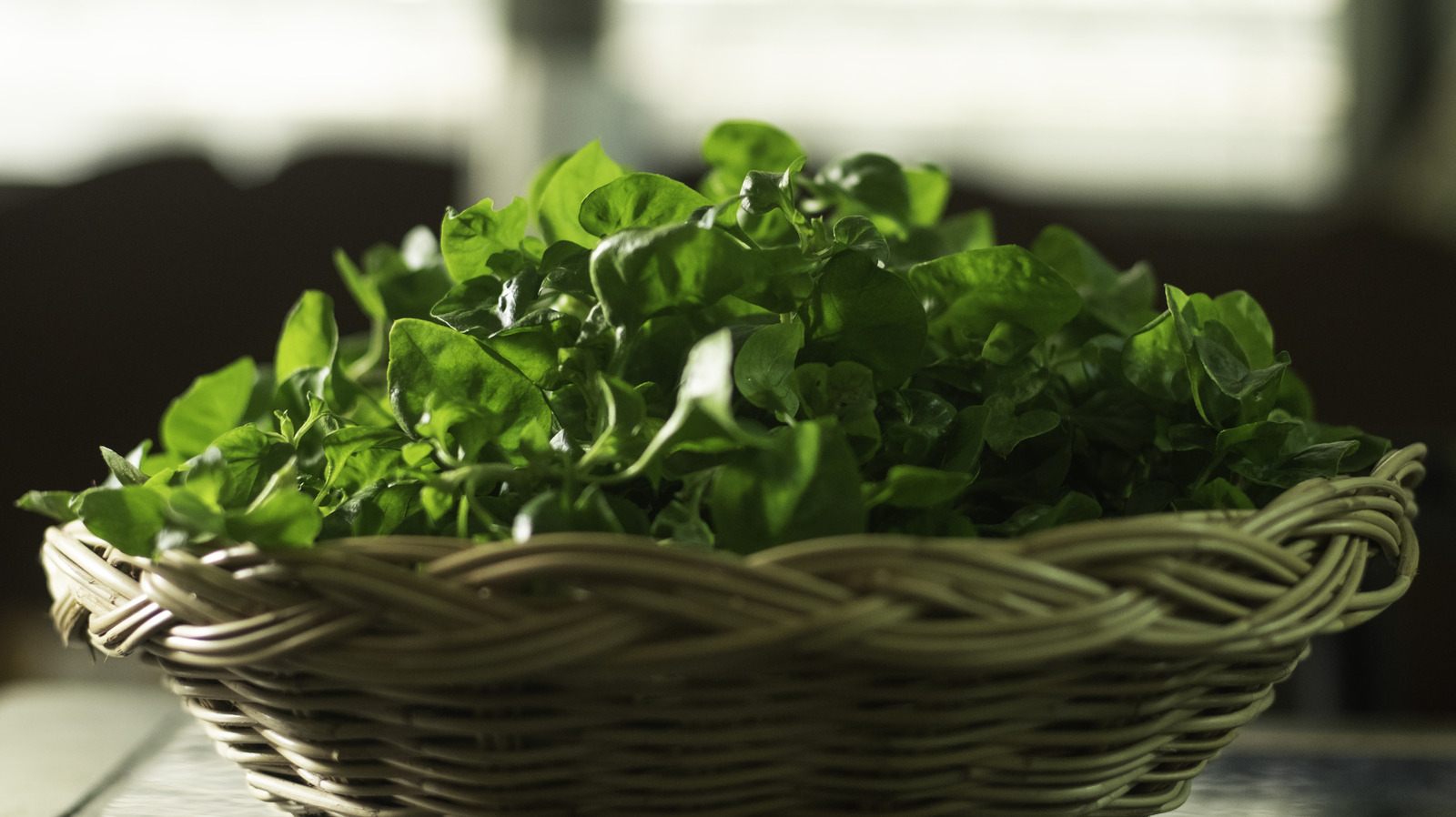
Credit: www.chowhound.com
Why Greens Taste Bitter
Bitter greens can be a challenge for many home cooks. You might love the health benefits, but the sharp, sometimes harsh taste can put you off. Understanding why greens taste bitter helps you control that flavor and enjoy them more often.
Common Bitter Greens
Some greens naturally have a stronger bitter taste. These include:
- Arugula:Peppery with a strong bite.
- Kale:Especially the curly varieties.
- Radicchio:Known for its deep bitterness.
- Endive:Crisp but quite bitter.
- Mustard Greens:Sharp and pungent.
If you’ve tried these and found them too bitter, you’re not alone. Many people struggle with these greens at first.
Causes Of Bitterness
Bitterness in greens is caused by natural compounds called glucosinolates and phenolic compounds. These serve as the plant’s defense against pests. While useful for the plant, these chemicals create that bitter taste you notice.
Growing conditions also matter. Greens grown in cooler weather or harvested late tend to be more bitter. Have you ever tasted kale after a frost? It can actually be sweeter because the plant breaks down some of those bitter compounds.
How you prepare greens also impacts bitterness. Overcooking can release more bitter compounds. On the other hand, quick cooking or using acid (like lemon juice or vinegar) can balance the flavor.
Selecting The Right Greens
Selecting the right greens is the first step to reduce bitterness. The type and quality of the greens affect the taste and texture. Choosing fresh and young leaves can make a big difference in flavor. Understanding what to look for helps pick greens that taste better and are easier to cook.
Freshness Matters
Fresh greens have a milder and sweeter taste. They look vibrant with firm leaves and bright color. Avoid greens that are wilted, yellow, or slimy. These signs show the greens are old and bitter. Fresh greens also have a crisp texture that makes salads and dishes more enjoyable.
Choosing Younger Leaves
Younger leaves taste less bitter than mature ones. They are softer and have a lighter green color. Baby greens or spring mix often include younger leaves. These are perfect for salads and quick cooking. Picking smaller leaves reduces bitterness and improves the eating experience.
Prepping Greens To Reduce Bitterness
Bitter greens can be a culinary challenge. Many home cooks avoid them due to their strong taste. But with the right techniques, you can tame their bitterness. Prepping greens is the key to reducing their sharp edge. Here are some effective methods to prepare your greens.
Soaking In Salt Water
Salt water can mellow out bitter flavors. Fill a large bowl with water and add a tablespoon of salt. Submerge the greens completely and let them soak for about 30 minutes. Rinse thoroughly under cold water. This simple step helps in softening their bitter taste.
Blanching Techniques
Blanching is a quick cooking technique. Bring a pot of water to a boil. Add a pinch of salt to enhance flavor. Drop your greens into the boiling water for 2-3 minutes. Quickly transfer them to ice water to stop cooking. This method reduces bitterness while keeping nutrients intact.
Using Baking Soda
Baking soda neutralizes bitterness effectively. Add a pinch to the water when boiling greens. It helps break down bitter compounds. Be cautious, as too much can alter the taste drastically. Use just enough to balance the flavors.
Cooking Methods To Balance Flavor
Bitter greens can be a challenge to enjoy, but the right cooking methods can transform them into a delicious part of your meal. Balancing their sharpness with complementary flavors helps make these greens more approachable and tasty. Let’s look at some simple techniques that bring out the best in your bitter greens without masking their natural character.
Sautéing With Garlic And Oil
Sautéing bitter greens with garlic and oil adds a rich, aromatic base that softens their intensity. The heat mellows the bitterness while the garlic infuses a savory depth you don’t want to miss.
Try using olive oil or butter for extra flavor. Cook the garlic just until fragrant before adding the greens. This method keeps the texture tender but not mushy, making the greens more enjoyable.
Adding Sweeteners
Sweetness is a powerful tool to balance bitterness. A small pinch of sugar, honey, or maple syrup can make a noticeable difference in taste.
Be careful not to overdo it—just a little sweetener lifts the flavor without making the dish sugary. Have you ever noticed how a drizzle of honey turns kale from harsh to harmonious?
Incorporating Acidic Ingredients
Acid cuts through bitterness and brightens the overall flavor. Adding a splash of lemon juice, vinegar, or a bit of tamarind can create a lively contrast.
This acidity awakens your palate and complements the greens’ natural earthiness. Next time you cook bitter greens, ask yourself if a squeeze of lemon or a dash of vinegar could make your dish pop.
Flavor Pairings For Bitter Greens
Bitter greens can be challenging to enjoy, but the right flavor pairings can change everything. Pairing these greens thoughtfully balances their natural bitterness and brings out their best qualities. Knowing which ingredients to combine with your greens can make your meals more exciting and flavorful.
Combining With Nuts And Cheese
Nuts add a crunchy texture and a touch of sweetness that helps soften bitterness. Toasted almonds, walnuts, or pecans work especially well. They also bring a satisfying richness that complements bitter greens.
Cheese offers creamy, salty, and tangy notes that cut through bitterness. Feta, goat cheese, or Parmesan add depth and make your greens taste more complex. I once tossed kale with crumbled goat cheese and toasted walnuts—it turned a harsh salad into a smooth, delicious dish.
Using Fruits And Vinegars
Fruits bring natural sweetness and juicy freshness, which brighten bitter greens. Try slices of apple, pear, or segments of orange. The sweetness balances the bite, making each forkful more enjoyable.
Vinegars add acidity that sharpens flavor and reduces bitterness. Balsamic, apple cider, or red wine vinegar are great options. A splash of vinegar can transform your greens, giving them a lively, tangy kick that invites you to eat more.

Credit: www.yahoo.com
Creative Recipes With Bitter Greens
Bitter greens can surprise your taste buds with their unique flavors. Creative recipes soften bitterness and bring out natural sweetness. These dishes turn bitter greens into delicious meals everyone enjoys.
Salads With Sweet Dressings
Salads brighten bitter greens with sweet dressings. Honey, maple syrup, or fruit juices add gentle sweetness. Citrus fruits like orange or lemon juice balance sharp flavors. Nuts and seeds add crunch and richness. Fresh fruits such as apples, pears, or berries add natural sugars and texture.
- Use a dressing made from olive oil, honey, and lemon juice.
- Add sliced apples and toasted walnuts to your greens.
- Mix berries with spinach and drizzle balsamic glaze.
Stir-fries And Soups
Heat softens bitterness in stir-fries and soups. Cooking greens with garlic, onions, or ginger enhances flavor. Combine bitter greens with sweet vegetables like carrots or sweet peppers. Use broth or coconut milk to add richness and mellow taste. Stir-fries keep greens crisp, while soups create smooth, comforting meals.
- Stir-fry kale with garlic, carrots, and a splash of soy sauce.
- Add mustard greens to vegetable soup with coconut milk.
- Cook bitter greens with ginger and sweet bell peppers in a hot pan.
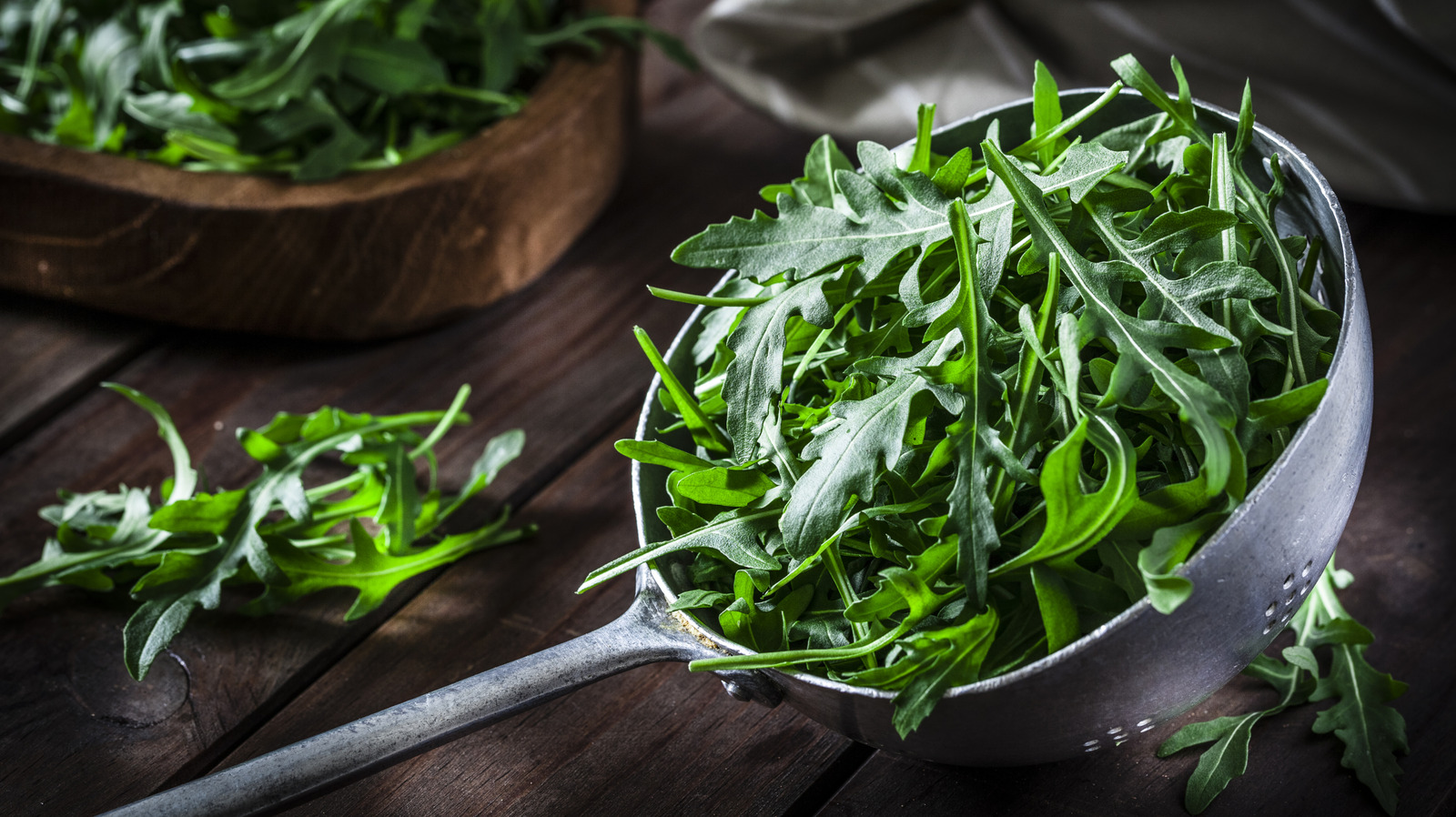
Credit: www.chowhound.com
Frequently Asked Questions
How Can I Reduce Bitterness In Greens Naturally?
Soaking bitter greens in cold salted water for 10-15 minutes helps reduce bitterness. Rinse them well afterward. Cooking greens with acidic ingredients like lemon juice or vinegar also balances flavors and lessens bitterness effectively.
What Cooking Methods Soften Bitter Greens Best?
Sautéing, blanching, or steaming bitter greens softens their texture and reduces bitterness. Use olive oil and garlic for added flavor. Cooking greens gently preserves nutrients and creates a milder, more enjoyable taste.
Which Ingredients Mask Bitterness In Greens?
Adding sweet or creamy ingredients like honey, sugar, or cream balances bitterness in greens. Nuts, cheese, and garlic also complement and mask harsh flavors. Combining these enhances overall taste and makes greens more palatable.
Why Do Some Greens Taste Bitter Naturally?
Bitter compounds in greens act as natural pest deterrents and protect plants. These compounds can vary by variety, maturity, and growing conditions. Understanding this helps in selecting and preparing greens to suit your taste preferences.
Conclusion
Bitter greens don’t have to taste bitter. Simple steps can soften their flavor. Soaking, cooking, or adding sweet ingredients helps a lot. Try different methods to find what works best. Enjoy healthy, tasty greens every time you cook. Eating greens can be easy and pleasant.
Give these tips a try and see the difference. Your meals will become more balanced and tasty. Don’t let bitterness stop you from enjoying greens. Cooking is about experimenting and having fun.

Hi, I’m Daniel Brooks—a food lover and kitchen gear enthusiast. I enjoy testing cookware, utensils, and gadgets to see what really works in everyday cooking. At PlugChef.com, I share honest reviews, comparisons, and simple guides to help you choose the best tools for a safer, smarter, and more enjoyable kitchen.
Related posts:
 What Type of Cooking Utensils are Safe: Expert Picks
 What Innovations Could Blenders Make: Unleashing Future Tech
 Smart Strategies to Organize a Small Kitchen: Maximize Space
 How to Organize a Kitchen Cabinet: Expert Tips & Tricks
 How to Organize Kitchen Drawers: Expert Tips and Tricks
 How to Organize a Corner Kitchen Cupboard: Expert Tips

