
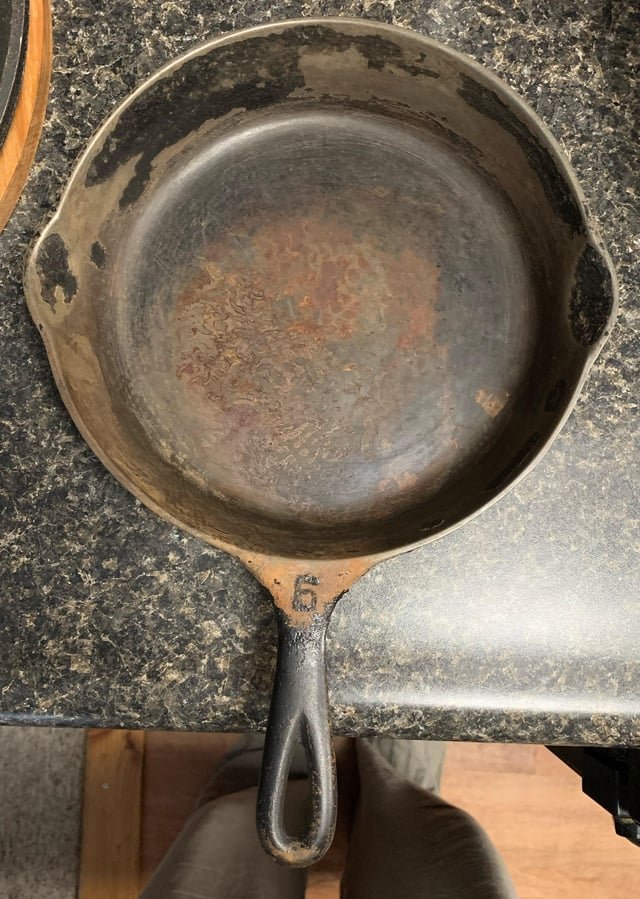
Are you tired of seeing rust ruin your favorite kitchen tools or appliances? You might wonder if the oven cleaner sitting under your sink could be the quick fix you need.
Rust can be stubborn and frustrating, but what if a common household product could make it disappear? You’ll discover whether oven cleaner really works to remove rust and how you can use it safely and effectively. Keep reading to save your items and bring back their shine without wasting time or money on the wrong solution.

Credit: www.youtube.com
How Oven Cleaner Works
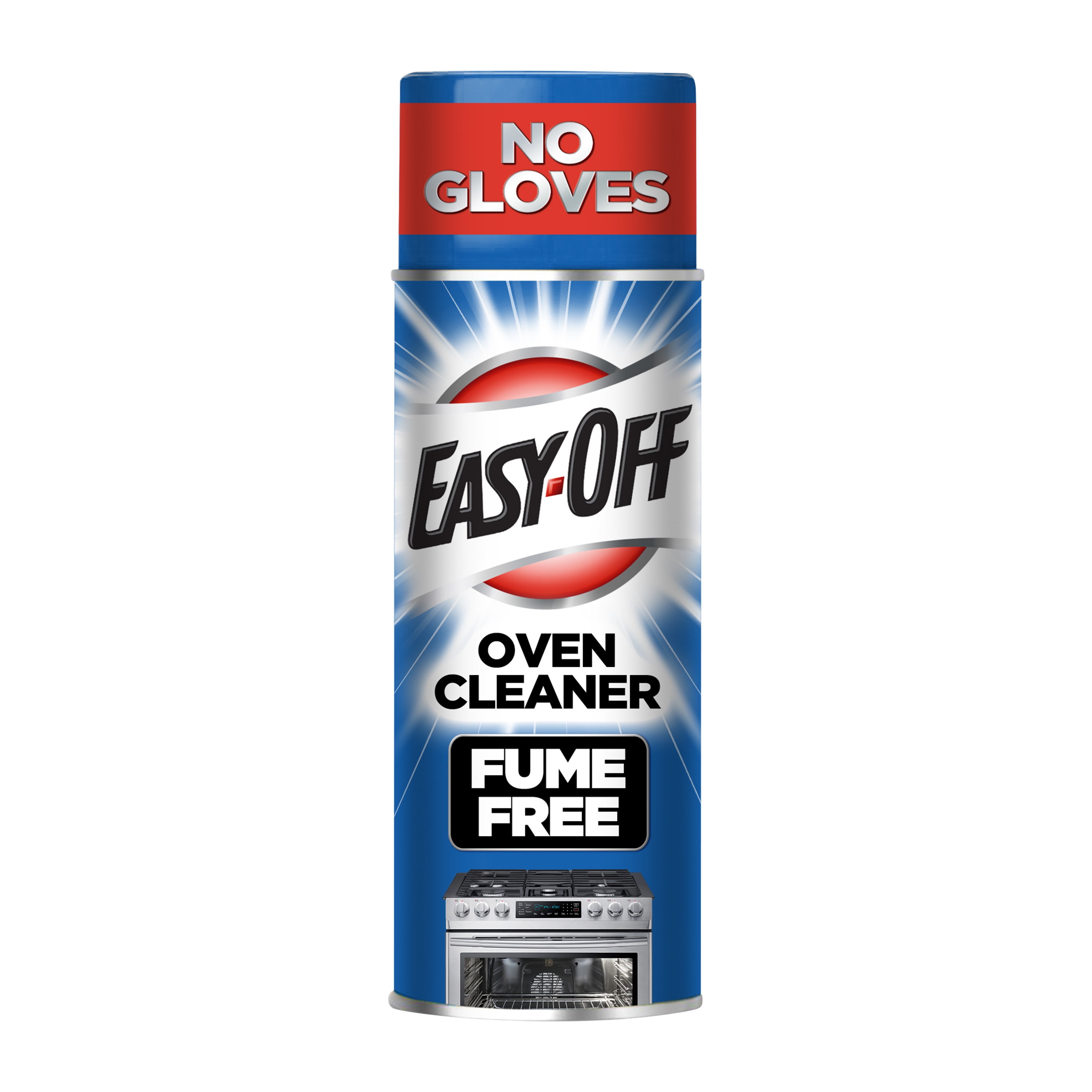
Oven cleaners are designed to break down tough grease and baked-on food. Their powerful formula targets stubborn stains and grime. Understanding how oven cleaner works helps explain its effect on rust. The process involves chemical ingredients reacting with the rust layer.
Key Ingredients In Oven Cleaners
- Alkaline substances:Such as sodium hydroxide, which dissolve grease and grime.
- Surfactants:These help break down and lift dirt from surfaces.
- Solvents:Liquids that assist in dissolving oily residues.
- Corrosive agents:Strong chemicals that attack tough deposits.
These ingredients work together to loosen and remove baked-on messes. The alkaline nature of oven cleaners helps break down organic materials quickly.
Chemical Reaction With Rust
Rust is iron oxide, formed by iron reacting with oxygen and moisture. Oven cleaners contain strong alkaline chemicals. These can react with rust but do not dissolve it completely.
The cleaner may soften rust layers or cause some breakdown. It can remove light surface rust in some cases. Deeper or thick rust requires stronger rust removers or mechanical methods.
Oven cleaner’s main purpose is grease removal, not rust elimination. Using it on rust may damage metal surfaces or cause discoloration. Care is needed when applying oven cleaner to rusty areas.
Credit: www.walmart.com
Effectiveness Against Rust
Oven cleaner is a strong product made to remove grease and burnt food. Its ability to fight rust varies. Rust forms when metal meets water and oxygen. Some oven cleaners may help break down light rust stains. But they are not made specifically for rust removal.
Understanding how oven cleaner works against rust helps set the right expectations. It can sometimes clean small, thin rust spots. Deep or thick rust layers need other solutions. Using oven cleaner incorrectly can also damage surfaces.
Types Of Rust Oven Cleaner Can Remove
Oven cleaner works best on surface rust. This kind of rust is thin and powdery. It has not deeply eaten into the metal. Oven cleaner’s chemicals break down this light rust.
- Light rust on oven racks or trays
- Rust stains on metal surfaces inside the oven
- Thin rust spots on stainless steel parts
These cases often respond well to oven cleaner. The cleaner loosens rust particles, making them easier to wipe away. It is less effective on rust that has caused metal to pit or flake.
Limitations And Risks
Oven cleaner is harsh and can cause damage. It contains strong alkalis that may harm some metals. Using it on delicate or painted surfaces can cause discoloration or corrosion.
- Not suitable for heavy or deep rust
- Can damage aluminum and some stainless steel
- May irritate skin and eyes if not handled carefully
- Requires good ventilation during use
Oven cleaner is not a rust remover substitute. For thick rust, use dedicated rust removal products or mechanical methods. Always test oven cleaner on a small hidden area first. Follow safety instructions to avoid harm.
Safety Precautions
Handling oven cleaner to remove rust requires careful attention to safety. These products contain strong chemicals that can irritate your skin, eyes, and lungs if you’re not cautious. Taking the right precautions ensures you protect yourself while effectively tackling rust.
Protective Gear To Use
Always wear gloves made of rubber or nitrile to keep your hands safe from harsh chemicals. Eye protection, like safety goggles, is crucial to prevent splashes from causing damage. Consider using a mask to avoid inhaling fumes, especially if you have sensitive lungs.
Wearing old clothes or an apron can prevent damage to your favorite outfit. If you have long hair, tie it back to keep it away from the cleaner. These simple steps can save you from painful accidents and messes.
Ventilation And Handling Tips
Open windows and doors to create a flow of fresh air while using oven cleaner. A fan can help push fumes outside and reduce inhalation risks. Avoid using oven cleaner in small, enclosed spaces where fumes can build up quickly.
Never mix oven cleaner with other household chemicals like bleach or ammonia, as this can create dangerous gases. Apply the cleaner carefully, using a sponge or cloth to avoid splashing. After use, wash your hands thoroughly even if you wore gloves.
Have you checked your ventilation before starting? It’s a simple step that can make a big difference in your safety and comfort during rust removal.
Step-by-step Rust Removal
Oven cleaner can help remove rust by breaking down the rust particles on metal surfaces. Apply it carefully, let it sit for a few minutes, then scrub the rust away with a brush or cloth. Rinse thoroughly to avoid damage.
Removing rust can seem like a daunting task. Yet, with the right tools and a little patience, it becomes surprisingly manageable. Oven cleaner, often overlooked, can be an unexpected ally in your rust removal journey. Here’s how you can effectively use it to restore your metal items to their former glory.Preparing The Surface
Before diving in, it’s crucial to prepare the surface properly. Start by wiping the rusted area with a damp cloth to remove any loose particles or dust. This ensures the oven cleaner adheres better and works more effectively. If the rust is particularly thick, you might want to gently sand it down. Use fine-grit sandpaper and lightly rub the surface. This step helps the cleaner penetrate deeper, tackling the rust at its core.Applying Oven Cleaner
Once the surface is prepped, it’s time to apply the oven cleaner. Shake the can well before spraying a generous amount over the rusty area. Ensure every inch of rust is covered to let the cleaner work its magic. Allow the cleaner to sit for about 20-30 minutes. This waiting period is crucial as it lets the cleaner break down the rust. Use this time to prepare your scrubbing tools for the next step.Scrubbing And Rinsing
After letting the cleaner sit, it’s time to scrub. Use a brush with stiff bristles to scrub the rusted area thoroughly. You’ll notice the rust starting to dissolve and lift away. Once you’re satisfied with the scrubbing, rinse the area with clean water. Ensure all cleaner residues are washed away to prevent any damage to the metal. Have you ever tried this method before? If not, why not give it a shot and see the transformation yourself?Alternative Rust Removal Methods
Rust can be stubborn, and while oven cleaner might seem like a quick fix, there are other ways to tackle it that might work better for your situation. Some alternatives are gentle on your items, while others are powerful and fast. Understanding these options helps you pick the right approach without risking damage.
Natural Remedies
Natural remedies use common household items to fight rust without harsh chemicals. Lemon juice combined with salt creates a mild acid that breaks down rust gently. You can apply this paste, let it sit for a few hours, and then scrub off the rust with a brush.
White vinegar is another excellent option. Soaking small rusty objects in vinegar for a few hours often loosens rust enough to wipe it away easily. These methods save money and reduce exposure to toxic substances, but they might require patience.
Commercial Rust Removers
Commercial rust removers are designed specifically to dissolve rust quickly and effectively. Products like WD-40 Specialist Rust Remover Soak or Evapo-Rust work well on various metal surfaces. They often contain chemicals that react with rust, turning it into a removable substance.
Be sure to read the instructions carefully and use gloves for protection. These products can be lifesavers when natural remedies fall short, especially for heavy rust buildup.
Mechanical Techniques
Mechanical techniques rely on physical force to remove rust. You can use steel wool, wire brushes, or sandpaper to scrub off rust manually. Power tools like a drill with a wire brush attachment speed up the process for larger areas.
While effective, these methods require effort and care not to damage the underlying metal. They are great if you enjoy hands-on work and want immediate results.
Maintaining Rust-free Surfaces
Maintaining rust-free surfaces is key to keeping metal items in good shape. Rust can damage and weaken metal, making it less useful and less attractive. Protecting these surfaces helps extend their life and keeps them looking clean. Simple habits and care can prevent rust from forming and spreading.
Keeping rust away requires attention to moisture and dirt. Rust forms when metal meets water and air. Stopping this contact slows down rust growth. Regular checks and quick action make a big difference. Clean and dry surfaces stay rust-free longer.
Preventive Measures
- Keep metal surfaces dry after use or cleaning.
- Apply a thin layer of oil or rust-resistant spray.
- Store metal items in a cool, dry place.
- Avoid leaving metal in direct contact with water.
- Use protective coatings like paint or sealants.
- Check for scratches or dents that expose bare metal.
- Fix damaged coatings to stop rust from starting.
Regular Cleaning Tips
- Wipe metal surfaces with a soft cloth regularly.
- Remove dirt and grime to prevent moisture buildup.
- Use mild soap and water for cleaning, then dry well.
- Avoid harsh chemicals that can damage metal or coatings.
- Inspect surfaces often for early rust signs.
- Clean any rust spots quickly with gentle scrubbing.
- Repeat protective treatments after cleaning for added defense.

Credit: www.reddit.com
Frequently Asked Questions
Does Oven Cleaner Effectively Remove Rust?
Oven cleaner can remove light rust by breaking down oxidized metal. However, it is not designed specifically for rust removal. For heavy rust, dedicated rust removers work better and are safer for metal surfaces.
Is Oven Cleaner Safe For Rusty Metal Surfaces?
Oven cleaner contains harsh chemicals that may damage some metals. Use it cautiously on rusty metal and always test a small area first. Avoid prolonged contact to prevent corrosion or surface damage.
How To Use Oven Cleaner To Treat Rust?
Spray oven cleaner on the rusty area, let it sit for 10-15 minutes, then scrub with a brush. Rinse thoroughly and dry the surface to prevent further rusting. Repeat if necessary for stubborn rust spots.
Can Oven Cleaner Replace Traditional Rust Removers?
Oven cleaner can help with minor rust but is not a full substitute. Traditional rust removers contain specialized agents that dissolve rust more effectively and protect metal afterward.
Conclusion
Oven cleaner can help remove light rust from metal surfaces. It works best on small, thin rust spots. Always test on a small area first to avoid damage. Use gloves and work in a ventilated space for safety. For heavy rust, consider other products made for rust removal.
Regular cleaning can prevent rust from forming again. Try simple methods before using strong chemicals. Keep your tools and surfaces dry to stop rust. Rust removal takes time and care. Stay patient and follow safety tips.

Hi, I’m Daniel Brooks—a food lover and kitchen gear enthusiast. I enjoy testing cookware, utensils, and gadgets to see what really works in everyday cooking. At PlugChef.com, I share honest reviews, comparisons, and simple guides to help you choose the best tools for a safer, smarter, and more enjoyable kitchen.
Related posts:
 What Type of Cooking Utensils are Safe: Expert Picks
 What Innovations Could Blenders Make: Unleashing Future Tech
 Smart Strategies to Organize a Small Kitchen: Maximize Space
 How to Organize a Kitchen Cabinet: Expert Tips & Tricks
 How to Organize Kitchen Drawers: Expert Tips and Tricks
 How to Organize a Corner Kitchen Cupboard: Expert Tips

