
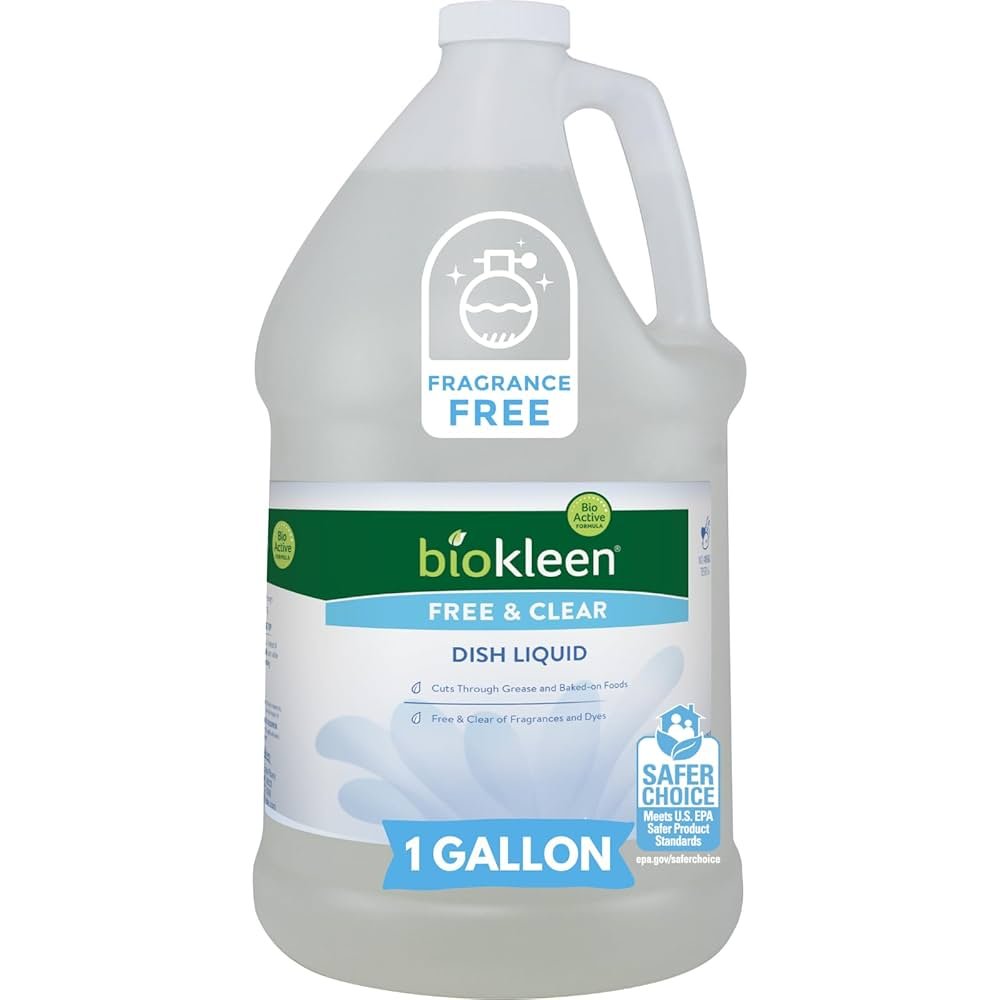
Are you tired of harsh chemicals lurking in your kitchen cleaning products? Your choice of dish soap matters more than you might think.
Non toxic liquid dish soap not only keeps your dishes sparkling clean but also protects your health and the environment. Imagine washing your dishes without worrying about skin irritation or harmful residues. You’ll discover why switching to a safer, gentler option is easier than ever—and how it can make a real difference for you and your family.
Keep reading to find out how to make the best choice for your home.

Credit: www.canadiantire.ca
Why Choose Non Toxic Dish Soap
Choosing non toxic liquid dish soap is more than just a trend—it’s a conscious decision that impacts your health, the environment, and the safety of your home. Many conventional dish soaps contain harsh chemicals that can irritate your skin and harm the planet. Switching to a non toxic alternative offers benefits that go beyond just cleaning your dishes effectively.
Health Benefits
Non toxic dish soaps are gentle on your skin and reduce the risk of allergic reactions. If you’ve ever noticed dryness or redness after washing dishes, it might be the chemicals in your soap. These safer formulas use natural ingredients that clean without stripping your skin’s natural oils.
Think about how often you handle dish soap every day. Choosing a product without harsh toxins means fewer health concerns for you and your family. It’s a small change that protects your well-being in the long run.
Environmental Impact
Many dish soaps contain ingredients that pollute water systems and harm aquatic life. When you rinse your dishes, the soap enters drains and eventually reaches rivers and oceans. Non toxic options break down naturally, reducing pollution and preserving ecosystems.
Do you want to contribute to cleaner water and a healthier planet? Using biodegradable and phosphate-free dish soap can make a significant difference. It’s an easy way to reduce your environmental footprint during everyday chores.
Avoiding Harmful Chemicals
Conventional dish soaps often include synthetic fragrances, dyes, and preservatives that may contain harmful chemicals. These substances can cause respiratory issues or skin irritation over time. Non toxic soaps avoid these additives, focusing on safe, plant-based ingredients instead.
Are you aware of what’s in the soap you use daily? Reading labels and choosing products without sulfates, parabens, or artificial colors helps you avoid exposure to potentially dangerous substances. This choice supports a safer home environment for everyone.
Key Ingredients To Look For
Gentle cleansers like plant-based surfactants help remove grease without harsh chemicals. Look for natural ingredients such as aloe vera and essential oils that soothe skin. Avoid artificial fragrances and dyes to keep the soap safe and mild.
When choosing a non-toxic liquid dish soap, understanding the key ingredients is crucial for both your health and the environment. You want a product that effectively cleans your dishes without leaving harmful residues behind. But what exactly should you be looking for on the label?Plant-based Surfactants
Plant-based surfactants are the heroes of non-toxic dish soaps. Derived from renewable resources like coconut or corn, these agents effectively break down grease and grime without harsh chemicals. Unlike traditional surfactants, plant-based options are gentle on your skin and safe for the environment. Have you ever noticed how some dish soaps leave your hands feeling dry or irritated? That’s often due to synthetic surfactants. With plant-based alternatives, your skin stays soft, making the dishwashing experience more pleasant.Essential Oils And Natural Scents
Natural scents from essential oils not only make washing dishes more enjoyable but also offer therapeutic benefits. Oils like lavender and lemon add a refreshing aroma without the synthetic fragrances that can cause allergies. Next time you’re shopping, take a moment to sniff the soap. Does it smell natural or overpowering? A subtle, pleasant aroma usually indicates the presence of high-quality essential oils.Biodegradable Components
Biodegradability is a must for eco-friendly dish soaps. Ingredients that break down easily in nature ensure that you’re not contributing to water pollution. Consider the impact on aquatic life. Non-biodegradable chemicals can persist in waterways, harming ecosystems. Opt for soaps that clearly state their biodegradable credentials, and you’ll be doing your part for the planet. When you choose a dish soap with these key ingredients, you’re making a conscious choice for your family’s health and the environment. So, next time you’re at the store, check the label and feel good about what you bring into your home. What ingredients do you prioritize in your cleaning products?Common Harmful Ingredients To Avoid
Choosing a non toxic liquid dish soap means avoiding harmful ingredients. Many common soaps contain chemicals that can irritate skin and harm the environment. Learning about these ingredients helps make safer choices for your home.
Phosphates And Sulfates
Phosphates are often added to soaps for better cleaning power. They can cause water pollution and harm aquatic life. Sulfates create foam but may irritate skin and eyes. Both ingredients can dry out hands and damage sensitive skin.
Synthetic Fragrances And Dyes
Synthetic fragrances mask the natural scent but may cause allergies. Dyes add bright colors but offer no cleaning benefits. These chemicals can trigger skin irritation and respiratory problems. Choosing fragrance-free or naturally scented soaps reduces these risks.
Preservatives And Parabens
Preservatives stop soap from spoiling but some may disrupt hormones. Parabens are common preservatives linked to health concerns. Avoid soaps with parabens to reduce chemical exposure. Natural preservatives like vitamin E are safer alternatives.
Top Eco-friendly Dish Soaps On The Market
Choosing a non toxic liquid dish soap helps protect your health and the environment. Many eco-friendly options clean dishes effectively without harsh chemicals. These soaps use natural ingredients and break down quickly in water.
Here are some top eco-friendly dish soaps that balance cleaning power with safety and sustainability.
Popular Brands And Products
- Seventh Generation Free & Clear: Plant-based and fragrance-free
- Mrs. Meyer’s Clean Day: Uses essential oils and biodegradable ingredients
- Ecover Zero: Phosphate-free and made from renewable resources
- Better Life Dish Soap: Non toxic, plant-derived, and cruelty-free
- Method Dish Soap: Biodegradable formula with natural scents
User Reviews And Ratings
Customers appreciate soaps that clean well without leaving residue. Most users praise gentle formulas that do not irritate skin. Scents get mixed feedback; some like natural aromas, others prefer fragrance-free. Ratings often highlight biodegradability and packaging made from recycled plastic.
Many reviews mention good sudsing and grease cutting abilities. Some find eco-friendly soaps need more product per wash but accept this trade-off for safety.
Price And Availability
| Brand | Price Range | Where to Buy |
|---|---|---|
| Seventh Generation | $4 – $8 (16 oz) | Online, health stores, supermarkets |
| Mrs. Meyer’s Clean Day | $5 – $9 (16 oz) | Online, major retailers, specialty shops |
| Ecover Zero | $6 – $10 (17 oz) | Online, eco stores, supermarkets |
| Better Life | $6 – $12 (16 oz) | Online, natural product stores |
| Method | $4 – $8 (18 oz) | Online, supermarkets, big-box stores |
Most brands are widely available online and in stores. Prices vary but stay reasonable for natural, safe products.
Diy Non Toxic Dish Soap Recipes
Making your own non toxic liquid dish soap is easy and safe. You control what goes into it. This helps avoid harsh chemicals found in many store brands. Plus, homemade soap can be gentle on your skin and the environment.
Below are simple recipes you can try at home. They use natural ingredients that clean well and are easy to find.
Simple Ingredients Needed
- Castile soap – a natural, vegetable-based soap
- Baking soda – removes grease and odors
- White vinegar – cuts through grime and adds shine
- Essential oils (optional) – for fragrance and extra cleaning power
- Water – as the base for your liquid soap
Step-by-step Preparation
Start by mixing one cup of liquid castile soap with one cup of water in a container. Stir gently to combine. Add one tablespoon of baking soda and stir again. Next, pour in two tablespoons of white vinegar carefully. The mixture may fizz a little. Add 10-15 drops of your favorite essential oil for scent. Stir everything well until smooth. Your soap is ready to use.
Storage And Usage Tips
- Keep the soap in a clean, sealed bottle to prevent contamination.
- Shake the bottle before each use to mix ingredients again.
- Use about one tablespoon per dishwashing session.
- Store in a cool, dark place to keep it fresh longer.
- Test on a small area first to ensure it suits your skin and dishes.

Credit: www.walmart.ca
How To Maximize Effectiveness
Getting the most out of your non-toxic liquid dish soap means more than just pouring it on your sponge. It’s about how you wash, the temperature of your water, and even how much soap you use. These small changes can make a big difference in cleaning power and help you use less product while still getting sparkling dishes.
Proper Dishwashing Techniques
Scrubbing in circular motions helps lift grease and stuck-on food better than just wiping back and forth. Start by rinsing dishes with warm water to loosen debris before applying soap. Don’t rush—spend a little extra time on tough spots to avoid needing more soap later.
Have you noticed how soaking pots and pans before scrubbing makes cleanup easier? Letting them sit in soapy water softens residue, reducing effort and soap use.
Water Temperature Tips
Hot water helps break down oils and grease faster, but water that’s too hot can reduce soap’s effectiveness or even damage your hands. Aim for warm water around 110°F (43°C) for the best balance. If your water is too cold, soap won’t lather well, making dishes harder to clean.
Try adjusting your water temperature slightly if you find residue remains after washing. Small tweaks can save you time and soap.
Using Less For Better Results
It might seem like adding more soap gets dishes cleaner, but excess soap often just rinses away, wasting product. A small, pea-sized amount usually works well for a full sink of dishes. If your soap is concentrated, even less is needed.
- Use a drop on your sponge instead of pouring directly on dishes.
- Focus soap application on greasy areas, not the whole dish.
- Rinse thoroughly to avoid soap residue buildup.
Have you tried reducing soap and noticed your dishes still come out clean? Adjusting how much you use can save money and keep your kitchen eco-friendly.
Impact On Household And Environment
Choosing non toxic liquid dish soap affects more than just your dishes. It influences the health of your household and the environment outside your door. Understanding these impacts helps you make smarter, safer choices every day.
Reducing Plastic Waste
Many non toxic dish soaps come in packaging designed to cut down plastic use. Refillable bottles and concentrated formulas mean you buy less plastic overall. Have you noticed how switching to a refill station at your local store can reduce the number of bottles cluttering your recycling bin?
Using soaps in biodegradable or recyclable containers also plays a big role. This small change lessens the plastic that ends up in landfills or oceans, protecting wildlife and natural habitats.
Safe Disposal Practices
Non toxic soaps break down more easily in water systems, reducing pollution risks. Still, you should avoid pouring large amounts down the drain all at once. Instead, dilute soap residues with plenty of water to help minimize any environmental stress.
Think about your household habits—do you rinse dishes thoroughly before washing? This simple step cuts down on soap usage, making disposal safer for your local waterways.
Supporting Sustainable Brands
Choosing brands that prioritize sustainability can amplify your positive impact. These companies often use renewable ingredients and ethical sourcing, ensuring their products don’t harm people or the planet.
Look for certifications like USDA Organic or Fair Trade to guide your purchases. When you support these brands, you encourage more companies to adopt eco-friendly practices. How often do you check for these labels before buying?

Credit: www.amazon.com
Frequently Asked Questions
What Makes Liquid Dish Soap Non Toxic?
Non toxic liquid dish soaps avoid harmful chemicals like sulfates and parabens. They use natural, biodegradable ingredients. This ensures safety for skin and the environment. Such soaps effectively clean without toxic residues or irritation. They are ideal for sensitive skin and eco-conscious users.
How Effective Is Non Toxic Dish Soap For Cleaning?
Non toxic dish soaps clean grease and food residue efficiently. They use plant-based surfactants that break down oils naturally. Although gentle, they provide strong cleaning power. Many users find them just as effective as conventional soaps. Plus, they leave no harmful chemical traces on dishes.
Are Non Toxic Dish Soaps Safe For Skin?
Yes, non toxic dish soaps are gentle on skin. They lack harsh chemicals that cause dryness or irritation. Many include moisturizing ingredients like aloe or coconut oil. This helps protect and soothe hands during washing. They are suitable for frequent use and sensitive skin types.
Can Non Toxic Dish Soap Protect The Environment?
Absolutely, non toxic dish soaps are eco friendly. They use biodegradable ingredients that break down quickly in water. This prevents water pollution and harm to aquatic life. Their packaging often uses recycled materials. Choosing non toxic soaps supports sustainable and green living.
Conclusion
Choosing non toxic liquid dish soap protects your health and the environment. It cleans dishes well without harmful chemicals. Your kitchen stays fresh and safe for everyone. Small changes like this make a big difference at home. Try a gentle soap for cleaner dishes and peace of mind.
Caring for your family and planet starts with smart choices. Keep your home healthy with products you can trust. Simple, safe, and effective – that’s the best way to clean.

Hi, I’m Daniel Brooks—a food lover and kitchen gear enthusiast. I enjoy testing cookware, utensils, and gadgets to see what really works in everyday cooking. At PlugChef.com, I share honest reviews, comparisons, and simple guides to help you choose the best tools for a safer, smarter, and more enjoyable kitchen.
Related posts:
 What Type of Cooking Utensils are Safe: Expert Picks
 What Innovations Could Blenders Make: Unleashing Future Tech
 Smart Strategies to Organize a Small Kitchen: Maximize Space
 How to Organize a Kitchen Cabinet: Expert Tips & Tricks
 How to Organize Kitchen Drawers: Expert Tips and Tricks
 How to Organize a Corner Kitchen Cupboard: Expert Tips

