
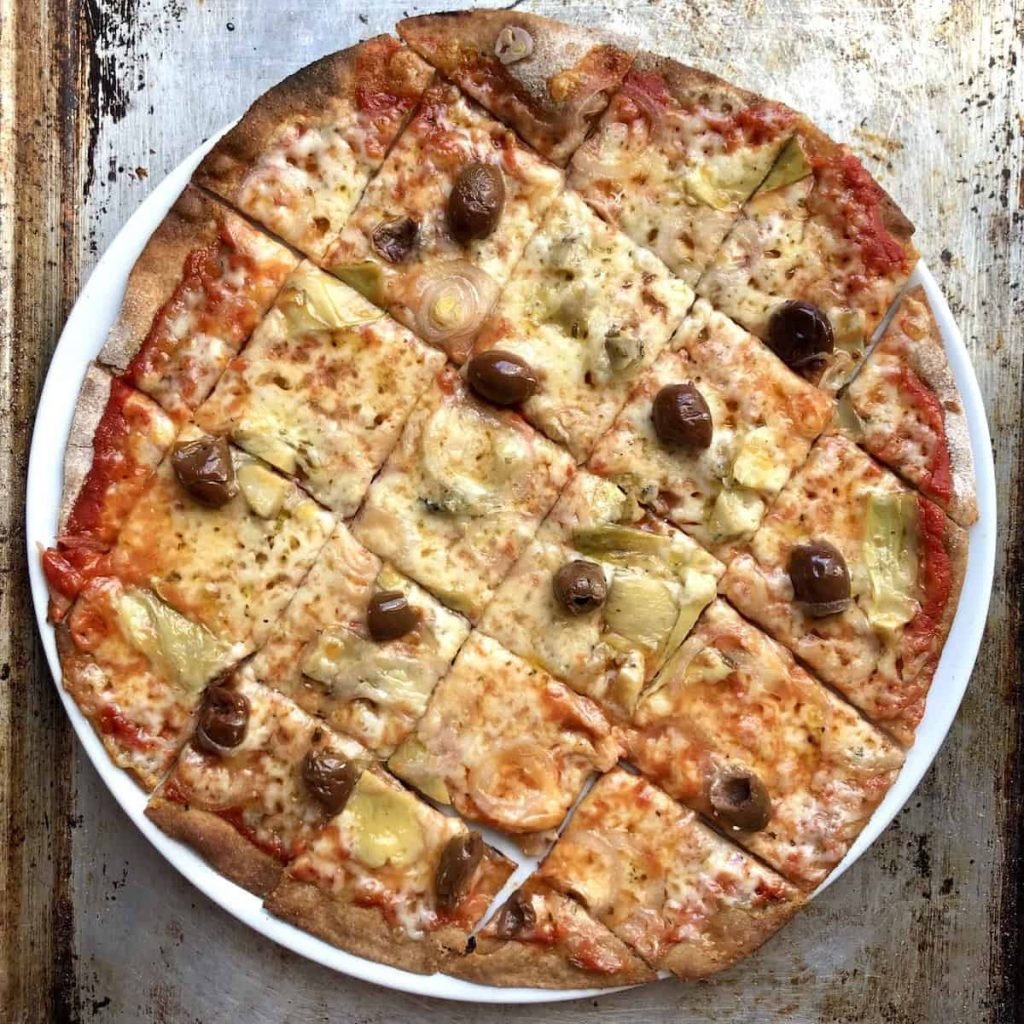
Craving a pizza with that perfect thin, crispy crust that snaps with every bite? You’re in the right place.
This Thin Crispy Pizza Dough Recipe is made just for you—easy to follow and sure to give you that bakery-quality crunch right from your own oven. Imagine biting into a slice that’s light, crunchy, and holds your favorite toppings without getting soggy.
Ready to transform your pizza nights and impress everyone at the table? Keep reading, because your ultimate homemade pizza starts here.

Credit: nourishedbynic.com
Ingredients For Crispy Dough
The key to a thin, crispy pizza dough lies in its ingredients. Each element plays a vital role in texture and flavor. Using the right ingredients ensures your dough turns out perfectly crisp every time. Let’s explore the essentials needed for crispy dough.
Essential Flour Choices
Flour type affects dough texture greatly. High-protein bread flour creates more gluten. Gluten provides strength and chewiness. All-purpose flour can work but yields softer crust. Some prefer a mix of bread and all-purpose flour. Avoid cake or pastry flour. These have low protein and make dough too soft.
Role Of Yeast And Sugar
Yeast helps dough rise and develop flavor. Active dry yeast or instant yeast works well. Sugar feeds the yeast, speeding up fermentation. Too much sugar can burn the crust. Use a small amount to boost yeast activity. Sugar also adds slight browning to the crust.
Importance Of Olive Oil And Salt
Olive oil adds tenderness and helps crisp the crust. It also improves dough handling and flavor. Salt controls yeast growth and strengthens gluten. It balances the dough’s taste and enhances flavor. Use fine sea salt or kosher salt for best results.
Water Temperature And Quality
Water activates the yeast and hydrates the flour. Use lukewarm water between 100°F and 110°F (38°C to 43°C). Hot water can kill yeast, cold water slows fermentation. Filtered or bottled water improves dough flavor. Avoid chlorinated tap water if possible.
Credit: artisanbreadinfive.com
Dough Preparation Steps
Creating the perfect thin crispy pizza dough begins with the right preparation steps. Each stage plays a crucial role in achieving that desired crunch. From mixing ingredients to allowing the dough to rest, every step matters. Follow these dough preparation steps for a delightful pizza experience.
Mixing Ingredients Correctly
Start with high-quality flour, preferably all-purpose or ’00’ flour. Use lukewarm water to activate the yeast. Combine flour, water, yeast, and a pinch of salt. Mix with a wooden spoon until combined. The mixture should be slightly sticky but firm.
Kneading Techniques For Crunch
Transfer the dough onto a floured surface. Knead the dough using the heel of your hand. Push the dough away, fold it back, and turn. Repeat for about 8-10 minutes. Kneading develops gluten, essential for a crispy crust.
Ideal Dough Consistency
The dough should be smooth and elastic. It should not stick to your hands. If too sticky, add a little flour. If too dry, sprinkle some water. The perfect dough should bounce back when poked gently.
Resting And Proofing Times
Place the dough in a lightly oiled bowl. Cover it with a damp cloth. Let it rest for at least 1 to 2 hours. The dough should double in size. Resting allows the dough to rise and develop flavor.
Shaping And Stretching Tips
Getting the shape and stretch of your thin crispy pizza dough right can make all the difference. It’s not just about flattening the dough; it’s about achieving that perfect balance between thinness and strength. Let’s dive into some practical tips that will help you shape and stretch your dough like a pro without tearing it apart.
Choosing The Right Surface
Your work surface plays a big role in how easily your dough stretches. Opt for a smooth, clean countertop or a large wooden board. Avoid rough or porous surfaces that can snag or stick to the dough.
Lightly dust your surface with flour or semolina to prevent sticking. Too much flour can dry out the dough, so sprinkle just enough to keep it moving. Have you noticed how dough behaves differently on marble compared to wood? Trying different surfaces can help you find what works best for your dough.
Hand Stretching Vs Rolling Pin
Stretching by hand allows you to feel the dough’s elasticity and avoid overworking it. Place your dough on your knuckles and gently stretch it outward, rotating as you go. This method preserves air bubbles, leading to a lighter crust.
A rolling pin can be tempting for speed, but it often presses out the air and can make the dough tough. If you choose to use one, roll gently from the center outward with minimal pressure. Have you ever tried tossing pizza dough? While it’s a skill, even basic hand stretching can improve your crust’s texture.
Maintaining Thinness Without Tearing
Stretch slowly and evenly to keep the dough thin without holes. If you spot a weak spot, patch it with a bit of extra dough instead of pulling harder. Let the dough rest for a few minutes if it resists stretching—that relaxes the gluten and reduces tearing.
Keep your dough at room temperature before shaping. Cold dough is less flexible and more prone to ripping. How often do you check your dough’s elasticity during shaping? Small pauses can save you from frustrating tears.
Baking For Perfect Crunch
Baking thin crispy pizza dough requires careful control of heat and timing. The right oven temperature helps the crust become golden and crunchy. Using the right tools, like pizza stones or steel, boosts heat delivery and texture. Watching baking time closely avoids soggy or burnt crusts. Small adjustments during baking create that perfect crunch every time.
Oven Temperature Settings
Set the oven very hot, between 475°F and 500°F (245°C to 260°C). High heat cooks dough fast and dries it quickly. Preheat the oven for at least 30 minutes. This ensures even temperature throughout. Avoid lower temperatures that make the crust soft or chewy.
Using Pizza Stones Or Steel
Place a pizza stone or steel on the middle rack. These tools store and transfer heat evenly. They help crisp up the bottom crust faster than a baking sheet. Preheat the stone or steel with the oven to get it very hot. Slide the pizza directly onto it for best results.
Baking Time And Monitoring
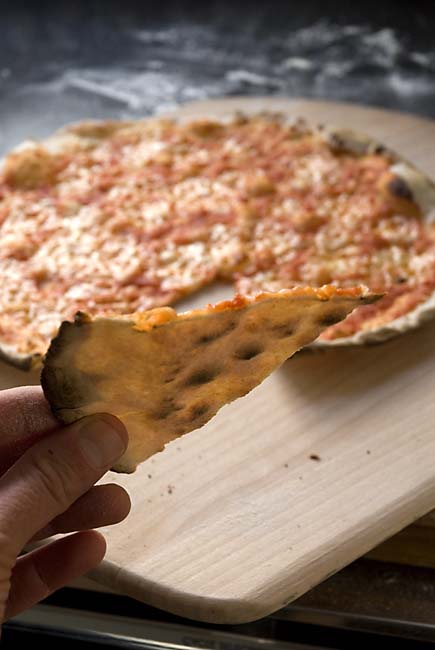
Thin crust pizza usually bakes in 7 to 10 minutes. Start checking at 6 minutes to avoid burning. Look for golden edges and bubbles on the dough. The cheese should be melted and slightly browned. Remove the pizza promptly to keep the crust crispy.
Broiler Tips For Extra Crispness
Turn on the broiler for the last 1-2 minutes of baking. This adds intense top heat to crisp the cheese and edges. Watch closely to prevent burning. Keep the pizza a few inches below the broiler. This step gives a nice crunch without drying out the whole pizza.
Troubleshooting Common Issues
Making thin crispy pizza dough can be tricky. You might face issues like dough being too soft, a soggy crust, or uneven cooking. Understanding these problems helps you fix them quickly and get that perfect crunch every time.
Dough Too Soft Or Chewy
If your dough feels too soft or ends up chewy instead of crispy, it might be due to too much water or not enough gluten development. Try reducing the water slightly or knead the dough longer to strengthen the gluten network.
Using bread flour instead of all-purpose flour can also help create a better texture. Did you know letting the dough rest longer in the fridge improves elasticity and makes it easier to handle?
Soggy Crust Solutions
A soggy crust often means the toppings are too watery or the oven temperature is too low. Drain excess moisture from ingredients like fresh tomatoes or mushrooms before adding them to your pizza.
Pre-baking the crust for a few minutes before adding toppings can prevent sogginess. Also, make sure your oven is hot enough—ideally above 475°F (245°C)—to quickly crisp the base.
Uneven Cooking Fixes
Uneven cooking can ruin your thin crispy pizza, leaving some parts raw and others burnt. Using a pizza stone or steel can help distribute heat evenly and give your crust that uniform crunch.
Rotate your pizza halfway through baking to avoid hot spots in the oven. Have you tried adjusting your oven racks to place the pizza closer to the heat source? It often makes a big difference.
Topping Ideas For Thin Crispy Pizza
Topping your thin crispy pizza is where creativity meets flavor. The key is to choose toppings that complement the delicate crunch of the dough without making it soggy. The right balance will keep your pizza crisp while delivering a burst of taste in every bite.
Light Vs Heavy Toppings
Light toppings like fresh vegetables, thinly sliced meats, and delicate cheeses let the crust shine. They keep the pizza crisp and prevent it from becoming soggy.
Heavy toppings such as thick sausage, extra cheese, or lots of sauce add bold flavor but can weigh down your crust. If you love these, try adding them sparingly or partially pre-cook them to reduce moisture.
Ask yourself: Do you want the dough to stay ultra-crispy, or are you aiming for a more indulgent, hearty slice?
Balancing Sauce And Cheese
Too much sauce can make your thin crust soggy fast. Spread sauce thinly and evenly to keep moisture in check.
Cheese acts as a barrier that protects the dough from sauce moisture. Using just the right amount creates a delicious, melty layer without overpowering the crunch.
Try mixing different cheeses, like mozzarella for meltiness and a sprinkle of parmesan for sharpness. This combo adds flavor without excess moisture.
Fresh Herbs And Finishing Touches
Adding fresh herbs like basil or oregano after baking lifts the flavor and keeps the pizza fresh. Their bright notes contrast nicely with the crispy base.
Finish with a drizzle of olive oil or a sprinkle of sea salt to enhance the taste and texture. A pinch of red pepper flakes can add a subtle kick without overpowering.
Think about how these final touches can transform your pizza from good to unforgettable with minimal effort.

Credit: www.acouplecooks.com
Frequently Asked Questions
What Ingredients Make Pizza Dough Thin And Crispy?
Thin, crispy pizza dough uses high-protein flour, water, yeast, salt, and olive oil. Proper hydration and resting time are essential for texture.
How Long Should Thin Pizza Dough Rest?
Rest the dough for at least 1 to 2 hours. This allows gluten to develop and improves crispiness after baking.
What Temperature Is Best For Baking Thin Pizza Crust?
Bake thin pizza crust at 475°F to 500°F. High heat ensures a crispy crust and perfectly cooked toppings.
Can I Use Whole Wheat Flour For Thin Crispy Pizza Dough?
Yes, but whole wheat flour may produce a denser crust. Mixing it with all-purpose flour gives a better thin, crispy texture.
Conclusion
This thin crispy pizza dough recipe makes baking fun and simple. You get a crunchy crust that holds your toppings well. It cooks quickly and tastes fresh every time. Try making it at home for your next pizza night. Enjoy a delicious, crispy pizza that everyone will love.
Keep practicing to find your perfect baking style. Homemade pizza dough brings joy and great flavor to your table.

Hi, I’m Daniel Brooks—a food lover and kitchen gear enthusiast. I enjoy testing cookware, utensils, and gadgets to see what really works in everyday cooking. At PlugChef.com, I share honest reviews, comparisons, and simple guides to help you choose the best tools for a safer, smarter, and more enjoyable kitchen.
Related posts:
 What Type of Cooking Utensils are Safe: Expert Picks
 What Innovations Could Blenders Make: Unleashing Future Tech
 Smart Strategies to Organize a Small Kitchen: Maximize Space
 How to Organize a Kitchen Cabinet: Expert Tips & Tricks
 How to Organize Kitchen Drawers: Expert Tips and Tricks
 How to Organize a Corner Kitchen Cupboard: Expert Tips

