
When it comes to choosing the perfect ribs for your next meal, you might find yourself stuck between flanken ribs and short ribs. Both are delicious, but they have distinct flavors, textures, and cooking methods that can make a big difference on your plate.
If you want to impress your taste buds and cook like a pro, understanding the difference between flanken ribs and short ribs is key. By the end of this article, you’ll know exactly which cut suits your style and how to get the best out of it every time.
Ready to become a rib expert? Let’s dive in!

Credit: shopchatelfarms.com
Flanken Ribs Basics
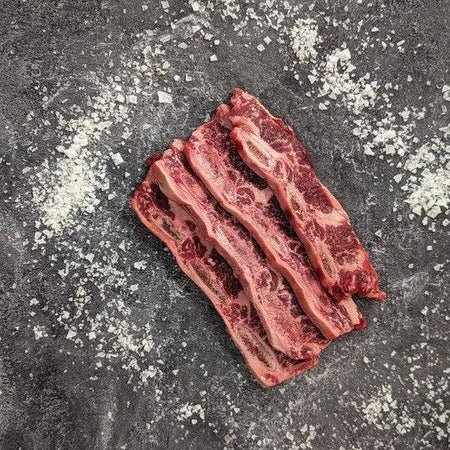
Flanken ribs are a popular cut of beef known for their unique appearance and rich flavor. They differ from short ribs in how they are sliced and used in cooking. Understanding the basics of flanken ribs helps you choose the right cut for your recipes.
Cut Location
Flanken ribs come from the beef plate, located near the belly of the cow. The ribs are cut across the bone, resulting in thin strips with several small bones. This cross-cut style sets flanken ribs apart from other rib cuts.
Meat Characteristics
Flanken ribs have a good balance of meat and fat, which adds flavor. The thin slices cook quickly and stay tender if not overcooked. The small rib bones add a distinctive look and help keep the meat juicy during cooking.
Common Uses
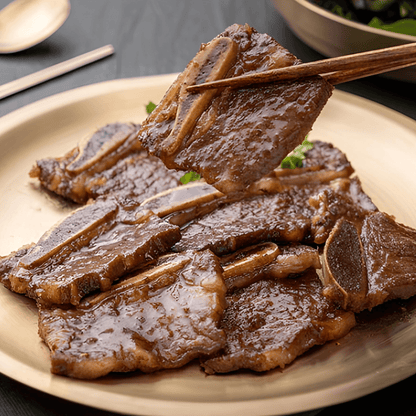
Flanken ribs are often used in grilling and barbecuing. They are popular in Korean cuisine, where they are marinated and grilled as galbi. These ribs also work well in slow-cooked dishes or soups, absorbing flavors easily.
Short Ribs Essentials
Short ribs are a popular cut for their rich flavor and tenderness. They come from the beef chuck or plate, making them versatile. Understanding their essentials helps in choosing the right cooking method.
Cut Location
Short ribs are cut from the beef chuck or plate. They are located near the belly and shoulder area. This area provides a good mix of meat and fat. The balance ensures a juicy and flavorful bite.
Meat Texture
Short ribs have a dense and marbled texture. The meat is tougher than some other cuts. The marbling melts during cooking, offering a tender result. This texture makes them ideal for slow cooking methods.
Cooking Methods
Short ribs require slow, moist cooking for best results. Braising is the most common method. It involves cooking in liquid at a low temperature. This breaks down the tough fibers, making the meat tender. Grilling is another option, but requires careful attention to avoid drying out.
Flavor Profiles Compared
Comparing the flavor profiles of flanken ribs and short ribs can help you decide which cut suits your taste and cooking style. Both have unique qualities that influence how they taste on the grill or in a stew. Understanding these differences allows you to make smarter choices for your next meal.
Taste Differences
Flanken ribs have a bold, beefy flavor with a slightly more intense taste due to the thin cut across the bone. They absorb marinades quickly, making them perfect for spicy or tangy recipes.
Short ribs offer a richer, deeper flavor because they come from a more marbled section of the cow. Their thicker cut means they hold onto slow-cooked flavors exceptionally well, ideal for braises and long roasts.
Fat Content
Flanken ribs tend to have less fat compared to short ribs. This leaner profile means they cook faster but can dry out if overcooked.
Short ribs have a higher fat content, which melts during cooking and keeps the meat juicy. This fat also adds to the mouthfeel, making each bite more tender and flavorful.
Marbling Effects
Marbling—the streaks of fat within the meat—plays a big role in flavor and texture. Flanken ribs usually have less marbling, leading to a firmer texture and a cleaner taste.
Short ribs are known for excellent marbling. This intramuscular fat breaks down during slow cooking, creating a buttery texture and rich, satisfying flavor.
Have you noticed how the fat content changes the cooking method you prefer? Choosing between flanken and short ribs might just come down to how much time you want to spend cooking and the flavor intensity you crave.
Cooking Techniques
Cooking techniques play a key role in bringing out the best flavors and textures in ribs. Flanken ribs and short ribs differ in shape and thickness, which affects how they cook. Choosing the right method ensures tender, juicy meat every time. Understanding these differences helps in selecting the perfect cooking style for each rib type.
Best Methods For Flanken Ribs
Flanken ribs are thin and cut across the bone. They cook quickly and suit high-heat methods. Grilling is ideal to get a smoky flavor and crispy edges. Marinating before grilling adds extra taste and keeps the meat moist. Broiling also works well for flanken ribs, giving a nice caramelized crust in a short time.
- Grilling over direct heat
- Broiling in the oven
- Quick pan-searing with a marinade
Best Methods For Short Ribs
Short ribs are thicker and tougher than flanken ribs. They need slow, gentle cooking to become tender. Braising is the best method, where ribs cook slowly in liquid. This breaks down the connective tissue and makes the meat soft. Slow roasting or smoking at low temperatures also works well, adding deep flavors over time.
- Braising in broth or sauce
- Slow roasting in the oven
- Smoking at low temperatures
Cooking Time Variations
| Rib Type | Cooking Method | Approximate Time |
|---|---|---|
| Flanken Ribs | Grilling or Broiling | 5 to 10 minutes |
| Flanken Ribs | Pan-Searing | 4 to 7 minutes |
| Short Ribs | Braising | 2 to 3 hours |
| Short Ribs | Slow Roasting | 3 to 4 hours |
| Short Ribs | Smoking | 6 to 8 hours |
Serving Suggestions
Serving flanken ribs and short ribs offers a variety of delicious options that can suit different tastes and occasions. Each cut shines best when paired with the right preparation and sides. Knowing how to serve them can elevate your meal and impress your guests.
Popular Dishes With Flanken Ribs
Flanken ribs are perfect for quick grilling and marinating due to their thin, cross-cut shape. Korean BBQ lovers often enjoy these ribs in Galbi, where the ribs are marinated in a sweet and savory sauce and grilled over high heat.
Another favorite is a simple grilled flanken rib plateserved with fresh herbs, pickled vegetables, and steamed rice. You can also try braising them slowly with aromatic spices for a tender and flavorful stew.
Popular Dishes With Short Ribs
Short ribs are thicker and benefit from slow cooking to break down their rich, fatty texture. A classic dish is braised short ribs, cooked in red wine and herbs until meltingly tender.
They also work well in hearty soups or stews, adding deep flavor and richness. For a modern twist, try short rib tacoswith spicy salsa and fresh cilantro for a bold and satisfying meal.
Pairing Tips
Flanken ribs, being lighter and quicker to cook, pair well with fresh and crisp sides like cucumber salad, kimchi, or grilled vegetables. A bright, acidic sauce like chimichurri or a squeeze of lime can balance their smoky flavor.
Short ribs demand richer accompaniments. Think creamy mashed potatoes, buttery polenta, or roasted root vegetables to complement their deep, meaty taste.
What kind of flavors do you usually enjoy with your ribs? Experiment with contrasting textures and tastes to find your perfect match.
Credit: visapoint.travel
Price And Availability
The price and availability of flanken ribs and short ribs can vary widely. These factors influence your choice and cooking plans. Understanding market trends helps you make smart buying decisions.
Both cuts come from the rib section but differ in preparation and demand. Prices depend on supply, quality, and region. Availability changes with seasons and retailer stock.
Market Prices
Flanken ribs usually cost less than short ribs. Their thin cut means less meat per piece. Short ribs offer more meat, raising their price.
Prices also depend on the grade of beef. Higher grades mean higher prices. Local market demand affects cost as well.
Seasonal Availability
Flanken ribs tend to be available year-round. They are popular in certain cuisines, boosting steady supply. Short ribs may be harder to find in off-season times.
Holiday seasons can increase short rib demand. This can push prices higher and reduce availability. Farmers’ markets may offer fresher options during certain months.
Where To Buy
- Local butcher shops often have both cuts fresh and ready.
- Supermarkets carry these ribs but may vary in quality.
- Specialty meat markets provide premium or grass-fed options.
- Online meat suppliers offer delivery but watch for shipping costs.
Health And Nutrition
Health and nutrition play a key role in choosing between flanken ribs and short ribs. Both cuts come from the rib section but differ in fat content and nutrients. Understanding these differences helps make better choices for your diet and lifestyle.
Nutritional Differences
Flanken ribs have less fat than short ribs. They contain more protein per serving. Short ribs are richer in fat and calories. Both cuts offer important vitamins like B12 and minerals such as iron and zinc. Flanken ribs tend to have less saturated fat, which is better for heart health.
Calorie Comparison
| Rib Type | Calories (per 3 oz cooked) | Fat (grams) | Protein (grams) |
|---|---|---|---|
| Flanken Ribs | 190 | 10 | 22 |
| Short Ribs | 290 | 22 | 20 |
Health Considerations
- Flanken ribs suit low-fat diets better.
- Short ribs add more flavor but increase calorie intake.
- Both contain cholesterol, so eat in moderation.
- Cooking methods affect healthiness; grilling and broiling reduce fat.
- Choose lean cuts and trim visible fat to lower calories.

Credit: familyrootsfarmaz.com
Frequently Asked Questions
What Is The Main Difference Between Flanken Ribs And Short Ribs?
Flanken ribs are cut across the bone with multiple small bones. Short ribs are cut parallel to the bone, offering larger bone sections and meat.
Which Ribs Are Better For Grilling: Flanken Or Short Ribs?
Flanken ribs are thinner and cook faster, ideal for grilling. Short ribs are thicker, better suited for slow cooking or braising.
Are Flanken Ribs More Tender Than Short Ribs?
Short ribs generally have more marbling and fat, making them tender when cooked slowly. Flanken ribs are leaner and less tender.
How Do Cooking Methods Differ For Flanken And Short Ribs?
Flanken ribs grill quickly due to thinness. Short ribs require slow cooking to break down connective tissue and become tender.
Conclusion
Flanken ribs and short ribs offer different flavors and textures. Flanken ribs have thin, cross-cut bones and cook quickly. Short ribs are thicker and need slow cooking for tenderness. Both are great for grilling or braising. Choose based on your cooking style and taste preference.
Enjoy experimenting with these cuts for delicious meals. Each brings something special to your table. Try both to find your favorite. Cooking ribs can be simple and fun. Your next meal will surely be tasty.

Hi, I’m Daniel Brooks—a food lover and kitchen gear enthusiast. I enjoy testing cookware, utensils, and gadgets to see what really works in everyday cooking. At PlugChef.com, I share honest reviews, comparisons, and simple guides to help you choose the best tools for a safer, smarter, and more enjoyable kitchen.
Related posts:
 What Type of Cooking Utensils are Safe: Expert Picks
 What Innovations Could Blenders Make: Unleashing Future Tech
 Smart Strategies to Organize a Small Kitchen: Maximize Space
 How to Organize a Kitchen Cabinet: Expert Tips & Tricks
 How to Organize Kitchen Drawers: Expert Tips and Tricks
 How to Organize a Corner Kitchen Cupboard: Expert Tips

