
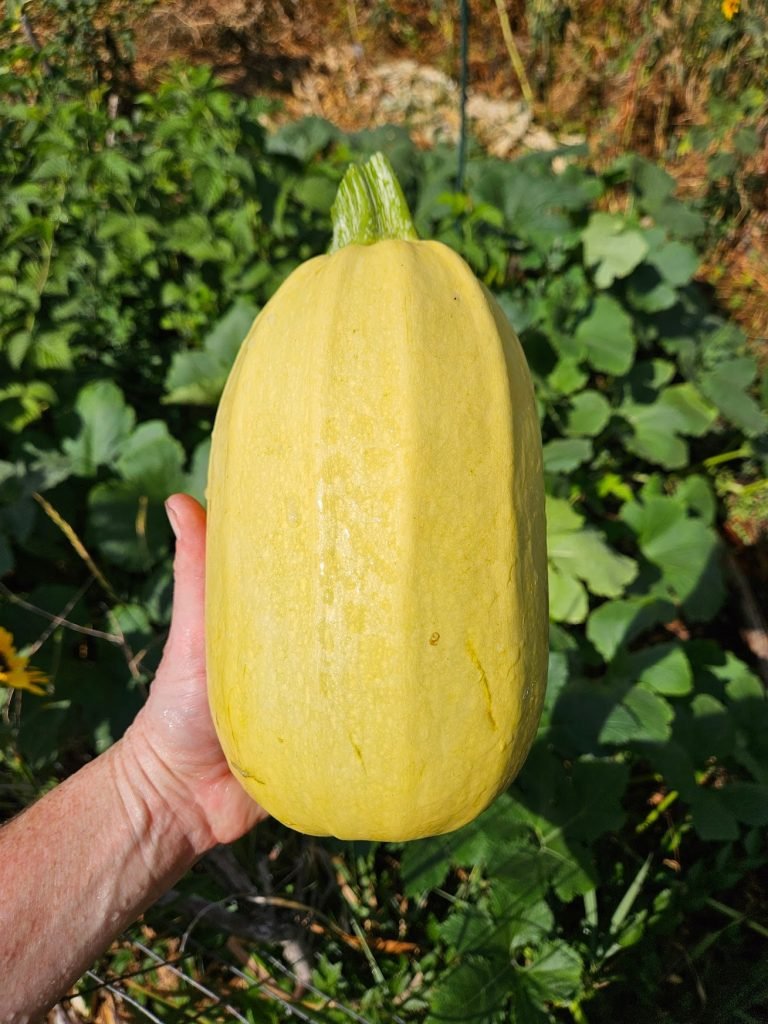
Have you ever wondered how to boost the nutrition and flavor of your spaghetti squash? Sprouted seeds could be the secret ingredient you didn’t know you needed.
Adding sprouted seeds to your spaghetti squash not only gives your meal a fresh, crunchy twist but also packs a powerful punch of vitamins and minerals. If you want to make your healthy meals even healthier and tastier, keep reading.
You’ll discover easy tips and surprising benefits that can transform your next spaghetti squash dish into a nutrient-packed delight.
Benefits Of Sprouted Seeds
Sprouted seeds add a special boost to spaghetti squash dishes. They bring many benefits that improve health and taste. Sprouting changes seeds in ways that make them easier to use by our bodies. This process also brings out richer flavors, making meals more enjoyable.
Enhanced Nutrient Absorption
Sprouting breaks down hard-to-digest compounds in seeds. This helps your body absorb vitamins and minerals better. Nutrients like iron, zinc, and magnesium become more available. Eating sprouted seeds with spaghetti squash means you get more health benefits from each bite.
Improved Digestibility
Sprouted seeds are softer and gentler on the stomach. The sprouting process reduces substances that cause gas and bloating. This makes them easier to digest than raw seeds. Adding sprouted seeds to spaghetti squash makes the dish light and comfortable to eat.
Increased Flavor Profile
Sprouted seeds offer a fresh and nutty taste. Their flavor is milder and less bitter than unsprouted seeds. This adds a delicious crunch to spaghetti squash dishes. The new flavors can make simple meals more exciting and satisfying.

Credit: www.reddit.com
Choosing The Right Seeds
Choosing the right seeds is essential for sprouting in spaghetti squash. It affects taste, nutrition, and growth success. Not all seeds are suitable for sprouting. It’s important to select seeds that are fresh, safe, and high-quality.
Popular Seeds To Sprout
Many seeds can be sprouted for spaghetti squash dishes. Here are some common choices:
- Alfalfa: Mild flavor, adds crunch.
- Broccoli: Rich in vitamins, slightly peppery.
- Radish: Spicy kick, adds zest.
- Clover: Sweet taste, great for salads.
- Sunflower: Nutty flavor, full of nutrients.
Seed Quality And Safety
Seed quality matters for health and sprouting success. Choose seeds from reputable sources. Ensure seeds are untreated and safe for consumption.
Check packaging for details on safety and quality. Avoid seeds treated with pesticides or chemicals. Always rinse seeds thoroughly before sprouting.
Organic Vs Conventional Seeds
Organic seeds are grown without synthetic chemicals. They are often preferred for sprouting due to purity and environmental benefits. Conventional seeds may be less expensive. However, they might contain residues from pesticides.
Consider cost, availability, and personal preferences. Organic seeds offer peace of mind for health-conscious individuals.
Sprouting Techniques
Sprouting seeds adds fresh nutrition and crunch to spaghetti squash dishes. Understanding sprouting techniques makes this process simple and effective. It requires patience and care but yields healthy, tasty sprouts to complement your meals. Small changes in how you sprout can impact the final result.
Basic Sprouting Process
Start by rinsing seeds thoroughly to remove dirt. Soak seeds in water for 8 to 12 hours to soften. Drain water and rinse seeds well. Place seeds in a sprouting jar or container with good airflow. Rinse and drain seeds twice daily to keep them moist but not wet. Watch for tiny sprouts to appear within a few days. Harvest sprouts when they reach the desired length, usually 3 to 5 days.
Optimal Conditions For Sprouting
- Use clean, filtered water for soaking and rinsing.
- Keep seeds in a cool, dark place during soaking.
- Provide indirect light after sprouting begins for better growth.
- Maintain temperature between 65°F and 75°F for best results.
- Ensure proper air circulation to prevent mold and bacteria.
- Use a mesh lid or cloth cover to allow drainage and airflow.
Common Mistakes To Avoid
- Leaving seeds too wet, which causes mold growth.
- Using dirty containers that contaminate seeds.
- Not rinsing seeds often enough, leading to spoilage.
- Exposing seeds to direct sunlight before sprouting starts.
- Storing sprouts too long after harvesting, reducing freshness.
- Using seeds that are old or not meant for sprouting.
Preparing Spaghetti Squash
Preparing spaghetti squash is simple and rewarding. It offers a healthy, low-carb alternative to pasta. The key lies in choosing the right squash and cooking it properly. This ensures the perfect texture to enjoy with sprouted seeds or any other topping.
Selecting The Best Squash
Pick a spaghetti squash that feels heavy for its size. The skin should be firm and free of soft spots or cracks. Look for a pale yellow color, which means it is ripe. Smaller squash tend to be sweeter and less watery.
Cooking Methods
Spaghetti squash cooks well in several ways. Baking is popular for a tender, even result. Cut the squash in half, scoop out seeds, and place cut side down on a baking sheet. Roast at 400°F (200°C) for 40–50 minutes.
Microwaving saves time. Poke holes in the whole squash and microwave for 8–12 minutes. Let it cool before cutting. Boiling is another option. Cut and remove seeds, then boil halves for 20 minutes or until soft.
Texture Tips
To get strands like spaghetti, use a fork to scrape the flesh gently. Avoid overcooking to keep strands firm and separate. Let the cooked squash rest for a few minutes before shredding. This helps the strands stay intact and not mushy.
Incorporating Sprouted Seeds
Adding sprouted seeds to spaghetti squash is an easy way to boost both texture and nutrition. These tiny powerhouses bring a fresh crunch and a subtle earthiness that complements the mild flavor of the squash. You don’t need much—just a sprinkle can transform a simple dish into something exciting and satisfying.
Mixing Seeds Into The Squash
After roasting your spaghetti squash, fluff the strands gently with a fork. Then, toss in your sprouted seeds—sunflower, pumpkin, or even alfalfa work wonderfully. Mixing them in while the squash is still warm helps the seeds soften slightly, blending their flavors without losing that satisfying bite.
Try to avoid stirring too vigorously; you want the strands and seeds to stay distinct. This way, each bite offers a pleasant contrast. Have you ever noticed how a little crunch can change the whole eating experience?
Flavor Combinations
Sprouted seeds have a mild nutty taste, so pairing them with bright, fresh ingredients really lifts the dish. Consider adding lemon zest and a drizzle of olive oil to bring out the seeds’ natural flavor. Fresh herbs like basil or parsley add a burst of color and freshness that complements both squash and seeds.
Spices such as smoked paprika or a pinch of cumin can add warmth without overpowering the delicate seeds. Experiment with a splash of balsamic vinegar or soy sauce for an unexpected twist. What flavor mix would surprise your palate today?
Serving Suggestions
Sprouted seeds in spaghetti squash make a great base for light meals or side dishes. Serve it warm alongside grilled chicken or fish for a wholesome, balanced plate. You can also chill the mixture and use it as a salad topping, adding a refreshing crunch to leafy greens.
For a vegetarian boost, mix in some crumbled feta or goat cheese. This adds creaminess that contrasts nicely with the seeds’ texture. How might you customize this dish to fit your next meal plan?

Credit: www.sandiaseed.com
Health Impact
Sprouted seeds added to spaghetti squash don’t just change the texture or flavor—they can significantly impact your health. Combining these nutrient-packed sprouts with the naturally low-calorie spaghetti squash creates a dish that fuels your body efficiently. Understanding the health benefits can inspire you to make this combo a regular part of your meals.
Nutritional Boost From Sprouted Seeds
Sprouted seeds are nutritional powerhouses. As seeds sprout, their vitamin and mineral content increases, making them easier for your body to absorb.
Adding sprouted seeds to spaghetti squash enhances the protein, fiber, and essential fatty acids in your meal. This mix supports muscle repair and keeps you feeling full longer.
Have you noticed how some meals leave you energized while others make you sluggish? The extra nutrients from sprouts can be the difference.
Antioxidant Benefits
Sprouted seeds contain more antioxidants than their unsprouted counterparts. These antioxidants help protect your cells from damage caused by free radicals.
When you eat spaghetti squash with sprouted seeds, you’re giving your body tools to fight inflammation and reduce oxidative stress. This may lower your risk of chronic diseases.
Next time you prepare this dish, imagine you’re feeding your cells with protective armor. Doesn’t that make your meal feel more powerful?
Supporting Digestive Health
Sprouted seeds are rich in enzymes that help break down food efficiently. This can improve your digestion when paired with the fiber-rich spaghetti squash.
Better digestion means fewer digestive issues like bloating or constipation. It also supports a healthy gut microbiome, which is crucial for overall wellness.
Think about how much easier your day could be without digestive discomfort. Adding sprouted seeds to your spaghetti squash might be a simple way to support that.
Storage And Shelf Life
Understanding how to properly store sprouted seeds and spaghetti squash can save you time and reduce food waste. Both ingredients have unique shelf lives that affect their freshness and nutritional value. Let’s break down the best ways to keep them fresh and ready for your next meal.
Storing Sprouted Seeds
Sprouted seeds are delicate and need a cool, dry place to stay fresh. Keep them in an airtight container in the refrigerator. This slows down moisture loss and prevents mold growth.
If you sprout seeds at home, rinse them well and drain thoroughly before storing. Use them within 3 to 5 days for the best crunch and flavor. Have you noticed how sprouted seeds lose their snap after a week? That’s a clear sign to use them up quickly.
Keeping Squash Fresh
Whole spaghetti squash can last for several weeks if stored in a cool, dark, and dry spot. Avoid places with high humidity or direct sunlight to prevent premature spoilage.
Once cut, wrap the squash tightly in plastic wrap or place it in a sealed container. Store it in the refrigerator and use within 5 days. Leftovers can also be frozen, but the texture may soften after thawing.
Meal Prep Tips
Preparing sprouted seeds and squash ahead can make your meals easier and faster. Portion sprouted seeds into small containers or snack bags to grab on the go. This keeps them fresh and ready to add to salads or bowls.
Cook and shred spaghetti squash in advance, then store it in airtight containers in the fridge for up to 4 days. Freezing pre-cooked squash in meal-sized portions works well too. Have you tried freezing squash? It can save you hours during busy weeks.

Credit: www.sandiaseed.com
Frequently Asked Questions
What Are Sprouted Seeds In Spaghetti Squash?
Sprouted seeds are germinated seeds inside the spaghetti squash. They begin to grow small shoots while still inside the fruit. These sprouts indicate seed viability and can be eaten or planted to grow new squash plants.
Are Sprouted Seeds Safe To Eat In Spaghetti Squash?
Yes, sprouted seeds in spaghetti squash are safe to eat. They have a slightly nutty flavor and add texture. However, ensure the squash is fresh and properly cooked to avoid any food safety issues.
How Do Sprouted Seeds Affect Spaghetti Squash Taste?
Sprouted seeds add a mild, nutty flavor and crunchy texture. They do not significantly change the overall taste of the squash. Many find the sprouts enhance the dish’s nutritional value and eating experience.
Can Sprouted Seeds Be Planted To Grow Spaghetti Squash?
Yes, sprouted seeds inside spaghetti squash can be planted. They are viable and ready to germinate. Clean and dry the seeds before planting them in suitable soil for best growth results.
Conclusion
Sprouted seeds add a fresh twist to spaghetti squash dishes. They bring extra crunch and nutrients to every bite. This simple addition makes meals healthier and more interesting. You can enjoy new flavors while still keeping it light and natural.
Try sprouted seeds in your next spaghetti squash recipe. Taste the difference and feel the benefits. Eating well does not have to be complicated. Small changes make a big impact on your health. Give sprouted seeds a chance today.

Hi, I’m Daniel Brooks—a food lover and kitchen gear enthusiast. I enjoy testing cookware, utensils, and gadgets to see what really works in everyday cooking. At PlugChef.com, I share honest reviews, comparisons, and simple guides to help you choose the best tools for a safer, smarter, and more enjoyable kitchen.
Related posts:
 What Type of Cooking Utensils are Safe: Expert Picks
 What Innovations Could Blenders Make: Unleashing Future Tech
 Smart Strategies to Organize a Small Kitchen: Maximize Space
 How to Organize a Kitchen Cabinet: Expert Tips & Tricks
 How to Organize Kitchen Drawers: Expert Tips and Tricks
 How to Organize a Corner Kitchen Cupboard: Expert Tips

