
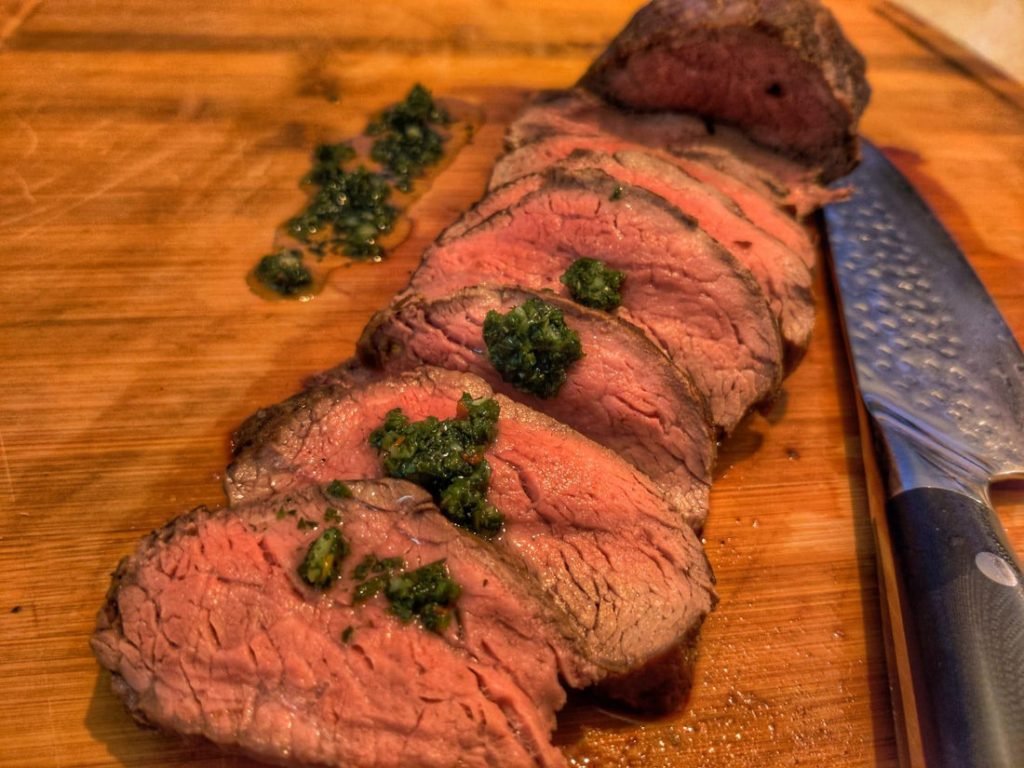
If you want to impress your guests or simply enjoy a restaurant-quality meal at home, learning how to cook Chateaubriand beef is a game-changer. This tender, juicy cut of beef feels fancy but is easier to prepare than you might think.
By following a few simple steps, you can unlock rich flavors and a perfect texture that will make every bite unforgettable. Ready to become the master of this classic dish? Keep reading, and I’ll guide you through everything you need to know.
Credit: www.omahasteaks.com
Choosing The Right Cut
Choosing the right cut is the foundation of cooking a perfect Chateaubriand. The flavor, tenderness, and overall success of your dish depend heavily on the quality and characteristics of the beef you pick. Let’s dive into what makes a cut ideal for this classic recipe.
Selecting Quality Beef
Look for beef that is bright red with fine marbling. Marbling—the small streaks of fat within the meat—adds flavor and keeps the beef juicy during cooking. Avoid beef that looks dull or has dark spots; freshness matters a lot here.
Ask your butcher for a center-cut tenderloin. This part is the most tender and perfect for Chateaubriand. If you can, get beef graded as USDA Prime or Choice, as these grades have better marbling and texture.
Size And Thickness Matters
The size of your Chateaubriand should suit the number of guests you’re serving. Typically, a 1.5 to 2-pound tenderloin roast works well for 2 to 4 people. If the cut is too thin, it can dry out quickly; too thick, and it may cook unevenly.
A thickness of about 2 to 3 inches is ideal. This allows you to get a nice sear on the outside while keeping the inside tender and juicy. Think about your cooking method—thicker cuts need more time but reward you with better texture.
Have you noticed how sometimes a thicker steak feels more rewarding to eat? The same applies here—thickness influences both cooking time and flavor development. Choose wisely to match your timing and taste preferences.
Preparing The Steak
Choose a thick Chateaubriand cut and let it reach room temperature before cooking. Pat the steak dry and season it simply with salt and pepper for the best flavor.
Preparing a Chateaubriand steak involves a few crucial steps. Each step ensures that the beef reaches its full flavor potential. Careful preparation enhances the tenderness and taste of this classic dish.Trimming And Seasoning
Begin by trimming the steak. Remove excess fat and silver skin. This helps the meat cook evenly. Use a sharp knife for precision. Next, season the meat well. Salt and pepper are essential. They bring out the beef’s natural flavors. For a richer taste, add garlic powder or fresh herbs. Rub the seasonings evenly on all sides.Bringing To Room Temperature
Let the steak sit at room temperature. This should take about 30 minutes. It ensures even cooking throughout. Cold meat can cook unevenly. Avoid letting it sit too long. This could affect the texture. Monitor the time carefully. By following these steps, your Chateaubriand will be ready for cooking. Enjoy the preparation process. It sets the stage for a delightful meal.Cooking Techniques
Mastering the cooking techniques for Chateaubriand beef is key to achieving that perfect balance of a flavorful crust and a tender, juicy interior. Each step, from searing to roasting, plays a crucial role in enhancing the natural taste and texture of this premium cut. Understanding these techniques will empower you to deliver an impressive dish every time.
Searing For Flavor
Searing is your first chance to build rich flavor. Heat a heavy skillet until it’s smoking hot before adding a bit of oil with a high smoke point, like grapeseed or canola oil.
Place the beef in the pan without moving it. Let it develop a deep brown crust, usually about 2-3 minutes per side. This caramelization locks in juices and adds complexity.
Don’t rush this step. If you try to flip too soon, the crust won’t form properly. Imagine the difference between a bland steak and one with a beautifully crisp exterior—it’s all in the sear.
Oven Roasting Tips
After searing, transfer the beef to a preheated oven to finish cooking evenly. The oven’s gentle heat ensures the center cooks without burning the outside.
Set your oven to around 375°F (190°C). This temperature is hot enough to cook through but gentle enough to prevent drying out.
Place the meat on a wire rack over a baking tray to allow air circulation. This technique helps the heat surround the roast evenly, resulting in a consistent texture.
Using A Meat Thermometer
Have you ever sliced into your roast only to find it overcooked? A meat thermometer is your best tool to avoid this.
Insert the thermometer into the thickest part of the beef, avoiding bones or fat. Monitor the temperature closely as it approaches your target doneness.
- Rare: 120-125°F (49-52°C)
- Medium rare: 130-135°F (54-57°C)
- Medium: 140-145°F (60-63°C)
Remove the roast from the oven a few degrees before your desired temperature because the meat will continue to cook while resting. Patience here pays off with perfect tenderness.

Credit: www.aol.com
Resting The Meat
Resting the Chateaubriand beef after cooking is a step you cannot skip if you want the best flavor and texture. It allows the juices to redistribute inside the meat, making every bite tender and juicy. Skipping this can lead to a dry and less enjoyable steak.
Why Resting Is Crucial
When you cook Chateaubriand, the heat pushes the juices towards the outer edges. If you cut into it immediately, those flavorful juices will spill out onto the plate. Resting helps the juices move back evenly throughout the meat.
Think of it this way: resting lets the fibers relax and reabsorb moisture. This means your steak stays moist and tender rather than drying out. Have you ever cut into a steak right after cooking and felt it was dry? Resting solves that problem.
How Long To Rest
The ideal resting time for Chateaubriand is usually between 10 to 15 minutes. This is enough time for the juices to redistribute without letting the meat get cold. You can loosely cover the beef with foil to keep it warm.
If you rest it too long, the meat may cool down and lose some of its appeal. Too short, and the juices won’t settle properly. Try timing your resting alongside preparing your sides—this way, everything is ready to serve hot and perfectly juicy.
Serving Suggestions
Serving Chateaubriand beef is where you get to elevate the experience. The right accompaniments can highlight the tender, juicy flavor of this premium cut. Think about what will balance the rich taste without overpowering it.
Classic Sauces To Pair
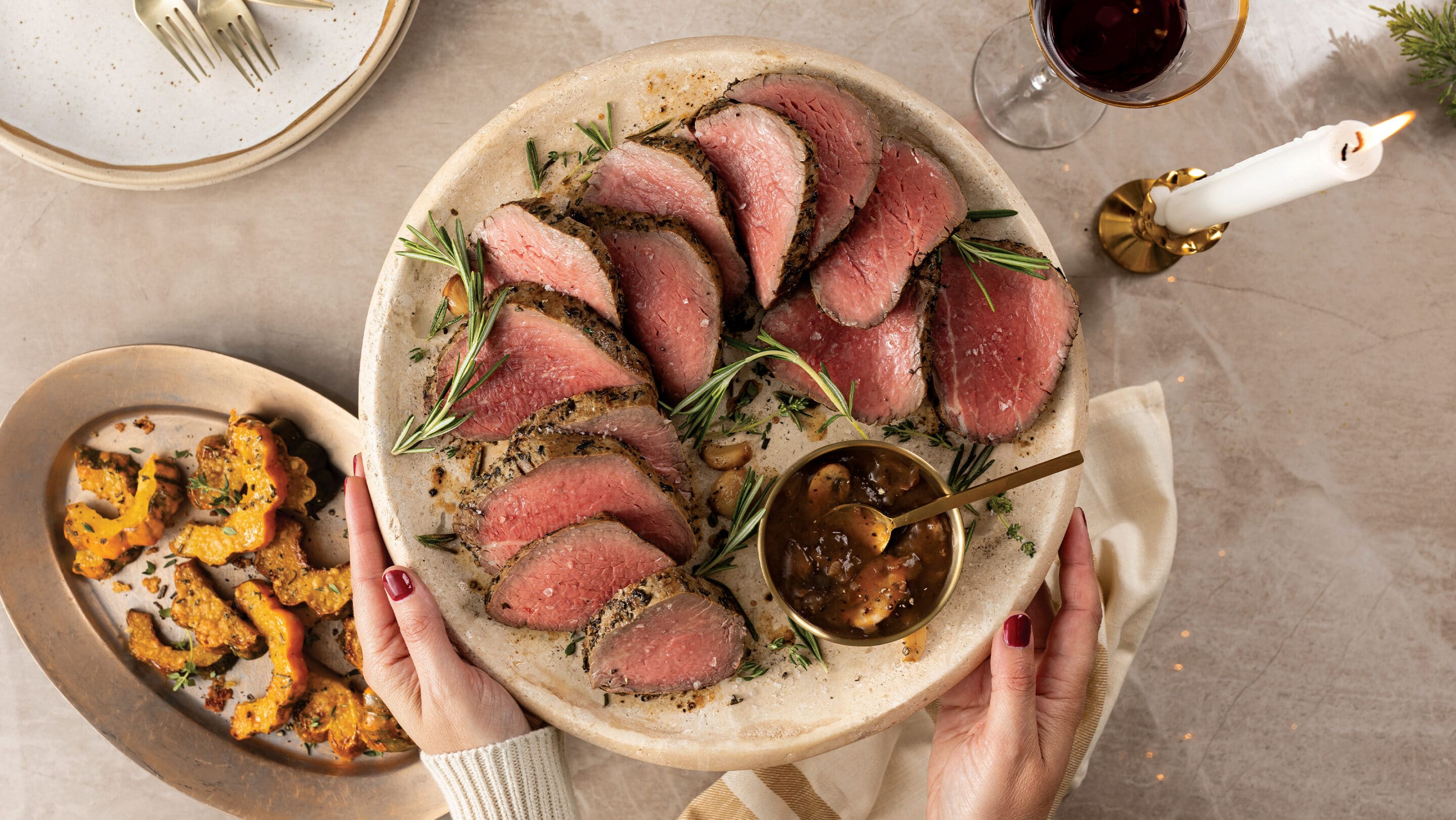
Sauces add a burst of flavor that complements the beef’s natural taste. A traditional Béarnaise sauce, with its tangy tarragon and buttery texture, is a timeless match. If you prefer something lighter, a red wine reduction sauce brings a subtle depth without heaviness.
For a fresh twist, try a simple herb chimichurri. It adds a bright, zesty note that cuts through the richness. Wondering which sauce suits your taste best? Test a small portion alongside your Chateaubriand to find your ideal match.
Side Dishes That Complement
Your sides should support the star of the plate, not compete with it. Roasted vegetables like asparagus or baby carrots bring color and a slight sweetness that pairs well with the beef’s savory flavor.
Potatoes are a classic choice—whether creamy mashed, crispy roasted, or even a gratin. They provide comforting texture and soak up any sauce on your plate. Have you tried pairing Chateaubriand with a fresh, crisp salad? It offers a refreshing contrast that keeps the meal balanced and light.

Credit: www.youtube.com
Common Mistakes To Avoid
Cooking Chateaubriand beef perfectly is a rewarding challenge. However, many home cooks slip up in ways that affect the final taste and texture. Avoiding common mistakes can make the difference between a dry, bland steak and a juicy, flavorful centerpiece.
Overcooking Pitfalls
One of the biggest mistakes is overcooking the Chateaubriand. This cut is prized for its tenderness and delicate flavor, which quickly disappears if cooked beyond medium-rare.
Have you ever sliced into a steak only to find it dry and tough? That’s usually because the internal temperature exceeded 130°F (54°C). Using a reliable meat thermometer helps you avoid this by checking the temperature early and often.
Another tip: let the meat rest after cooking. This allows the juices to redistribute, keeping the beef moist. Cutting into it too soon causes all the flavorful juices to spill out.
Improper Seasoning
Seasoning is not just about salt and pepper. Skipping or under-seasoning your Chateaubriand can leave it tasting flat. On the other hand, too much salt can overpower the natural beef flavor.
Try seasoning generously but evenly, focusing on the surface to create a tasty crust. You can also add fresh herbs like rosemary or thyme during cooking to enhance aroma without masking the beef’s essence.
Think about how seasoning affects each bite. Are you letting the natural flavor shine or drowning it out? Experiment with balance to find what works best for your palate.
Frequently Asked Questions
What Cut Of Beef Is Used For Chateaubriand?
Chateaubriand is made from the thick center cut of the beef tenderloin. It is known for its tenderness and mild flavor. This cut is ideal for roasting and serves well for elegant meals.
How Do You Season Chateaubriand Beef Properly?
Season Chateaubriand simply with salt, black pepper, and garlic. Additional herbs like thyme or rosemary enhance its flavor. Keep seasoning minimal to highlight the beef’s natural taste.
What Is The Best Cooking Method For Chateaubriand?
The best method is pan-searing followed by oven roasting. Sear the beef on all sides for a crust, then roast at medium heat until desired doneness.
How Long Should Chateaubriand Cook In The Oven?
Cook Chateaubriand for about 20-30 minutes at 375°F (190°C). Use a meat thermometer to check internal temperature for perfect doneness.
Conclusion
Cooking Chateaubriand beef can be simple and rewarding. Use fresh ingredients and follow the steps carefully. Cook the meat to your preferred doneness and let it rest. Serve with your favorite sides and enjoy a tasty meal. Practice helps improve your skills and confidence.
Soon, you will prepare this dish with ease. A great dinner awaits with this classic recipe. Try it today and enjoy rich flavors at home.

Hi, I’m Daniel Brooks—a food lover and kitchen gear enthusiast. I enjoy testing cookware, utensils, and gadgets to see what really works in everyday cooking. At PlugChef.com, I share honest reviews, comparisons, and simple guides to help you choose the best tools for a safer, smarter, and more enjoyable kitchen.
Related posts:
 What Type of Cooking Utensils are Safe: Expert Picks
 What Innovations Could Blenders Make: Unleashing Future Tech
 Smart Strategies to Organize a Small Kitchen: Maximize Space
 How to Organize a Kitchen Cabinet: Expert Tips & Tricks
 How to Organize Kitchen Drawers: Expert Tips and Tricks
 How to Organize a Corner Kitchen Cupboard: Expert Tips

