
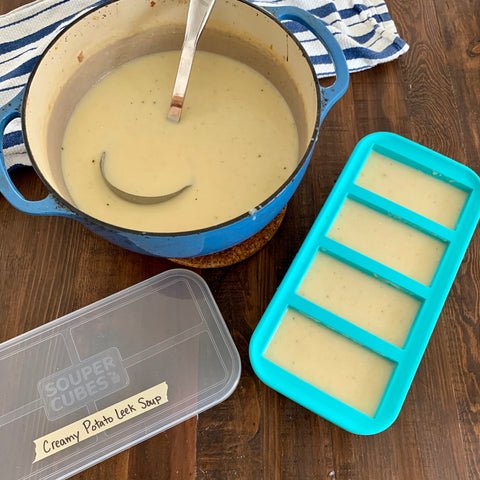
Are you wondering if your delicious potato soup can be saved for later without losing its taste or texture? Freezing soup sounds like a great way to save time and avoid food waste, but not all soups handle the freezer well.
If you’ve ever hesitated to freeze your homemade potato soup because you’re unsure how it will turn out, you’re not alone. You’ll discover exactly what happens to potato soup in the freezer, how to freeze it the right way, and tips to enjoy it just as fresh when you reheat it.
Keep reading to make your cooking and meal planning easier than ever!
Credit: thrivinghomeblog.com
Potato Soup And Freezing Basics
Potato soup is a comforting and hearty dish, perfect for chilly days. Freezing it can save you time and reduce food waste, but not all potato soups freeze equally well. Understanding the basics of freezing potato soup helps you keep its taste and texture intact for future meals.
How Freezing Affects Potato Soup
Freezing changes the texture of potato soup, mainly because potatoes tend to become grainy or watery after thawing. This happens because the water inside the potatoes expands during freezing, breaking down their structure.
Another factor is the presence of dairy like cream or milk. These ingredients can separate or curdle when frozen and reheated, affecting the soup’s smoothness.
Have you ever noticed your frozen soup looking watery on top? That’s the liquid separating from the solids, and a quick stir usually helps bring it back together.
Best Potato Soup Types For Freezing
Soups with a broth base, rather than heavy cream, tend to freeze better. A simple potato and vegetable soup with broth maintains its texture more effectively when frozen.
Soups without added dairy or with dairy added after reheating preserve their flavor and consistency better. Consider freezing the soup base and adding cream or cheese fresh when you reheat it.
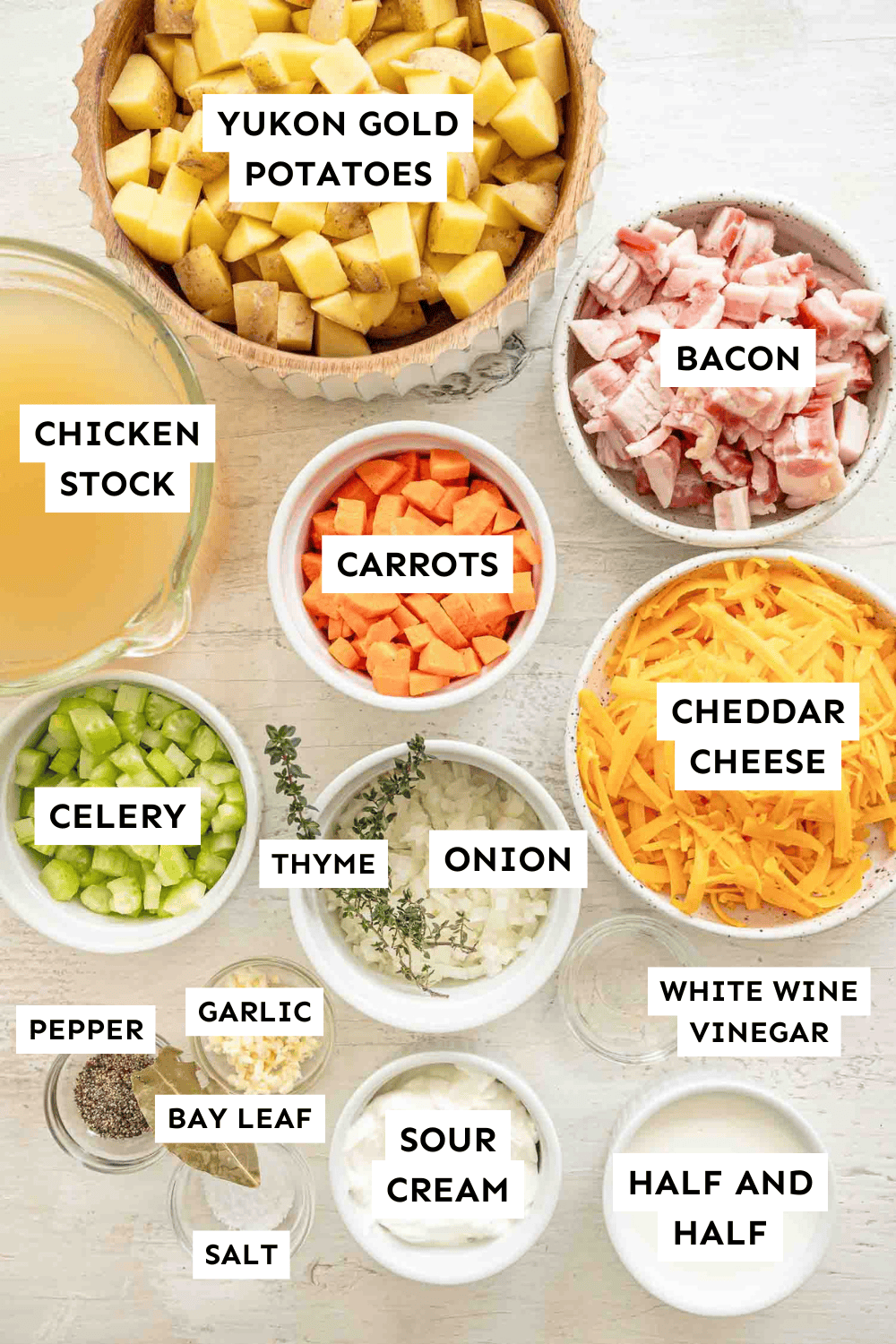
Chunky potato soups with added vegetables like carrots, celery, or onions usually handle freezing well. Pureed or very creamy potato soups might need some adjustment before freezing to avoid texture issues.
Preparing Potato Soup For Freezing
Potato soup can freeze well but may change texture slightly. Cooling it completely before freezing helps keep its taste fresh. Avoid adding cream before freezing to prevent separation.
Preparing potato soup for freezing might seem daunting, but with the right techniques, your soup can maintain its deliciousness. Imagine having a busy week ahead and being able to pull out a comforting bowl of potato soup from the freezer. It’s possible when you prepare it the right way before freezing.Cooling And Portioning Tips
Before freezing, ensure your potato soup is completely cool. Placing hot soup directly in the freezer can cause ice crystals to form, affecting the soup’s quality. Portioning the soup into serving sizes can make it easier to defrost just what you need. Use airtight containers or freezer bags, leaving a little space for expansion as the soup freezes.Avoiding Texture Changes
Potato soup can sometimes change texture when frozen due to the starches in the potatoes. To help prevent this, consider slightly undercooking the potatoes before freezing. Adding a bit of cream or milk before freezing can also help maintain a creamy texture. Remember to stir well when reheating to bring back the original consistency. Do you have a favorite tip or trick for freezing soup? Share your thoughts in the comments!Storage Methods For Potato Soup
Proper storage of potato soup keeps its flavor and texture fresh. Choosing the right containers and labeling them correctly helps maintain quality. These simple steps make reheating easier and prevent waste.
Using Freezer-safe Containers
Select containers made for freezing to avoid leaks and freezer burn. Plastic or glass containers with tight lids work well. Leave some space at the top for the soup to expand when frozen. Avoid storing soup in thin plastic bags that might tear easily.
Portion the soup into small containers for quick thawing. This way, you only defrost what you need. Use containers that stack easily to save freezer space.
Labeling And Dating Tips
Write the soup name and freezing date on each container. Use a permanent marker or freezer tape for clear labels. This helps track how long the soup has been frozen.
Try to use the oldest soup first to reduce waste. Frozen potato soup is best eaten within 2 to 3 months. Proper labeling keeps your freezer organized and your meals safe.
Thawing And Reheating Potato Soup
Thawing and reheating potato soup can be a bit tricky if you want to keep its creamy texture and rich flavor intact. How you handle the soup after freezing has a big impact on the final taste and consistency. Let’s look at some practical ways to thaw and reheat your potato soup so it tastes just as good as when you first made it.
Safe Thawing Techniques
Thawing potato soup safely helps prevent any foodborne illnesses and keeps the soup fresh. The best way is to move the frozen soup from the freezer to the fridge the night before you plan to eat it. This slow thaw keeps the soup at a safe temperature and avoids bacterial growth.
If you’re in a hurry, you can use the microwave’s defrost setting, but be careful not to start cooking the edges while the center is still frozen. Another quick option is to place the soup container in a bowl of cold water, changing the water every 30 minutes until thawed. Avoid leaving soup out on the counter — it’s risky and can spoil the flavor.
Reheating Without Losing Flavor
Reheating potato soup gently is key to preserving its creamy texture and taste. Use a low heat on the stove and stir often to prevent the soup from sticking or burning. Adding a splash of milk or broth while reheating can help restore the original creaminess if the soup seems too thick.
Microwaving works too, but heat in short bursts and stir in between to warm the soup evenly. Have you ever noticed how reheating soup too fast makes it taste flat? Taking your time with reheating keeps those comforting flavors alive.
Common Mistakes To Avoid
Freezing potato soup can be a great way to save time and reduce waste, but there are some common mistakes that can affect the final taste and texture. Avoiding these pitfalls will help you enjoy your soup just as much after thawing as when it’s freshly made. Let’s look at some key errors to watch out for so your soup stays delicious and satisfying.
Freezing Soups With Dairy
Dairy ingredients like cream, milk, or cheese can change texture when frozen. They often separate or become grainy, which can ruin the smoothness of your potato soup.
If your recipe includes dairy, consider these tips:
- Add dairy only after reheating the soup.
- Use alternatives like coconut milk or broth if you plan to freeze the soup long-term.
- Stir well after thawing to help bring the ingredients back together.
Have you ever frozen a creamy soup only to find it curdled? Avoid that disappointment by adjusting when and how you add dairy.
Overcooking Before Freezing
Cooking your potato soup too long before freezing can lead to mushy potatoes and bland flavors. Overcooked potatoes lose their structure, causing the soup to become watery or thick in an unappealing way after thawing.
Keep these points in mind:
- Cook the potatoes just until tender, not falling apart.
- Under-season slightly because flavors can mellow during freezing.
- Cool the soup quickly before freezing to preserve texture and taste.
Think about your last batch of soup—did it feel too thick or watery when reheated? Chances are it was overcooked before freezing. Adjust your cooking time to get the best results.

Credit: heidishomecooking.com
Expert Tips For Best Results
Freezing potato soup can save you time and reduce waste, but getting the best results requires a bit of care. Knowing how to adjust the ingredients before freezing and how to bring back the soup’s flavor after thawing makes a big difference. These expert tips will help you enjoy your soup just as much as when it was freshly made.
Adjusting Ingredients Before Freezing
Potato soup with cream or milk can separate or become grainy after freezing. To avoid this, reduce dairy content before freezing or swap cream for non-dairy alternatives like coconut milk, which freeze better. You can always add fresh cream or milk after reheating.
Potatoes tend to get mushy when frozen, so use waxy potatoes like red or Yukon Gold. Avoid adding thickening agents such as flour or cornstarch before freezing, as they can change texture. Instead, thicken your soup after thawing if needed.
Skip adding fresh herbs or delicate ingredients like green onions before freezing. These lose their flavor and texture during storage. Add fresh herbs right before serving to keep your soup vibrant.
Enhancing Flavor After Thawing
After thawing, your potato soup might taste a bit flat. Try reheating slowly over low heat to prevent curdling and stirring frequently. Fresh seasoning with salt, pepper, or a pinch of smoked paprika can revive the flavors.
Consider adding a splash of fresh lemon juice or a dash of vinegar to brighten the taste. It’s a simple trick that wakes up the flavors without overpowering them. If the soup feels too thick, stir in a bit of broth or water to reach your preferred consistency.
Finally, top your reheated soup with fresh herbs like chives or parsley, and even a sprinkle of cheese or crispy bacon for texture. These finishing touches make the soup feel freshly prepared and delicious again.

Credit: food52.com
Frequently Asked Questions
Does Potato Soup Freeze Well Without Texture Loss?
Yes, potato soup freezes well but may slightly change texture. Use full-fat dairy to reduce graininess after thawing. Stir well when reheating for best consistency and flavor.
How To Freeze Potato Soup Properly For Best Taste?
Cool the soup completely before freezing. Use airtight containers or freezer bags to prevent freezer burn. Label with date and consume within 2-3 months for best flavor.
Can Frozen Potato Soup Be Reheated Safely?
Yes, reheat frozen potato soup thoroughly on the stove or microwave. Stir occasionally to heat evenly. Ensure the soup reaches a safe temperature of 165°F (74°C) before serving.
Does Freezing Affect The Flavor Of Potato Soup?
Freezing may slightly dull the flavor but overall taste remains good. Adding fresh herbs or a splash of cream after thawing can enhance flavor.
Conclusion
Potato soup freezes well when stored properly in airtight containers. Avoid freezing soup with cream or milk to keep texture smooth. Cool soup completely before freezing to prevent ice crystals. Thaw it slowly in the fridge for best results. Reheat gently on the stove, stirring often.
Frozen potato soup saves time and reduces food waste. Try freezing small portions for easy meals later. Keep these tips in mind for tasty, ready-to-eat soup anytime. Simple steps make your potato soup freeze well every time.

Hi, I’m Daniel Brooks—a food lover and kitchen gear enthusiast. I enjoy testing cookware, utensils, and gadgets to see what really works in everyday cooking. At PlugChef.com, I share honest reviews, comparisons, and simple guides to help you choose the best tools for a safer, smarter, and more enjoyable kitchen.
Related posts:
 What Type of Cooking Utensils are Safe: Expert Picks
 What Innovations Could Blenders Make: Unleashing Future Tech
 Smart Strategies to Organize a Small Kitchen: Maximize Space
 How to Organize a Kitchen Cabinet: Expert Tips & Tricks
 How to Organize Kitchen Drawers: Expert Tips and Tricks
 How to Organize a Corner Kitchen Cupboard: Expert Tips

