
Have you ever wondered how to make crunchy, flavorful dill pickles right at home? Using dill seed is a simple secret that can take your pickling game to the next level.
Whether you’re a beginner or have tried pickling before, this guide will help you create delicious dill pickles that your family and friends will love. Ready to discover how a small seed can make a big difference? Keep reading and get ready to transform your kitchen into a pickle paradise!
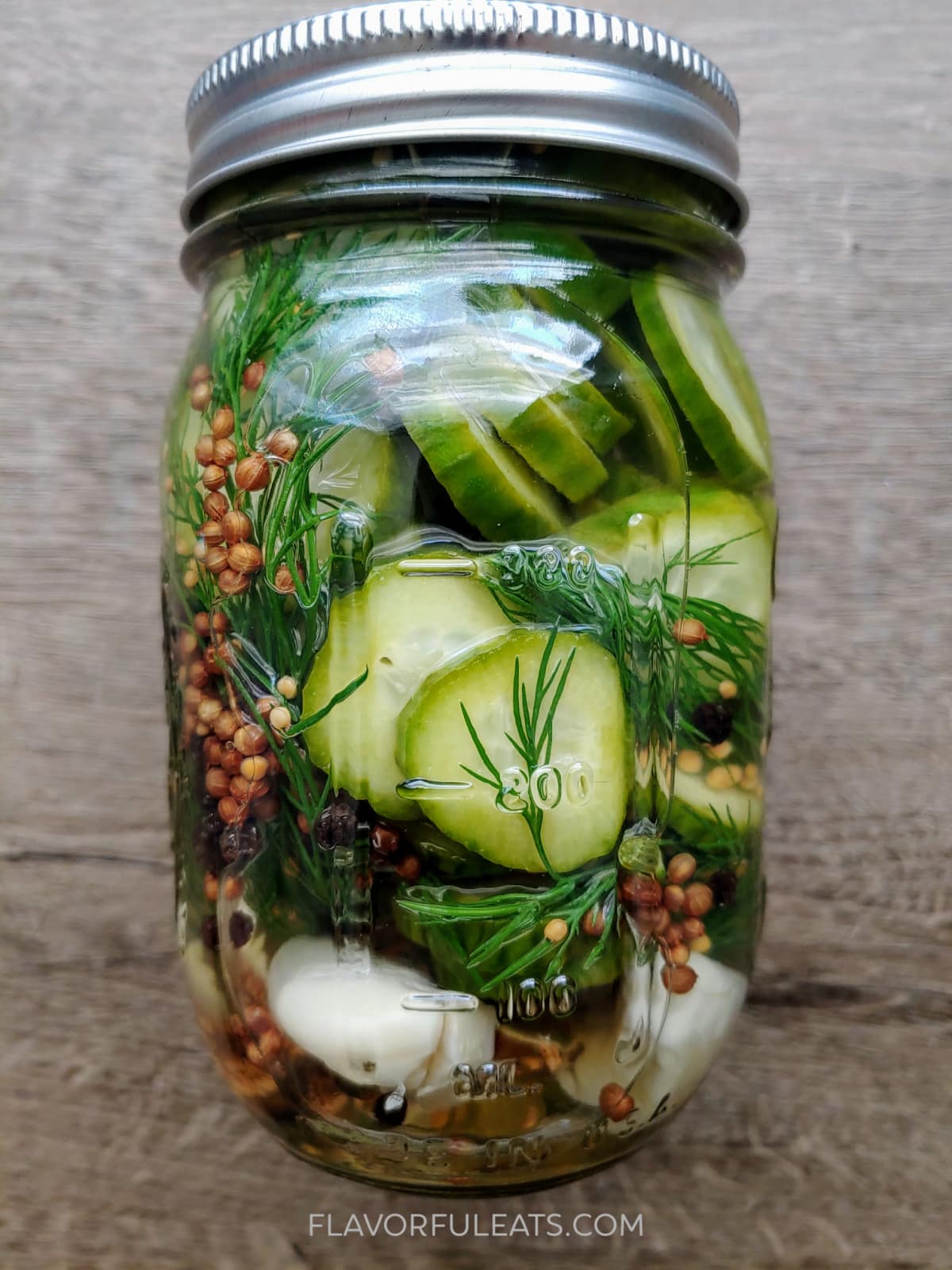
Credit: flavorfuleats.com
Choosing Dill Seeds
Choosing the right dill seeds is key for making tasty dill pickles. The seeds influence the flavor and aroma of your pickles. Picking good quality seeds helps you get the best results every time.
Types Of Dill Seeds
Dill seeds come in several varieties. Each type has a slightly different taste and size. Common types include:
- Common dill seeds – strong, classic dill flavor
- Wild dill seeds – milder taste, often used for cooking
- Hybrid dill seeds – bred for bigger seeds and stronger flavor
Choose a type that matches the flavor you want in your pickles.
Where To Buy Quality Seeds
Quality seeds make a big difference. Buy from trusted sources like:
- Specialty spice shops
- Organic food stores
- Reputable online seed suppliers
Check for fresh packaging and avoid old or damaged seeds. Fresh seeds give better taste and aroma.
Fresh Vs. Dried Seeds
Fresh dill seeds offer a brighter, more intense flavor. Dried seeds last longer but can lose some aroma.
For pickling, fresh seeds are ideal. They add a crisp, strong dill taste. Dried seeds work well if fresh are unavailable.
Store seeds in airtight containers to keep them fresh longer.
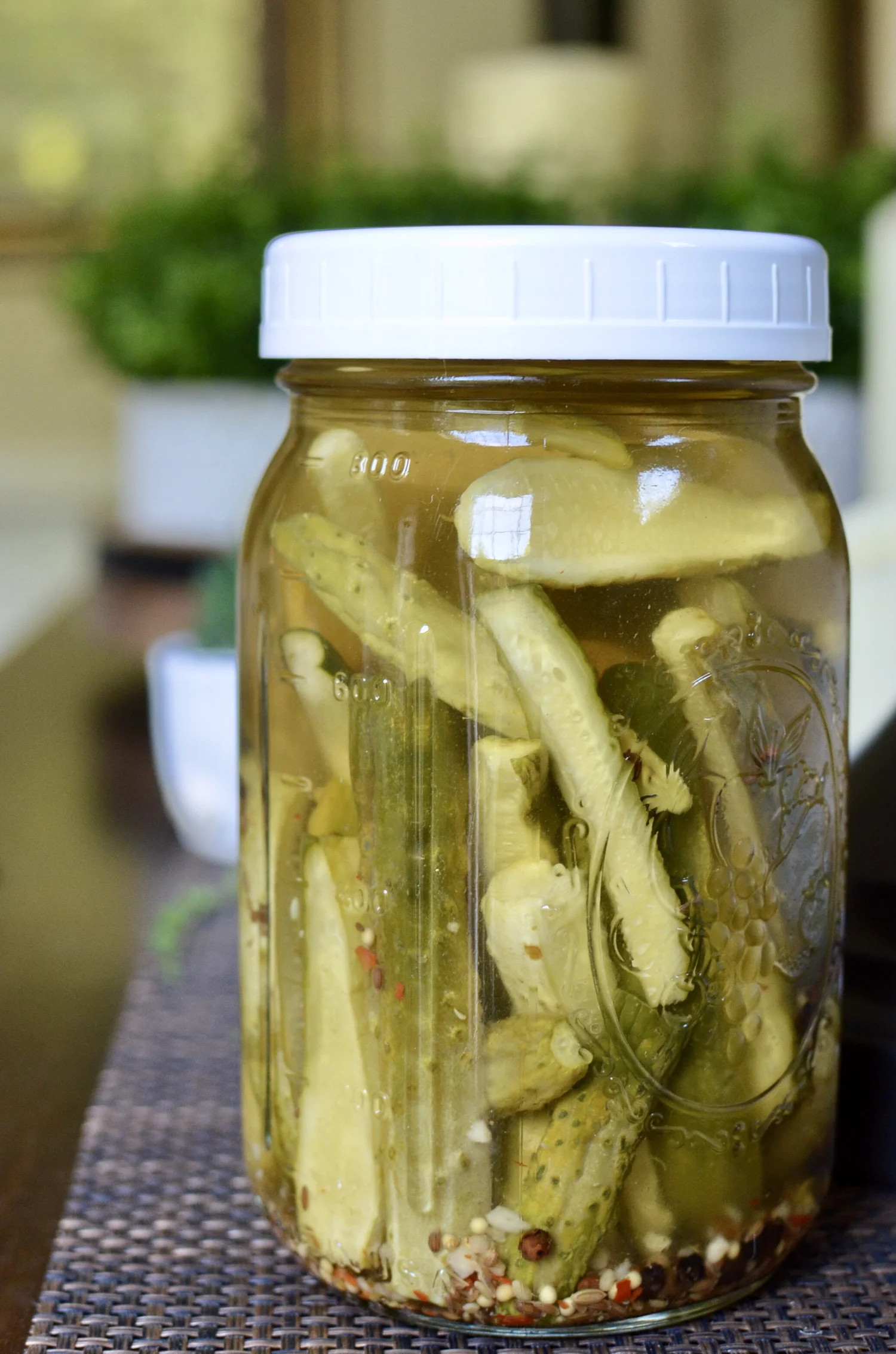
Credit: www.butteryum.org
Preparing The Brine
Mix water, vinegar, salt, and dill seeds in a pot. Heat gently until salt dissolves. Let the brine cool before pouring over cucumbers.
Preparing the brine for dill pickles is a crucial step that can make or break your pickling adventure. The right balance of ingredients ensures that each pickle is bursting with flavor. Whether you’re a seasoned pickler or a curious beginner, understanding how to prepare the perfect brine will elevate your homemade dill pickles to the next level.Essential Ingredients
Creating a flavorful brine requires just a few essential ingredients. You’ll need water, vinegar, and salt as the base. Dill seed is the star here, infusing the pickles with that classic flavor. Consider using fresh garlic and peppercorns for added depth. Feel free to experiment with mustard seeds or coriander for a unique twist. Each ingredient plays a pivotal role in the final taste.Balancing Salt And Vinegar
The ratio of salt to vinegar is vital. Too much salt can overpower, while too little vinegar won’t preserve the pickles properly. A common starting point is a 1:1 ratio of vinegar to water, with about 2 tablespoons of salt per quart of liquid. Taste your brine before adding it to the jars. Is it too sour, or does it lack that tangy kick? Adjust until you find the perfect balance for your palate.Adding Flavor Enhancers
Enhancing the brine with additional flavors can transform your pickles from standard to spectacular. Add a bay leaf or two for an aromatic touch. If you like a bit of heat, toss in a few red pepper flakes. Think about what flavors you love. Perhaps a pinch of sugar to balance the acidity? Or a sprig of fresh dill for that garden-fresh essence? Customize your brine to suit your taste and watch your dill pickles shine. Have you ever thought about what makes your favorite pickles so irresistible? It’s all about the brine. Start experimenting with these tips, and soon, you’ll be crafting pickles that rival even the most beloved store-bought varieties.Selecting Cucumbers
Selecting the right cucumbers is essential for making crisp and flavorful dill pickles using dill seed. The cucumber you choose affects the texture and taste of your pickles more than you might think. Paying attention to variety, size, and freshness can make a big difference in your final batch.
Best Varieties For Pickling
Not all cucumbers are created equal for pickling. Pickling cucumbers like Boston Pickling, Kirby, and National Pickling varieties have thinner skins and fewer seeds, which help keep your pickles crunchy.
These varieties absorb the dill seed flavors well without becoming mushy. Have you tried different cucumber types in your pickles? You might find your favorite by experimenting with these popular options.
Size And Freshness Tips
Look for cucumbers that are small to medium-sized, about 3 to 5 inches long. Smaller cucumbers tend to have firmer flesh and produce better texture in pickles.
Freshness is key—choose cucumbers that are bright green, firm to the touch, and free from blemishes or soft spots. Using cucumbers that are just picked can elevate the crispness and overall flavor of your dill pickles.
Before pickling, snap off the blossom end to prevent soft spots. Have you noticed how freshness directly impacts your pickle crunch? It’s a simple step that yields big results.
Pickling Process
The pickling process is where the magic happens, turning fresh cucumbers into crunchy, flavorful dill pickles. It’s a simple series of steps, but each one affects the final taste and texture. Paying close attention to details like sterilizing jars and layering dill seeds can make your homemade pickles stand out.
Sterilizing Jars
Sterilizing your jars is essential to keep your pickles safe and fresh. You can boil the jars and lids in water for 10 minutes or run them through a hot dishwasher cycle. This step kills any bacteria that could spoil your pickles.
Have you ever had pickles go bad quickly? Skipping sterilization might be why. It’s a small effort that protects your entire batch.
Layering Dill Seeds And Spices
Start by placing dill seeds at the bottom of each jar. These seeds release a subtle, aromatic flavor that defines dill pickles. Adding other spices like garlic cloves, peppercorns, or mustard seeds enhances the taste even more.
Think about how a good seasoning mix can transform a dish; the same goes for pickles. Layer your spices carefully to ensure every bite bursts with flavor.
Packing Cucumbers Tightly
Pack your cucumbers tightly into the jars to prevent floating and ensure even pickling. Leaving too much air space can cause uneven fermentation and soft spots. Use small pickling cucumbers for the best crunch.
Have you noticed some pickles turning mushy? It often happens when cucumbers aren’t packed properly. A snug fit keeps them crisp and delicious throughout the process.
Fermentation Vs. Quick Pickling
Choosing between fermentation and quick pickling changes how your dill pickles taste, feel, and even how long they last. Both methods use dill seed to bring out that classic flavor, but the processes and results are quite different. Understanding these differences helps you pick the best way to make your perfect dill pickles.
Benefits Of Fermentation
Fermentation turns cucumbers into dill pickles through a natural process where friendly bacteria break down sugars. This method boosts the health benefits by creating probiotics that support your gut. Plus, fermented pickles often last longer without refrigeration compared to quick pickles.
Fermentation also deepens the flavor over time, making each bite more complex. It’s a slower process—sometimes taking weeks—but the payoff is rich, tangy pickles with a satisfying crunch. Have you ever noticed how fermented foods seem to have a flavor that’s hard to replicate with shortcuts?
Speed Of Quick Pickling
Quick pickling skips the wait by using vinegar, salt, and dill seed to instantly flavor cucumbers. This method lets you enjoy dill pickles in just a few hours or days. It’s perfect when you want fresh, crisp pickles fast without the need for special jars or temperatures.
Quick pickles don’t develop probiotics, but they still bring a bright, sharp taste to your snacks. If you’ve ever needed a last-minute pickle for a sandwich or salad, quick pickling is your go-to. How often do you find yourself wanting a quick pickle fix?
Taste Differences
Fermented dill pickles have a tangy, slightly sour flavor that deepens with time. The fermentation process creates a unique, complex taste that vinegar alone can’t match. They tend to be less sharp but more layered in flavor.
Quick pickles deliver a crisp, vinegary punch right away, with the dill seed adding fresh herbal notes. Their flavor stays consistent and straightforward, making them great for immediate use. Which flavor profile do you think would suit your meals better—complex and tangy or bright and sharp?
Storage And Aging
Proper storage and aging are key to making flavorful dill pickles using dill seed. The right conditions help the flavors develop fully and keep the pickles crisp. Patience during aging brings out the best taste and texture.
Ideal Temperature And Conditions
Store pickles in a cool, dark place. The temperature should stay between 50°F and 70°F (10°C to 21°C). Avoid direct sunlight and extreme heat. A cellar or pantry works well. Keep jars sealed tightly to prevent air from entering. This stops spoilage and keeps the brine fresh.
How Long To Wait
Wait at least 1 to 2 weeks before tasting your pickles. This gives dill seed time to infuse its flavor. For stronger taste, wait 4 to 6 weeks. Longer aging deepens the flavor but may soften the cucumbers. Check pickles often after two weeks to find your preferred taste.
Signs Of Perfect Pickles
- Bright, vibrant green color
- Firm and crunchy texture
- A fresh, tangy aroma with dill scent
- Balanced sourness without off smells
- Clear brine without cloudiness
These signs show your dill seed pickles are ready to enjoy. Store them in the refrigerator after opening to keep them fresh longer.
Troubleshooting Common Issues
Troubleshooting common issues with dill pickles made using dill seed can save you from disappointment and wasted ingredients. Small mistakes in the process can lead to soft textures, mold growth, or off flavors. Understanding how to identify and fix these problems helps ensure your pickles turn out crisp, tasty, and safe to eat every time.
Avoiding Soft Pickles
Soft pickles usually result from insufficient crisping agents or overripe cucumbers. Adding a bit of grape leaves or a pinch of calcium chloride can help maintain crunchiness. Also, make sure to use fresh, firm cucumbers and keep the pickling time within the recommended range.
Have you noticed your pickles turning mushy despite following the recipe? It might be due to warm storage temperatures. Keep your jars in a cool, dark place to preserve firmness longer.
Handling Mold And Cloudy Brine
Mold on the surface or cloudy brine often signals poor sealing or contamination. Always sterilize your jars and lids thoroughly before use. If mold appears, discard the batch to avoid health risks—it’s not worth the gamble.
Cloudy brine can also result from natural fermentation, especially if wild yeasts are present. To minimize this, use filtered water and maintain the right salt concentration. Are you checking your brine regularly? Early detection can prevent larger problems.
Fixing Off Flavors
Off flavors in pickles can come from old spices, improper salt, or contaminated water. Always use fresh dill seed and quality pickling salt, avoiding iodized or table salt. Rinsing cucumbers before pickling can reduce unwanted bitterness.
If your pickles taste too sour or bitter, adjusting the vinegar type or quantity can help. Balancing acidity is key—too much vinegar overwhelms, too little invites spoilage. What vinegar do you prefer for your pickles, and how does it affect the final taste?
Creative Variations
Creative variations with dill pickles using dill seed can transform a simple recipe into something uniquely yours. Experimenting with different flavors keeps your pickling adventures exciting and lets you discover new favorites. Ready to spice up your next batch? Let’s look at some tasty ideas.
Adding Garlic And Spices
Garlic adds a punch of flavor that complements the herbal notes of dill seed perfectly. Try adding whole garlic cloves or crushed garlic to your brine for an extra kick.
Other spices like black peppercorns, mustard seeds, and coriander seeds can deepen the flavor profile. I once added a cinnamon stick to a batch, and it gave the pickles a surprising warmth that my family loved.
Don’t be afraid to mix and match spices to find your favorite blend. What spices do you have on hand that might add a new twist?
Sweet Vs. Sour Styles
You can adjust the sugar and vinegar levels to create sweet or sour pickles. Sweet pickles usually have more sugar and a milder vinegar taste.
Sour pickles lean heavily on vinegar, giving a sharp tang that wakes up your taste buds. I enjoy sour pickles as a snack, but my friends prefer sweet ones on their sandwiches.
Think about your personal taste—do you crave a sweet crunch or a tangy bite? Try making small batches of each style to see which suits you best.
Using Other Herbs
Dill seed is fantastic, but other herbs can add fresh layers of flavor. Adding fresh thyme, rosemary, or even bay leaves changes the aroma and taste of your pickles.
Fresh herbs can be tucked into the jar or steeped in the brine for a stronger impact. Last summer, I added fresh tarragon, and the subtle anise flavor was a game changer.
Which herbs do you enjoy cooking with that might pair well with dill seed? Experimenting with herbs can turn every jar into a new experience.
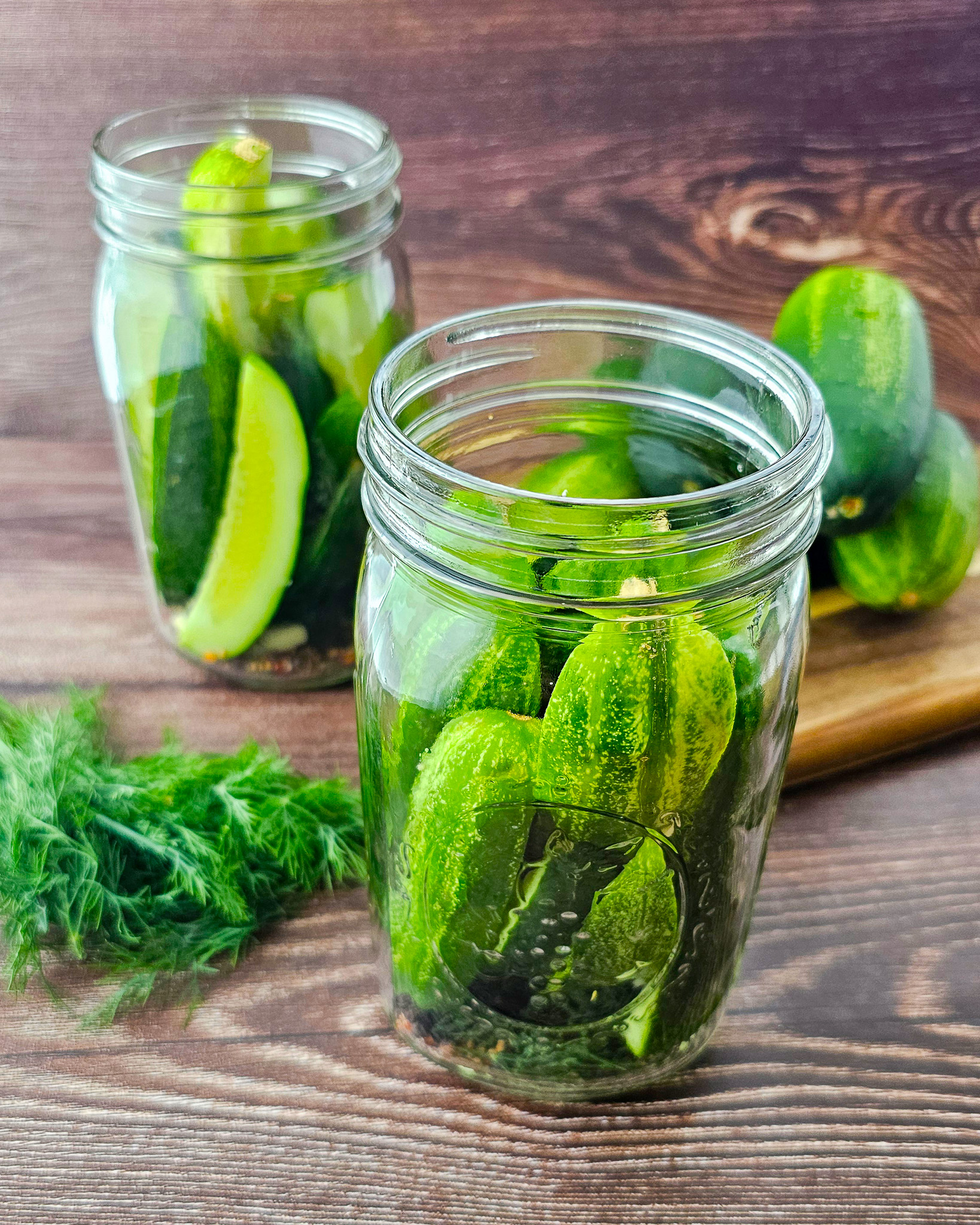
Credit: womenoftoday.com
Frequently Asked Questions
What Are The Benefits Of Using Dill Seed In Pickles?
Dill seed adds a distinct, earthy flavor to pickles. It enhances aroma and taste. Dill seed also has antimicrobial properties that help preserve pickles naturally.
How Do Dill Seeds Affect Pickle Flavor?
Dill seeds impart a warm, slightly bitter, and aromatic flavor. They balance the sourness of vinegar, making pickles more flavorful and enjoyable.
Can I Substitute Dill Seed For Fresh Dill In Pickles?
Yes, dill seeds can replace fresh dill. Seeds provide a stronger, spicier flavor. Use about half the amount of seeds compared to fresh dill.
How Much Dill Seed Is Needed For Pickling Cucumbers?
Typically, 1 to 2 teaspoons of dill seed per quart of cucumbers is ideal. Adjust quantity based on taste preference and recipe size.
Conclusion
Dill seeds add a unique flavor to homemade pickles. They give your pickles a fresh, tangy taste. Making dill pickles with dill seeds is simple and fun. You can enjoy crunchy pickles anytime at home. Try this easy recipe and see the difference.
Fresh ingredients and dill seeds make all the difference. Pickling at home saves money and tastes great. Give it a try and enjoy your tasty dill pickles!

Hi, I’m Daniel Brooks—a food lover and kitchen gear enthusiast. I enjoy testing cookware, utensils, and gadgets to see what really works in everyday cooking. At PlugChef.com, I share honest reviews, comparisons, and simple guides to help you choose the best tools for a safer, smarter, and more enjoyable kitchen.
Related posts:
 What Type of Cooking Utensils are Safe: Expert Picks
 What Innovations Could Blenders Make: Unleashing Future Tech
 Smart Strategies to Organize a Small Kitchen: Maximize Space
 How to Organize a Kitchen Cabinet: Expert Tips & Tricks
 How to Organize Kitchen Drawers: Expert Tips and Tricks
 How to Organize a Corner Kitchen Cupboard: Expert Tips

