
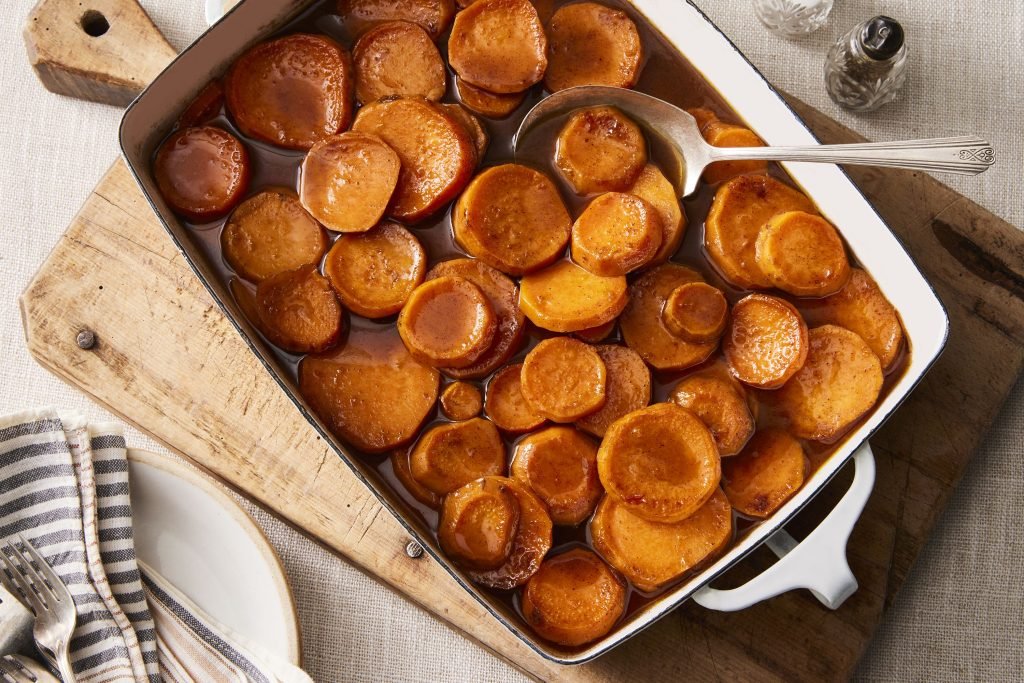
Are you ready to discover the best recipe for candied yams that will make your taste buds dance? Imagine sweet, tender yams coated in a rich, sticky glaze that melts in your mouth with every bite.
This dish is perfect for family dinners, holiday feasts, or any time you crave a comforting treat. By the end of this article, you’ll have an easy, foolproof recipe that turns simple yams into a mouthwatering delight. Keep reading, and get ready to impress everyone at your table!
Choosing The Right Yams
Choosing the right yams is key to making delicious candied yams. The texture, sweetness, and moisture content of yams affect the final dish. Picking the right type and freshness ensures your recipe turns out perfect every time.
Not all yams are the same. Different varieties offer unique flavors and textures. Knowing which type suits candied yams helps enhance taste and appearance.
Sweet Potato Varieties
True yams are rare in most grocery stores. Most often, sweet potatoes are used for candied yams. The best types include:
- Orange-fleshed sweet potatoes:Soft, sweet, and moist. They caramelize well and taste rich.
- White-fleshed sweet potatoes:Less sweet with a firmer texture. They hold shape better but need more sugar.
- Japanese sweet potatoes:Dense and sweet with a dry texture. They add a unique flavor to the dish.
Choose the type that fits your texture preference and sweetness level.
Freshness Tips
Fresh yams make candied yams more flavorful and tender. Check for these signs:
- Firm skin without wrinkles or soft spots
- No sprouts or green discoloration
- Smooth surface, free of cuts or bruises
- Heavy for their size, indicating moisture
Store yams in a cool, dark place. Avoid refrigeration to keep them fresh longer. Using fresh yams leads to a sweeter, silkier dish.
Credit: themodernproper.com
Essential Ingredients
Sweet yams, brown sugar, and butter create the perfect base for candied yams. Cinnamon and nutmeg add warm, cozy flavors. A touch of vanilla and salt balance the sweetness beautifully.
Candied yams are a beloved dish that brings a touch of sweetness to any meal. The secret to creating the perfect candied yams lies in the selection of essential ingredients. These ingredients work together to create a harmony of flavors that can transform simple yams into a delectable treat.Sweeteners And Spices
The choice of sweeteners is crucial. Brown sugar is often the go-to, providing a rich, molasses-like flavor that complements the natural sweetness of yams. Some prefer to use a mix of brown sugar and honey for an added layer of complexity. Spices are the unsung heroes. Cinnamon is a staple, offering warmth and depth. Nutmeg or a pinch of cloves can add a hint of spice, elevating the dish to something truly special. Have you ever tried adding a touch of vanilla extract? It can enhance the aroma, making your kitchen smell heavenly.Butter And Extras
Butter is essential for creating a luscious, silky texture. It helps meld all the flavors together while adding a rich, creamy element to the dish. Unsalted butter is recommended to control the saltiness of the final product. For an extra kick, consider adding a splash of orange juice or zest. It introduces a fresh, citrusy note that cuts through the sweetness, balancing the overall taste. Pecans or walnuts can add a delightful crunch, making each bite more exciting. Finding the right combination of these ingredients can be a personal journey. Have you experimented with different spices or extras in your candied yams? Let your creativity guide you to discover the perfect blend that suits your taste.Preparation Steps
Preparing candied yams starts with simple but important steps. These ensure the yams cook evenly and absorb the sweet flavors well. Careful preparation leads to a soft, flavorful dish.
Peeling And Slicing
First, wash the yams under cold water to remove dirt. Use a sharp peeler to remove the skin completely. Slice the yams into even pieces, about one-half inch thick. Uniform slices help the yams cook at the same rate.
Soaking And Softening
Place the yam slices in a bowl of cold water. Let them soak for about 30 minutes to remove excess starch. This step makes the yams tender and less sticky after cooking. Drain the water and pat the slices dry with a clean towel before cooking.
Cooking Techniques
Candied yams taste best when cooked with care and the right technique. The cooking method affects texture and flavor. Choose a technique that fits your time and equipment. Both stovetop and oven methods create delicious results. Each method has unique steps that enhance the yams’ sweetness and softness.
Stovetop Method
This method is quick and keeps yams tender. Start by peeling and slicing yams evenly. Boil them in water until almost soft. Drain the water well to avoid sogginess.
Use a skillet or pot to melt butter and mix in brown sugar, cinnamon, and a pinch of salt. Stir gently until the sugar dissolves and forms a syrup. Add the yams back to the pan and cook on low heat.
- Coat yams evenly with the syrup
- Simmer gently to absorb flavors
- Stir carefully to prevent breaking
Cook until the sauce thickens and clings to the yams. This method results in a rich, syrupy coating and soft texture.
Oven-baking Approach
Baking yams brings out deep caramel flavors. Peel and slice yams into uniform pieces. Place them in a baking dish and sprinkle with butter, brown sugar, and spices.
Cover the dish with foil to keep moisture inside. Bake at 350°F (175°C) for about 45 minutes. Remove the foil halfway through baking to let the sauce thicken and caramelize.
- Even heat cooks yams through
- Caramelization adds a golden color
- Soft, tender inside with slightly crisp edges
This approach is great for hands-off cooking and rich flavors. The slow baking makes yams melt in your mouth.
Creating The Perfect Glaze
The glaze on candied yams is the magic that turns simple sweet potatoes into a festive, mouthwatering dish. It should be glossy, sticky, and perfectly balanced to complement the natural sweetness of the yams. Getting the glaze right means paying close attention to both the flavor and texture.
Balancing Sweetness
Too much sugar can make your glaze overly sticky and cloying. Too little, and the yams might taste bland. Use a mix of brown sugar and a touch of honey or maple syrup to create a rich, layered sweetness that isn’t overpowering.
Try starting with a base of brown sugar and then add small amounts of sweeteners gradually. Taste as you go—this helps you control the level of sweetness and prevents surprises at the end.
Adding Depth With Spices
Spices bring warmth and complexity to your glaze. Cinnamon and nutmeg are classics, but don’t hesitate to add a pinch of ground ginger or cloves to give the glaze a subtle kick.
Think about the flavor profile you enjoy most. Do you prefer a spicy warmth or a mild, aromatic touch? Adjust the spices accordingly, but keep them balanced so they enhance rather than overpower the yams.

Credit: www.youtube.com
Serving Suggestions
Serving candied yams is more than just plating a side dish; it’s about enhancing the experience and making every bite memorable. How you present and pair them can change the whole meal dynamic. Let’s dive into ways you can elevate your candied yams to impress every guest at your table.
Garnishing Ideas
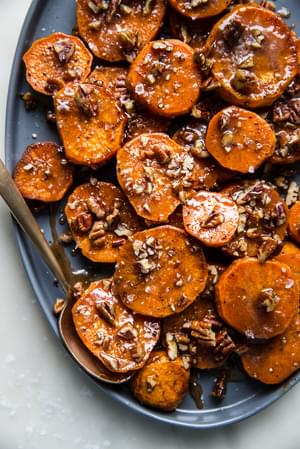
Adding the right garnish can bring texture, color, and extra flavor to your candied yams. A sprinkle of chopped toasted pecans or walnuts adds a satisfying crunch that contrasts beautifully with the soft yams.
Try fresh herbs like a few sprigs of rosemary or thyme to introduce a subtle earthiness that balances the sweetness. A dash of cinnamon or nutmeg on top also enhances the warm, cozy flavors. Have you ever thought about a light drizzle of maple syrup or honey just before serving? It can add a glossy finish and a little extra sweetness that makes each bite shine.
Pairing With Main Dishes
Candied yams work wonderfully alongside a variety of main dishes, but some pairings truly stand out. Rich and savory meats like roasted turkey or glazed ham complement the sweet and buttery notes of the yams perfectly.
Consider serving them with a spiced pork loin or grilled chicken for a balanced plate. If you’re aiming for a vegetarian meal, candied yams pair well with hearty grain bowls or lentil stews, adding a sweet counterpoint to earthy flavors.
What’s your go-to main dish when you make candied yams? Experiment with contrasting flavors to find new favorites that surprise and delight your palate.
Tips For Storing And Reheating
Storing and reheating candied yams properly keeps them tasty and fresh. The right steps help maintain their sweetness and texture. Avoid dryness or sogginess by following simple tips. These tricks make your leftovers as good as the first time.
Keeping Yams Fresh
Store candied yams in an airtight container. Keep them in the refrigerator to slow spoilage. Use within 3 to 5 days for best flavor. Avoid leaving yams out at room temperature too long. Cool yams completely before sealing to prevent moisture build-up.
Reheating Without Losing Flavor
Reheat candied yams gently to keep their taste. Use an oven or microwave with care. For the oven, cover yams with foil and heat at 325°F (165°C) for 15-20 minutes. Stir halfway to warm evenly.
Microwave on medium power for 1-2 minutes. Check and stir to avoid hot spots. Add a splash of water or orange juice to keep moisture. Avoid overheating, which can dry yams out.
Common Mistakes To Avoid
Mastering candied yams means knowing what pitfalls to avoid. Small mistakes can turn your perfect dish into something less enjoyable. Let’s look at the common errors that can throw off your results and how to steer clear of them.
Overcooking
Overcooked yams lose their texture and become mushy, which ruins the contrast with the sweet glaze. It’s tempting to cook them longer to soften them, but patience is key here.
Check your yams early by piercing them with a fork. They should be tender but still hold their shape. Have you ever ended up with a syrupy mess instead of nicely glazed yams? That’s often the result of overcooking.
Try setting a timer and keep a close eye during the final minutes. Removing them as soon as they’re soft but intact will give you the best texture.
Too Much Sweetener
It’s easy to get carried away with sugar, honey, or syrup, thinking more sweetness means better flavor. But too much sweetener can overpower the natural yam taste and make the dish cloying.
Balance is crucial. Use just enough sweetener to enhance without drowning the dish. Have you noticed how a touch of cinnamon or nutmeg can add warmth without extra sugar?
Experiment with reducing sugar gradually and adding spices or a splash of citrus juice to brighten the flavor. Your taste buds will thank you for a well-balanced candied yam dish.

Credit: www.spillingthesweettea.com
Frequently Asked Questions
What Ingredients Make The Best Candied Yams Recipe?
The best candied yams use fresh sweet potatoes, brown sugar, butter, cinnamon, and a pinch of nutmeg. These ingredients create a rich, sweet, and flavorful dish perfect for holiday meals or comfort food.
How Long Should Candied Yams Be Baked?
Candied yams should bake for 45 to 60 minutes at 350°F. This ensures they become tender and the sugar glaze thickens beautifully for a perfect caramelized finish.
Can I Prepare Candied Yams In Advance?
Yes, you can prepare candied yams a day ahead. Store them covered in the refrigerator and reheat gently before serving to maintain their sweetness and texture.
What Is The Difference Between Yams And Sweet Potatoes?
Yams are starchy and dry, while sweet potatoes are sweeter and moist. Most recipes for candied yams actually use sweet potatoes for their natural sweetness and texture.
Conclusion
Candied yams bring warmth and sweetness to any meal. This recipe is simple and uses easy ingredients. You can make it for family dinners or special occasions. The soft yams and rich syrup create a tasty dish everyone will enjoy.
Try this recipe to add a classic, comforting side to your table. Cooking it yourself lets you control the flavor and sweetness. Enjoy the cozy taste of homemade candied yams anytime.

Hi, I’m Daniel Brooks—a food lover and kitchen gear enthusiast. I enjoy testing cookware, utensils, and gadgets to see what really works in everyday cooking. At PlugChef.com, I share honest reviews, comparisons, and simple guides to help you choose the best tools for a safer, smarter, and more enjoyable kitchen.
Related posts:
 What Type of Cooking Utensils are Safe: Expert Picks
 What Innovations Could Blenders Make: Unleashing Future Tech
 Smart Strategies to Organize a Small Kitchen: Maximize Space
 How to Organize a Kitchen Cabinet: Expert Tips & Tricks
 How to Organize Kitchen Drawers: Expert Tips and Tricks
 How to Organize a Corner Kitchen Cupboard: Expert Tips

