
Have you ever struggled to clean your enamel pot and ended up scrubbing for hours with little success? You’re not alone.
Enamel pots look beautiful, but they can be tricky to keep spotless. If you want your pot to shine like new without damaging it, you need the right cleaning tips. Keep reading, and you’ll discover simple, effective ways to make your enamel pot spotless again—quickly and easily.
Your kitchen deserves it, and so do you.
Choosing The Right Cleaning Tools
Choosing the right cleaning tools is crucial to keep your enamel pot looking pristine. The wrong tools can scratch or damage the delicate surface, ruining both its appearance and functionality. Let’s focus on what tools work best and which ones you should avoid to protect your enamel pot.
Soft Sponges And Cloths
Using soft sponges or cloths is the safest way to clean your enamel pot. They gently remove dirt and residue without scratching the surface.
Microfiber cloths work especially well because they trap dirt and grease effectively. You can also use a soft kitchen sponge—just avoid the rough, abrasive side.
Have you noticed how a gentle wipe often cleans better than harsh scrubbing? It’s true—soft tools preserve the shine and smoothness of your pot.
Avoiding Abrasive Materials
Abrasive materials like steel wool, rough scrubbers, or harsh brushes can cause irreversible damage to enamel. They leave scratches that can trap food and make cleaning harder next time.
Even some powdered cleaners contain abrasive particles. Check labels carefully and choose non-abrasive formulas.
Think about it: Is it worth risking your pot’s surface just to remove a stubborn stain? Using gentle cleaning agents and tools saves you money and frustration in the long run.
Basic Cleaning Techniques
Cleaning enamel pots is simple with basic techniques. These methods ensure your pot stays pristine and functional. Follow these easy steps for effective cleaning.
Washing With Warm Soapy Water
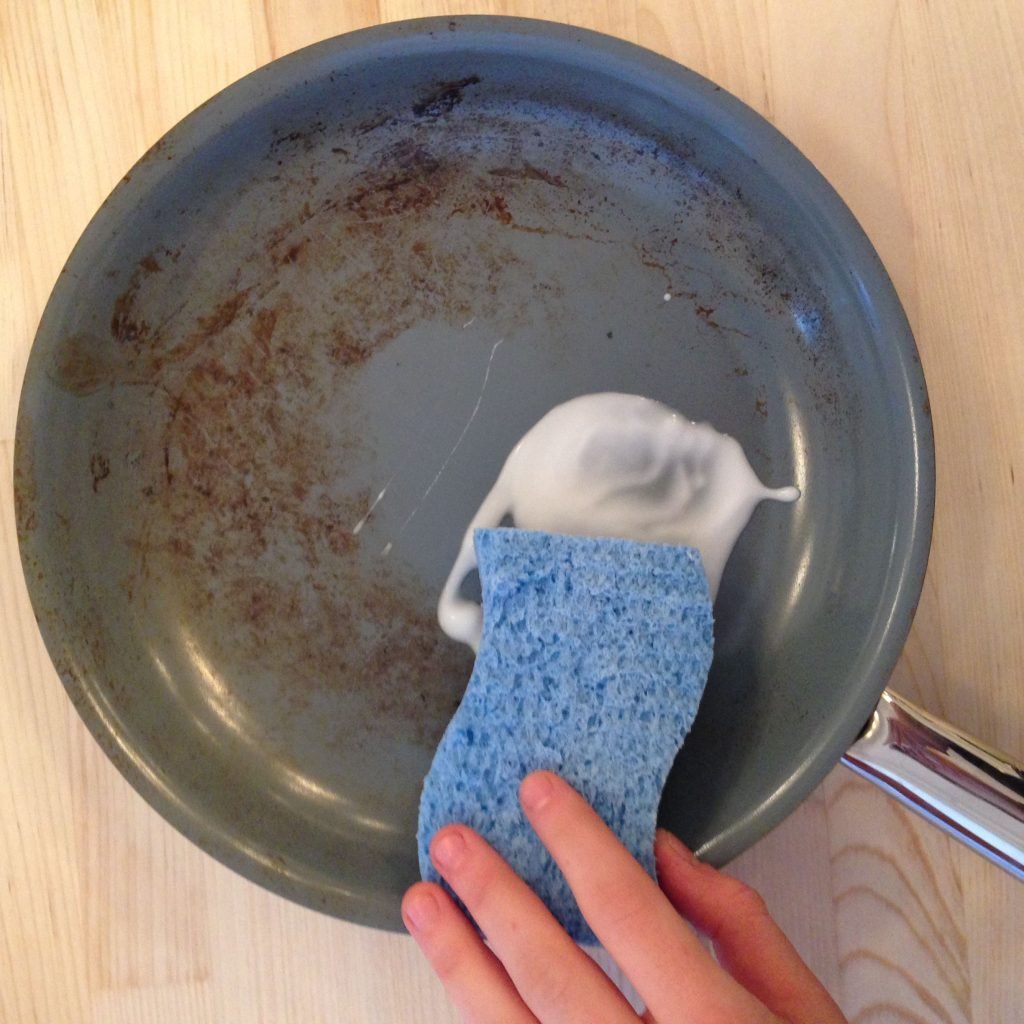
Fill the sink with warm water. Add a few drops of dish soap. Use a soft sponge to wash the pot gently. Avoid abrasive pads that scratch the enamel surface. Scrub away food residues and stains. For stubborn spots, soak the pot for a few minutes.
Rinsing And Drying Properly
Rinse the pot thoroughly with clean water. Ensure no soap remains on the surface. Dry the pot completely with a soft towel. Leaving it wet can cause water spots. Store the pot in a dry place after cleaning.
Removing Stubborn Stains
Stubborn stains on enamel pots can be frustrating, especially when regular washing just doesn’t cut it. These marks often come from burnt food or mineral deposits that settle deep into the surface. Tackling these stains effectively requires a bit of patience and the right cleaning agents that won’t damage your pot’s finish.
Using Baking Soda Paste
Baking soda is a gentle abrasive that can lift stains without scratching enamel. Mix baking soda with a small amount of water to create a thick paste. Apply this paste directly onto the stained areas and let it sit for about 15 to 20 minutes.
After waiting, use a soft sponge or cloth to scrub the stains gently. You’ll notice the paste darkening as it absorbs grime. Rinse thoroughly with warm water and dry your pot with a clean towel.
Have you ever tried baking soda on other kitchen stains? It’s surprisingly effective and safe for many surfaces, making it a reliable go-to for stubborn enamel stains.
Applying Vinegar Solutions
Vinegar is acidic, which makes it perfect for breaking down mineral build-up and burnt-on food. Dilute white vinegar with an equal part of water and pour the solution into your pot, enough to cover the stained spots.
Heat the pot on low for about 10 minutes, allowing the vinegar solution to loosen the stains. After cooling, use a soft brush or cloth to scrub away the residues. Rinse well to remove any vinegar smell.
Would you believe that a simple kitchen staple like vinegar can replace harsh chemical cleaners? It’s a natural option that’s gentle on enamel and your wallet.

Credit: dwellingonthepast.ca
Dealing With Burnt Residue
Burnt residue on enamel pots can be stubborn and frustrating. It often forms after cooking at high heat or forgetting the pot on the stove for a bit too long. Tackling this mess doesn’t have to damage your pot or require harsh chemicals. You just need the right approach and a bit of patience.
Soaking Methods
Soaking your enamel pot is a gentle yet effective way to loosen burnt bits. Fill the pot with warm water and add a few tablespoons of baking soda or white vinegar. These household items help break down burnt food without scratching the surface.
Let it soak for at least an hour, or overnight if the residue is thick. You’ll notice the burnt areas start to soften and lift away easily when you return. Ever tried soaking and then found the residue just wiping off? It’s a simple trick that saves a lot of scrubbing.
Gentle Scraping Tips
Once your pot has soaked, it’s time to gently scrape off the loosened residue. Use a plastic or wooden spatula to avoid damaging the enamel coating. Metal tools might seem like a quick fix but can ruin the pot’s finish.
Work slowly and carefully, applying light pressure. If some burnt spots resist, soak the pot again rather than forcing it. Have you noticed how patience pays off in cleaning? Taking your time prevents scratches and keeps your enamel pot looking new for longer.
Maintaining The Shine
Keeping your enamel pot shiny is about more than just occasional deep cleaning. The real secret lies in how you treat it daily and the small habits you develop around its care. A bright, glossy enamel surface not only looks beautiful but also lasts longer and performs better.
Regular Care Habits
After every use, rinse your enamel pot with warm water and mild dish soap. Avoid letting food sit and dry inside the pot, as stubborn stains can dull the shine.
Dry the pot immediately with a soft cloth rather than air drying. This prevents water spots and mineral deposits that cloud the surface.
Try wiping the exterior with a damp cloth regularly, even if you haven’t cooked with it. This stops dust and grease build-up before it becomes tough to remove.
Avoiding Damage
Enamel is strong but sensitive to sudden impacts and extreme temperature changes. Never drop your pot or slide it roughly across hard surfaces.
Don’t use metal utensils or abrasive scrubbers that can scratch the enamel coating. Instead, opt for wooden, silicone, or plastic tools and soft sponges.
Have you ever noticed how quickly small scratches accumulate? Protect your pot by heating it gently and avoiding rapid cooling, such as plunging a hot pot into cold water.

Credit: dwellingonthepast.ca
Preventing Future Stains
Keeping your enamel pot looking fresh and spotless goes beyond just cleaning it after use. Preventing future stains is key to maintaining its shine and extending its life. Small changes in how you cook and store your pot can make a big difference in avoiding stubborn marks and discoloration.
Proper Cooking Practices
Cooking with care helps reduce the risk of stains forming on your enamel pot. Avoid overheating the pot empty, as this can cause the enamel to discolor or crack.
Use wooden or silicone utensils to prevent scratching the surface. Scratches can trap food particles, leading to stubborn stains that are harder to clean.
Try to cook on low to medium heat settings. High heat can cause food to stick and burn, making stains more likely. Have you noticed how gentle cooking keeps your pot looking newer for longer?
Storage Recommendations
Proper storage also plays a crucial role in preventing stains on your enamel pot. Always make sure your pot is completely dry before putting it away to avoid moisture buildup and mold.
Stack pots carefully, placing a soft cloth or paper towel between them to protect the enamel from scratches. This simple step can prevent marks that turn into permanent stains.
If you store your pot with a lid, keep a small piece of parchment paper inside to absorb any residual moisture. This little trick helped me avoid a frustrating stain problem that I used to get all the time.

Credit: dwellingonthepast.ca
Frequently Asked Questions
How Do I Remove Stains From An Enamel Pot?
To remove stains, soak the pot in warm soapy water for 30 minutes. Use a non-abrasive sponge to scrub gently. For tough stains, apply baking soda paste and let it sit for 15 minutes before scrubbing.
Can I Use Vinegar To Clean An Enamel Pot?
Yes, vinegar helps dissolve mineral deposits and stains. Mix equal parts vinegar and water, boil in the pot for 10 minutes, then rinse thoroughly. Avoid prolonged vinegar exposure to protect the enamel coating.
What Is The Best Way To Clean Burnt Enamel Pots?
Fill the pot with hot water and add baking soda. Let it soak overnight, then scrub gently with a soft sponge. Avoid metal scrubbers to prevent scratching the enamel surface.
How Often Should I Clean My Enamel Pot?
Clean your enamel pot after every use to maintain its finish. Regular cleaning prevents stains and buildup. Always dry the pot thoroughly to avoid rust on exposed metal parts.
Conclusion
Cleaning your enamel pot is simple with these easy steps. Regular care keeps it shiny and long-lasting. Avoid harsh scrubbing to protect the surface. Use gentle cleaners and soft cloths for best results. Small efforts today save you time and money later.
Enjoy cooking with a clean and beautiful pot every day. Keep these tips in mind for a hassle-free cleaning routine. Your enamel pot will thank you with better performance. Try these methods and see the difference yourself!

Hi, I’m Daniel Brooks—a food lover and kitchen gear enthusiast. I enjoy testing cookware, utensils, and gadgets to see what really works in everyday cooking. At PlugChef.com, I share honest reviews, comparisons, and simple guides to help you choose the best tools for a safer, smarter, and more enjoyable kitchen.
Related posts:
 What Type of Cooking Utensils are Safe: Expert Picks
 What Innovations Could Blenders Make: Unleashing Future Tech
 Smart Strategies to Organize a Small Kitchen: Maximize Space
 How to Organize a Kitchen Cabinet: Expert Tips & Tricks
 How to Organize Kitchen Drawers: Expert Tips and Tricks
 How to Organize a Corner Kitchen Cupboard: Expert Tips

