
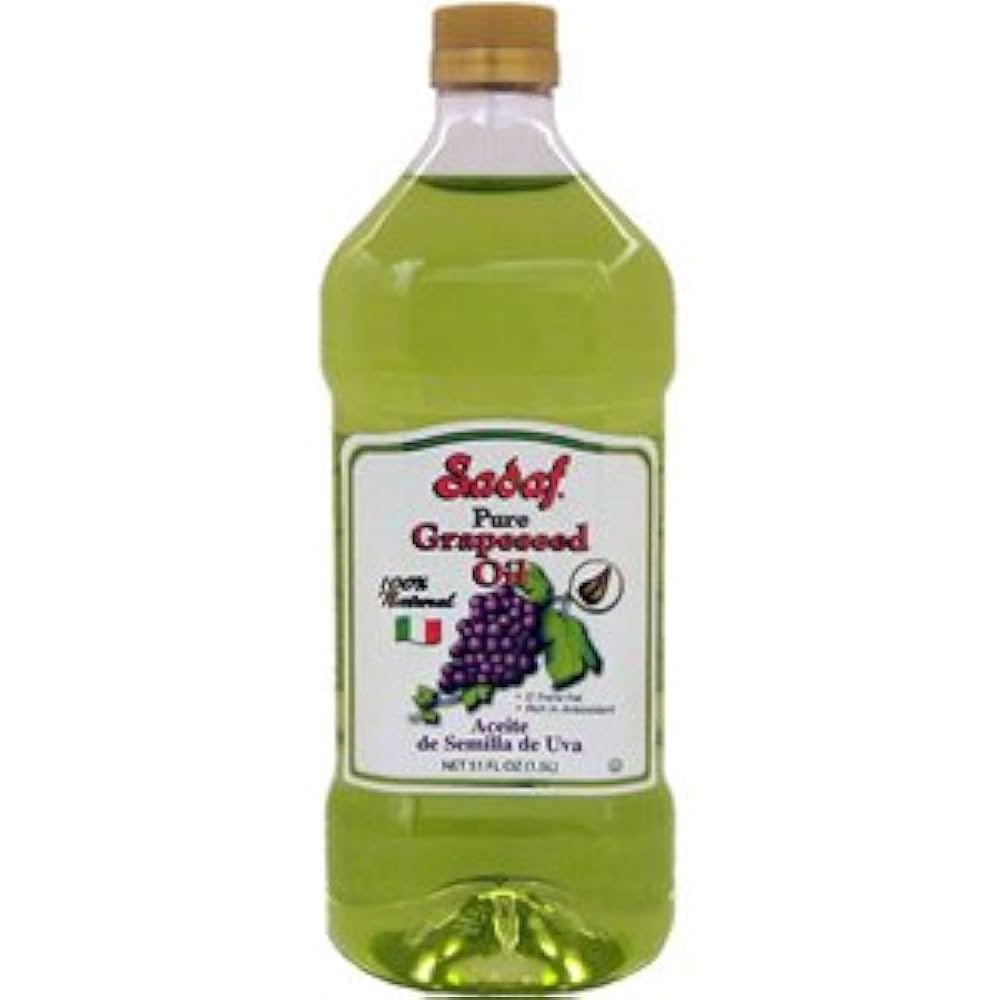
Are you looking for a way to cook healthier meals without sacrificing flavor? Cast iron grape seed oil might be just what you need.
This unique combination brings together the durability of cast iron cookware and the light, nutritious qualities of grape seed oil. If you want to boost your cooking game while keeping your food tasty and good for you, keep reading. Discover how cast iron grape seed oil can transform your kitchen experience and why it should become a staple in your cooking routine.

Credit: www.amazon.com
Benefits Of Cast Iron Cookware
Cast iron cookware offers a range of benefits that make it a favorite among home cooks and professional chefs alike. Its unique qualities not only improve your cooking experience but also influence the taste and texture of your dishes. Understanding these benefits can help you decide if cast iron is the right choice for your kitchen.
Durability And Heat Retention
Cast iron is incredibly durable and can last for generations if cared for properly. Unlike many other types of cookware, it won’t warp or get damaged easily, making it a reliable tool in your kitchen.
Its thick material holds heat evenly and retains it for a long time. This means your food cooks consistently, whether you’re searing a steak or simmering a stew. Have you ever struggled with uneven cooking? Cast iron can solve that problem.
Natural Non-stick Properties
Over time, cast iron develops a natural non-stick surface through seasoning, which is the process of baking oil into the pan. This reduces the need for synthetic coatings that can wear off or release harmful chemicals.
Using grape seed oil for seasoning is a smart choice because of its high smoke point and neutral flavor. This creates a durable, smooth surface that makes cooking and cleaning easier. What’s your current experience with non-stick pans? Cast iron might change your perspective.
Enhanced Flavor In Cooking
Cast iron cookware can actually improve the flavor of your food. The seasoning layer absorbs and releases flavors over time, adding depth to your dishes. This effect is especially noticeable with recipes that require browning or caramelizing.
Cooking with cast iron often results in a richer, more complex taste that’s hard to achieve with other pans. Have you noticed the difference in flavor when using different cookware? Cast iron might be the secret ingredient your meals need.

Credit: www.amazon.com
Advantages Of Grape Seed Oil
Grape seed oil is increasingly becoming a staple in kitchens worldwide, especially for those who love cooking with cast iron. Its unique properties make it a versatile choice for various cooking needs. But what makes grape seed oil so special?
High Smoke Point For Cooking
One of the standout advantages of grape seed oil is its high smoke point, which is around 420°F (215°C). This makes it an excellent choice for searing, frying, and sautéing, especially in cast iron pans. You can cook at high temperatures without worrying about the oil breaking down and releasing harmful compounds.
Cooking with a high smoke point oil can enhance the flavor of your dishes. Have you ever struggled with the taste of burnt oil? With grape seed oil, that’s a thing of the past.
Rich In Antioxidants
Grape seed oil is packed with antioxidants, particularly vitamin E. These antioxidants help fight free radicals in your body, promoting overall health. Including grape seed oil in your cooking not only benefits your taste buds but also supports your health.
Imagine boosting your immunity with every meal you cook. It’s a simple switch that can make a significant difference over time.
Neutral Flavor Profile
Unlike some oils that can overpower a dish, grape seed oil has a neutral flavor. This allows the natural taste of your ingredients to shine through. Whether you’re making a delicate fish dish or a robust steak, grape seed oil won’t steal the spotlight.
Have you ever noticed how some oils alter the taste of your favorite recipes? With grape seed oil, you can maintain the integrity of your culinary creations.
So, are you ready to give grape seed oil a try in your kitchen? It might just become your new go-to for cooking with cast iron.
Why Combine Cast Iron And Grape Seed Oil
Combining cast iron cookware with grape seed oil creates a powerful duo for cooking enthusiasts. Cast iron heats evenly and holds temperature well. Grape seed oil offers a high smoke point and light flavor. Together, they enhance cooking quality and kitchen safety.
Optimal Cooking Performance
Cast iron provides steady heat distribution, ensuring food cooks evenly. Grape seed oil withstands high temperatures without burning. This prevents smoke and bad flavors during cooking. The oil’s neutral taste keeps dishes pure and fresh. Together, they create a smooth cooking surface that improves food texture.
Healthier Meal Preparation
Grape seed oil contains healthy fats and antioxidants. It supports heart health and reduces inflammation. Using it with cast iron means less oil needed for cooking. This lowers calorie intake and avoids unhealthy fats. The oil also resists oxidation, keeping meals fresh and safe.
Prolonging Cast Iron Lifespan
Grape seed oil helps season cast iron pans effectively. It forms a natural, non-stick coating that prevents rust. Regular use protects the pan’s surface from damage. This oil dries well and does not become sticky. Proper seasoning with grape seed oil extends the pan’s life and performance.
Tips For Seasoning Cast Iron With Grape Seed Oil
Seasoning your cast iron with grape seed oil can enhance its non-stick surface and protect it from rust. However, the process requires attention to detail to get the best results. Here are some practical tips to help you season your cast iron skillets perfectly using grape seed oil.
Cleaning Before Seasoning
Start with a clean cast iron pan. Any leftover food residue or rust can prevent the oil from bonding properly to the surface.
Use warm water and a stiff brush to scrub the pan thoroughly. Avoid soap unless it’s necessary to remove stubborn grime; if you use soap, rinse well and dry immediately.
Make sure the pan is completely dry before applying oil. You can dry it on the stove over low heat to evaporate any moisture left.
Applying The Oil Correctly
Pour a small amount of grape seed oil onto the pan—just enough to coat the entire surface thinly.
Use a cloth or paper towel to spread the oil evenly, including the sides and handle if they are cast iron. Avoid pooling of oil, as thick layers can lead to sticky spots.
Wipe off excess oil so that only a thin, almost invisible layer remains. This helps create a smooth seasoning rather than a sticky or uneven finish.
Baking Process For Seasoning
Preheat your oven to around 450°F (232°C). This high temperature helps the oil polymerize and bond to the cast iron surface.
Place the oiled pan upside down on the middle rack. Put a sheet of aluminum foil on the rack below to catch any drips.
Bake for one hour, then turn off the oven and let the pan cool inside. This slow cooling helps the seasoning set better, improving durability.
Recipes Ideal For Cast Iron And Grape Seed Oil
Using cast iron cookware paired with grape seed oil opens up a world of delicious possibilities in your kitchen. The high smoke point of grape seed oil makes it perfect for the intense heat that cast iron can hold. This combo helps you achieve crispy textures and rich flavors without burning your food.
Searing Meats
Searing steaks, chicken breasts, or pork chops in cast iron with grape seed oil locks in juices and creates a beautiful crust. The oil’s mild flavor won’t overpower the meat, letting its natural taste shine through. Try heating your pan until it’s smoking slightly before adding the oil and meat for the best results.
Have you noticed how some seared meats stick to your pan? Using enough grape seed oil and giving the pan time to heat properly can prevent this. Plus, your cleanup will be much easier.
Roasting Vegetables
Roasting veggies in a cast iron skillet with grape seed oil helps them cook evenly and develop caramelized edges. Toss your favorite vegetables—like carrots, Brussels sprouts, or sweet potatoes—in oil before spreading them out in the pan. The oil’s neutral taste lets the natural sweetness of the vegetables come forward.
Consider adding herbs like rosemary or thyme before roasting to boost flavor without extra calories. Do you find some veggies turn soggy in the oven? Cast iron’s heat retention keeps them crispy on the outside and tender inside.
Baking Breads And Desserts
Cast iron isn’t just for savory dishes; it’s fantastic for baking breads and desserts, especially when greased with grape seed oil. The oil creates a non-stick surface and adds a subtle richness. Try it with cornbread, skillet brownies, or even fruit cobblers.
Have you ever struggled with sticking or uneven baking? Using grape seed oil can help create a perfect crust and even bake. Plus, it’s a healthier alternative to butter or shortening without sacrificing texture.
Maintaining Cast Iron Cookware
Maintaining your cast iron cookware is essential for preserving its performance and longevity. Proper care prevents rust, enhances seasoning, and ensures your pans stay non-stick. With the right techniques, your cast iron can become your favorite kitchen companion for years to come.
Cleaning Techniques
After cooking, avoid soaking your cast iron in water. Instead, wipe the pan with a paper towel or use a brush and hot water to remove food bits. If something sticks, sprinkle coarse salt and scrub gently—this natural abrasive cleans without harming the seasoning.
Never use soap or harsh detergents regularly, as they strip the protective layer you’ve built. Dry your pan thoroughly with a towel or by warming it on the stove. Have you noticed how quick drying stops rust before it starts?
Re-seasoning Tips
If your pan loses its shine or starts sticking, it’s time to re-season. Apply a thin layer of grape seed oil all over the surface, inside and out. Grape seed oil is perfect because it has a high smoke point and creates a durable, non-stick coating.
Heat your pan upside down in the oven at 400°F (200°C) for an hour. Place foil underneath to catch drips. Let it cool slowly—this process bonds the oil to the iron, restoring that slick, black patina.
Storage Recommendations
Store your cast iron in a dry place to avoid moisture buildup. You can place a paper towel inside the pan to absorb humidity. Avoid stacking your pans directly on top of each other without protection to prevent scratches.
Ever tried hanging your cast iron? It keeps air circulating and minimizes rust risk. Small changes in storage can make a big difference in how your cookware performs over time.

Credit: www.amazon.com
Frequently Asked Questions
What Is Cast Iron Grape Seed Oil Used For?
Cast iron grape seed oil is ideal for cooking and seasoning cast iron cookware. It has a high smoke point and neutral flavor, making it perfect for frying, sautéing, and baking. It also helps create a durable, non-stick surface on cast iron pans.
How Does Grape Seed Oil Benefit Cast Iron Seasoning?
Grape seed oil polymerizes well on cast iron, forming a strong, smooth seasoning layer. Its high smoke point ensures even heating without burning. This helps protect the pan from rust and enhances its non-stick properties over time.
Can Grape Seed Oil Withstand High Heat In Cast Iron?
Yes, grape seed oil has a high smoke point around 420°F (216°C). It withstands the high heat needed for cast iron cooking and seasoning. This makes it a reliable oil for maintaining and using cast iron cookware.
Is Grape Seed Oil Healthier For Cast Iron Cooking?
Grape seed oil is low in saturated fats and rich in antioxidants. It’s a heart-healthy choice for cooking. Using it on cast iron provides a clean, neutral taste without harmful trans fats or additives.
Conclusion
Cast iron and grape seed oil work well together for cooking. Grape seed oil’s high smoke point protects your pan and food. It keeps cast iron clean and helps with seasoning. Using this oil can make your cast iron last longer.
It also adds a light, neutral taste to dishes. Simple care with grape seed oil makes cooking easier. Try it to enjoy better meals and cookware. Small changes bring great results. Give your cast iron the care it deserves.

Hi, I’m Daniel Brooks—a food lover and kitchen gear enthusiast. I enjoy testing cookware, utensils, and gadgets to see what really works in everyday cooking. At PlugChef.com, I share honest reviews, comparisons, and simple guides to help you choose the best tools for a safer, smarter, and more enjoyable kitchen.
Related posts:
 What Type of Cooking Utensils are Safe: Expert Picks
 What Innovations Could Blenders Make: Unleashing Future Tech
 Smart Strategies to Organize a Small Kitchen: Maximize Space
 How to Organize a Kitchen Cabinet: Expert Tips & Tricks
 How to Organize Kitchen Drawers: Expert Tips and Tricks
 How to Organize a Corner Kitchen Cupboard: Expert Tips

