
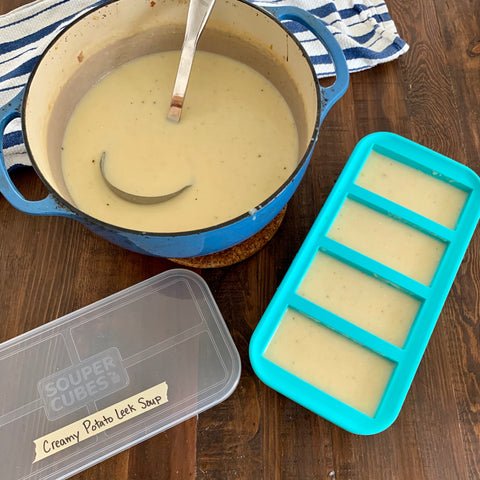
Have you ever made a big pot of creamy potato soup and wondered if you could save some for later? Freezing your favorite comfort food sounds like a great idea, but you might be unsure if potato soup will keep its taste and texture after thawing.
You’re not alone—many people ask, “Can potato soup be frozen without losing its deliciousness? ” you’ll discover the simple truth about freezing potato soup and get easy tips to make sure your leftovers stay just as tasty as when you first made them.
Keep reading to learn how to enjoy your potato soup anytime you want, without worrying about wasted food or disappointing meals.
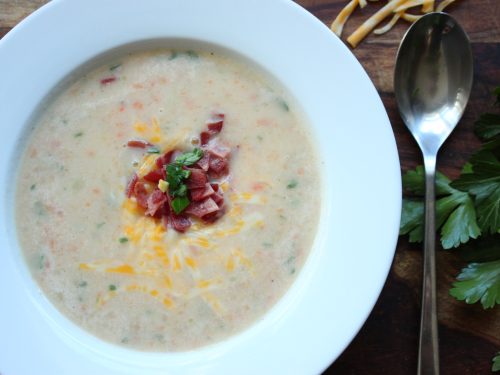
Credit: heidishomecooking.com
Freezing Potato Soup Safely
Freezing potato soup is a great way to save leftovers or prepare meals ahead. Doing it safely keeps the flavor and texture fresh. Proper steps prevent spoilage and freezer burn. Follow these simple guidelines for the best results.
Choosing The Right Container
Select containers that are airtight and freezer-safe. Plastic containers with tight lids or heavy-duty freezer bags work well. Avoid glass unless it is labeled freezer-safe. Leave some space for the soup to expand as it freezes. This prevents containers from cracking or bursting.
Cooling Soup Before Freezing
Let the soup cool to room temperature before freezing. Hot soup can raise the freezer’s temperature and affect other foods. Cooling also helps avoid condensation inside the container. Use shallow bowls or ice baths to cool the soup faster. Never freeze soup that is still hot or warm.
Portioning For Convenience
Divide soup into single or family-sized portions. Smaller portions thaw faster and reduce waste. Use containers or bags sized for your usual servings. Label each portion with the date and type of soup. This helps keep track of freshness and use soup before it expires.
Maintaining Flavor And Texture
Freezing potato soup can change its texture, making it watery or grainy. Stirring well after thawing helps restore its smoothness and flavor.
Potato soup is a comforting dish, perfect for chilly evenings or when you crave something hearty. However, if you’ve ever tried freezing it, you might wonder how to maintain its delightful flavor and creamy texture. Freezing soup can be tricky, but with the right techniques, you can enjoy a delicious bowl anytime. Let’s dive into some practical tips to help you freeze potato soup without losing its essence. Achieving the right balance of flavor and texture is key when freezing potato soup. Start by slightly undercooking the potatoes. This way, they won’t turn mushy when reheated. Also, consider adding fresh herbs or spices after thawing to revitalize the taste.Avoiding Watery Soup
A common issue when freezing soups is the separation of liquids. To avoid this, thicken your soup with a roux before freezing. Alternatively, blend a portion of the potatoes to create a naturally thicker consistency. This prevents the soup from becoming watery upon reheating.Best Ingredients For Freezing
Not all ingredients freeze well. Opt for hearty potatoes like russets, which hold up better in the freezer. Avoid dairy-based ingredients until you reheat the soup, as they can separate and alter the texture. Instead, add cream or cheese just before serving.Reheating Tips
Reheating frozen potato soup is an art. Thaw the soup in the refrigerator overnight for even reheating. When ready, warm it on the stove over low heat, stirring occasionally to ensure even consistency. If the soup seems too thick, add a splash of broth or milk to reach your desired texture. By following these tips, you can enjoy your potato soup just as much after freezing as you did when it was freshly made.Storage Duration And Signs Of Spoilage
Knowing how long potato soup can be frozen and spotting signs of spoilage are key to enjoying it safely later. Freezing extends the life of your soup, but it doesn’t preserve it forever. Understanding storage duration and spoilage indicators helps you avoid wasting food and keeps your meals tasty and safe.
How Long To Freeze
Potato soup can be frozen for up to 2 to 3 months without losing much flavor or texture. Beyond this period, the soup might start to develop freezer burn or change in taste. It’s best to freeze it in airtight containers or heavy-duty freezer bags to maintain quality.
Label your containers with the date you froze the soup. This simple step helps you keep track and ensures you use it before it goes bad. Have you ever found mystery containers in your freezer? Avoid that by always dating your food.
Identifying Spoiled Soup
Even frozen soup can spoil if not stored properly or kept too long. When you thaw your potato soup, check for unusual smells first. A sour or off odor is a clear sign the soup is no longer safe to eat.
Look for changes in texture or color as well. If the soup is slimy, has mold spots, or the potatoes have turned dark, it’s best to discard it. Trust your senses—if something feels off, don’t risk eating it.
Have you ever tasted soup that just didn’t feel right? It’s better to be safe and throw it out than suffer from food poisoning. Proper freezing and careful observation protect you from these risks.

Credit: nodashofgluten.com
Alternatives To Freezing Potato Soup
If freezing potato soup isn’t your favorite option, there are other ways to keep it fresh and tasty. Sometimes freezing can change the texture or flavor, especially with creamy soups. Considering alternatives might help you enjoy your soup without compromising its quality.
Refrigeration Tips
Storing potato soup in the fridge can be a great way to keep it fresh for a few days. Use an airtight container to prevent it from absorbing other odors. Place the soup in the coldest part of your fridge, not the door, to maintain a steady temperature.
Heat the soup gently on the stove or microwave when you’re ready to eat. Adding a splash of milk or broth while reheating can help bring back the creamy texture. Have you ever noticed how some soups separate after refrigeration? Stirring well before warming can fix this easily.
Using Soup In Other Recipes
Leftover potato soup doesn’t have to be eaten as is. Think about using it as a base for other meals. For example, it can be a creamy sauce for casseroles or a rich addition to mashed potatoes.
You can also thicken the soup and turn it into a filling for savory pies or pot pies. Add some cooked vegetables or protein to make it a new dish altogether. Next time you have leftover soup, ask yourself: How can I reinvent this to avoid waste and keep meals exciting?

Credit: www.tasteofhome.com
Frequently Asked Questions
Can Potato Soup Be Frozen Safely?
Yes, potato soup can be frozen safely. Use airtight containers or freezer bags to prevent freezer burn. Freeze in portions for easy reheating. Avoid freezing soups with cream or milk, as texture may change. Label with date and consume within 2-3 months for best quality.
How To Freeze Potato Soup Properly?
Cool the soup completely before freezing. Transfer it into airtight containers or freezer bags, leaving space for expansion. Remove excess air to prevent freezer burn. Label with date and contents. Freeze in small portions for convenient reheating. Thaw overnight in the fridge before warming.
Does Freezing Affect Potato Soup Texture?
Freezing can change potato soup texture slightly. Potatoes may become grainy or watery after thawing. Stir well while reheating to improve consistency. Adding fresh cream or milk after thawing can restore creaminess. Use thicker soups for better freeze-thaw results.
How Long Can Potato Soup Stay Frozen?
Potato soup stays good in the freezer for 2 to 3 months. Beyond this, quality and flavor may degrade. Always label containers with the freezing date. Consume within this timeframe for best taste and safety. Proper storage extends shelf life.
Conclusion
Potato soup freezes well if stored properly in airtight containers. Cool the soup before freezing to keep its flavor and texture. Avoid freezing soup with cream or milk, as it may separate. Thaw the soup slowly in the fridge for best results.
Reheat gently on the stove, stirring often. Freezing saves time and reduces food waste. Enjoy homemade potato soup anytime with these easy steps. Simple, tasty, and convenient.

Hi, I’m Daniel Brooks—a food lover and kitchen gear enthusiast. I enjoy testing cookware, utensils, and gadgets to see what really works in everyday cooking. At PlugChef.com, I share honest reviews, comparisons, and simple guides to help you choose the best tools for a safer, smarter, and more enjoyable kitchen.
Related posts:
 What Type of Cooking Utensils are Safe: Expert Picks
 What Innovations Could Blenders Make: Unleashing Future Tech
 Smart Strategies to Organize a Small Kitchen: Maximize Space
 How to Organize a Kitchen Cabinet: Expert Tips & Tricks
 How to Organize Kitchen Drawers: Expert Tips and Tricks
 How to Organize a Corner Kitchen Cupboard: Expert Tips

