
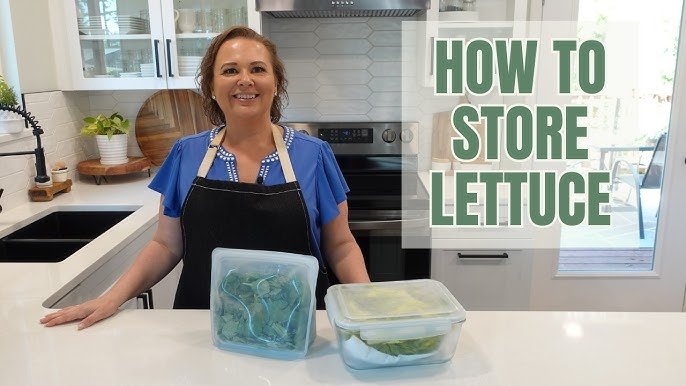
Are you tired of finding your lettuce wilted and soggy just days after buying it? You’re not alone.
Properly storing lettuce can be tricky, but it’s the key to keeping your greens fresh, crunchy, and ready for your next meal. Imagine opening your fridge and seeing vibrant, crisp lettuce every time—you deserve that simple pleasure. You’ll discover easy, effective tips to store your lettuce the right way.
Keep reading to unlock the secrets that will save you money and reduce food waste while enjoying fresh salads longer.
Choosing Fresh Lettuce
Choosing fresh lettuce is the first and most important step to keeping it crisp and tasty for longer. The freshness you pick at the store or market sets the stage for how well your lettuce will store. Knowing exactly what to look for can save you from soggy leaves and wasted money.
Signs Of Freshness
Look for vibrant green leaves that feel firm and crisp. Avoid lettuce with brown edges, slimy spots, or wilted leaves—these are signs it’s past its prime.
Check the base of the lettuce head. It should be moist but not soggy, and free from mold or discoloration.
- Leaves should snap easily when bent.
- The aroma should be fresh, without any sour or rotten smell.
- For pre-packaged lettuce, inspect the bag for excess moisture or condensation.
I once bought a head of lettuce that looked fine on the outside but felt soft at the base. It didn’t last more than two days in my fridge. Now, I always test the firmness before buying—it really makes a difference.
Best Lettuce Varieties For Storage
Not all lettuces hold up the same after purchase. Some varieties naturally last longer and store better.
| Lettuce Variety | Storage Life | Texture & Taste |
|---|---|---|
| Romaine | Up to 10 days | Crisp, slightly bitter |
| Iceberg | Up to 14 days | Crunchy, mild flavor |
| Butterhead (Boston/Bibb) | 5-7 days | Soft, buttery texture |
| Leaf Lettuce (Red/Green) | 5-7 days | Delicate, mild flavor |
Iceberg lettuce tends to last longer due to its tight, dense leaves, making it a smart choice if you want to store lettuce for several days. Romaine offers a nice balance between flavor and storage life.
Which type of lettuce have you found lasts best in your fridge? Trying different varieties might help you find the perfect fit for your needs and reduce waste.
Credit: healthytasteoflife.com
Washing And Drying Lettuce
Rinse lettuce leaves gently under cold water to remove dirt. Use a salad spinner or pat dry with a clean towel to remove excess moisture. Proper drying helps prevent sogginess and keeps lettuce fresh longer in storage.
Washing and drying lettuce are crucial steps to keep it fresh. Proper washing removes dirt and harmful bacteria. Effective drying prevents wilting and extends shelf life. These steps ensure lettuce stays crisp and tasty for days.
Safe Washing Techniques
Rinse each leaf under cold running water. This removes surface dirt. Use your fingers to rub any stubborn spots. Avoid using soap as it’s not safe for food. For thorough cleaning, use a bowl of water. Submerge the leaves and swish them gently. This helps remove any hidden particles. Repeat rinsing until water runs clear.
Effective Drying Methods
Shake off excess water gently. Then use a salad spinner for drying. Place leaves inside the spinner and spin until dry. This removes most water and keeps lettuce crisp. If a spinner is unavailable, use a clean kitchen towel. Spread leaves in a single layer. Pat them dry with another towel. Ensure leaves are completely dry before storing. Moisture leads to quick spoilage.
Optimal Storage Containers
Choosing the right storage container can make a big difference in how fresh your lettuce stays. Containers help control moisture and air exposure, which are key factors in preventing wilting and spoilage. Let’s look at some container options that can keep your greens crisp and tasty longer.
Using Airtight Containers
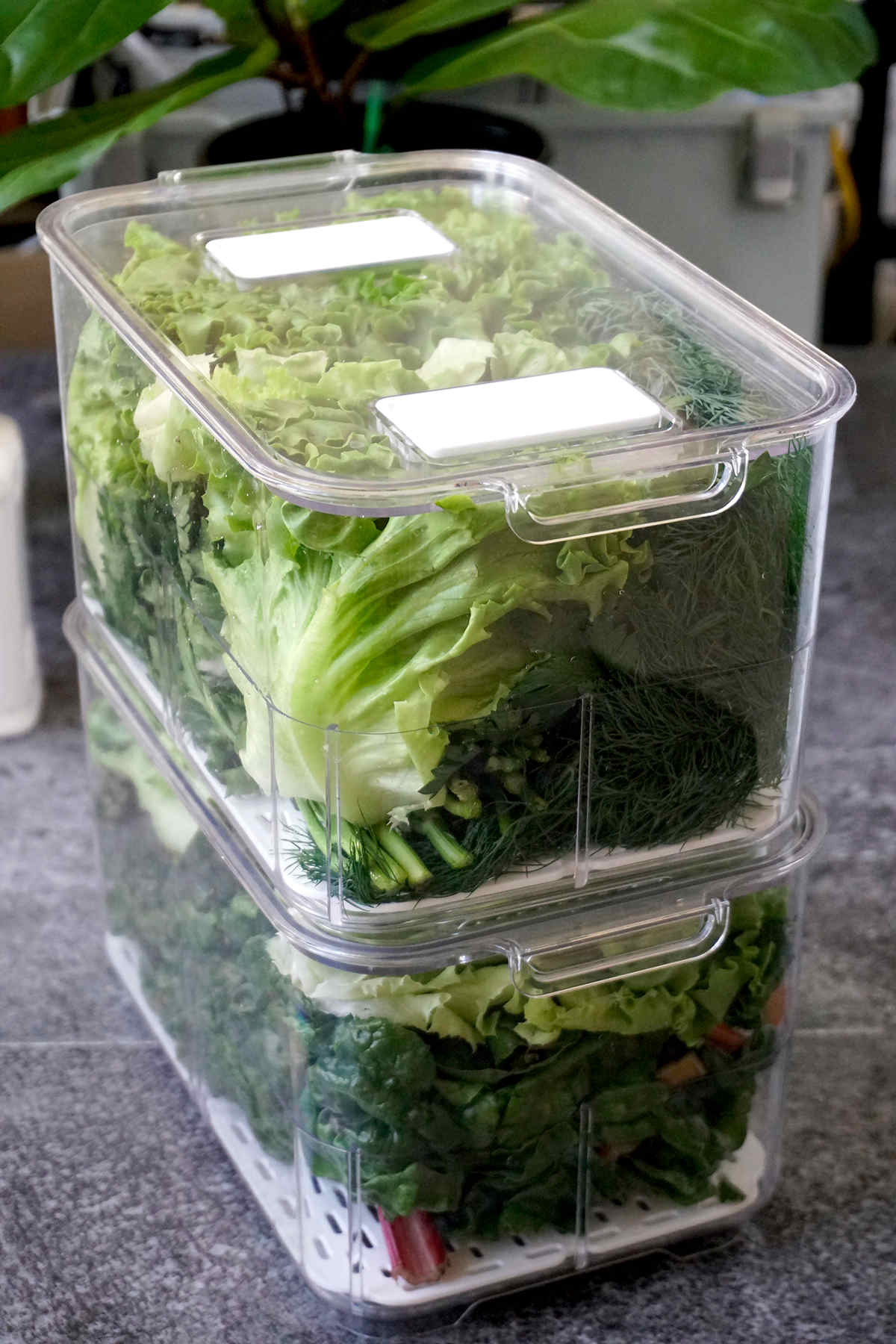
Airtight containers lock in freshness by limiting air flow around your lettuce. This slows down the oxidation process that causes leaves to brown and go limp.
Try using plastic or glass containers with tight-fitting lids. Add a paper towel inside to absorb excess moisture, which helps prevent soggy leaves.
I once stored lettuce in a sealed container without any paper towel, and it got slimy within two days. Adding that simple layer made a noticeable difference in freshness lasting almost a week.
Benefits Of Produce Bags
Produce bags are designed to maintain a balanced environment for fruits and vegetables. They allow some air circulation while retaining enough humidity to keep lettuce crisp.
Reusable mesh or perforated plastic bags are great choices. They reduce plastic waste and can be washed and reused, making them eco-friendly.
Have you noticed how lettuce in regular plastic wraps gets soggy quickly? Switching to produce bags can help avoid that problem by preventing moisture buildup.

Credit: www.numberanalytics.com
Ideal Refrigerator Conditions
Proper storage of lettuce in the refrigerator helps keep it fresh longer. Ideal refrigerator conditions slow down spoilage and maintain crispness. Control of temperature and placement inside the fridge plays a key role. These factors prevent wilting and nutrient loss, keeping your lettuce tasty and healthy.
Temperature Settings
Set your refrigerator temperature between 32°F and 36°F (0°C to 2°C). This range preserves the lettuce’s freshness without freezing it. Avoid temperatures above 40°F (4°C), which speed up spoilage. Do not let lettuce freeze, as cold damages its texture and color. Use a fridge thermometer to check accuracy regularly.
Proper Placement In Fridge
Place lettuce in the crisper drawer of your fridge. This drawer controls humidity better than other parts. High humidity slows water loss, keeping leaves crisp. Avoid placing lettuce near fruits like apples or bananas. They release ethylene gas, which causes lettuce to spoil faster. Store lettuce in a perforated bag or wrapped in paper towels to maintain moisture balance.
Preventing Moisture Buildup
Moisture buildup is the main enemy of fresh lettuce. Too much water causes leaves to wilt and rot quickly, ruining your crisp greens. Preventing this moisture buildup keeps your lettuce fresh longer and saves you money on wasted food.
Using Paper Towels
Paper towels are a simple tool that can make a big difference. Wrap your lettuce loosely in dry paper towels before storing it in a plastic bag or container.
The towels absorb excess moisture and stop water from pooling around the leaves. Change the paper towels every couple of days to keep things dry.
I once stored lettuce without paper towels and ended up tossing half the bag after three days. Adding paper towels extended its life by nearly a week.
Controlling Humidity Levels
Your fridge’s humidity drawer can be set to different levels—use this to your advantage.
Set the drawer to a high humidity setting for leafy greens like lettuce. This keeps the environment moist enough to prevent wilting but not so wet that condensation forms.
If your fridge doesn’t have a humidity control, try storing lettuce in a container with small holes or a vented bag. This allows air to circulate and keeps moisture balanced.
Have you checked your fridge settings lately? A small adjustment could dramatically improve how long your lettuce stays fresh.
Storing Different Lettuce Types
Different types of lettuce need different storage methods to stay fresh. Each variety has its own texture and moisture level. Proper storage helps keep lettuce crisp and tasty longer.
Leafy lettuces are delicate and need gentle care. Head lettuces like romaine and iceberg have firmer leaves and require a different approach.
Leaf Lettuce Tips
- Wash leaves gently with cold water. Dry completely using a salad spinner or paper towels.
- Wrap the leaves loosely in a damp paper towel. This keeps moisture without making leaves soggy.
- Place wrapped leaves inside a plastic bag or airtight container. Leave a small opening for air flow.
- Store in the refrigerator crisper drawer. Ideal temperature is between 32°F and 36°F (0°C to 2°C).
- Check leaves regularly. Remove any wilted or slimy pieces to prevent spoilage.
Romaine And Iceberg Storage
- Do not wash before storing. Moisture can speed up decay.
- Keep whole heads in their original packaging or wrap in plastic wrap.
- Store in the refrigerator crisper drawer. These lettuces prefer cold and humid conditions.
- Use within one to two weeks for best quality.
- Once cut, wrap tightly in plastic wrap. Use quickly to avoid drying out.
Signs Of Spoiled Lettuce
Knowing the signs of spoiled lettuce helps prevent eating bad greens. Spoiled lettuce loses its freshness and becomes unsafe to eat. Recognizing these signs early keeps your meals tasty and healthy.
Visual Indicators
- Leaves turn brown, yellow, or black.
- Wilted or slimy texture on the surface.
- Edges appear dry or shriveled.
- Dark spots or mold patches develop.
- Leaves separate easily or look mushy.
Smell And Texture Changes
- Sour or rotten odor signals spoilage.
- Fresh lettuce smells mild and clean.
- Leaves feel slimy or sticky to touch.
- Soft or mushy texture replaces crispness.
- Stems become weak or bend without firmness.
Extending Freshness With Freezing
Freezing lettuce might sound unusual, but it’s a handy way to extend its life beyond the fridge. While freezing changes the texture, it locks in nutrients and flavor, making it perfect for cooked dishes later. If you often find yourself tossing wilted lettuce, freezing could save you money and reduce waste.
Preparation For Freezing
Start by washing your lettuce thoroughly to remove dirt and pesticides. Dry the leaves completely—excess moisture creates ice crystals that damage texture. Tear or chop the lettuce into pieces that suit your future recipes.
Blanching the lettuce before freezing helps preserve color and nutrients. Drop the leaves into boiling water for about 30 seconds, then immediately transfer them to ice water to stop cooking. Pat dry again before packing.
Use airtight freezer bags or containers to prevent freezer burn. Squeeze out as much air as possible. Label your package with the date to keep track of freshness.
Thawing Tips
Thaw frozen lettuce in the refrigerator overnight for the best texture. Avoid microwaving or leaving it at room temperature, which can make it soggy. If you’re adding it to soups or stews, you can skip thawing altogether and toss it in frozen.
Do you ever wonder how much texture really matters for your recipes? Frozen lettuce works best in cooked dishes like casseroles, sauces, or smoothies rather than salads. Planning ahead on how you’ll use it will help you decide whether freezing is right for your needs.

Credit: www.the-express.com
Frequently Asked Questions
How Long Can Lettuce Be Stored Fresh?
Lettuce can stay fresh for 7 to 10 days when stored properly. Keep it in a crisp, cool environment with high humidity to maintain freshness and prevent wilting.
What Is The Best Way To Wash Lettuce Before Storage?
Rinse lettuce under cold water to remove dirt and bacteria. Dry thoroughly using a salad spinner or paper towels to prevent excess moisture and spoilage.
Should Lettuce Be Stored In The Refrigerator Or Pantry?
Lettuce should always be stored in the refrigerator. The cool temperature slows down decay and keeps lettuce crisp and fresh longer than room temperature storage.
Can You Store Lettuce In Airtight Containers?
Yes, storing lettuce in airtight containers helps maintain moisture and freshness. Add a paper towel inside to absorb excess water and prevent sogginess.
Conclusion
Properly storing lettuce keeps it fresh and crunchy longer. Keep leaves dry and cool. Use a paper towel to absorb extra moisture. Store in a breathable container or bag. Check lettuce often and remove any wilted parts. This simple care helps reduce waste and saves money.
Enjoy fresh salads every day with these easy tips. Healthy eating starts with good food storage habits. Small steps make a big difference in food freshness.

Hi, I’m Daniel Brooks—a food lover and kitchen gear enthusiast. I enjoy testing cookware, utensils, and gadgets to see what really works in everyday cooking. At PlugChef.com, I share honest reviews, comparisons, and simple guides to help you choose the best tools for a safer, smarter, and more enjoyable kitchen.
Related posts:
 What Type of Cooking Utensils are Safe: Expert Picks
 What Innovations Could Blenders Make: Unleashing Future Tech
 Smart Strategies to Organize a Small Kitchen: Maximize Space
 How to Organize a Kitchen Cabinet: Expert Tips & Tricks
 How to Organize Kitchen Drawers: Expert Tips and Tricks
 How to Organize a Corner Kitchen Cupboard: Expert Tips

