
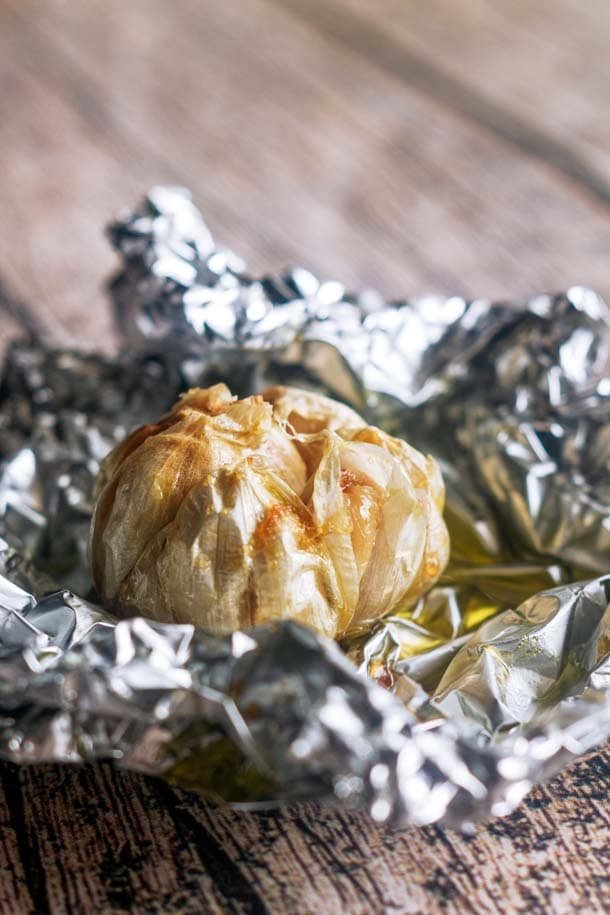
If you love garlic but find its raw sharpness a bit too strong, roasting it in tin foil might be your new favorite trick. Imagine soft, sweet, and mellow garlic cloves that melt in your mouth and add rich flavor to any dish.
You don’t need fancy tools or complicated steps—just some garlic, tin foil, and a little patience. Keep reading, and you’ll discover how easy it is to transform your garlic into a delicious, versatile ingredient that can take your cooking to the next level.
Ready to unlock the secret to perfect roast garlic? Let’s dive in!

Credit: www.budgetbytes.com
Why Roast Garlic
Roasting garlic in tin foil is more than just a cooking technique—it’s a way to unlock hidden depths of flavor and enhance your dishes effortlessly. You might wonder why you should roast garlic instead of using it raw or sautéed. The answer lies in the unique changes that happen during roasting, which can elevate your meals and even offer some health perks.
Flavor Transformation
Roasting garlic softens its sharp, pungent bite and brings out a rich, sweet, and buttery flavor. The heat caramelizes the natural sugars in garlic, making it mellow and smooth. This transformation means you can use more garlic without overpowering your dish, creating a balanced taste that raw garlic can’t match.
Have you noticed how roasted garlic almost melts into sauces or spreads? That’s because the texture changes too—it becomes creamy and spreadable, perfect for mixing into mashed potatoes or spreading on warm bread.
Culinary Uses
Roasted garlic adds a depth of flavor that fits both simple and complex recipes. You can:
- Mix it into dressings and dips for a gentle garlic note.
- Add it to soups and stews for a subtle, rich undertone.
- Spread it directly on toasted bread for an easy, tasty snack.
- Blend it into mashed vegetables to enhance creaminess and flavor.
Because roasting tames garlic’s intensity, you can use it more liberally. This opens up creative ways to add garlic to your meals without worrying about the harsh aftertaste raw garlic often leaves behind.
Health Benefits
Garlic is known for its health-boosting properties, including supporting the immune system and reducing inflammation. Roasting garlic retains many of these benefits while making it easier to digest. If raw garlic is too strong for your stomach, roasting can be a gentler alternative.
Plus, roasting doesn’t destroy important compounds like allicin completely—it just softens its punch. You still get plenty of antioxidants and nutrients, making roasted garlic a delicious and healthy choice to include in your diet.
Credit: feelgoodfoodie.net
Choosing Garlic Bulbs
Choose firm, fresh garlic bulbs with tight skin for roasting in tin foil. Whole bulbs roast evenly, creating soft, sweet cloves perfect for cooking.
Choosing the right garlic bulbs is the first step to achieving that perfect roasted garlic flavor. Whether you’re planning a cozy dinner or preparing a gourmet spread, the quality of your garlic can make all the difference. Let’s dive into some essential tips to ensure you pick the best bulbs every time.Freshness Tips
When selecting garlic, look for bulbs that are firm to the touch. Avoid any that feel soft or have visible sprouting. These signs indicate that the garlic is past its prime and won’t roast well. Check the outer skins; they should be dry and papery, not peeling away excessively. A fresh bulb often has tight, intact layers. Next time you’re at the market, give the garlic a gentle squeeze. A firm bulb with a smooth texture is your best choice.Variety Selection
Different garlic varieties can offer unique flavors when roasted. Softneck garlic, often found in supermarkets, has a milder taste that’s versatile for many dishes. On the other hand, hardneck varieties, like Rocambole, provide a more intense flavor, perfect for bold recipes. Consider experimenting with both types to see which suits your palate best. Are you looking for a subtle, sweet undertone or a robust, spicy kick? Knowing your flavor preference can guide your selection. Choosing the right garlic bulb involves a mix of freshness and variety. With these tips in hand, you’re set to enhance your roasting game. What will your next culinary adventure with roasted garlic be?Preparing Garlic For Roasting
Preparing garlic for roasting in tin foil is a simple process that can transform its flavor from sharp and pungent to sweet and mellow. The way you clean, trim, and season your garlic before wrapping it up makes all the difference. Let’s dive into how you can get your garlic ready to roast perfectly every time.
Cleaning And Trimming
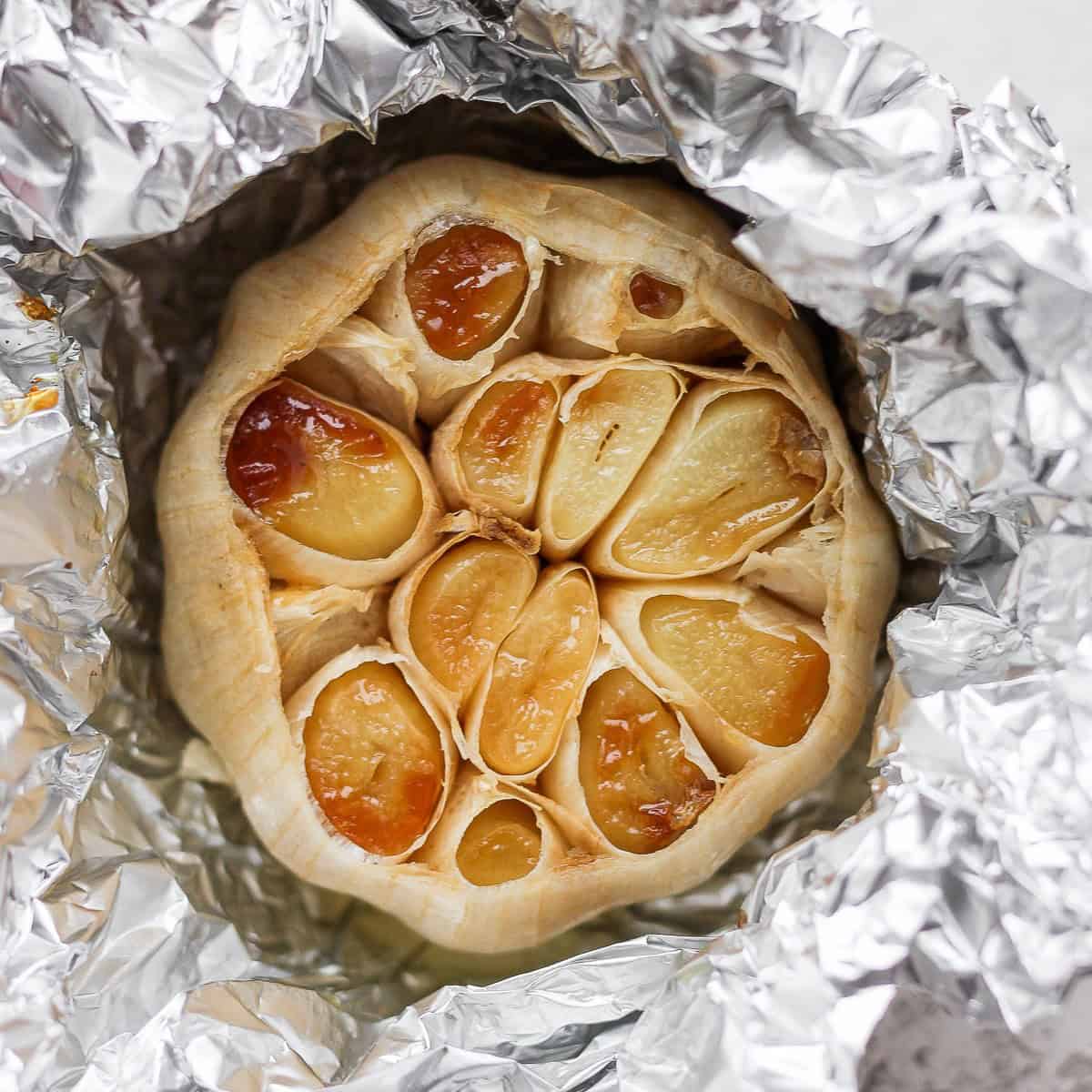
Start by peeling away the loose outer layers of the garlic bulb, but keep the cloves intact within the head. You want to expose the tops of the cloves by slicing off about a quarter inch from the tip. This allows the heat to penetrate and caramelize the garlic inside.
Make sure to remove any dry or brown outer skins to avoid bitterness. A clean, fresh garlic bulb will roast evenly and produce a sweeter taste. Have you noticed how a poorly trimmed garlic head can turn out dry or unevenly cooked?
Adding Oil And Seasoning
Drizzle olive oil generously over the exposed cloves. The oil helps the garlic roast gently without burning and adds a rich, smooth texture. Don’t be shy—each clove should be well coated to soak up the flavors.
Sprinkle a pinch of salt to enhance the natural sweetness. You can also add herbs like thyme or rosemary for an extra layer of aroma. Think about what dishes you’ll use the roasted garlic in—seasoning it beforehand can save you time later.

Credit: food52.com
Wrapping Garlic In Tin Foil
Wrapping garlic in tin foil is a simple way to roast it evenly. The foil traps heat and moisture, making garlic soft and sweet. This method also keeps your oven clean and prevents garlic from burning.
Foil Techniques
Use a large piece of foil to cover the garlic bulb completely. Place the garlic with the cut side up for better roasting. Fold the foil edges up and over the garlic to create a sealed pouch. Avoid using too much foil, which can cause uneven cooking.
Sealing Tips
Press the foil tightly around the garlic to hold in steam. Make sure there are no gaps where heat can escape. Double wrap the garlic for better heat retention and softer cloves. Check the foil pouch for holes before roasting to keep moisture inside.
Roasting Process
Roasting garlic in tin foil transforms its sharp, raw flavor into a sweet, mellow delight that enhances any dish. The roasting process is simple but requires attention to temperature and timing to achieve perfect softness without burning. Let’s break down how to get the best results every time you roast garlic in foil.
Oven Temperature Settings
Set your oven to a moderate heat, typically around 400°F (200°C). This temperature allows the garlic to cook evenly without drying out or burning quickly.
If your oven runs hot, consider lowering it to 375°F (190°C) to avoid overcooking. Remember, slow and steady heat helps the garlic cloves caramelize gently inside the foil.
Roasting Duration
Roasting garlic usually takes between 30 to 45 minutes. The exact time depends on the size of the garlic heads and how soft you want the cloves.
Smaller heads may take closer to 30 minutes, while larger ones could need the full 45 minutes. Keep an eye on the color—the cloves should turn golden brown but not blackened.
Checking Doneness
To check if your garlic is ready, gently squeeze the foil packet. The cloves inside should feel soft and tender, almost creamy.
You can also carefully unwrap the foil and pierce a clove with a fork. It should slide in easily without resistance.
Have you ever tasted garlic that was roasted too long? It can turn bitter and dry. So, trust your senses as much as the clock to decide when it’s perfect.
Using Roasted Garlic
Roasted garlic has a soft, sweet flavor that enhances many dishes. Using roasted garlic is simple and versatile. It adds a rich, mellow taste without the sharpness of raw garlic. This makes it perfect for spreading, mixing, or cooking. Its creamy texture blends well with different foods. Let’s explore easy ways to use roasted garlic in your meals.
Spreading And Mixing
Roasted garlic becomes soft and buttery after cooking. Scoop out the cloves and spread them on bread or crackers. It makes a delicious and healthy alternative to butter or cream cheese. Mix roasted garlic into softened butter for a tasty garlic spread. You can also blend it into mayonnaise or yogurt for dips. The mild taste works well with many spreads.
Incorporating Into Recipes
Roasted garlic adds depth to many recipes. Mash it into mashed potatoes or soups for extra flavor. Stir it into pasta sauces or salad dressings to enhance taste. Add roasted garlic to marinades for meat, poultry, or vegetables. It blends well into hummus or dips for a creamy texture. Using roasted garlic improves dishes without overpowering them.
Storage And Reheating
Roast garlic wrapped in tin foil offers a rich, mellow flavor that enhances many dishes. However, knowing how to store and reheat it properly can make all the difference in preserving its taste and texture. Let’s dive into practical tips that keep your roasted garlic fresh and delicious every time you use it.
Best Practices For Freshness
After roasting, let the garlic cool completely before storing it. Warm garlic trapped in foil can create moisture, leading to spoilage.
Wrap the roasted garlic tightly in fresh foil or place it in an airtight container. This prevents exposure to air, which can dry out the garlic or cause it to lose its flavor.
Store your garlic in the refrigerator if you plan to use it within a week. For longer storage, freeze the garlic in small portions, like spoonfuls on a parchment-lined tray, then transfer them to a freezer-safe bag.
Reheating Methods
To bring back that soft, spreadable texture, reheat roasted garlic gently. You can wrap it again in foil and place it in a 300°F (150°C) oven for 10–15 minutes.
Microwaving is an option but use short bursts of 10 seconds to avoid overheating and drying out the garlic. Cover it with a damp paper towel to retain moisture.
If you’re adding roasted garlic directly to a hot dish, simply stir it in at the end of cooking. The residual heat will warm it without compromising flavor.
Have you ever noticed how reheated garlic can sometimes lose its sweetness? Paying attention to these details helps you enjoy that perfect roasted taste every time.
Troubleshooting Common Issues
Roasting garlic in tin foil is simple, but a few common issues can turn your golden cloves into a disappointing mess. Knowing how to troubleshoot these problems helps you get creamy, flavorful garlic every time. Let’s look at how to fix two frequent challenges: burnt garlic and soggy texture.
Avoiding Burnt Garlic
Burnt garlic tastes bitter and ruins your dish. To prevent this, make sure you wrap the garlic head tightly in foil, sealing in moisture and heat evenly. Leaving the foil loosely wrapped lets hot air dry out the garlic, causing it to burn.
Also, check your oven temperature. Roasting at too high a heat, like above 400°F (200°C), can easily burn the cloves. Try keeping it around 350°F (175°C) for a slower, even roast.
If you notice your garlic is browning too fast, cover it with an extra layer of foil halfway through cooking. This simple trick saved me from throwing away a whole batch once—it kept the cloves soft without darkening too much.
Preventing Soggy Texture
Soggy garlic lacks the pleasant firmness and can feel mushy on the tongue. This often happens if the garlic is steamed rather than roasted. Avoid this by placing your foil packet directly on the oven rack instead of a baking dish that traps moisture.
Using whole garlic heads helps too; sliced or crushed garlic tends to release more water, which makes it soggy inside the foil. If you prefer garlic separated into cloves, dry them well before wrapping.
Think about your roasting time as well. Too short and the garlic won’t soften properly, too long and it might get watery. Experiment with 40–60 minutes depending on your oven and garlic size to find the perfect balance.
Frequently Asked Questions
How Long To Roast Garlic In Tin Foil?
Roast garlic in tin foil for 40-45 minutes at 400°F (200°C). This time softens cloves, making them creamy and sweet. Check for tenderness by squeezing the bulb gently after roasting.
Can I Roast Garlic Without Tin Foil?
Yes, you can roast garlic without tin foil by using a covered baking dish. However, tin foil traps moisture, yielding softer, sweeter garlic. Without foil, garlic may dry out or brown unevenly.
What Are The Benefits Of Roasting Garlic In Foil?
Roasting garlic in foil locks in moisture and enhances flavor. It softens the cloves, reduces sharpness, and creates a caramelized, rich taste. Foil also prevents burning and makes cleanup easier.
Is Roasted Garlic In Foil Safe To Eat Cold?
Yes, roasted garlic stored in foil and refrigerated is safe to eat cold. Keep it in an airtight container and consume within a week for best freshness and flavor.
Conclusion
Roasting garlic in tin foil brings out a soft, sweet flavor. It’s easy to prepare and adds depth to many dishes. Just wrap the garlic, bake, and enjoy the rich taste. This simple method works well for beginners and cooks alike.
Try it to enhance soups, sauces, or bread. A small step that makes a big difference in cooking. Give roasted garlic a place in your kitchen routine. You’ll love the warm, mellow flavor it creates.

Hi, I’m Daniel Brooks—a food lover and kitchen gear enthusiast. I enjoy testing cookware, utensils, and gadgets to see what really works in everyday cooking. At PlugChef.com, I share honest reviews, comparisons, and simple guides to help you choose the best tools for a safer, smarter, and more enjoyable kitchen.
Related posts:
 What Type of Cooking Utensils are Safe: Expert Picks
 What Innovations Could Blenders Make: Unleashing Future Tech
 Smart Strategies to Organize a Small Kitchen: Maximize Space
 How to Organize a Kitchen Cabinet: Expert Tips & Tricks
 How to Organize Kitchen Drawers: Expert Tips and Tricks
 How to Organize a Corner Kitchen Cupboard: Expert Tips

