
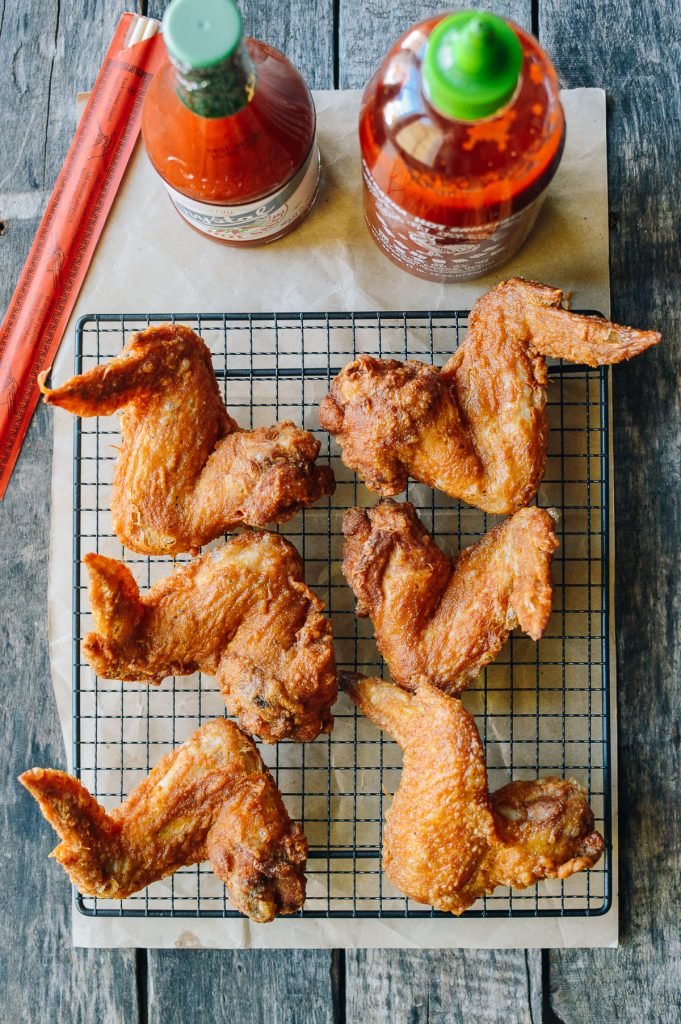
If you want crispy, juicy chicken wings that melt in your mouth, getting the temperature just right is key. Frying wings at the wrong heat can leave you with greasy, soggy bites or burnt edges.
But don’t worry—once you know the perfect temp to fry chicken wings, you’ll always nail that golden, crunchy finish. Keep reading, and you’ll discover exactly how to make your wings irresistible every single time.
Choosing The Right Oil
Choosing the right oil is key to frying perfect chicken wings. The oil affects taste, texture, and health. It also controls how the wings cook and crisp. Using the wrong oil can cause bad flavors or burnt wings. This section explains how to pick the best oil for frying chicken wings.
Best Oils For Frying Wings
Oils with a neutral taste and high heat tolerance work best. These oils do not change the flavor of the wings. They create a crispy, golden crust.
- Peanut oil – Popular for its mild flavor and high smoke point.
- Canola oil – Light taste and affordable option.
- Sunflower oil – Good for frying with a clean taste.
- Safflower oil – High smoke point and neutral flavor.
- Vegetable oil blends – Often made for frying with balanced properties.
Avoid oils with strong flavors like olive oil or butter for frying wings.
Smoke Points And Their Importance
Smoke point means the temperature when oil starts to burn and smoke. Frying wings requires oil that can handle high heat without burning. Burnt oil tastes bad and can harm health.
| Oil | Approximate Smoke Point (°F) |
|---|---|
| Peanut Oil | 450°F |
| Canola Oil | 400°F |
| Sunflower Oil | 440°F |
| Safflower Oil | 450°F |
| Vegetable Oil Blend | 400-450°F |
Choose oils with smoke points above 375°F for frying wings. This keeps oil stable and wings crispy.
Ideal Temperature Range
Chicken wings fry best between 350°F and 375°F. This range cooks wings evenly and keeps them crispy. Too hot burns the outside; too low makes them greasy.
Cooking chicken wings to the perfect crispiness requires the right temperature. Maintaining an ideal temperature ensures the wings are juicy inside and crunchy outside. The right temperature range is crucial for achieving this balance. It prevents the chicken from being greasy or undercooked.Optimal Frying Temperature
The best temperature for frying chicken wings is between 350°F and 375°F. This range ensures the wings cook evenly and develop a golden crust. At 350°F, the wings cook thoroughly without burning. At 375°F, they become extra crispy. Always use a thermometer to check oil temperature. This tool helps maintain consistent heat.Temperature Effects On Texture
Temperature greatly affects the texture of chicken wings. At lower temperatures, wings may turn out soggy. This happens because they absorb more oil. High temperatures, above 375°F, can cause burning. The skin becomes too hard, while the inside remains undercooked. Frying within the ideal range ensures a tender inside and a crispy exterior. This balance enhances the eating experience. Maintaining the right frying temperature is key to perfect chicken wings. With these tips, you can achieve the ideal texture and flavor.Preparing Wings For Frying
Preparing wings for frying is key to tasty, crispy results. Proper preparation helps the wings cook evenly and develop a crunchy texture. Start with clean, dry wings for the best frying experience.
Drying And Seasoning Tips
Pat the wings dry with paper towels to remove moisture. Dry wings fry better and become crispier. Excess water causes oil splatter and soggy skin.
Season wings before frying. Use simple salt and pepper for classic flavor. You can add garlic powder, paprika, or cayenne for extra taste. Season evenly on all sides.
Coating Options For Crispiness
Coating wings helps create a crunchy crust. Try a light dusting of flour or cornstarch. Cornstarch gives a crispier finish.
For more texture, mix flour with spices like paprika or black pepper. Another option is dipping wings in beaten egg, then coating with breadcrumbs or crushed crackers.
- Flour or cornstarch for a thin, crispy layer
- Breadcrumbs or crushed crackers for extra crunch
- Spices added to coatings for bold flavors
Choose the coating that suits your taste and enjoy perfectly fried wings every time.

Credit: theheartylife.org
Using A Frying Thermometer
Using a frying thermometer is essential for perfect chicken wings. It helps keep the oil at the right temperature. Too hot or too cold oil can ruin the wings’ texture and taste. A thermometer gives precise control and better results. It also improves safety by preventing overheating. Let’s explore different thermometer types and how to monitor oil temperature effectively.
Types Of Thermometers
- Dial Thermometers:Classic style with a round dial. Easy to use and read. Insert the probe into the oil for a quick reading.
- Digital Thermometers:Provide fast, accurate temperature readings. Often have a clear digital display. Some models come with alarms for preset temperatures.
- Infrared Thermometers:Measure surface temperature without touching the oil. Useful for quick checks but less accurate for deep oil temperature.
- Clip-On Thermometers:Attach to the side of the pot. Provide continuous temperature readings. Ideal for long frying sessions.
How To Monitor Oil Temperature
Start heating the oil slowly. Insert the thermometer probe into the oil, avoiding contact with the pot’s bottom. Watch the temperature closely.
Keep the oil between 350°F and 375°F (175°C to 190°C) for crispy wings. Adjust the heat to maintain this range. Lower the wings gently to avoid splashes.
Check the temperature often during frying. If it drops too low, the wings absorb more oil and become greasy. If it gets too high, the wings burn outside and stay raw inside.
After frying, remove the thermometer carefully. Clean it before storing. Proper thermometer use ensures tasty, crispy chicken wings every time.
Frying Techniques
Frying chicken wings to crispy perfection depends heavily on the frying techniques you use. The right method not only ensures an even cook but also locks in flavor and texture that keep you coming back for more. Understanding the nuances between different frying styles can change your whole wing game.
Batch Frying Vs. Single Frying
Batch frying means cooking wings in small groups rather than all at once. This helps maintain consistent oil temperature, which is crucial for that golden, crispy skin you want. I once tried frying all wings at once, and the oil temperature dropped so much that the wings turned greasy and soggy.
Single frying involves cooking all wings together in one go. It might seem faster, but it often leads to uneven cooking. Some wings may be undercooked while others are overdone. Which would you prefer: saving time or getting perfect wings every time?
- Batch frying:Keeps oil hot and wings crispy
- Single frying:Faster but risks soggy wings
Avoiding Overcrowding
Overcrowding the fryer is a common mistake that reduces oil temperature quickly. This leads to greasy wings that soak up oil instead of frying crisply. I’ve found that giving each wing enough space in the oil makes a huge difference in texture and taste.
When wings are crowded, they tend to stick together and cook unevenly. Instead, fry in smaller batches to keep the oil temperature stable and the wings separate. Do you want crispy wings or mushy ones? The choice is yours.
- Fry wings with space between them
- Use smaller batches to maintain oil heat
- Stir gently to prevent sticking
Credit: www.orchidsandsweettea.com
Signs Of Perfectly Fried Wings
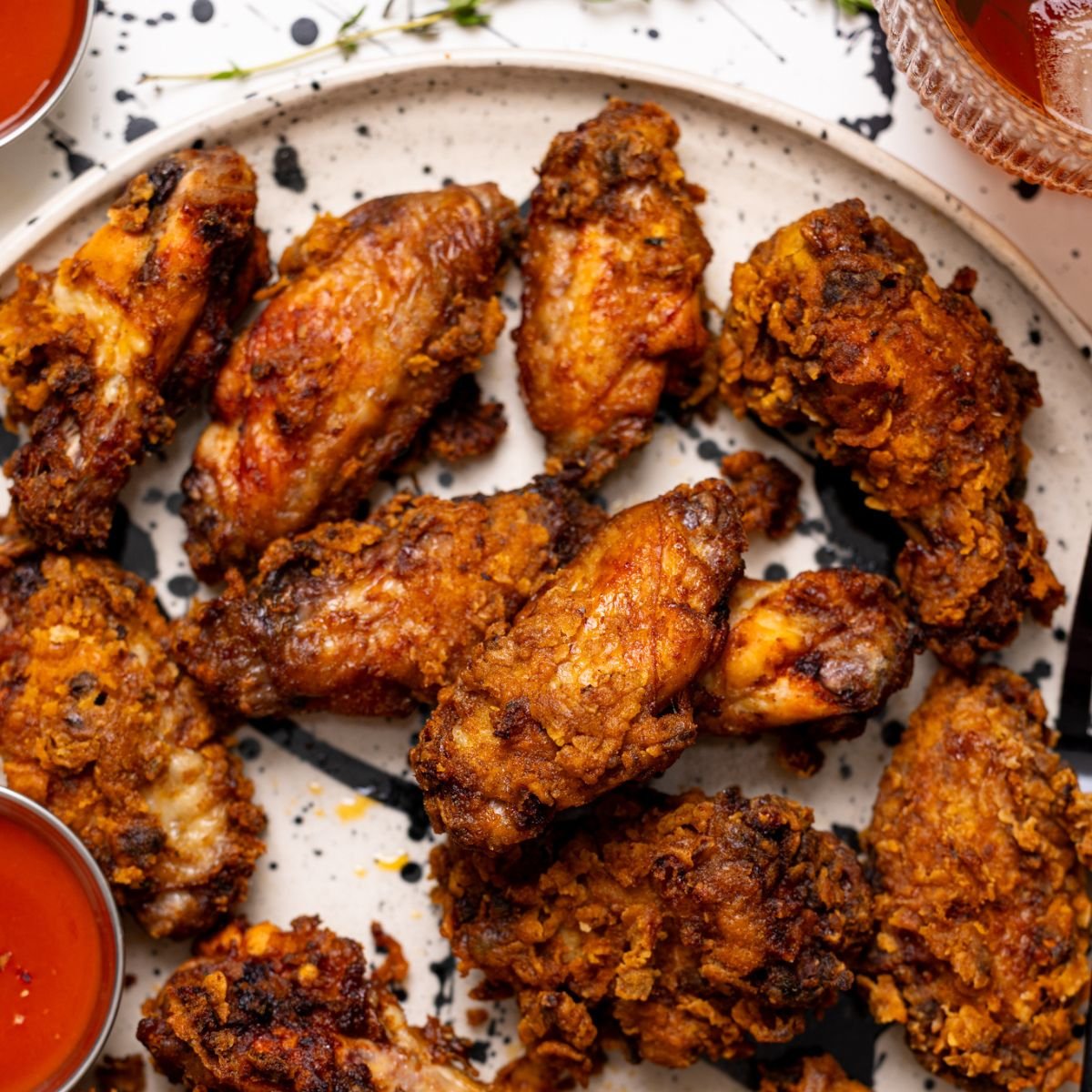
Perfectly fried chicken wings have clear signs that tell you they are done right. These signs help you avoid undercooked or soggy wings. Knowing what to look for makes frying easier and more enjoyable.
Visual Cues
- The wings turn golden brown, not pale or too dark.
- The skin looks crispy and slightly bubbly.
- No wet or greasy spots appear on the surface.
- The wings shrink slightly but still look plump.
Texture And Taste Indicators
- The skin feels crunchy, not soft or chewy.
- The meat inside is juicy and tender.
- No raw or pink parts inside the wing.
- The flavor is rich with a slight hint of oiliness.
Troubleshooting Common Issues
Frying chicken wings perfectly can sometimes feel like a challenge. You might end up with wings that are either too greasy or not crispy enough, which can be frustrating after all the effort you put into cooking. Let’s tackle these common problems so you can enjoy wings that are just right every time.
Wings Too Greasy
If your wings come out greasy, it usually means the oil temperature was too low. When the oil isn’t hot enough, wings absorb more oil instead of sealing in the juices.
Try keeping your oil between 350°F and 375°F. Use a kitchen thermometer to check the temperature accurately. Avoid overcrowding the fryer, since adding too many wings at once lowers the oil temperature quickly.
Another tip is to drain the wings on a wire rack instead of paper towels. This prevents them from sitting in excess oil and becoming soggy. Have you noticed how wings taste better when they’re rested properly after frying?
Wings Not Crispy Enough
Soft or limp wings are a sign that the frying process didn’t create a crispy crust. This can happen if the wings were wet or if the oil was too cool.
Pat your wings dry thoroughly before frying to avoid water causing the oil temperature to drop. Also, try frying in small batches to maintain a steady oil heat.
Consider double frying your wings. Fry once at a lower temperature (around 325°F) to cook through, then again at a higher temperature (375°F) to crisp up the skin. This simple trick makes a noticeable difference—have you tried double frying before?
Alternative Cooking Methods For Crispy Wings
Frying chicken wings to crispy perfection is a classic approach, but what if you want a healthier or more convenient option? Alternative cooking methods can deliver that satisfying crunch without deep frying. You just need to adjust temperature and technique to get the best results.
Oven-baking Tips
Baking wings in the oven can create a crispy exterior if done right. Preheat your oven to around 425°F (220°C) to ensure the wings cook quickly and develop a golden crust.
Use a wire rack on a baking sheet to allow air circulation around the wings. This helps prevent sogginess by letting the fat drip away. Pat your wings dry before seasoning to promote crispiness.
- Flip the wings halfway through cooking for even browning.
- Consider broiling for the last 2-3 minutes to add extra crunch.
- Use baking powder (not baking soda) sprinkled lightly to boost crisp texture.
Have you tried baking wings without oil? The results may surprise you if you keep the temperature high and avoid overcrowding the pan.
Air Fryer Settings
Air fryers are a game-changer for making crispy wings with less mess. Set your air fryer to 360°F (182°C) and cook the wings for about 25-30 minutes. Shake the basket every 5-7 minutes to keep the wings evenly crispy.
For an extra crispy finish, increase the temperature to 400°F (204°C) for the last 3-5 minutes. This technique mimics the final crisping step of traditional frying.
| Step | Temperature | Time | Tip |
|---|---|---|---|
| Initial cook | 360°F (182°C) | 25-30 min | Shake basket every 5-7 min |
| Final crisp | 400°F (204°C) | 3-5 min | Watch closely to avoid burning |
Have you noticed how air frying keeps the wings juicy inside while still giving you that crispy skin? It’s an easy way to enjoy wings without deep frying or heating up your kitchen.

Credit: www.wholesomeyum.com
Frequently Asked Questions
What Is The Ideal Temperature To Fry Chicken Wings?
The ideal temperature for frying chicken wings is 350°F (175°C). This ensures a crispy exterior and juicy interior. Maintaining this heat avoids greasy wings and uneven cooking. Use a deep fryer or a heavy pot with a thermometer for accuracy.
How Long Should Chicken Wings Be Fried?
Chicken wings should be fried for 8 to 10 minutes. Frying at the right temperature cooks them thoroughly and crisps the skin. Avoid overcooking to prevent dryness. Check for a golden brown color and internal temperature of 165°F (74°C).
Can I Fry Chicken Wings At A Lower Temperature?
Frying chicken wings below 325°F (163°C) is not recommended. Lower temperatures make wings greasy and less crispy. Proper frying requires hot oil to seal juices and create a crunchy crust. Stick to 350°F for the best results.
Should I Use Oil With A High Smoke Point For Frying Wings?
Yes, use oils like peanut, canola, or vegetable oil. These oils have high smoke points above 400°F (204°C). High smoke point oils prevent burning and impart a neutral flavor. Avoid olive oil as it smokes at lower temperatures.
Conclusion
Frying chicken wings at the right temperature ensures crispiness and juiciness. Too hot, and the wings burn outside but stay raw inside. Too low, and they absorb oil and become greasy. Aim for oil around 350°F (175°C) for the best results.
Keep an eye on the heat and cook in small batches. This way, wings cook evenly and taste great every time. Perfect wings start with the perfect frying temperature. Enjoy your crispy, delicious chicken wings!

Hi, I’m Daniel Brooks—a food lover and kitchen gear enthusiast. I enjoy testing cookware, utensils, and gadgets to see what really works in everyday cooking. At PlugChef.com, I share honest reviews, comparisons, and simple guides to help you choose the best tools for a safer, smarter, and more enjoyable kitchen.
Related posts:
 What Type of Cooking Utensils are Safe: Expert Picks
 What Innovations Could Blenders Make: Unleashing Future Tech
 Smart Strategies to Organize a Small Kitchen: Maximize Space
 How to Organize a Kitchen Cabinet: Expert Tips & Tricks
 How to Organize Kitchen Drawers: Expert Tips and Tricks
 How to Organize a Corner Kitchen Cupboard: Expert Tips

