
Have you ever found yourself standing on the edge of a crystal-clear lake, wondering which bait will tempt the fish to bite? You’re not alone.
Many anglers face the same challenge, and the question often arises: are spinnerbaits good in clear water? This common dilemma can be the difference between a successful day of fishing and heading home empty-handed. By the end of this article, you’ll uncover insights that could transform your fishing strategy forever.
We’ll dive into why spinnerbaits might just be your secret weapon, discussing their unique advantages and how they might work wonders in clear water. So, if you’re ready to elevate your fishing game and impress your friends with your newfound knowledge, keep reading!
Spinnerbait Basics
Fishing with spinnerbaits can be an exhilarating experience, especially when you know the basics. These versatile lures can be your secret weapon in clear water conditions. Understanding their components and types can enhance your fishing game significantly. Let’s dive into the essentials of spinnerbaits and see how they can become your go-to bait in clear waters.
Components And Design
Spinnerbaits are designed with a unique combination of components that make them effective. They typically consist of a wire frame, a jig head, a hook, and one or more blades. The blades spin around the wire, creating flash and vibration to attract fish.
The wire frame is often V-shaped, holding the blades at one end and the jig head at the other. The blades come in various shapes such as willow, Colorado, and Indiana, each providing different levels of flash and vibration. A brightly colored skirt is often attached to the jig head to mimic the movement of baitfish.
Have you ever noticed how fish are drawn to shiny objects? The spinning blades replicate this effect, making spinnerbaits particularly effective in clear water where visibility is high. The reflective quality of the blades can be irresistible to fish, drawing them in from a distance.
Types Of Spinnerbaits
Spinnerbaits come in several types, each suited for different fishing conditions. The most common types include in-line spinnerbaits and safety pin spinnerbaits. In-line spinnerbaits have a blade that rotates around the shaft, making them ideal for targeting fish in open water.
Safety pin spinnerbaits, on the other hand, have a bent wire with blades attached that spin around. This design is great for fishing near structures like rocks and logs, where fish often hide. You might find that certain types work better based on the water clarity and fish species you’re targeting.
Choosing the right type of spinnerbait can make a significant difference in your catch rate. Consider what kind of fish you’re after and the environment you’re fishing in. Have you tried experimenting with different types to see which yields better results? Sometimes, a change in blade shape or color can turn a slow day into a successful one.
Spinnerbaits are not just for seasoned anglers; they are excellent for beginners too. Their simple design and easy-to-use nature make them a favorite among many. So next time you’re out on the water, give spinnerbaits a try and see how they can enhance your fishing experience.
Clear Water Challenges
Spinnerbaits can be effective in clear water due to their ability to mimic small fish. Their flash and vibration attract curious fish, making them a valuable tool for anglers. Adjusting the color and size enhances their appeal, catering to different fish species and conditions.
Fishing in clear water presents unique challenges that can test even the most seasoned angler. The clarity of the water means fish can see everything, including your lure. This transparency demands a strategic approach to lure selection and presentation. Spinnerbaits, with their flashy blades and vibrant skirts, might seem like an odd choice, but they can be surprisingly effective if used correctly. Let’s dive into the factors that make clear water fishing tricky and how spinnerbaits fit into this puzzle.Visibility Factors
In clear water, visibility is your biggest ally—and your toughest opponent. Fish can easily spot your lure, but this also means they can scrutinize it closely. The visibility factor requires you to pay attention to the details. Choose spinnerbaits with colors that blend seamlessly into the natural environment. Opt for more subdued hues like silver or white rather than bright neon colors. This subtle approach can make the spinnerbait appear more natural and less threatening to wary fish. Have you ever noticed how fish react differently to lures depending on their color? It’s all about what feels familiar to them.Fish Behavior In Clear Water
Fish in clear water are more cautious and selective. They rely heavily on their keen eyesight to hunt and avoid predators. This cautious nature can make them harder to catch, but it also means they’re more responsive to realistic lures. Spinnerbaits mimic small prey with their movement and vibration. This realism can trigger the predatory instincts of fish, making them strike. Consider the speed and rhythm of your retrieve to match the natural swimming patterns of local baitfish. Have you ever tried varying your retrieve speed and noticed a sudden increase in bites? It’s all about finding that rhythm that speaks to the fish’s instincts. When fishing in clear water, think about the light conditions and the fish’s line of sight. Could adjusting your angle of approach make your spinnerbait more enticing? Sometimes, a slight change in perspective is all it takes to turn a cautious fish into a confident striker. Spinnerbaits in clear water might require a bit of finesse, but they can be a powerful tool in your fishing arsenal. Are you ready to tackle the challenge of clear water fishing with spinnerbaits?Spinnerbaits In Clear Water
Spinnerbaits are versatile lures for fishing in different water conditions. In clear water, they can be surprisingly effective. Their unique design and movement attract fish even in transparent environments. Understanding their advantages and choosing the right type is key. Let’s dive into why spinnerbaits work well in clear water.
Advantages Of Spinnerbaits
Spinnerbaits create vibrations that mimic small prey. This attracts fish from a distance. Their bright blades reflect light, catching a fish’s attention quickly. They can cover large areas fast, saving time and effort. Spinnerbaits work well in both deep and shallow waters. They are less likely to get snagged, making them ideal for weedy areas.
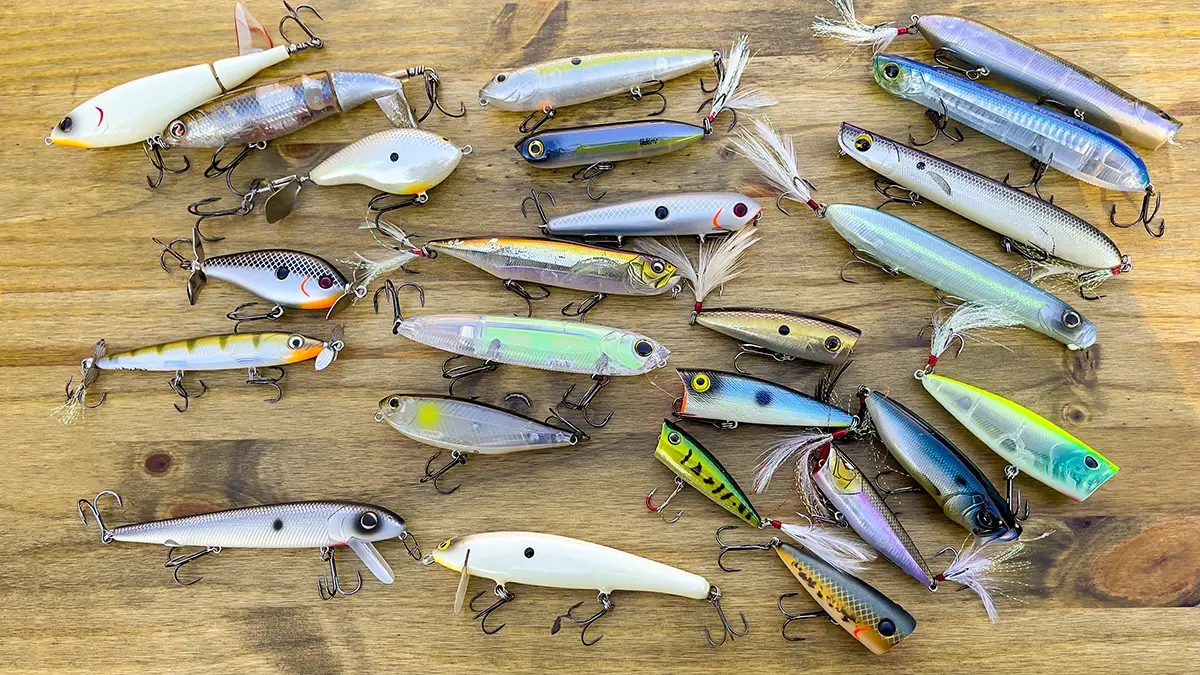
Selecting The Right Spinnerbait
Choosing the right spinnerbait increases your success in clear water. Select one with natural colors like silver or white. These colors blend well in clear environments. Smaller blades are ideal for clear water as they mimic smaller prey. Consider the weight too. Lighter spinnerbaits work better in shallow water. Heavier ones are suited for deeper areas. Adjust your selection based on water depth and clarity.
Credit: www.wired2fish.com
Techniques For Success
Spinnerbaits are a popular choice among anglers. Their versatility and effectiveness make them ideal for various water conditions. Yet, clear water fishing presents unique challenges. To succeed, use specific techniques. These methods enhance your chances of catching fish.
Retrieval Methods
Use a slow and steady retrieval. This method keeps the bait in the strike zone longer. Fish can see it better in clear water. Vary the speed occasionally. This triggers a reaction strike. Another method is the stop-and-go retrieval. Pause the bait every few feet. This mimics injured prey. Fish are more likely to strike.
Casting Strategies
Long casts are crucial in clear water. Fish spook easily. A longer cast keeps you out of sight. Cast parallel to the shore. This covers more water and targets fish near the edges. Use accurate casts near cover. Fish often hide in structure. Precise casting increases your chances of a catch.
Comparing With Other Lures
Choosing the right lure can make a difference in fishing success. Spinnerbaits offer a unique appeal in clear water. Anglers often compare them to other popular lures. Understanding these comparisons helps in making informed decisions.
Crankbaits Vs. Spinnerbaits
Crankbaits mimic the swimming motion of fish. They are effective in various water conditions. Spinnerbaits, on the other hand, create a flash and vibration. This attracts fish visually and through sound. Crankbaits dive deeper, drawing fish from lower depths. Spinnerbaits work well near the surface, enticing fish with their movement. In clear water, fish rely on sight. Spinnerbaits offer a visual allure that crankbaits might lack.
Soft Plastics Vs. Spinnerbaits
Soft plastics offer realistic movement. They mimic live prey well. Spinnerbaits, however, add a visual flair. Their blades spin, creating a shimmering effect. This is noticeable in clear water. Soft plastics require subtle, precise presentation. Spinnerbaits can be retrieved quickly, covering more area. They attract attention through speed and flash. In clear water, visibility is high. Spinnerbaits capitalize on this, drawing fish from afar.

Credit: wildoutdoor.org
Expert Tips
Spinnerbaits can work well in clear water if chosen carefully. Opt for natural colors to mimic local fish and subtle vibrations to attract wary predators. Adjust retrieve speed to match fish behavior for best results.
Spinnerbaits are often celebrated for their versatility in various water conditions. However, using them in clear water can be a bit tricky. Expert tips can make all the difference between a successful fishing day and a frustrating one. Here are some insights from seasoned anglers that might change how you approach clear water fishing with spinnerbaits.Pro Angler Insights
Many pro anglers swear by spinnerbaits, even in clear waters. The key is to adapt your approach. Opt for natural and subtle colors that mimic the local baitfish. Silver blades and translucent skirts often work wonders. Another tip from the pros is to focus on retrieval speed. A slower retrieve can help you mimic the natural movement of prey. This makes your lure appear less suspicious to cautious fish. Lastly, keep an eye on the weather. Bright sunny days might require more finesse compared to overcast conditions. Adjusting your technique to the environment can significantly boost your chances of success.Local Knowledge
Understanding local water bodies is crucial. Talk to local anglers or fishing guides who know the area well. They can provide invaluable insights into fish behavior and the best spots for using spinnerbaits. Each body of water is unique. While some areas might have fish that respond well to spinnerbaits, others may not. Adjust your tactics based on what you learn from those familiar with the local waters. Have you ever considered the impact of local aquatic vegetation on your lure choice? Dense vegetation can affect how your spinnerbait moves, so choose your spinnerbait accordingly. Your success in clear water often lies in these small but significant details. By embracing these expert tips, you’ll not only enhance your skills but also enjoy a more rewarding fishing experience. What other tricks have you learned from seasoned anglers? Share your thoughts and experiences in the comments!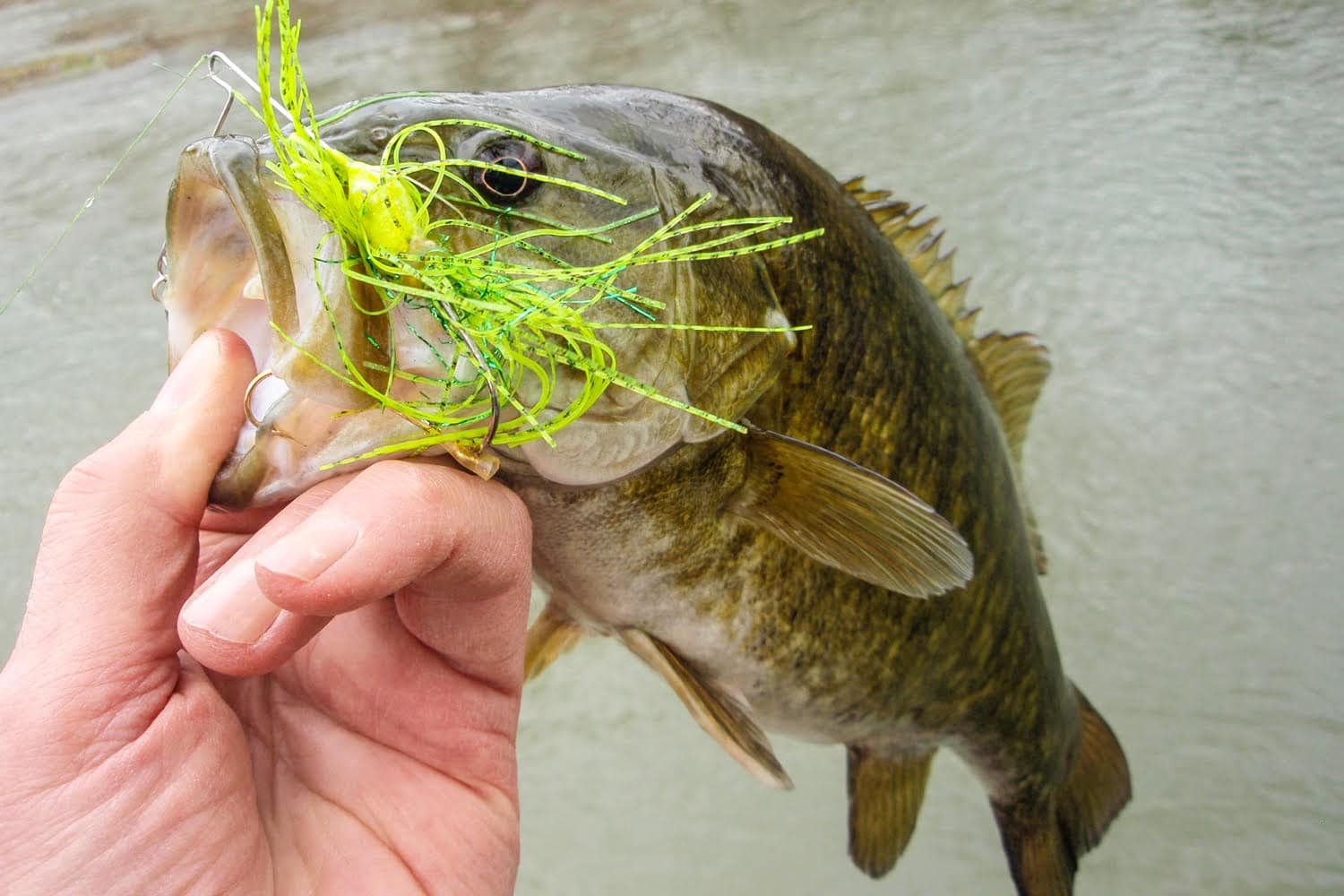
Credit: midwestoutdoors.com
Frequently Asked Questions
Is A Spinnerbait Good In Clear Water?
Yes, spinnerbaits work well in clear water. They mimic baitfish, attracting predatory fish. Choose natural colors and slow retrieval for best results.
What Is The Best Lure To Use In Clear Water?
Use natural-colored lures like soft plastics or crankbaits in clear water. These mimic local baitfish effectively. Bright or flashy colors can scare fish away. Opt for subtle, realistic presentations for better results.
What Is The Best Color For Spinnerbaits?
The best spinnerbait colors depend on water clarity and light conditions. Bright colors like chartreuse work well in murky waters. Natural colors like white or silver are effective in clear water. Experiment with combinations based on local fish species and conditions for optimal results.
What Conditions Should I Use Spinner Bait?
Use spinner bait in murky water, windy conditions, or when fish are active near the surface. It’s effective during overcast days or early mornings. Ideal for attracting bass and pike due to its vibration and flash. Suitable for fishing in areas with submerged structures or vegetation.
Conclusion
Spinnerbaits can work well in clear water. They mimic small prey, attracting fish. Choosing the right color is key. Natural shades blend in seamlessly. Keep movements slow and steady. Fish notice subtle vibrations. Experiment with sizes and shapes. Try different depths and speeds.
Patience often brings rewards. Many anglers find success with spinnerbaits. It’s all about adapting to conditions. Clear water challenges your skills. Stay observant and adjust tactics. Spinnerbaits offer versatility and excitement. Remember to enjoy the fishing experience.

I’m Abby Lu, a passionate home cook who loves simplifying everyday meals. At PlugChef.com, I share product reviews and cooking guides to help you find the best tools for your kitchen.
Related posts:
 What Type of Cooking Utensils are Safe: Expert Picks
 What Innovations Could Blenders Make: Unleashing Future Tech
 Smart Strategies to Organize a Small Kitchen: Maximize Space
 How to Organize a Kitchen Cabinet: Expert Tips & Tricks
 How to Organize Kitchen Drawers: Expert Tips and Tricks
 How to Organize a Corner Kitchen Cupboard: Expert Tips

