
Burns can happen in the blink of an eye, whether you’re cooking, camping, or just going about your day. When that painful moment strikes, knowing how to act fast makes all the difference.
That’s where a good first aid kit burn cream comes in—your quick and easy solution to soothe pain, reduce damage, and speed up healing. If you want to protect yourself and your loved ones from the unexpected, keep reading to discover what burn cream you need, how to use it, and why it should be a must-have in your first aid kit.
Your skin will thank you.
Types Of Burn Creams
Understanding the types of burn creams available can aid in proper first aid. Each type serves a unique purpose, catering to different needs and preferences. Knowing which cream to use can make a significant difference in healing and pain relief.
Antibiotic Burn Creams
Antibiotic burn creams help prevent infections in minor burns. These creams contain active ingredients like Neomycin or Bacitracin. They work by killing bacteria on the skin. Applying them reduces the risk of infection. Always clean the burn before applying antibiotic cream.
Pain Relief Burn Creams
Pain relief burn creams ease discomfort from burns. These creams often include Lidocaine or Benzocaine. They numb the affected area, providing temporary relief. Use them for minor burns where pain is a concern. Check for allergies before using pain relief creams.
Natural And Herbal Options
Natural and herbal burn creams use plant-based ingredients. Aloe vera and calendula are popular choices. These creams soothe and promote healing naturally. They are ideal for those preferring chemical-free options. Ensure the product is suitable for burn treatment.
Key Ingredients To Look For
Choosing the right burn cream for your first aid kit means knowing what ingredients help healing. These ingredients protect the skin, reduce pain, and speed recovery. Understanding these key components helps you pick a cream that works well for minor burns and skin irritations.
Antimicrobial Agents
Antimicrobial agents stop bacteria and germs from growing on burns. They prevent infections, which can slow healing. Common examples include:
- Silver sulfadiazine
- Neomycin
- Polymyxin B
- Bacitracin
These ingredients keep wounds clean and reduce the risk of complications.
Moisturizers And Soothing Components
Burned skin needs moisture to heal properly. Moisturizers help keep the skin soft and prevent drying. Some soothing components reduce redness and irritation. Look for ingredients like:
- Aloe vera
- Glycerin
- Vitamin E
- Panthenol (Provitamin B5)
These ingredients calm the skin and support faster recovery.
Pain Relievers
Burn creams may include mild pain relievers to ease discomfort. These ingredients help reduce burning and stinging sensations. Common pain relievers found in creams are:
- Lidocaine
- Pramoxine
- Benzocaine
They provide quick relief and make treatment more comfortable.
How Burn Creams Aid Healing
Burn creams play a crucial role in the healing process after a burn injury. They do more than just soothe pain—they actively support your skin’s recovery. Understanding how these creams work can help you choose the right one and apply it effectively for faster healing.
Preventing Infection
Burns damage the skin’s natural barrier, making it easier for bacteria to enter. Burn creams often contain antibacterial agents that help stop infections before they start. Using a burn cream can reduce the risk of complications that might slow down healing or cause scarring.
Have you ever noticed how a small cut left untreated can become painful and swollen? The same principle applies to burns. Applying a burn cream promptly creates a protective layer that keeps harmful germs out.
Reducing Inflammation
Inflammation is your body’s natural response to injury, but too much can cause extra pain and delay recovery. Many burn creams include ingredients that calm redness and swelling. This helps you feel more comfortable and allows your skin to repair itself without extra stress.
Think about how swelling can stiffen a joint after an injury. Reducing inflammation around a burn keeps the area more flexible and less painful, which can be especially important for burns on hands or feet.
Promoting Skin Regeneration
Burn creams often contain moisturizers and vitamins that encourage new skin growth. They keep the damaged area hydrated, which is essential for cells to multiply and replace the injured tissue. This process speeds up healing and reduces the chance of scarring.
Have you ever applied lotion to dry skin and noticed it felt softer and smoother after a few days? Burn creams do this on a deeper level by supporting your skin’s natural repair systems. Choosing a cream with ingredients like aloe vera or vitamin E can give your skin the boost it needs.

Credit: www.amazon.com.mx
When To Use Burn Creams
Knowing when to use burn creams can make a big difference in how well your skin heals after an injury. Burn creams are designed to soothe pain, reduce inflammation, and prevent infection, but they are not suitable for every type of burn. Understanding when to apply burn cream and when to seek medical help ensures you care for your skin safely and effectively.
Minor Burns
Burn creams are best for minor burns, such as first-degree burns or small second-degree burns. These burns usually cause redness, mild swelling, and pain but do not break the skin deeply. Applying burn cream in these cases helps keep the skin moist and speeds up healing.
If you accidentally touch a hot pan or get a sunburn, burn cream can provide quick relief and prevent the skin from drying out or cracking. Always clean the burn gently with cool water before applying the cream to avoid trapping dirt or bacteria.
Avoiding Use On Severe Burns
Severe burns require professional medical attention and are not appropriate for burn cream treatment. Deep second-degree or third-degree burns can destroy layers of skin and cause blisters or open wounds. Using cream on these burns might trap heat or cause infection, making the injury worse.
If the burn is large, looks white or charred, or if the skin is numb, do not apply burn cream. Instead, cover the area with a clean cloth and seek emergency help immediately.
Signs That Need Medical Attention
Sometimes a burn seems minor but can turn serious if you notice certain signs. Watch out for increasing pain, swelling, redness spreading beyond the burn, or pus forming around the wound. These symptoms suggest infection and need a doctor’s care.
Also, burns on sensitive areas like the face, hands, feet, or genitals should be checked by a healthcare professional. If you’re unsure about the severity, it’s better to ask a medical expert rather than risk complications.
Applying Burn Creams Safely
Applying burn cream correctly helps the skin heal faster and reduces pain. Careful steps keep the burn clean and avoid infections. Using the right amount and watching for allergies protects the skin from harm.
Cleaning The Burn Area
Wash hands before touching the burn. Gently rinse the burn with cool water to remove dirt. Avoid scrubbing or using harsh soaps. Pat the skin dry with a clean cloth. Keep the area clean to prevent infection.
Proper Amount And Frequency
Use a thin layer of burn cream. Too much cream can cause irritation. Apply enough to cover the burn but not overflow. Follow product instructions on how often to apply. Usually, reapply every few hours or after cleaning.
Avoiding Allergic Reactions
Test the cream on a small skin patch first. Watch for redness, itching, or swelling. Stop using the cream if any signs appear. Choose burn creams with simple, gentle ingredients. Consult a doctor if unsure about allergies.
Top Burn Creams For First Aid Kits
Burn creams are essential in every first aid kit. They help soothe pain and support healing quickly. Choosing the right burn cream ensures better care after minor burns or scalds.
These creams often contain ingredients that cool the skin and reduce inflammation. Some also protect against infection, which is crucial for wound recovery. A good burn cream must be safe, effective, and easy to apply.
Popular Brand Recommendations
- Neosporin Burn Relief – Contains pain relief and antibiotic properties.
- Silvadene Cream – Used widely for burns in medical settings.
- Aloe Vera Gel – Natural option that soothes and hydrates skin.
- Biafine Emulsion – Promotes skin repair and reduces discomfort.
Affordable Options
- Curad Burn Cream – Budget-friendly with antibacterial benefits.
- Burn Jel – Offers cooling effects and pain relief at low cost.
- Vaseline Petroleum Jelly – Inexpensive and helps protect damaged skin.
- Hydrocortisone Cream – Reduces inflammation and itching for minor burns.
Travel-friendly Choices
- Blistex Medicated Lip Ointment – Small and effective for lip burns.
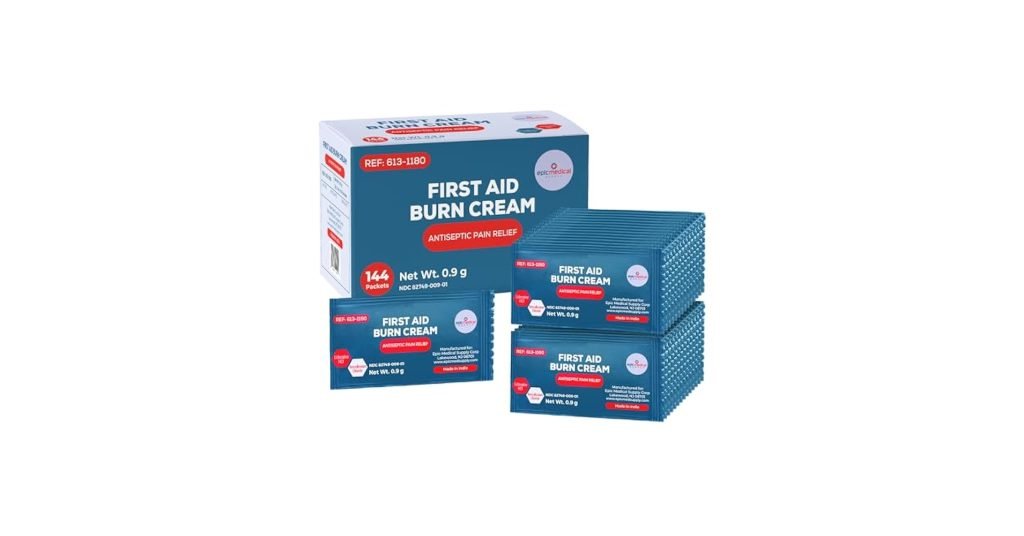
- Band-Aid Burn Cream Packets – Single-use packets easy to carry.
- Water Jel Burn Dressing – Compact and provides cooling relief.
- First Aid Only Burn Cream – TSA-approved size for air travel.
Maintaining Your First Aid Kit
Keeping a first aid kit ready is vital for quick and effective care. Regular maintenance ensures your supplies are safe and useful. A well-maintained kit can reduce injury risks and ease pain fast.
Checking Expiry Dates
Burn cream and other items lose effectiveness after expiry. Check all products monthly for expiration dates. Dispose of expired items safely. Replace them immediately with fresh supplies to ensure proper healing support.
Restocking Essentials
After use, restock your kit without delay. Keep an inventory list to track items. Essential items include burn cream, bandages, antiseptic wipes, and gloves. Update the list after every use or check.
Storage Tips
Store your first aid kit in a cool, dry place. Avoid direct sunlight and moisture to protect contents. Use a sturdy, waterproof container for better safety. Keep it accessible but out of children’s reach.

Credit: www.amazon.com.mx

Credit: www.amazon.com
Frequently Asked Questions
What Is Burn Cream In A First Aid Kit?
Burn cream is a topical treatment designed to soothe and protect minor burns. It reduces pain, prevents infection, and promotes healing. Most kits include burn creams with antibacterial properties and moisturizing ingredients to aid skin recovery.
How Do I Apply Burn Cream Safely?
Clean the burn area gently with cool water first. Apply a thin layer of burn cream using clean hands or a sterile applicator. Cover with a non-stick sterile dressing to protect the wound and avoid irritation.
Can Burn Cream Prevent Infection In Burns?
Yes, burn creams often contain antibacterial agents that help prevent infection. They create a protective barrier against bacteria. Applying burn cream promptly reduces the risk of complications in minor burns.
When Should I Use Burn Cream From A First Aid Kit?
Use burn cream immediately after a minor burn occurs. It helps soothe pain and accelerates healing. For severe burns, seek medical attention instead of relying solely on burn cream.
Conclusion
A good burn cream helps soothe pain and protect skin fast. Keep a first aid kit with burn cream ready at home or work. Treat burns quickly to avoid infection and scars. Choose a cream that cools, heals, and prevents damage.
Remember, small burns need care too. Always follow the instructions on the burn cream label. Staying prepared makes healing easier and safer. Take care of your skin after a burn. Simple steps can make a big difference.

I’m Abby Lu, a passionate home cook who loves simplifying everyday meals. At PlugChef.com, I share product reviews and cooking guides to help you find the best tools for your kitchen.
Related posts:
 What Type of Cooking Utensils are Safe: Expert Picks
 What Innovations Could Blenders Make: Unleashing Future Tech
 Smart Strategies to Organize a Small Kitchen: Maximize Space
 How to Organize a Kitchen Cabinet: Expert Tips & Tricks
 How to Organize Kitchen Drawers: Expert Tips and Tricks
 How to Organize a Corner Kitchen Cupboard: Expert Tips

