
Imagine you’re out fishing or enjoying a day by the water when suddenly, a small cut or scrape happens. What do you do?
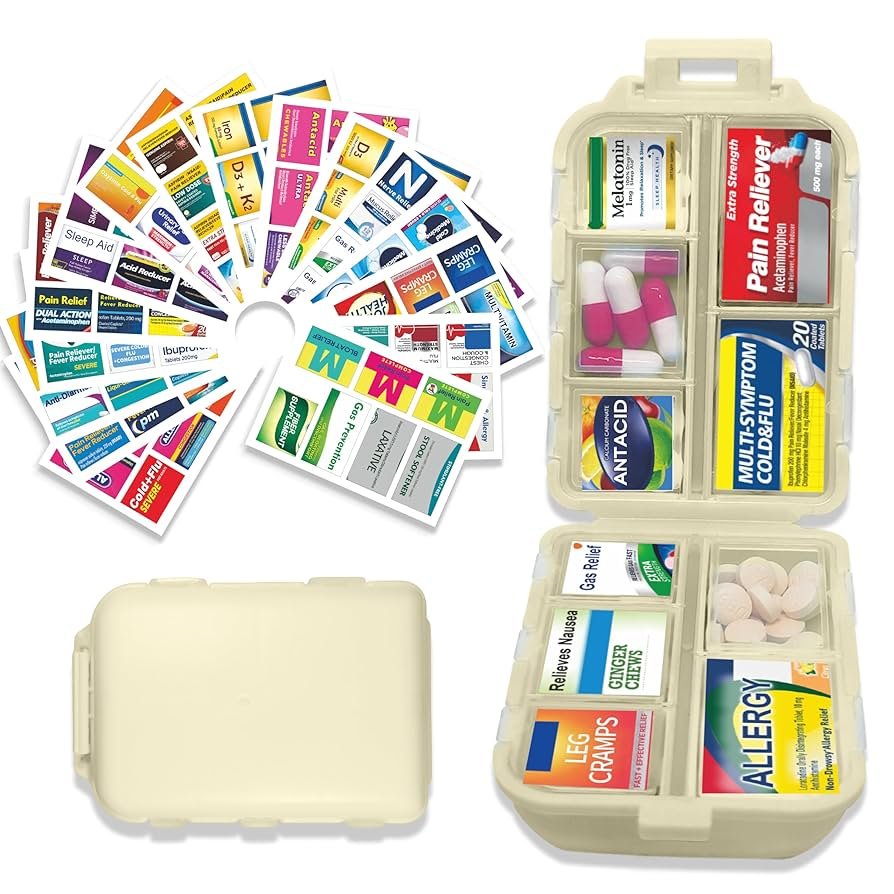
Having a Tackle Box First Aid Kit right by your side can turn a stressful moment into a simple fix. This isn’t just any first aid kit—it’s designed to fit perfectly in your tackle box, keeping your medical supplies organized and easy to reach.
If you want to stay safe and prepared without carrying bulky gear, this guide will show you exactly why a Tackle Box First Aid Kit is a must-have for your outdoor adventures. Keep reading to discover how it can protect you and your loved ones when it matters most.

Credit: www.mountainbuzz.com
Choosing The Right Tackle Box
Choosing the right tackle box for your first aid kit is crucial. It’s not just about storing medical supplies; it’s about ensuring easy access and organization during emergencies. This decision can mean the difference between quickly finding a bandage or struggling to locate crucial equipment. Let’s dive into what makes a tackle box the perfect fit for your first aid needs.
Size And Compartments
Think about the size of the tackle box. You want something large enough to hold all your essentials but compact enough to carry easily. Consider the number of compartments available. These compartments help in organizing items like gauze, antiseptic wipes, and band-aids separately for easy access. A cluttered box can lead to frustration during critical moments. Evaluate your needs and choose a box with compartments that match them.
Material Durability
Durability is key in selecting the right tackle box. Your box should withstand the rigors of outdoor activities and frequent handling. Look for materials like hard plastic or metal that offer longevity and protection for your supplies. A tackle box that falls apart easily can compromise your preparedness. Ensure the material is resistant to water and impact, keeping your medical supplies safe and intact.
Portability Features
Portability is an essential feature for a tackle box. Check for handles that provide a comfortable grip and a secure closure mechanism that prevents accidental spills. Consider a box that includes a shoulder strap for easy carrying during long hikes or camping trips. How easily can you transport your kit when mobility is crucial? A portable box ensures you’re ready to provide care wherever you are.

Credit: foodstorageorganizer.com
Must-have First Aid Supplies
Having a well-stocked tackle box first aid kit is essential for quick and effective care. It helps you handle minor injuries instantly. Knowing what supplies to include makes a big difference in emergencies.
Basic Wound Care Items
- Adhesive bandages in various sizes to cover cuts
- Sterile gauze pads for larger wounds
- Medical tape to secure dressings
- Antiseptic wipes to clean wounds and prevent infection
- Elastic bandages for sprains and strains
- Disposable gloves to keep hands clean and safe
Medications And Ointments
- Antibiotic ointment to protect wounds from bacteria
- Pain relief tablets like acetaminophen or ibuprofen
- Hydrocortisone cream to reduce itching and rashes
- Antihistamine tablets for allergic reactions
- Burn cream to soothe minor burns
Tools And Accessories
- Small scissors for cutting tape and gauze
- Tweezers for removing splinters or debris
- Thermometer to check for fever
- Instant cold pack to reduce swelling
- CPR face shield for safe resuscitation
- Emergency blanket to keep warm
Organizing Your First Aid Kit
Keeping a Tackle Box First Aid Kit organized helps find supplies fast. It saves time in emergencies. A well-arranged kit also ensures nothing is missing when needed most. Simple steps make organization easy and effective.
Categorizing Supplies
Sort items by type and use. Group bandages, ointments, tools, and medications separately. Use small containers or zip bags inside the tackle box. This prevents clutter and keeps items neat. Clear categories help locate items quickly.
Labeling For Quick Access
Use labels on containers or compartments. Write clear, large text for easy reading. Label sections as “Bandages,” “Antiseptics,” “Pain Relief,” or “Tools.” Labels guide you directly to what you need. Avoid searching during urgent moments.
Maintaining Inventory
Check your kit regularly. Remove expired items and restock used supplies. Keep a list of all contents and update it after each check. This practice ensures your kit is always ready. Staying prepared means safety is never compromised.
Customizing For Outdoor Activities
Customizing a tackle box first aid kit enhances safety during outdoor activities. Different adventures require different supplies. Tailoring the kit ensures readiness for specific risks and injuries.
Choosing the right items helps manage emergencies quickly. This approach reduces stress and improves confidence outdoors. Think about the activity, environment, and common injuries when packing your kit.
Hiking And Camping Essentials
Include items to treat cuts, scrapes, and insect bites. Blister pads and antiseptic wipes are important. Add a small roll of duct tape for gear repair and bandaging.
Extra pain relievers and allergy medicine help with common discomforts. Include a compact emergency blanket for cold nights. Waterproof matches or a lighter can support fire safety.
Fishing-specific Items
Add sting relief pads for fish hooks and insect stings. Tweezers and small scissors help remove hooks or splinters. Include antiseptic cream to prevent infection from water exposure.
Waterproof bandages protect wounds from moisture. Consider a small mirror for checking injuries. Pack extra gloves to handle fish safely and avoid cuts.
Seasonal Considerations
In summer, add sunscreen and insect repellent to the kit. Heat rash cream and hydration salts help with heat-related issues. In winter, include hand warmers and lip balm to prevent chapping.
Cold packs reduce swelling from sprains or bruises. Adjust supplies for rainy seasons by adding waterproof bags. Seasonal changes affect what your first aid kit must contain.
Tips For Using Your Kit Effectively
Having a Tackle Box First Aid Kit is a great start, but knowing how to use it effectively makes all the difference in an emergency. This kit can be your best friend during unexpected injuries, but only if you handle it with confidence and care. Let’s look at some practical tips that help you get the most out of your kit.
Basic First Aid Skills
Knowing what to do with the supplies in your kit is crucial. You don’t need to be a medical expert, but learning basic skills like cleaning wounds, applying bandages, and performing CPR can save lives. Consider taking a simple first aid course—many local organizations offer free or low-cost classes.
Practice these skills regularly so you don’t freeze when an emergency happens. Have you ever tried to bandage a cut without knowing the right technique? It’s harder than it seems. Being prepared means staying calm and acting quickly.
When To Seek Medical Help
Not every injury can be treated at home, and knowing when to call a doctor can prevent complications. If bleeding won’t stop, a wound looks deep, or if someone shows signs of a serious allergic reaction, don’t hesitate to get professional help. Your first aid kit is just the first step, not the final answer.
Ask yourself: Is the injury beyond your training? Are symptoms worsening? Use your kit to stabilize the situation, but always be ready to reach out for expert care.
Regular Kit Updates
Your Tackle Box First Aid Kit needs regular attention to stay ready. Check expiration dates on medications and replace used or damaged items promptly. Nothing is worse than needing a bandage and finding your supplies dried out or empty.
Keep a checklist and review your kit every few months. Add items based on your lifestyle or seasonal risks—extra insect sting treatment for summer, or cold packs for winter sports. A well-maintained kit means you’re always prepared for whatever comes your way.

Credit: www.amazon.in
Storing And Transporting Safely
Keeping your tackle box first aid kit stored and transported safely is crucial to ensure it’s ready when you need it most. A kit that gets wet, crushed, or exposed to extreme temperatures can lose its effectiveness. Taking simple, practical steps can help protect your supplies and give you peace of mind during your outdoor adventures.
Waterproofing Methods
Water and first aid supplies don’t mix well. To keep your kit dry, use waterproof bags or sealable plastic pouches inside the tackle box. You might also wrap your entire tackle box in a heavy-duty plastic bag or use waterproof tape around the edges.
Have you ever opened a soggy first aid kit only to find bandages stuck together? Avoid that by choosing tackle boxes made from water-resistant materials or with tight-sealing lids. Adding silica gel packets inside can help absorb any moisture that sneaks in.
Securing In Outdoor Gear
Think about where your tackle box fits best within your gear. Attaching it to your backpack’s external straps or inside a side pocket can keep it accessible yet protected. Make sure it’s snug to avoid bouncing around and damaging the contents.
Inside your vehicle or boat, place the tackle box in a spot where it won’t slide or tip over. Using velcro strips or bungee cords can hold it firmly in place. You don’t want to scramble for supplies because your kit shifted during travel.
Temperature Considerations
Extreme heat or cold can ruin certain first aid items like ointments, medications, and adhesive bandages. Store your tackle box away from direct sunlight and avoid leaving it in a hot car or freezing environment. Consider insulating the box with foam or cloth if you expect harsh temperatures.
Have you checked the expiration dates on your supplies after a hot summer trip? Temperature damage might not be visible but can reduce effectiveness. Regularly inspect and replace any compromised items to keep your kit reliable.
Frequently Asked Questions
What Is A Tackle Box First Aid Kit Used For?
A tackle box first aid kit organizes medical supplies for easy access. It’s ideal for outdoor activities like fishing and camping, ensuring quick treatment during emergencies. Its compartments keep items secure and visible, enhancing preparedness on the go.
How To Choose The Best Tackle Box First Aid Kit?
Choose a kit with durable compartments and essential medical supplies. Look for water-resistant materials and portability. Consider the type of activities you do and ensure it includes items like bandages, antiseptics, and pain relievers for effective first aid.
Can A Tackle Box First Aid Kit Be Customized?
Yes, tackle box first aid kits are highly customizable. You can add specific medical supplies based on your needs. This flexibility allows you to tailor the kit for fishing, hiking, or family use, ensuring all necessary items are included.
Why Is Portability Important For A First Aid Tackle Box?
Portability ensures you can carry the first aid kit easily during outdoor trips. A compact, lightweight tackle box allows quick access to medical supplies anywhere. This convenience is crucial for prompt treatment and safety in remote locations.
Conclusion
A tackle box first aid kit keeps your supplies neat and ready. It fits easily in bags or cars for quick access. Having one helps you act fast during small injuries. It saves time and reduces stress in emergencies. Keep it stocked with essentials and check it often.
This simple step ensures you stay prepared anywhere you go. Safety starts with being ready. A tackle box first aid kit is a smart choice.

I’m Abby Lu, a passionate home cook who loves simplifying everyday meals. At PlugChef.com, I share product reviews and cooking guides to help you find the best tools for your kitchen.
Related posts:
 What Type of Cooking Utensils are Safe: Expert Picks
 What Innovations Could Blenders Make: Unleashing Future Tech
 Smart Strategies to Organize a Small Kitchen: Maximize Space
 How to Organize a Kitchen Cabinet: Expert Tips & Tricks
 How to Organize Kitchen Drawers: Expert Tips and Tricks
 How to Organize a Corner Kitchen Cupboard: Expert Tips

