
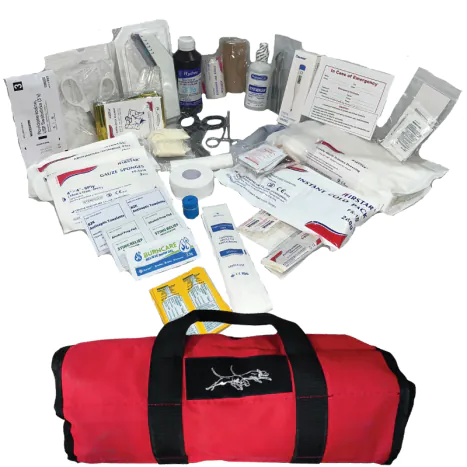
When you head out into the wild for a hunting trip, being prepared can make all the difference. Imagine facing a cut, scrape, or unexpected injury miles away from help—would you know what to do?
Your safety depends on having the right first aid kit ready to handle these emergencies. You’ll discover exactly what your first aid kit for hunters needs, so you can stay confident and protected every time you step into the great outdoors.
Keep reading to make sure you’re fully equipped for whatever comes your way.

Credit: www.amazon.com
Choosing The Right First Aid Kit
Choosing the right first aid kit is crucial for hunters. Accidents can happen anytime in the wild. A well-stocked kit helps handle emergencies effectively. Picking the right kit involves understanding your specific needs and the terrain you’ll face. Let’s explore some factors that will aid your decision.
Compact Vs Comprehensive Kits
Hunters often weigh between compact and comprehensive kits. Compact kits are lightweight and easy to carry. They contain essential items like bandages, antiseptic wipes, and basic tools. These kits suit short trips and light packing. On the other hand, comprehensive kits offer a wider range of supplies. They might include splints, burn creams, and more advanced medical tools. Such kits are ideal for extended hunts in remote areas. Consider your trip length and location before choosing.
Durability And Weather Resistance
Durability matters when selecting a first aid kit for hunting. The kit should withstand rough conditions and frequent use. Look for water-resistant materials. This protects contents from rain and moisture. A durable case ensures items remain intact and usable. Check for reinforced edges and sturdy zippers. These features enhance the kit’s lifespan and reliability. Choose a kit that can handle the challenges of the wild.
Customizing For Hunting Needs
Every hunting trip is unique. Customizing your first aid kit to suit specific needs can be beneficial. Consider the wildlife and terrain of your hunting area. Add items like insect repellent if bugs are common. Include blister pads for long hikes. Tailor the kit with personal medications and allergy treatments. Personalized kits ensure you have everything needed for safety. A customized kit prepares you better for unexpected situations.
Essential Medical Supplies
Having the right essential medical supplies in your first aid kit can make a huge difference during a hunting trip. Injuries can happen unexpectedly, and being prepared with targeted supplies ensures you can handle common issues quickly and effectively. Think about what you might face in the wild and pack your kit accordingly.
Wound Care Items
Cleaning and protecting wounds is critical to avoid infections. Your kit should include sterile gauze pads, adhesive bandages in various sizes, and antiseptic wipes. Adding a few butterfly closures or wound closure strips helps close deeper cuts when stitches aren’t an option.
Don’t forget medical tape to secure dressings firmly. You might be in rough terrain, so supplies that stay put despite movement are essential. If you’ve ever tried to treat a cut with just a cloth, you know how frustrating it can be without proper materials.
Burn And Blister Treatments
Burns and blisters can quickly turn a hunting trip into a painful ordeal. Include burn gel packets to cool and soothe the skin immediately after injury. Moleskin or blister pads protect hotspots and prevent painful rubbing against boots or gear.
Carrying a small tube of antibiotic ointment helps reduce the risk of infection in both burns and blisters. Have you ever had a blister slow you down? Preventing them before they worsen can keep you moving comfortably.
Pain Relief And Medications
Pain and inflammation can arise from minor injuries or muscle strain during long hikes. Pack over-the-counter pain relievers like ibuprofen or acetaminophen for quick relief. Antihistamines are also crucial if you encounter allergic reactions from insect bites or plants.
Consider including any personal medications you need, plus a few extras for unexpected situations. Imagine being miles from help with a throbbing headache or swelling; having these meds can be a lifesaver.
Tools And Equipment
Having the right tools and equipment in your first aid kit can make a huge difference during a hunting trip. These items go beyond bandages and antiseptics—they help you manage unexpected situations effectively. Think about what you’d really need if you were far from help or faced with harsh conditions.
Multi-use Tools
A multi-use tool is a must-have. It combines several functions like a knife, scissors, pliers, and screwdrivers into one compact device. This saves space and weight, which is crucial when you’re carrying your gear for miles.
Imagine needing to cut a piece of cloth for a makeshift bandage or tighten a loose screw on your equipment. A good multi-use tool lets you handle these tasks quickly. Choose one with a locking blade for safety and sturdy construction to last through tough situations.
Emergency Communication Devices
Staying connected in the wild can be life-saving. Devices like satellite messengers or personal locator beacons (PLBs) let you send distress signals even where there’s no cell service. Have you considered how long you could wait for help without one?
These gadgets are lightweight and easy to activate, giving you peace of mind. Some models also offer two-way messaging, so you can update your contacts on your status. Don’t rely solely on your phone; invest in a dedicated emergency communicator.
Navigation And Signaling Gear
Getting lost is a real risk while hunting, especially in dense forests or unfamiliar terrain. A reliable compass and a detailed map should always be part of your kit. GPS devices add convenience but can fail if batteries die or signals drop.
Signaling gear like whistles, signal mirrors, or brightly colored flags can help rescuers find you faster. Have you practiced using these tools before your trip? Knowing how to use them efficiently can save precious time in an emergency.

Credit: www.amazon.ca
Specialized Gear For Outdoor Injuries
Outdoor injuries require specific gear that goes beyond basic first aid supplies. Hunters face unique risks in the wild. Specialized equipment helps treat bites, stings, cold exposure, and allergic reactions. Carrying the right tools ensures quick response and better outcomes.
Snakebite And Insect Sting Kits
Snakebites and insect stings can cause serious harm. Kits designed for these emergencies include suction devices, antiseptic wipes, and bandages. Some kits have snakebite extractors to reduce venom impact. Insect sting kits often contain antihistamines and sting relief pads. Having these kits ready helps manage pain and swelling fast.
Hypothermia Prevention Supplies
Cold weather can lead to hypothermia, a dangerous drop in body temperature. Supplies like thermal blankets, hand warmers, and emergency heat packs protect against cold. Insulated gloves and hats also help maintain body heat. These items keep hunters warm and reduce the risk of hypothermia during long hunts.
Allergy And Anaphylaxis Equipment
Allergic reactions can escalate quickly in the wild. Carrying allergy kits with antihistamines is important. For severe allergies, an epinephrine auto-injector (EpiPen) is essential. This device can save lives by stopping anaphylaxis. Hunters with known allergies must always have this equipment accessible.
Maintaining And Updating Your Kit
Keeping your first aid kit ready and reliable is crucial for every hunter. A kit that’s well-maintained can make the difference between a minor inconvenience and a serious emergency. You need to stay on top of its condition and contents to ensure it meets your changing needs out in the field.
Regular Checks And Replenishing
Set a schedule to check your kit, ideally before each hunting trip. Look for expired medications, used bandages, or damaged tools. Replace anything that’s missing or past its prime to avoid surprises.
Think about the last time you grabbed your kit in a hurry—did everything work as expected? If not, that’s a signal to refresh your supplies. Keeping a checklist can help you track what’s inside and what needs restocking.
Adapting To Seasonal Changes
Hunting conditions change with the seasons, and so should your first aid kit. Cold weather might require adding extra warm packs or frostbite treatments. Hot seasons call for more hydration aids and sunburn care.
Consider the specific risks each season brings. Is there a higher chance of insect bites in summer? Are scratches from thorny bushes more common in fall? Tailoring your kit to these variations keeps you prepared for real situations.
Training And Practice
Having the right supplies isn’t enough if you don’t know how to use them. Regularly practice basic first aid skills like bandaging wounds, stopping bleeding, and treating shock. This builds confidence and ensures you react swiftly when needed.
Try running drills with your hunting group or family. Practicing in realistic settings helps you identify gaps in your kit and skills. When was the last time you refreshed your first aid knowledge?
Packing And Carrying Tips
Packing and carrying a first aid kit for hunting requires careful planning. Hunters must balance accessibility, weight, and protection. A well-packed kit ensures quick response to injuries. It also fits comfortably without slowing down movement. Use these tips to prepare your kit efficiently.
Accessibility During Hunts
Place your first aid kit where you can reach it fast. Attach it to your belt or backpack strap. Avoid deep pockets or tightly packed bags. Use bright colors or reflective strips for easy spotting. Keep essential items like bandages and antiseptics at the top. Quick access saves precious time during emergencies.
Weight Management
Keep the kit light to avoid fatigue. Only pack essential items needed for hunting trips. Use compact and multi-purpose supplies to reduce bulk. Choose lightweight containers or pouches for packing. Distribute weight evenly if carrying multiple packs. Light kits help maintain agility and focus.
Waterproofing Strategies
Protect your first aid kit from water damage. Use waterproof bags or dry sacks for packing supplies. Seal all openings with tape or plastic covers. Store sensitive items like medications in ziplock bags. Check your kit regularly to ensure dryness. Waterproofing keeps supplies effective and ready for use.

Credit: www.petersenshunting.com
Frequently Asked Questions
What Essential Items Should A Hunter’s First Aid Kit Include?
A hunter’s first aid kit must include bandages, antiseptic wipes, tweezers, pain relievers, and a tourniquet. These items help treat cuts, scrapes, insect bites, and bleeding quickly in remote areas. Adding a whistle and emergency blanket is also wise for safety.
How Do I Choose The Right First Aid Kit For Hunting?
Select a kit designed for outdoor and hunting use. It should be compact, waterproof, and contain supplies for common hunting injuries. Look for kits with snake bite kits, wound dressings, and tools for splinters or ticks. Durability and ease of access matter most.
Why Is A First Aid Kit Important For Hunters?
Hunters face risks like cuts, animal bites, and falls. A first aid kit provides immediate treatment to reduce infection and injury severity. It improves safety in remote locations where medical help may be far away. Being prepared can save lives.
How Often Should I Check And Update My Hunting First Aid Kit?
Check your first aid kit before every hunting trip. Replace expired medications and used supplies promptly. Regular updates ensure you have effective, fresh materials to handle emergencies efficiently in the field.
Conclusion
A good first aid kit keeps hunters safe in the wild. It helps treat cuts, bruises, and insect bites fast. Always check your kit before you go hunting. Keep it easy to carry and use. Being ready can prevent small injuries from getting worse.
Safety should be a top priority on every hunting trip. Stay prepared, stay safe, and enjoy your time outdoors.

I’m Abby Lu, a passionate home cook who loves simplifying everyday meals. At PlugChef.com, I share product reviews and cooking guides to help you find the best tools for your kitchen.
Related posts:
 What Type of Cooking Utensils are Safe: Expert Picks
 What Innovations Could Blenders Make: Unleashing Future Tech
 Smart Strategies to Organize a Small Kitchen: Maximize Space
 How to Organize a Kitchen Cabinet: Expert Tips & Tricks
 How to Organize Kitchen Drawers: Expert Tips and Tricks
 How to Organize a Corner Kitchen Cupboard: Expert Tips

