
When you think about your first aid kit, what comes to mind? Bandages, antiseptic wipes, maybe some pain relievers?
But have you ever considered the importance of antibiotics in your kit? Having the right antibiotics on hand can be a game-changer when dealing with cuts, scrapes, or infections. They can stop a small problem from turning into something much worse.
You’ll discover which antibiotics are essential for your first aid kit, how to use them safely, and why they could protect you and your loved ones in unexpected situations. Keep reading—you don’t want to be caught unprepared.
Choosing Antibiotics For First Aid
Choosing the right antibiotics for a first aid kit helps prevent infections from minor cuts and wounds. Keep common types like topical creams and oral tablets for quick treatment. Always check expiration dates and store them properly for safety.
Choosing the right antibiotics for your first aid kit requires careful thought. Antibiotics fight bacterial infections and can be crucial in emergency situations. Having them on hand ensures quick action when needed. Understanding which antibiotics are suitable for your kit helps make informed choices.Common Types Of Antibiotics
Different antibiotics treat various types of infections. Penicillin is effective against strep throat and skin infections. Amoxicillin works well for ear infections and pneumonia. Doxycycline treats respiratory infections and certain skin conditions. Knowing these common types can guide your selection.Criteria For Selection
Select antibiotics based on specific criteria. Consider the types of infections you might encounter. Evaluate the shelf life; choose antibiotics with longer expiration dates. Check for allergies; avoid antibiotics you are allergic to. Look for antibiotics with broad-spectrum capabilities to cover multiple bacterial infections.Over-the-counter Vs Prescription
Over-the-counter antibiotics are limited in scope. Prescription antibiotics offer a wider range of treatment options. Consult a healthcare professional for prescriptions suitable for your needs. Prescription antibiotics ensure you have the correct medication for potential emergencies. Always follow medical advice for safe use.
Credit: www.amazon.com
Top Antibiotics For First Aid Kits
Choosing the right antibiotics for your first aid kit can make all the difference during emergencies. Having effective antibiotics on hand helps you manage minor infections quickly and prevents complications. Knowing which types to include ensures you’re prepared for various situations, from small cuts to more serious infections.
Antibiotic Ointments
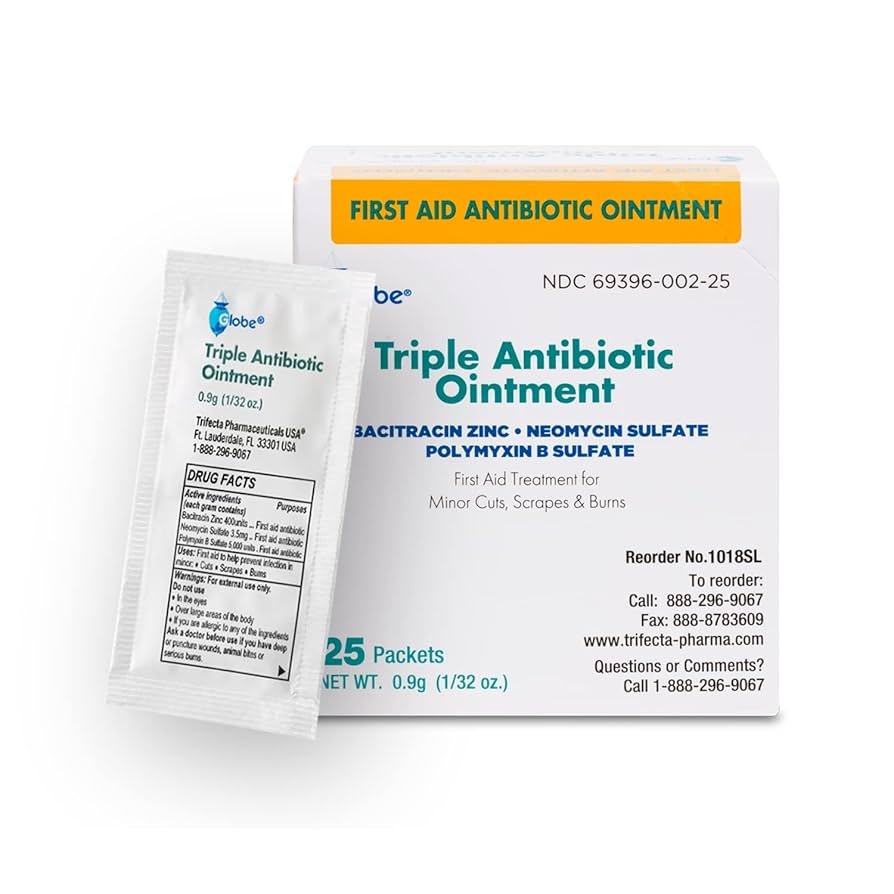
Antibiotic ointments are essential for treating minor cuts, scrapes, and burns. They create a protective barrier while fighting bacteria directly on the skin. Popular options like Neosporinand Bacitracinare easy to apply and help reduce the risk of infection.
Keep these ointments in small tubes or packets for convenience. Remember, ointments are only for external use and should not be applied to deep wounds without medical advice. Have you ever noticed how fast a cut heals with the right ointment?
Oral Antibiotics For Infections
Oral antibiotics play a crucial role when infections go beyond the skin’s surface. They are prescribed to treat bacterial infections such as strep throat, urinary tract infections, or infected wounds. Common choices include amoxicillinand cephalexin.
Including oral antibiotics in a first aid kit requires careful consideration and consultation with a healthcare professional. You should store them properly and know the recommended dosage. Would you feel confident administering oral antibiotics if a family member showed signs of infection?
Antiseptic Solutions
Antiseptic solutions help clean wounds before applying antibiotics. They kill bacteria and reduce contamination risks. Solutions like hydrogen peroxide, povidone-iodine, and chlorhexidineare common choices.
Use antiseptics to flush out dirt and debris, preparing the wound for ointments or dressings. Keep in mind that some antiseptics can irritate sensitive skin, so test carefully. How often do you think about cleaning a wound properly before treating it?
When To Use Antibiotics
Antibiotics play a key role in treating infections during emergencies. Knowing when to use them in your first aid kit is vital. Using antibiotics wisely helps avoid complications and speeds healing. Not all wounds need antibiotics. Understanding infection signs and proper wound care guides safe use.
Signs Of Infection
- Redness around the wound
- Swelling or warmth near injury
- Pain that worsens over time
- Pus or cloudy discharge
- Fever or chills
These symptoms suggest the body fights bacteria. Antibiotics may be necessary to control infection.
Wound Care Basics
Clean wounds gently with water. Remove dirt and debris carefully. Use sterile dressings to cover injuries. Change dressings daily or if wet or dirty. Proper care reduces infection risk and might stop the need for antibiotics.
Avoiding Overuse
Using antibiotics too often can cause resistance. This makes bacteria harder to kill later. Only use antibiotics for clear infections. Follow dosage instructions exactly. Never share leftover antibiotics or use old ones.
Storage And Shelf Life
Storing antibiotics correctly in your first aid kit is crucial to ensure they work effectively when you need them most. Improper storage can reduce their potency, making treatments less effective or even unsafe. Understanding how to handle antibiotics and their shelf life can save you from unexpected health risks.
Proper Storage Conditions
Antibiotics should be stored in a cool, dry place away from direct sunlight. Avoid keeping them in bathrooms or near kitchen sinks, where humidity can damage the medication. A dedicated, sealed container in a room with stable temperature is ideal.
Some antibiotics require refrigeration, so always check the label. If you’re unsure, consult your pharmacist to confirm the best storage method. Keeping antibiotics in their original packaging helps protect them and provides important information.
Expiration Dates
Expiration dates on antibiotic packages are not just suggestions—they mark when the medicine starts to lose its effectiveness. Using expired antibiotics can be risky, as they might not fight infections properly. Have you ever checked the dates on your first aid kit meds before?
Keep track of expiration dates and replace antibiotics regularly. Organizing your kit by date can help you spot which items need updating. A quick tip: write the date you opened the bottle to monitor its viability better.
Disposal Of Expired Antibiotics
Throwing expired antibiotics in the trash or flushing them down the toilet can harm the environment. Instead, look for local drug take-back programs or pharmacy disposal options. These methods ensure safe and responsible disposal.
If no take-back options are available, mix the antibiotics with an undesirable substance like used coffee grounds, place them in a sealed bag, and then toss them in the trash. This prevents accidental ingestion by children or pets. Have you checked your community’s guidelines for medicine disposal lately?
Safety Tips And Precautions
Antibiotics can be a valuable addition to your first aid kit, but they must be used with care. Understanding safety tips and precautions helps you avoid risks and ensures effective treatment. Let’s look at key points to keep in mind when handling antibiotics.
Possible Allergic Reactions
Allergic reactions to antibiotics can range from mild rashes to severe, life-threatening conditions like anaphylaxis. If you notice symptoms such as itching, swelling, difficulty breathing, or hives after taking an antibiotic, stop using it immediately and seek emergency help.
Have you ever wondered how to recognize subtle signs of an allergy early? Knowing these signs can save your life or someone else’s. Always inform your healthcare provider about any past allergies to medications to prevent dangerous surprises.
Dosage Guidelines
Taking the right dose of antibiotics is crucial. Too little may not clear the infection, while too much can cause harmful side effects. Follow the dosage instructions exactly as prescribed or stated on the packaging.
Never guess the dose or stop taking antibiotics early just because you feel better. Stopping too soon can allow bacteria to survive and become resistant. Ask yourself: Are you confident about how much and how often to take your medication?
Consulting Healthcare Professionals
Before using antibiotics from your first aid kit, consult a healthcare professional whenever possible. They can confirm if an antibiotic is necessary and which type fits your specific condition. Self-medicating without guidance can lead to misuse and complications.
Think about the last time you asked for medical advice before using medication. Did it change your outcome? Making this a habit can protect your health and improve recovery. Remember, antibiotics are powerful tools that need expert handling.

Credit: www.amazon.com

Credit: www.amazon.com
Frequently Asked Questions
What Antibiotics Should Be In A First Aid Kit?
Essential antibiotics for a first aid kit include topical ointments like Neosporin and oral options like amoxicillin. These help treat minor infections and prevent complications. Always consult a healthcare professional before use, especially for oral antibiotics.
Can Antibiotics Treat All First Aid Injuries?
No, antibiotics only treat bacterial infections. They are ineffective against viral infections, burns, or simple cuts without infection. Proper wound cleaning and care are crucial alongside antibiotics to ensure healing and prevent infection.
How Should Antibiotics Be Stored In A First Aid Kit?
Store antibiotics in a cool, dry place away from direct sunlight. Keep them sealed and check expiration dates regularly. Proper storage maintains their effectiveness and safety for emergency use.
When Should I Use Antibiotics From My First Aid Kit?
Use antibiotics only if signs of infection appear, like redness, swelling, or pus. Avoid unnecessary use to prevent antibiotic resistance. Always seek medical advice for severe wounds or if symptoms worsen.
Conclusion
Antibiotics play a key role in any first aid kit. They help stop infections early and keep wounds clean. Always choose the right antibiotic for common injuries. Store them properly and check expiration dates often. Remember, antibiotics do not work for every problem.
Use them carefully and follow medical advice when needed. A well-stocked first aid kit can protect you and your family. Stay prepared, stay safe.

I’m Abby Lu, a passionate home cook who loves simplifying everyday meals. At PlugChef.com, I share product reviews and cooking guides to help you find the best tools for your kitchen.
Related posts:
 What Type of Cooking Utensils are Safe: Expert Picks
 What Innovations Could Blenders Make: Unleashing Future Tech
 Smart Strategies to Organize a Small Kitchen: Maximize Space
 How to Organize a Kitchen Cabinet: Expert Tips & Tricks
 How to Organize Kitchen Drawers: Expert Tips and Tricks
 How to Organize a Corner Kitchen Cupboard: Expert Tips

