
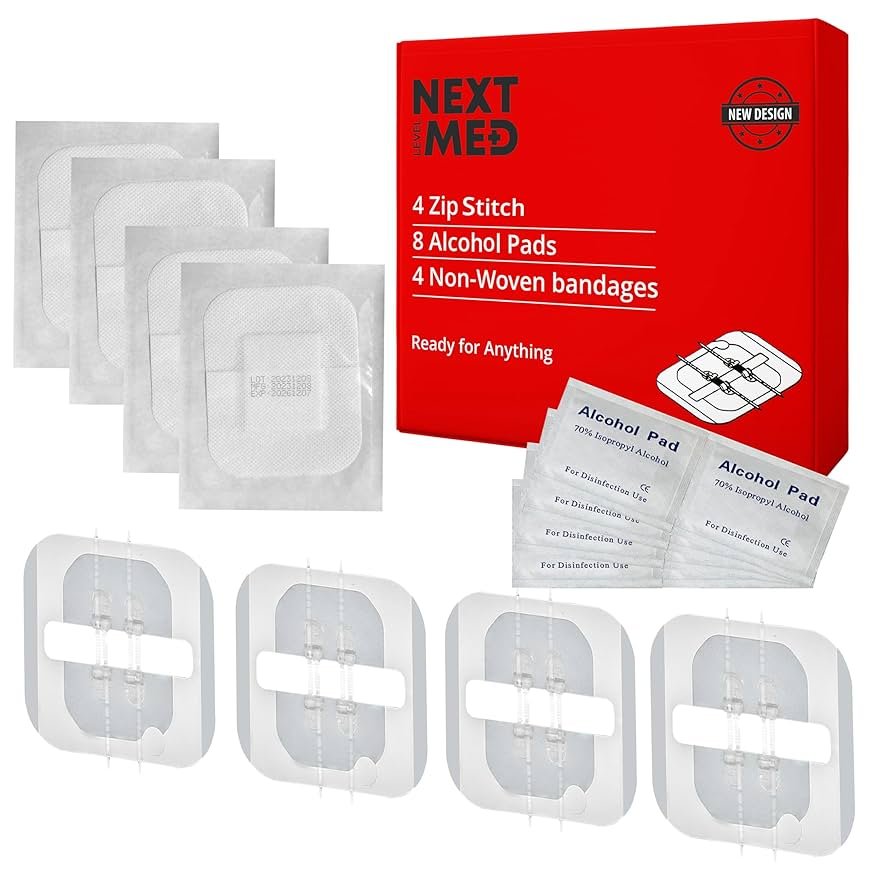
When accidents happen, being prepared can make all the difference. Imagine having a first aid kit that not only stops bleeding but also helps close wounds quickly—saving you time and pain.
A first aid kit with stitches gives you that power. It’s more than just bandages and antiseptic; it’s your secret weapon to handle cuts that need more than a simple patch. You’ll discover why having stitches in your first aid kit matters and how it can protect you and your loved ones when every second counts.
Keep reading to find out how to choose the right kit and use it with confidence.

Credit: www.amazon.com
Importance Of First Aid Kits
First aid kits are essential tools that provide immediate care during unexpected injuries and health emergencies. They are not just a collection of bandages and antiseptic wipes; they are a vital lifeline in critical moments. Whether you’re at home, in the workplace, or traveling, having a well-stocked first aid kit can make a significant difference in managing minor injuries and potentially saving lives.
Role In Emergency Situations
Imagine you’re hiking and a friend falls, sustaining a deep cut. A first aid kit equipped with stitches can be a game-changer. It allows you to address the wound promptly, reducing the risk of infection and complications. In emergencies, where professional medical help might be far away, such kits empower you to take decisive action. Would you feel prepared to handle such a situation without one?
Consider your daily life. Accidents happen when least expected. A first aid kit ensures you’re ready to tackle these surprises head-on. It provides peace of mind, knowing you can offer immediate care until professional help arrives. This readiness can be the difference between a minor issue and a major health crisis.
Basic Components
A comprehensive first aid kit should contain more than just adhesive bandages. Essential components include sterile gauze, antiseptic wipes, and scissors. For those equipped with stitches, having sterile needle and thread is crucial. These items allow you to effectively manage more serious injuries.
Don’t forget about other useful tools. Tweezers, adhesive tape, and a basic first aid manual are invaluable. They help you handle different types of injuries with confidence. Make it a habit to review and replenish your kit regularly. This ensures you’re always prepared for emergencies.
Have you ever considered what your first aid kit lacks? Take a moment to assess its contents. Ensuring it has the right components can transform it into a powerful resource during emergencies.
Adding Stitches To Your Kit
Adding stitches to your first aid kit can make a crucial difference in handling deeper cuts or wounds that simple bandages can’t manage. Having the right supplies and knowing when to use them empowers you to act quickly and confidently in emergencies. Let’s look at what types of stitches you might include and how to decide when to actually use them.
Types Of Stitches Included
Not all stitches are the same, and your kit should reflect the most practical options for common injuries.
- Steri-Strips:These adhesive strips are easy to apply and good for small, shallow cuts. They don’t require needles and are ideal for quick fixes.
- Simple Interrupted Sutures:These are individual stitches, each tied off separately. They’re versatile and commonly used for wounds that need precise closure.
- Continuous Sutures:A single thread runs along the wound, making closure faster but slightly more complex to remove later.
Including a basic suture kit with sterile needles, thread, and a needle driver can prepare you for more serious injuries. Remember, sterile packaging is key to avoid infections.
When To Use Stitches
Knowing when to use stitches can prevent complications and speed up healing.
- If the wound edges don’t stay together on their own, stitches can help close the gap effectively.
- Deep cuts that are longer than half an inch or wounds that gape open often require stitches to heal properly.
- Wounds with jagged edges or those located on the face, hands, or joints usually benefit from stitches to reduce scarring and maintain function.
Think about a time you or someone you know had a cut that just wouldn’t stop bleeding or kept reopening. Having stitches available can save you a trip to urgent care and reduce the risk of infection.
Ask yourself: Do you feel prepared to handle a deeper cut if it happens to you or someone nearby? Adding stitches to your kit and learning when to use them puts control in your hands during unexpected moments.
Choosing The Right Kit
Choosing the right first aid kit with stitches is crucial for effective wound care. The kit must fit your needs and be easy to carry. It should contain quality materials that help in quick and safe treatment. Consider important factors before making a choice to ensure preparedness in emergencies.
Size And Portability
The size of the kit affects where you can keep it. A compact kit fits in bags, cars, or backpacks easily. Portability ensures quick access during emergencies. Small kits are good for travel or outdoor activities. Larger kits may hold more supplies but are less convenient to carry.
Quality Of Materials
The materials in the kit must be reliable and safe to use. Sterile stitches prevent infections and promote faster healing. Look for kits with medical-grade thread and needles. The packaging should keep items clean and protected from damage. Quality materials increase confidence in handling injuries properly.

Credit: www.amazon.com
How To Use Stitches Safely
Using stitches safely is crucial to avoid infections and ensure proper healing. Knowing the right way to handle and apply stitches can prevent complications. This guide helps you understand how to use stitches with care and attention.
Step-by-step Guide
- Clean the wound with sterile water or saline solution.
- Dry the area gently with a clean cloth or gauze.
- Put on sterile gloves to avoid germs.
- Use a needle holder to handle the needle carefully.
- Insert the needle on one side of the wound, keeping it even.
- Pull the thread through without causing extra pain.
- Repeat stitches evenly along the wound edges.
- Tie knots tightly but not too tight to avoid skin damage.
- Cut excess thread, leaving a small tail for easy removal.
- Cover the stitched wound with a sterile bandage.
Precautions And Hygiene
- Always wash hands before and after stitching.
- Use only sterile needles and thread from your first aid kit.
- Keep the wound clean and dry after stitching.
- Avoid touching stitches with dirty hands.
- Change dressings daily or if they get wet or dirty.
- Watch for signs of infection like redness or swelling.
- Seek medical help if bleeding does not stop or pain worsens.
- Remove stitches only after proper healing or as advised by a healthcare provider.
Maintaining Your First Aid Kit
Maintaining your first aid kit with stitches is essential for safety. A well-kept kit ensures quick and effective care during injuries. Regular attention keeps all supplies ready and reliable. Neglect can lead to expired or missing items when you need them most.
Regular Checks
Check your first aid kit every few months. Look for damaged or used items. Confirm that all tools and supplies are clean and intact. Keep the kit organized so you can find items fast. Note any missing pieces and replace them immediately.
Replacing Expired Items
Expired items lose their effectiveness and can be unsafe. Medicines, antiseptics, and adhesives usually have expiration dates. Remove old items and replace them with fresh ones. Keep a list of expiration dates to track replacements easily. Staying up-to-date ensures your kit works when needed.

Credit: www.amazon.com
When To Seek Professional Help
Knowing when to seek professional help is crucial after using a first aid kit with stitches. Not all wounds can be safely treated at home. Recognizing signs that need medical attention keeps you safe and helps proper healing.
Signs Of Complications
- Wound edges that do not close or gape open
- Redness spreading around the wound
- Swelling that increases quickly
- Severe pain that does not improve
- Discharge or pus coming from the wound
- Fever or chills after stitching
- Numbness or loss of movement near the injury
These signs suggest infection or other problems. Prompt medical care can prevent worse outcomes.
Limitations Of Diy Stitches
DIY stitches can handle small, clean cuts. Deep or large wounds need expert care. The risk of improper stitching includes:
- Incorrect stitch placement causing poor healing
- Damage to nerves or blood vessels
- Increased risk of infection
- Scarring or improper wound closure
Medical professionals have tools and training to manage complex wounds safely. Knowing these limits ensures you choose the right care.
Frequently Asked Questions
What Is A First Aid Kit With Stitches?
A first aid kit with stitches includes supplies for minor wound closure. It typically contains sterile sutures, needles, and tools for stitching small cuts safely.
When Should You Use Stitches From A First Aid Kit?
Use stitches when a wound is deep, bleeding heavily, or gaping. Stitches help close the wound to reduce infection risk and promote faster healing.
Are First Aid Kit Stitches Easy To Apply?
Stitches require basic medical knowledge and skill to apply correctly. It’s best to receive training before using stitches from a first aid kit to avoid complications.
Can First Aid Kits With Stitches Prevent Infections?
Yes, properly applied stitches can reduce infection by sealing wounds. Kits also include antiseptics and sterile tools to keep wounds clean during treatment.
Conclusion
A first aid kit with stitches helps treat wounds quickly and safely. It keeps you ready for cuts that need closing. Having one nearby can prevent infections and reduce pain. Simple supplies like these can make a big difference. Stay prepared and protect yourself and others.
Safety starts with being ready. Keep your kit stocked and check it often. Small steps can save lives and ease stress.

I’m Abby Lu, a passionate home cook who loves simplifying everyday meals. At PlugChef.com, I share product reviews and cooking guides to help you find the best tools for your kitchen.
Related posts:
 What Type of Cooking Utensils are Safe: Expert Picks
 What Innovations Could Blenders Make: Unleashing Future Tech
 Smart Strategies to Organize a Small Kitchen: Maximize Space
 How to Organize a Kitchen Cabinet: Expert Tips & Tricks
 How to Organize Kitchen Drawers: Expert Tips and Tricks
 How to Organize a Corner Kitchen Cupboard: Expert Tips

