
Your first aid kit is your safety net in emergencies. But when was the last time you checked if your medicines are still good?
Running out of essential medicines or using expired ones can turn a simple injury into a bigger problem. This guide will help you refill your first aid kit medicine smartly and keep you prepared for whatever life throws your way.
Keep reading to make sure your kit is ready when you need it most.
Credit: gearbags.com
Essential Medicines To Include
When refilling your first aid kit, focus on essential medicines. These medicines address common health issues and ensure quick relief. A well-stocked kit can handle emergencies effectively.
Pain Relievers And Fever Reducers
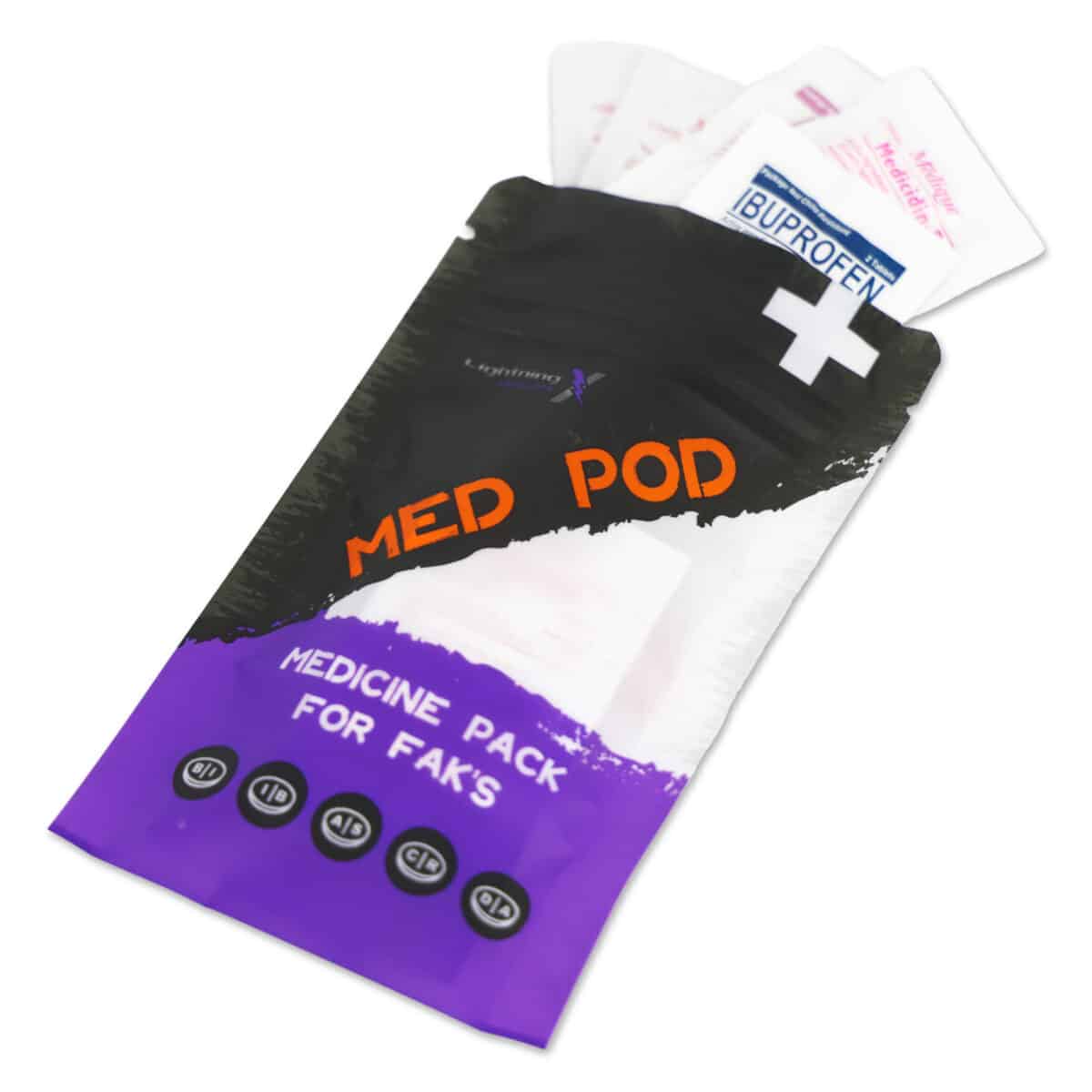
Pain relievers help manage headaches, muscle aches, and other discomforts. Include acetaminophen or ibuprofen for effective pain relief. Fever reducers like aspirin can lower high temperatures swiftly. These are vital in calming severe pain and reducing fever.
Antiseptics And Antibiotics
Antiseptics clean and disinfect wounds to prevent infection. Hydrogen peroxide and alcohol swabs are reliable choices. Antibiotic ointments like Neosporin aid in healing cuts. They protect against bacterial infections and speed up recovery.
Allergy And Cold Remedies
Allergy medicines relieve symptoms like sneezing and itching. Antihistamines such as diphenhydramine work well. Cold remedies include decongestants that ease nasal congestion. These medications provide comfort during allergic reactions and colds.
Digestive Aids And Antacids
Digestive aids help manage upset stomachs and indigestion. Medicines like Pepto-Bismol soothe stomach discomfort. Antacids neutralize stomach acid, relieving heartburn. Keep these handy to tackle digestive issues promptly.
Medications For Chronic Conditions
Include medicines for ongoing health conditions like asthma or diabetes. Ensure you have inhalers for asthma attacks. Insulin or glucose tablets are crucial for managing diabetes. These medications are essential for chronic condition management.
Safe Storage Practices
Safe storage of your first aid kit medicine refill is essential to keep medications effective and ready when you need them most. Improper storage can reduce the potency of medicines or even make them unsafe to use. Paying attention to how and where you store these items can save you from unnecessary risks and stress during emergencies.
Choosing The Right Container
Pick a container that seals tightly to protect medicines from air and moisture. Plastic containers with snap lids or small airtight boxes work well. Avoid containers that are too large; a snug fit helps prevent medicines from moving around and breaking.
Clear containers let you quickly see what’s inside without opening them. Have you ever struggled to find a bandage or ointment in a cluttered kit? Choosing the right container can eliminate that frustration and save precious time.
Temperature And Humidity Control
Store your medicine refill in a cool, dry place away from direct sunlight. High temperatures and humidity can degrade many medications, making them less effective or even harmful. A cupboard away from the kitchen sink or bathroom is often a good spot.
Consider using silica gel packets or moisture absorbers to keep humidity low inside your container. Have you noticed how some pills get sticky or crumble over time? Controlling temperature and humidity can prevent this damage.
Organizing For Easy Access
Group medicines by type or usage to find what you need quickly. Use small labeled bags or dividers inside your container to separate pain relievers, antiseptics, and allergy medicines. Clear labeling helps avoid confusion during urgent moments.
Think about how you reach for your first aid supplies during an emergency. Would a messy jumble slow you down? Organizing your medicines so they’re easy to grab can make a real difference when seconds count.
Avoiding Contamination
Keep medicines in their original packaging whenever possible to avoid contamination. If you transfer them, use clean, dry containers and never mix different pills together. Always wash your hands before handling medicines to prevent introducing germs.
Have you ever opened a medicine bottle only to notice dust or dirt inside? That’s a sign contamination might be an issue. Maintaining cleanliness helps ensure your medicines stay safe and effective for use.
Regular Kit Inspection
Regular inspection of your first aid kit is essential to ensure it is always ready when you need it. Over time, medicines can expire, supplies may get damaged, and your needs might change with the seasons. Taking time to check your kit regularly can save you from unpleasant surprises during emergencies.
Checking Expiry Dates
Medicines in your first aid kit lose effectiveness after their expiry dates. You should go through each item and carefully check the date stamped on the packaging.
Expired medicines might not only be ineffective but could also be harmful. Have you ever found a painkiller past its expiration and wondered if it would still work? Don’t take the risk—replace any expired items immediately.
Replacing Used Or Damaged Items
Have you ever grabbed a bandage only to find it torn or dirty? Damaged supplies can be just as problematic as expired medicines.
After any use, remove the used items and restock your kit promptly. Also, inspect for any packaging that’s been punctured or wet. Keeping your supplies intact ensures they work properly when you need them most.
Updating According To Seasonal Needs
Your first aid kit should reflect the challenges of each season. In winter, you might need more cold packs or lip balm, while summer calls for extra sunscreen and insect bite treatments.
Think about your activities and environment as the seasons change. Have you ever been caught without the right supplies on a hiking trip or during a family outing? Adjusting your kit keeps it practical and relevant all year round.
Customizing For Family Needs
Refilling your first aid kit medicine is more than just replacing used items. It’s about tailoring the kit to fit the unique needs of your family. Every household is different, so your kit should reflect the specific health concerns, ages, and conditions of those you care for most.
Considering Age And Health Conditions
Age plays a big role in what medicines you should keep on hand. Children, adults, and seniors often require different dosages and types of medications.
If someone in your family has a chronic condition like diabetes or asthma, make sure to include their necessary medications and supplies. Are you regularly checking if these medicines are still effective or not expired?
Think about the common ailments that run in your family, too. Adding remedies for allergies or migraines can save time during emergencies.
Including Pediatric And Senior Supplies
Pediatric supplies aren’t just smaller doses—they often include specific items like infant pain relief or teething gels. Stocking pediatric vitamins and thermometers designed for kids ensures quick and safe care.
On the other hand, seniors may need items that support mobility and skin care, such as elastic bandages or moisturizers for dry skin. Over-the-counter pain relievers suited for older adults can also be crucial.
Have you ever thought about how your first aid kit can be a tool to support all ages in your home comfortably and confidently?
Specialist Medications
Some families require specialist medications beyond basic painkillers and antiseptics. This might include EpiPens for severe allergies or inhalers for asthma attacks.
Keep a clear list of these medicines and their expiry dates to avoid emergencies caused by expired drugs. It’s smart to store these in an easily accessible but safe place to prevent accidental use by children.
What specialist medication does your family rely on, and is it ready to use when needed?
Safety Tips For Medication Use
Using medication safely is key to effective first aid. Medicines can heal but can cause harm if used wrong. Knowing how to handle medicine helps keep you and your family safe. Follow simple safety tips to avoid common mistakes and risks.
Proper Dosage And Instructions
Always read the label and follow the instructions exactly. Taking too much medicine can cause serious side effects. Taking too little may not help your condition. Use the right measuring tool, like a medicine cup or syringe. Never guess or change doses on your own. Store medicines in their original containers to avoid confusion.
Avoiding Drug Interactions
Some medicines do not work well together. Mixing certain drugs can cause harmful reactions. Tell your doctor or pharmacist about all medicines you use. This includes vitamins, herbs, and supplements. Do not start new medicines without checking for risks. Keep a list of your medicines to share with health professionals.
When To Seek Medical Help
Stop medicine and get help if you notice:
- Severe rash or swelling
- Difficulty breathing
- High fever or worsening pain
- Confusion or unusual behavior
Call emergency services for serious reactions. If symptoms continue or worsen, consult a healthcare provider. Never hesitate to ask for medical advice if unsure.

Credit: www.amazon.com
Where To Buy And Refill
Knowing where to buy and refill your first aid kit medicines is as important as having the kit itself. Your choice affects the reliability and safety of the supplies you rely on during emergencies. It’s essential to pick sources that offer genuine, high-quality products to keep your kit ready at all times.
Trusted Pharmacy Options
Local pharmacies often provide a dependable way to refill your first aid kit medicines. Visiting a trusted pharmacy means you can ask questions and get advice from professionals. Chains like CVS, Walgreens, or Boots are popular, but don’t overlook smaller community pharmacies—they often have personalized service.
Some pharmacies also offer consultation services to help you choose the right items. Have you ever found yourself unsure about which antiseptic to buy? Talking directly to a pharmacist can clear up confusion and prevent mistakes.
Online Vs In-store Purchases
Buying first aid medicines online offers convenience and a wide selection. Websites like Amazon, HealthWarehouse, or the official pages of pharmacy chains let you browse products anytime. However, the risk of receiving counterfeit or expired items can be higher online.
In-store purchases give you the chance to inspect packaging and expiration dates firsthand. You also avoid shipping delays, which matter when you need a quick refill. Consider your priorities—do you value speed and personal advice, or the ability to shop anytime from home?
Checking Authenticity And Quality
Ensuring your first aid kit medicines are authentic and high-quality protects your health. Always check for clear expiration dates, intact seals, and proper packaging. If a product looks off or the price seems unusually low, it’s worth pausing and verifying.
Look for certifications like FDA approval or other local health authority marks. When buying online, read customer reviews and purchase from verified sellers. Have you ever encountered fake medicines? Taking these precautions helps you avoid that risk.
Emergency Preparedness Beyond Medicine
Emergency preparedness is more than just having medicines stocked. It means having the right tools, clear information, and the skills to act fast. A well-rounded first aid kit goes beyond pills and ointments. It supports you in handling various situations safely and effectively.
Basic First Aid Supplies
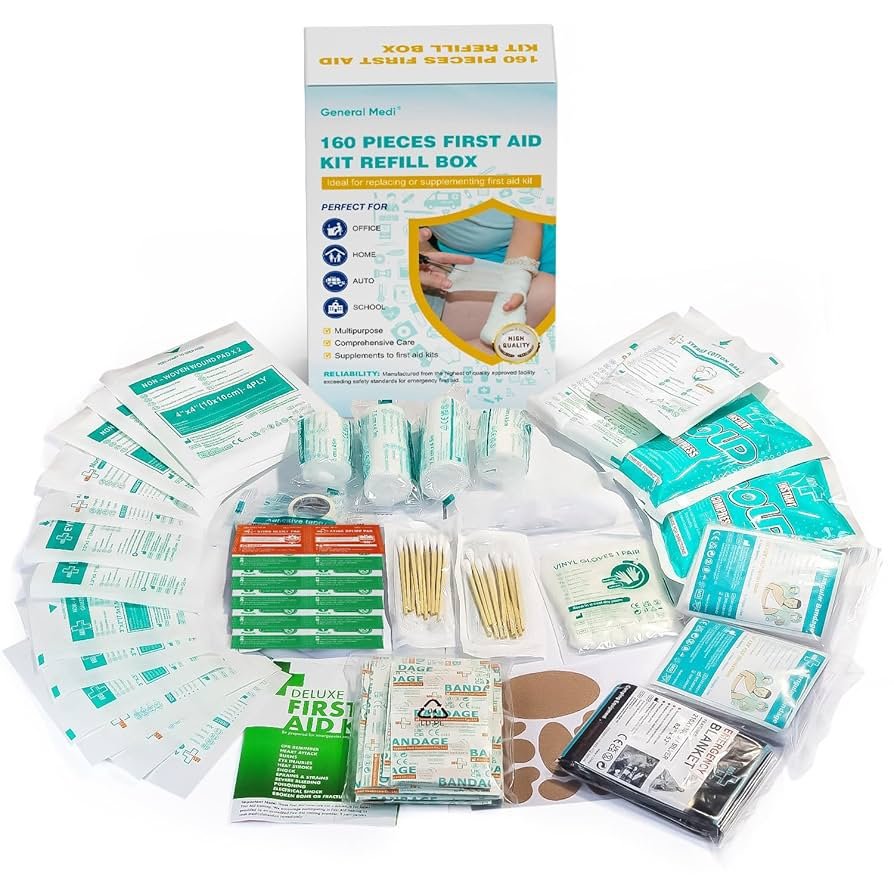
A good first aid kit includes essential items for wounds and injuries. Bandages, antiseptic wipes, and gauze pads help stop bleeding and prevent infection. Tweezers and scissors assist in removing splinters or cutting tape. Gloves protect you and others from germs. Include a thermal blanket to keep someone warm during shock or cold weather.
Emergency Contact Information
Keep a list of emergency numbers inside your kit. Include local emergency services, poison control, and family contacts. Write down any important medical information like allergies or chronic conditions. This helps responders give better care quickly. Make sure the information is updated and easy to read.
Training And Skills
Knowing how to use your first aid supplies is crucial. Take a basic first aid course to learn life-saving skills. Practice CPR and wound care regularly. Understanding when to seek professional help keeps everyone safer. Skills boost confidence in emergencies and can save lives.

Credit: www.amazon.com
Frequently Asked Questions
What Medicines Should Be Included In A First Aid Kit Refill?
A first aid kit refill should include pain relievers, antiseptics, bandages, allergy medication, and antibiotic ointments. Replace expired items and restock commonly used supplies to ensure readiness for emergencies.
How Often Should I Refill My First Aid Kit Medicine?
Refill your first aid kit medicine every six months or after use. Regular checks help maintain effectiveness and ensure expired medicines are replaced promptly.
Can I Use Expired Medicines In My First Aid Kit?
No, expired medicines lose potency and can be unsafe. Always discard expired items and replace them with new ones for effective treatment.
Where Can I Buy First Aid Kit Medicine Refills?
You can buy first aid kit medicine refills at pharmacies, online stores, or medical supply shops. Choose trusted brands and verify expiration dates before purchasing.
Conclusion
Refilling your first aid kit medicine keeps you ready for emergencies. Check medicines often to replace expired or used items. Keep essential supplies like bandages, antiseptics, and pain relievers stocked. A well-prepared kit helps you act fast and stay safe.
Regular updates protect your family and friends. Stay calm and confident with a complete first aid kit. Small steps now save trouble later. Take time to review your kit today. Safety starts with good preparation.

I’m Abby Lu, a passionate home cook who loves simplifying everyday meals. At PlugChef.com, I share product reviews and cooking guides to help you find the best tools for your kitchen.
Related posts:
 What Type of Cooking Utensils are Safe: Expert Picks
 What Innovations Could Blenders Make: Unleashing Future Tech
 Smart Strategies to Organize a Small Kitchen: Maximize Space
 How to Organize a Kitchen Cabinet: Expert Tips & Tricks
 How to Organize Kitchen Drawers: Expert Tips and Tricks
 How to Organize a Corner Kitchen Cupboard: Expert Tips

