
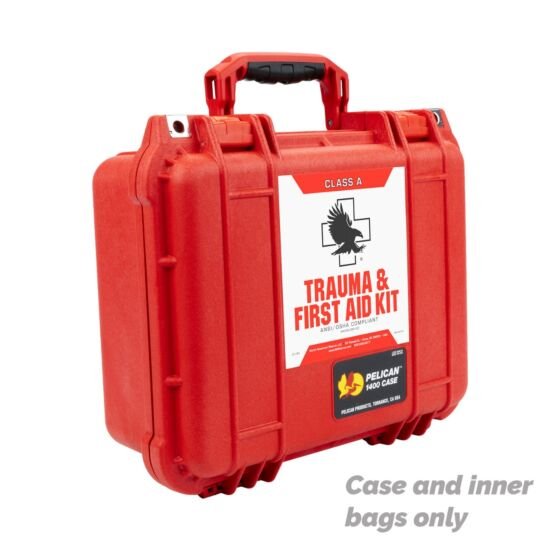
When an emergency strikes, having the right first aid kit can make all the difference. But do you know which type of first aid kit suits your needs best?
Whether you’re at home, in the car, or out on an adventure, choosing the right kit means you’re ready to act quickly and confidently. You’ll discover the different types of first aid kits and how to pick the perfect one for your situation.
Keep reading—your safety depends on it.
First Aid Kit Basics
A first aid kit is essential for treating minor injuries quickly. It helps manage cuts, burns, and scrapes before professional help arrives. Knowing the basics of a first aid kit ensures you are ready for common emergencies at home, work, or travel.
Every kit should contain essential items that cover a variety of injuries. The right supplies can prevent infection and reduce pain. Understanding these basics helps you choose or prepare a kit that fits your needs.
What Is A First Aid Kit?
A first aid kit is a collection of medical supplies. It is used to provide quick care during injuries. Kits vary in size and content depending on purpose and location.
Essential Items In A First Aid Kit
- Adhesive bandages for small cuts and scrapes
- Sterile gauze pads to cover wounds
- Antiseptic wipes to clean injuries
- Medical tape to secure dressings
- Scissors and tweezers for removing debris
- Disposable gloves to prevent infection
- Pain relievers like acetaminophen or ibuprofen
- Burn cream for minor burns
- CPR face shield for rescue breathing
How To Store A First Aid Kit
Store your kit in a cool, dry place. Keep it easy to reach for quick access. Check supplies regularly and replace expired items.
Why First Aid Kits Are Important
Immediate treatment helps reduce injury severity. It can prevent infections and complications. A well-stocked kit boosts confidence in emergencies.

Credit: www.safetycompany.com
Bandages And Dressings
Bandages and dressings are essential components of any first aid kit. They protect wounds from infection, control bleeding, and support healing. Having the right types on hand can make a difference between a minor injury and a serious complication.
Adhesive Bandages
Adhesive bandages, often called band-aids, are your go-to for small cuts and scrapes. They come in various sizes and shapes, designed to cover minor wounds quickly. You should always have a mix of waterproof and breathable options to suit different needs.
Think about your last scrape—did your bandage stay on during daily activities? Choosing one with a strong adhesive can prevent dirt from entering the wound and reduce the risk of infection.
Sterile Gauze Pads
Sterile gauze pads are vital for larger wounds that need more coverage and absorption. They help soak up blood while allowing air to reach the wound, which promotes healing. Always keep them in sealed packaging to ensure sterility until use.
Do you know how to secure gauze pads properly? Using medical tape or an elastic bandage to hold them in place can prevent slipping and contamination.
Elastic Bandages
Elastic bandages provide support and compression for sprains, strains, or swollen injuries. They are stretchable and adjustable, which helps you control the pressure applied. Including elastic bandages in your kit prepares you for injuries that need more than just covering.
Have you ever tried wrapping an ankle with an elastic bandage? Learning the right technique can improve comfort and speed up recovery.
Antiseptics And Ointments
Antiseptics and ointments are vital in a Type A First Aid Kit. They help prevent infection and soothe minor skin issues. Including these items ensures quick care after cuts, scrapes, or insect bites.
Antiseptic Wipes
Antiseptic wipes clean wounds by killing germs on the skin. They come in small, easy-to-carry packets. Use them to wipe dirt and bacteria before applying a bandage. They reduce infection risks and speed up healing.
Antibiotic Ointment
Antibiotic ointment protects cuts and scrapes from bacteria. It forms a barrier to stop germs from entering. Apply a thin layer on the wound after cleaning it with antiseptic wipes. This ointment helps wounds heal faster and prevents infection.
Hydrocortisone Cream
Hydrocortisone cream reduces itching and inflammation. It is useful for insect bites, rashes, and allergic skin reactions. Apply a small amount on the affected area to calm redness and swelling. This cream provides fast relief and comfort.

Credit: www.amazon.com
Tools And Instruments
Your Type A First Aid Kit is more than just bandages and antiseptics. The tools and instruments inside play a crucial role in managing minor injuries effectively. Having the right tools at hand can save you time and prevent complications during emergencies.
Tweezers
Tweezers are essential for removing small foreign objects like splinters, glass shards, or dirt from wounds. Using clean, fine-tipped tweezers helps avoid pushing debris deeper into the skin. Do you keep your tweezers in a protective case to maintain their cleanliness and sharpness?
Look for stainless steel tweezers with a pointed tip for precision. You might find that using tweezers carefully reduces the need for painful digging or additional medical visits.
Scissors
Scissors in a first aid kit are designed for cutting bandages, gauze, or clothing in an emergency. Always choose blunt-tipped scissors to avoid accidental cuts while working close to the skin. Have you ever struggled with regular scissors that were too dull or sharp for first aid use?
Keep a pair dedicated solely to your kit to ensure they stay sharp and ready. Scissors with ergonomic handles also make cutting easier when you’re under pressure.
Thermometer
A thermometer helps you quickly check for fever, a sign of infection or illness. Digital thermometers are fast, accurate, and easy to use, making them ideal for your first aid kit. Do you know how to interpret your thermometer’s readings and what actions to take based on temperature?
Store it in a protective case to prevent damage and keep batteries fresh. Having a reliable thermometer means you can monitor health changes without guessing.
Medications
Medications are a crucial part of any Type A First Aid Kit. They help you manage pain, allergic reactions, and common illnesses quickly and effectively. Having the right medicines on hand can make a big difference during emergencies or minor health issues.
Pain Relievers
Pain relievers like ibuprofen, acetaminophen, or aspirin are essential. They reduce fever, ease headaches, and relieve muscle aches. Keep a small supply of different types to cover various needs and avoid allergic reactions.
Think about the last time you had a sudden headache or a sprain. Wouldn’t having a pain reliever handy have saved you from discomfort? Always check expiration dates to ensure your medications work when you need them.
Antihistamines
Antihistamines are lifesavers for allergic reactions. They help control symptoms like itching, swelling, and rashes from insect bites or food allergies. Including both fast-acting and longer-lasting options can help you handle different severity levels.
Have you ever experienced an unexpected allergy attack? Having antihistamines in your kit means you can act immediately rather than waiting for professional help. Remember, some antihistamines cause drowsiness, so choose accordingly based on your situation.
Cold And Cough Medicine
Cold and cough medicines provide relief during seasonal illnesses or unexpected chills. Having decongestants, cough suppressants, or throat lozenges in your kit helps you stay comfortable and functional. Even if you don’t currently feel sick, these medicines prepare you for sudden colds on the go.
Do you pause your daily tasks when a cold hits? Imagine having quick relief without a pharmacy trip. Stocking these medicines ensures you’re ready to fight common symptoms anytime, anywhere.
Emergency Contacts And Information
Having emergency contacts and important information in your Type A first aid kit is vital. It helps responders act fast and correctly. Quick access to key details can save precious time during an emergency. Keep this section updated and easy to find.
Emergency Phone Numbers
List phone numbers for local emergency services like ambulance, fire, and police. Include contacts for family members or close friends. Also add your doctor’s number and poison control hotline. Write numbers clearly on a card or paper. Store it in a waterproof sleeve inside the kit.
- Emergency services (911 or local equivalent)
- Family or emergency contact
- Doctor or health clinic
- Poison control center
- Nearby hospital or urgent care
Medical Records
Keep important medical details in your first aid kit. Include allergies, current medications, and past health conditions. Note any special instructions for treatment. Use a simple form or printed card. This helps medical staff provide the right care fast.
| Item | Details |
|---|---|
| Allergies | List all known allergies |
| Medications | Include names and doses |
| Medical Conditions | Note chronic illnesses or past surgeries |
| Emergency Instructions | Special care or treatment notes |
Specialized Items
Specialized items in a Type A first aid kit provide essential support during emergencies. These tools help manage serious injuries and improve patient safety. Each item has a specific role, making the kit more effective and reliable.
Cpr Mask
A CPR mask protects both the rescuer and the victim during mouth-to-mouth resuscitation. It creates a barrier to reduce the risk of infection. This mask often includes a one-way valve to allow air flow in one direction only.
Easy to use and compact, it fits into most first aid kits. It boosts confidence in performing CPR safely and effectively.
Emergency Blanket
An emergency blanket helps prevent heat loss in injured or shocked individuals. It reflects body heat back to the person to keep them warm. This lightweight item can also protect from wind and rain.
It folds into a small size for easy storage. Useful in cold or wet conditions, it supports body temperature regulation.
Instant Cold Packs
Instant cold packs provide quick relief from pain and swelling. They activate by squeezing or shaking, creating cold without ice. These packs are convenient and disposable, ideal for on-the-go use.
They help reduce inflammation from sprains, bruises, or burns. A simple, effective tool to manage minor injuries fast.

Credit: www.safetycompany.com
Frequently Asked Questions
What Is Included In A Basic First Aid Kit?
A basic first aid kit contains bandages, antiseptic wipes, adhesive tape, scissors, tweezers, gloves, and pain relievers. These items help treat minor injuries and prevent infection effectively.
How Do I Choose The Right First Aid Kit Type?
Choose a first aid kit based on your activity, location, and number of people. Consider kits for home, car, workplace, or outdoor use.
How Often Should I Check My First Aid Kit?
Check your first aid kit every 3 to 6 months. Replace expired or used items to ensure readiness during emergencies.
Can I Customize My First Aid Kit Contents?
Yes, customize your first aid kit to fit specific needs. Add medications, allergy treatments, or tools relevant to your health and environment.
Conclusion
A Type A first aid kit holds basic supplies for small injuries. It suits homes, offices, and schools well. Keeping one nearby helps you act fast in emergencies. Check the kit regularly to replace used or expired items. Being prepared brings peace of mind and safety.
Simple steps make a big difference when accidents happen. Always keep your first aid kit easy to find and ready. Safety starts with preparation, and a good kit supports that.

I’m Abby Lu, a passionate home cook who loves simplifying everyday meals. At PlugChef.com, I share product reviews and cooking guides to help you find the best tools for your kitchen.
Related posts:
 What Type of Cooking Utensils are Safe: Expert Picks
 What Innovations Could Blenders Make: Unleashing Future Tech
 Smart Strategies to Organize a Small Kitchen: Maximize Space
 How to Organize a Kitchen Cabinet: Expert Tips & Tricks
 How to Organize Kitchen Drawers: Expert Tips and Tricks
 How to Organize a Corner Kitchen Cupboard: Expert Tips

