
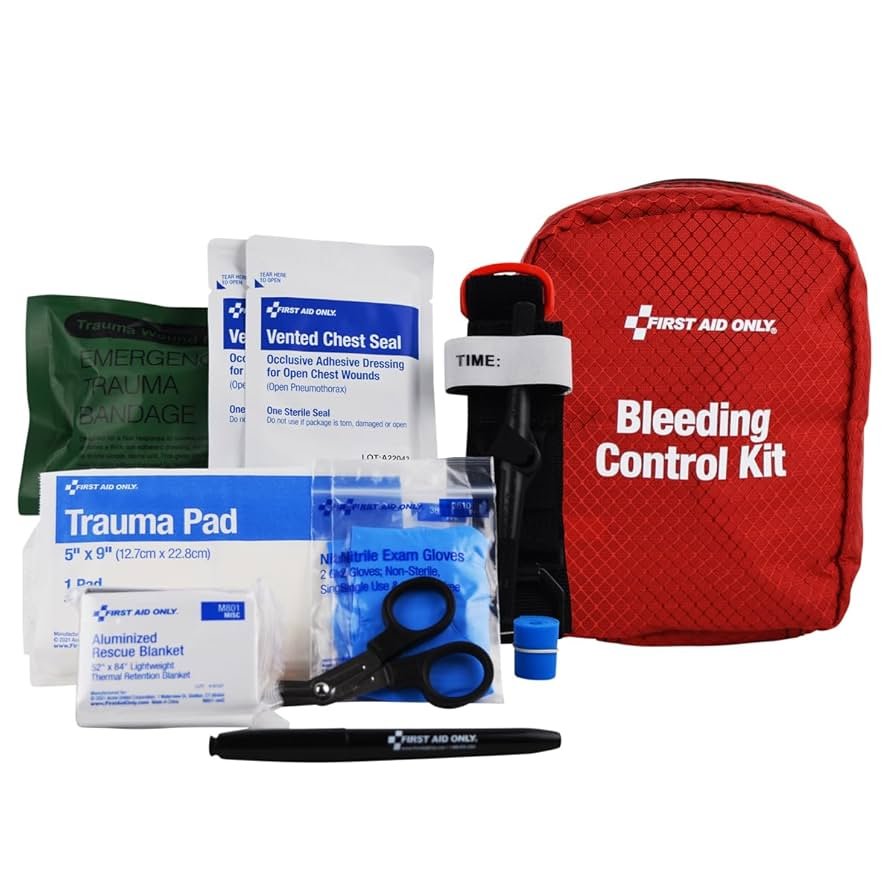
Imagine a moment when someone near you suddenly starts bleeding heavily. What will you do?
Having a well-stocked first aid kit for bleeding can make all the difference between quick help and serious danger. You might think it’s something you can handle later, but when every second counts, being prepared is your best defense. You’ll discover exactly what your first aid kit needs to stop bleeding fast and keep you ready for emergencies.
Don’t wait until it’s too late—learn how to protect yourself and others now.
Importance Of A First Aid Kit For Bleeding
Bleeding can happen suddenly, and having a well-stocked first aid kit ready can make a huge difference. Knowing how to stop bleeding quickly can save lives and prevent complications. Your first aid kit isn’t just a box of supplies—it’s a critical tool that empowers you to act confidently in emergencies.
Immediate Control Of Bleeding
When bleeding starts, every second counts. A first aid kit provides essential items like sterile gauze, bandages, and gloves to control bleeding immediately. Without these, you might struggle to stop the flow, increasing the risk of shock or infection.
Prevention Of Infection
Open wounds can quickly become infected if not treated properly. Your first aid kit contains antiseptic wipes and dressings that help keep wounds clean. This simple step reduces the chance of dangerous infections that might require hospital care.
Preparedness For Unexpected Situations
Accidents rarely happen at convenient times or places. Having a first aid kit ready means you’re prepared wherever you go—whether at home, in the car, or outdoors. Isn’t it better to have what you need before you actually need it?
Confidence To Act Calmly
Knowing you have the right tools boosts your confidence. Instead of panicking, you can focus on helping yourself or others effectively. This calm approach often leads to better outcomes in emergencies.
Supporting Professional Medical Help
While a first aid kit is not a substitute for professional care, it plays a crucial role in the moments before help arrives. Proper initial care can prevent wounds from worsening and make hospital treatment easier. Have you ever considered how your actions can influence recovery?

Credit: rescue-essentials.com
Basic Items For Stopping Bleeding
Stopping bleeding quickly is vital during any injury. A well-prepared first aid kit holds essential items to control bleeding effectively. These items help protect wounds and support fast healing. Understanding the basic items ensures readiness in emergencies. Here are the key components found in most first aid kits for bleeding control.
Adhesive Bandages
Adhesive bandages are small strips with a soft pad in the center. They cover minor cuts and scrapes to stop bleeding. These bandages keep dirt and germs away from wounds. They come in various sizes to fit different injuries. Easy to apply, they help wounds heal faster and reduce infection risk.
Sterile Gauze Pads
Sterile gauze pads are thick, absorbent cloth squares. They absorb blood and fluids from larger wounds. Using sterile pads prevents germs from entering the injury. They also apply pressure to slow or stop bleeding. Gauze pads can be folded or layered for better coverage.
Medical Tape
Medical tape secures gauze pads or bandages in place. It sticks firmly but is gentle on the skin. This tape keeps dressings from slipping off during movement. It is easy to tear by hand for quick use. Medical tape ensures wounds stay protected and clean.
Advanced Supplies For Severe Bleeding
Severe bleeding needs quick and effective care. Basic first aid items might not be enough. Advanced supplies help control heavy bleeding and save lives. They work by stopping blood flow fast and reducing damage. Knowing these tools improves readiness for emergencies.
Tourniquets
Tourniquets are strong bands used to stop blood flow to a limb. They tighten around an arm or leg above the wound. This blocks blood from reaching the injury. Use a tourniquet only for serious bleeding that cannot stop with pressure. It must be tight but checked regularly. Proper use prevents blood loss and protects the person’s life.
Hemostatic Dressings
Hemostatic dressings contain special materials that help blood clot quickly. They work faster than regular gauze. Place the dressing directly on the bleeding site. Press firmly to activate the clotting agents. These dressings are vital for wounds with heavy bleeding. They reduce blood loss and give more time for medical help.
Elastic Bandages
Elastic bandages wrap tightly around a wound to keep dressings in place. They apply steady pressure to control bleeding. These bandages stretch and hold well without cutting off circulation. Use them over gauze or hemostatic dressings. Elastic bandages support injured limbs and help reduce swelling too.
Antiseptic Solutions And Wipes
Antiseptic solutions and wipes are essential in a first aid kit for bleeding. They stop germs from entering wounds. This lowers the risk of infection and speeds up healing. Having these items ready helps treat cuts and scrapes immediately.
These solutions and wipes come in small, portable packages. They are easy to carry and use anywhere. Both work by cleaning the skin and the wound surface. This removes dirt, bacteria, and other harmful particles.
Types Of Antiseptic Solutions
- Alcohol-based solutions: Kill most bacteria quickly.
- Hydrogen peroxide: Cleans wounds by bubbling out debris.
- Iodine solutions: Effective against bacteria and fungi.
- Chlorhexidine: Gentle on skin and strong against germs.
Benefits Of Antiseptic Wipes
- Pre-moistened and ready to use instantly.
- Good for quick cleaning without water.
- Single-use to avoid contamination.
- Easy to carry in small packs.
How To Use Antiseptic Solutions And Wipes
- Wash hands before touching the wound.
- Apply the solution or wipe gently on the area.
- Remove visible dirt and debris carefully.
- Let the skin dry before covering it with a bandage.
Tools For Efficient Application
Having the right tools in your first aid kit can make a huge difference when managing bleeding. Efficient application means you act quickly and precisely, reducing the risk of infection and helping the wound heal better. Let’s look at three essential tools that should never be missing from your kit.
Scissors
Scissors are vital for cutting bandages, clothing, or tape without causing further injury. Choose scissors with a blunt tip to avoid accidentally stabbing the skin while trimming around the wound. I once needed to remove a sleeve quickly during an emergency, and having sharp, reliable scissors made the process smooth and stress-free.
Keep your scissors clean and rust-free. A dull or dirty pair can slow you down and increase the chance of contamination.
Tweezers
Tweezers help remove small debris like dirt, glass, or splinters from the wound. Using your fingers can push foreign objects deeper, making the injury worse. Always opt for stainless steel tweezers with fine tips for better control and precision.
Have you ever tried pulling out a tiny splinter without tweezers? It’s frustrating and often painful. Good tweezers make this quick and less stressful, which matters a lot in an emergency.
Nitrile Gloves
Protecting yourself and the injured person is crucial. Nitrile gloves provide a strong barrier against bloodborne pathogens and other contaminants. They fit snugly, allowing you to work efficiently without losing sensitivity in your fingers.
Latex allergies are common, so nitrile gloves are a safer choice for most people. Always keep multiple pairs in your kit—you don’t want to run out when you need them the most.

Credit: offgridwarehouse.com
Emergency Contact Information
Having emergency contact information readily available in your first aid kit can save crucial minutes during a bleeding emergency. When every second counts, knowing exactly who to call or what details to provide can make a significant difference in the outcome. This small addition to your kit can offer peace of mind and clear guidance when stress levels are high.
What Information Should You Include?
Your emergency contact section should list phone numbers of key individuals and services. Include:
- Your primary care physician or local urgent care center.
- Emergency services like 911 or the equivalent in your area.
- Close family members or friends who can provide quick support or medical history.
- Any relevant medical alert numbers, such as poison control or allergy hotlines.
Make sure phone numbers are up to date and written clearly. You don’t want to fumble with tiny print or outdated contacts when time is critical.
How To Organize Emergency Contact Information Effectively
Keep your contact info in a waterproof, easy-to-find section of your first aid kit. Use a simple, legible format, like a small laminated card or a printed sheet inside a plastic sleeve.
Consider organizing contacts in a table format for quick scanning:
| Contact Type | Name | Phone Number | Additional Info |
|---|---|---|---|
| Emergency Services | 911 | 911 | Local emergency number |
| Doctor | Dr. Jane Smith | (555) 123-4567 | Primary care physician |
| Family Member | John Doe | (555) 987-6543 | Spouse |
Why Should You Update Your Emergency Contacts Regularly?
Outdated information can cause delays and confusion during emergencies. Have you ever tried calling a number only to find it no longer works? Regularly check and update your list to avoid this problem.
Set a reminder to review contact details at least twice a year. This ensures your first aid kit stays a reliable tool when you need it most.
Storage And Maintenance Tips
Proper storage and regular maintenance of your first aid kit for bleeding can make a crucial difference in an emergency. You want to be sure that every item is ready to use when you need it most. Neglecting these details might leave you with supplies that are expired or damaged, which won’t help stop bleeding effectively.
Choosing The Right Location For Your First Aid Kit
Place your kit somewhere dry and easy to access quickly. Avoid damp areas like bathrooms or basements where moisture can ruin bandages and gauze. A cool, dry spot such as a kitchen cabinet or a dedicated shelf works well.
Think about who else might need the kit. Is it reachable for everyone in your home or workplace? You don’t want to waste precious seconds searching for it during an emergency.
Regularly Checking Expiry Dates And Replacing Items
Supplies like antiseptic wipes, gauze, and gloves have expiration dates. Set a reminder every few months to review your kit and swap out any expired or used items. This habit keeps your kit reliable and ready.
Look beyond expiry dates. Check if bandages are dry and sterile, or if scissors and tweezers are clean and functional. A dull or rusty tool won’t help when time is critical.
Keeping Your Kit Organized And Labeled
Organization helps you find what you need fast. Use clear plastic bags or small containers inside the kit to separate items by type—like dressings, gloves, and medications. Label each section so you don’t waste time digging around.
Have you ever tried finding a specific item in a messy box? It can be frustrating, especially when bleeding requires immediate attention. Staying organized reduces stress and speeds up your response.
Protecting Your Kit From Environmental Damage
Exposure to sunlight, heat, or freezing temperatures can degrade your supplies. Store your kit away from windows or heaters, and avoid leaving it in a car where temperatures fluctuate wildly.
Consider a waterproof and shockproof container if your kit travels with you outdoors. This protects fragile items and keeps everything clean and safe.

Credit: www.amazon.com
Frequently Asked Questions
What Essential Items Are In A Bleeding First Aid Kit?
A bleeding first aid kit should include sterile gauze pads, adhesive bandages, medical tape, antiseptic wipes, gloves, and a tourniquet. These items help control bleeding, prevent infection, and protect both the injured person and the responder during treatment.
How Do You Properly Use A Tourniquet For Bleeding?
Place the tourniquet 2-3 inches above the wound. Tighten it until bleeding stops. Note the time applied and seek emergency help immediately. Tourniquets are for severe bleeding when direct pressure fails to control blood loss.
When Should You Replace First Aid Kit Supplies?
Replace first aid kit supplies after use or when items expire. Check the kit regularly, at least every six months. Keeping supplies fresh ensures they work effectively during emergencies and helps maintain readiness.
Can A First Aid Kit Stop Heavy Bleeding Effectively?
Yes, a well-stocked first aid kit can help control heavy bleeding temporarily. Items like gauze, pressure bandages, and tourniquets are critical. Immediate action is vital, but always seek professional medical help for severe bleeding.
Conclusion
A well-stocked first aid kit for bleeding can save lives. Keeping it ready helps you act fast during emergencies. Knowing what each item does makes treatment easier. Practice using your kit to build confidence. Stay calm, and control bleeding quickly and safely.
Everyone should have this kit at home, work, or in the car. Being prepared means helping yourself and others in need. Simple steps can make a big difference. Don’t wait—check your kit today and stay safe.

I’m Abby Lu, a passionate home cook who loves simplifying everyday meals. At PlugChef.com, I share product reviews and cooking guides to help you find the best tools for your kitchen.
Related posts:
 What Type of Cooking Utensils are Safe: Expert Picks
 What Innovations Could Blenders Make: Unleashing Future Tech
 Smart Strategies to Organize a Small Kitchen: Maximize Space
 How to Organize a Kitchen Cabinet: Expert Tips & Tricks
 How to Organize Kitchen Drawers: Expert Tips and Tricks
 How to Organize a Corner Kitchen Cupboard: Expert Tips

