
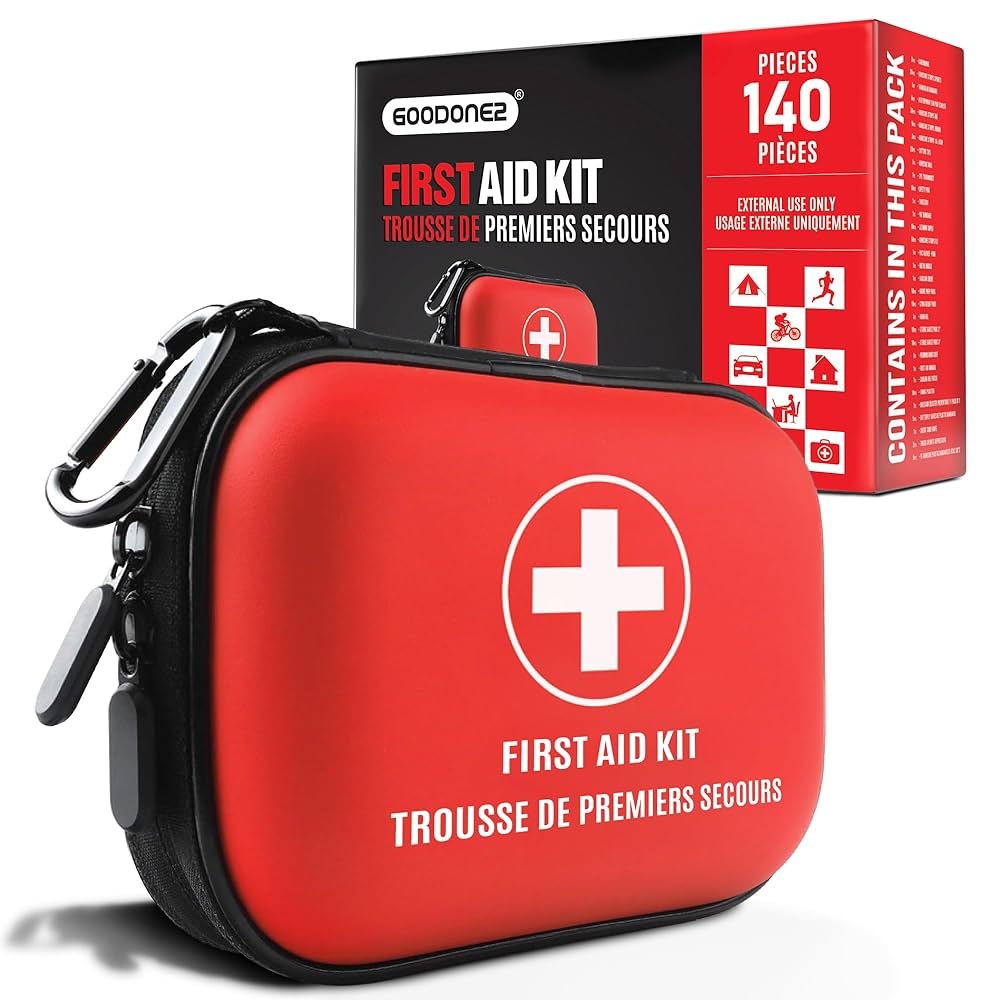
Imagine a sudden accident happening right in your workplace. Do you have the right tools to act fast and keep everyone safe?
Your business’s first aid kit isn’t just a box of bandages—it’s your frontline defense in emergencies. Having the right supplies can make all the difference between a minor scare and a serious problem. You’ll discover exactly what your first aid kit for business needs, why it matters, and how it can protect your team when every second counts.
Keep reading to make sure you’re ready for anything.

Credit: www.ebay.ca
Importance Of Office Safety
Office safety is crucial for every business. It protects employees and creates a healthy work environment. A safe office reduces risks and prepares staff for emergencies. Having a first aid kit at hand supports quick response to injuries. This care boosts confidence and productivity among workers.
Impact On Employee Well-being
Safe offices improve employee health and morale. Workers feel valued when safety measures are in place. This reduces stress and increases job satisfaction. Employees perform better knowing help is nearby. Regular safety checks and first aid readiness show care for staff.
Reducing Workplace Accidents
Preventing accidents saves time and money for businesses. Proper safety equipment helps handle minor injuries fast. It stops small problems from becoming serious. Training employees on safety reduces errors and hazards. A first aid kit ensures quick care after accidents occur.
Building A First Aid Kit
Building a first aid kit for your business is a smart step. It helps prepare for minor injuries and emergencies. A well-stocked kit ensures quick response and safety at work. Every business is different, so the kit should fit your specific needs. Proper planning helps keep your workplace safe and compliant with safety rules.
Essential Items To Include
- Adhesive bandages in various sizes
- Sterile gauze pads and adhesive tape
- Antiseptic wipes and antibiotic ointment
- Disposable gloves to prevent infection
- Scissors and tweezers for wound care
- Elastic bandages for sprains
- Instant cold packs for bruises
- CPR face shield or mask
- Burn cream and pain relievers
- First aid manual or instruction booklet
Customizing For Specific Needs
Consider the type of business and possible risks. Add items that match your workplace hazards. For example, factories may need eye wash stations. Kitchens should include burn treatments. Offices might require allergy medication or extra gloves.
Think about the number of employees and shifts. Stock enough supplies for everyone on site. Replace used or expired items regularly. Keep the kit easy to find and accessible at all times. Train staff on how to use the kit properly. This builds confidence and readiness for emergencies.
Training Employees On First Aid
Training employees on first aid is essential for workplace safety. It prepares staff to act quickly during emergencies. Proper training can reduce injury severity and save lives. It also builds confidence among employees to handle accidents calmly.
Conducting Workshops
Workshops provide hands-on learning experiences. They teach basic first aid skills like CPR, wound care, and choking response. Interactive sessions help employees practice techniques in a safe setting. Trainers can use demonstrations, role-playing, and real-life scenarios. Workshops encourage questions and improve understanding. Regular sessions keep skills fresh and updated.
Certification Opportunities
Certification adds credibility to first aid training. It shows employees have met safety standards. Certified staff can handle emergencies more effectively. Many organizations offer recognized first aid courses. Certification motivates employees to learn and participate. It also benefits the business by meeting legal safety requirements.

Credit: www.walmart.com
Emergency Protocols
Emergency protocols are vital for business safety. They guide staff during accidents or sudden health issues. A clear protocol reduces confusion and speeds up response. This helps protect employees and limits damage.
Creating An Action Plan
Start by identifying possible emergencies in your workplace. Common incidents include cuts, burns, or fainting. Assign specific roles to team members for quick response. List steps to follow for each emergency type. Make sure the action plan is easy to understand and access.
- Locate the first aid kit and emergency contacts
- Call for medical help if needed
- Provide first aid until professionals arrive
- Report the incident to management
Keep the plan updated and visible in common areas. Train new employees on the action plan during orientation.
Regular Drills And Practice
Practice improves readiness and confidence. Schedule drills at least twice a year. Simulate different emergencies to cover all situations. Review each drill to find areas for improvement. Encourage all staff to participate actively. Drills help reduce panic and mistakes during real events.
Maintaining The First Aid Kit
Maintaining the first aid kit is essential for workplace safety. A well-kept kit ensures quick response during emergencies. Neglecting it can cause delays and worsen injuries. Regular care helps keep supplies ready and useful.
Regular Checks And Updates
Check the first aid kit every month. Look for missing items or damage. Make sure the kit is clean and organized. Keep a checklist to track items inside the kit. Update the list after each use or inspection. Train someone to be responsible for these checks.
Replacing Expired Items
Expired items lose their effectiveness and can be unsafe. Check expiration dates regularly. Replace old bandages, ointments, and medications right away. Keep a separate list for items that need replacement. Buy new supplies from reliable sources. Store items properly to avoid early expiration.
Legal Requirements And Compliance
Every business must follow rules about first aid kits. These rules help keep employees safe. They ensure a quick response in case of injury or illness. Knowing the legal requirements avoids fines and legal trouble. It also shows care for staff well-being.
Understanding Regulations
Regulations differ by country and industry. Some laws require specific first aid supplies. Others set the number of kits needed. The size of the workplace matters. High-risk jobs often need more detailed kits.
Common rules include:
- Minimum number of first aid kits
- Required items inside each kit
- Regular inspection and restocking
- Training staff to use the kits
Ignoring these rules can lead to penalties. Meeting them helps create a safer workplace.
Ensuring Office Compliance
Check the local laws that apply to your business. Keep first aid kits visible and accessible. Assign someone to inspect kits regularly. Replace expired or used items immediately.
Train employees on first aid basics. Make sure they know where kits are located. Keep records of inspections and training sessions. This documentation proves compliance during audits.
Simple steps can keep your business safe and legal. A well-maintained first aid kit is a key part.

Credit: www.amazon.ca
Frequently Asked Questions
What Essential Items Should Be In A Business First Aid Kit?
A business first aid kit should include bandages, antiseptic wipes, adhesive tape, scissors, gloves, pain relievers, and a CPR mask. These items address common injuries and emergencies in the workplace.
How Often Should A Business First Aid Kit Be Checked?
Check your business first aid kit monthly to ensure all supplies are stocked and unexpired. Regular checks help maintain readiness for emergencies.
Can Employees Use The Business First Aid Kit Without Training?
Basic first aid kits can be used by anyone, but training improves response effectiveness. Offering first aid training is recommended for workplace safety.
Why Is A First Aid Kit Important For Businesses?
A first aid kit ensures quick response to injuries, reducing severity and promoting safety. It helps comply with workplace health regulations.
Conclusion
A well-stocked first aid kit keeps your business safe and ready. Quick care helps reduce injuries and downtime. Make sure everyone knows where the kit is kept. Regular checks keep supplies fresh and useful. Safety shows you care about your team’s well-being.
Small steps today protect your business tomorrow. Don’t wait for accidents—prepare now and stay confident.

I’m Abby Lu, a passionate home cook who loves simplifying everyday meals. At PlugChef.com, I share product reviews and cooking guides to help you find the best tools for your kitchen.
Related posts:
 What Type of Cooking Utensils are Safe: Expert Picks
 What Innovations Could Blenders Make: Unleashing Future Tech
 Smart Strategies to Organize a Small Kitchen: Maximize Space
 How to Organize a Kitchen Cabinet: Expert Tips & Tricks
 How to Organize Kitchen Drawers: Expert Tips and Tricks
 How to Organize a Corner Kitchen Cupboard: Expert Tips

