
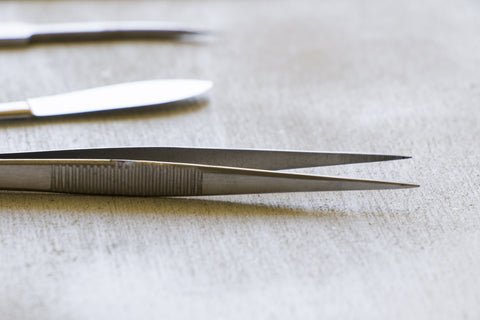
When you pack a first aid kit, bandages, antiseptic wipes, and pain relievers are usually top of mind — but small, precise tweezers are just as critical for handling common minor injuries that can turn serious if mismanaged. Unlike fingers or household tools, sterile, fine-tipped tweezers let you remove embedded foreign material without pushing it deeper into the skin or introducing bacteria. According to CDC first aid guidance, proper removal of splinters, ticks, and debris is one of the most effective ways to prevent preventable wound infections. This guide breaks down every essential use for tweezers in a first aid kit, how to use them safely, and how to choose the right pair for your needs.
Why Tweezers Are a Non-Negotiable First Aid Kit Staple
Small, sharp, or dirty objects are a leading cause of minor household, outdoor, and workplace injuries. A splinter from a wooden deck, a shard of glass from a broken dish, or a tick bite from a hike can all introduce bacteria or pathogens into the skin if not removed correctly. Tweezers eliminate the guesswork of foreign body removal: their precise tips let you grip objects at the base, close to the skin, to pull them out in one smooth motion without damaging surrounding tissue.
For families, campers, and anyone who spends time outdoors, tweezers are a low-cost, high-impact tool that reduces the risk of infection, excessive pain, and the need for professional medical care for otherwise minor injuries. Ticks can carry pathogens that cause Lyme disease and other serious illnesses, per CDC tick safety guidelines, making proper removal with fine-tipped tweezers a critical step in reducing long-term health risks.
Core First Aid Uses for Tweezers
Splinter and Small Debris Removal
This is the most common use for first aid tweezers, and for good reason: splinters from wood, plastic, metal, or even food (like fish bones or fruit seeds) can embed under the skin, causing pain, swelling, and infection if left in place. To remove a splinter safely:
- Wash your hands and the affected area with soap and water, then disinfect the tweezers with 70% isopropyl alcohol.
- Use the tweezers to grasp the exposed end of the splinter as close to the skin as possible.
- Pull the splinter out gently in the same direction it entered, avoiding sideways pressure that can break it off under the skin.
- Clean the area again with antiseptic and apply a bandage if needed.
A common mistake in practice is trying to dig out a splinter with fingernails, a needle, or non-sterile tools, which can push the object deeper or introduce bacteria. For home kitchens where you use sharp reliable prep knives, keeping tweezers nearby is a smart precaution for quickly removing small metal or wood splinters from food prep surfaces that can embed in skin.
Tick and Insect Stinger Extraction
Ticks and insect stingers require careful removal to avoid releasing toxins or pathogens into the body. For ticks:
- Use fine-tipped tweezers to grasp the tick as close to the skin’s surface as possible, avoiding squeezing the tick’s body, which can inject disease-causing bacteria into the bloodstream.
- Pull upward with steady, even pressure until the tick releases its grip. Do not twist or jerk the tick, as this can cause the mouthparts to break off under the skin.
- Clean the bite area and your hands with alcohol or soap and water after removal.
For bee or wasp stingers, use tweezers to grasp the stinger and attached venom sac at the base, close to the skin, and pull it out in one straight motion to avoid squeezing more venom into the tissue. For extended camping or backcountry trips, store your full first aid kit in a rugged, waterproof large storage container to protect tweezers and other supplies from moisture and dirt.
Wound Cleaning and Foreign Object Extraction
Small debris like glass shards, gravel, dirt, or metal filings often get trapped in scrapes, cuts, and abrasions where rinsing alone can’t remove them. Tweezers let you pull out these embedded particles without damaging the wound’s surrounding tissue. Important note: only use tweezers for debris on the surface of the wound or just under the top layer of skin. If an object is deeply embedded, causes heavy bleeding, or is located in a sensitive area (like the eye or palm of the hand), seek professional medical care instead of attempting removal, as digging can push the object deeper or damage nerves and blood vessels. For travel or car first aid kits, store tweezers and small supplies like alcohol wipes in individual small airtight storage containers to keep them dry and sterile.
 Credit: www.amazon.com
Fine-tipped stainless steel tweezers are the standard for first aid use, as they grip small embedded objects without damaging surrounding skin.
Credit: www.amazon.com
Fine-tipped stainless steel tweezers are the standard for first aid use, as they grip small embedded objects without damaging surrounding skin.
Nosebleed Supportive Care
Tweezers are not used to stop nosebleeds directly, but they are useful for supportive care during prolonged bleeds. They let you gently remove small dried blood clots or debris from the nostril that can obstruct healing or prolong bleeding, and help you place nasal packing or apply medicated ointment precisely without contaminating the applicator with your fingers. If a nosebleed lasts longer than 20 minutes, is accompanied by dizziness, or occurs after a head injury, seek medical care immediately — tweezers are only for minor, supportive care in these scenarios.
How to Choose the Right Tweezers for First Aid
Not all tweezers are suitable for first aid use. Look for these key features to ensure your pair is effective and safe:
- Tip type: Fine, pointed tips are best for gripping small splinters, ticks, and tiny debris. Slanted tips work for general foreign body removal, but avoid flat or blunt tips, which can’t grip small objects and may push them deeper into the skin.
- Material: Stainless steel is the gold standard, as it is rust-resistant, easy to sterilize with alcohol or boiling water, and durable enough to withstand repeated use. Avoid plastic-coated or craft tweezers, which can break, harbor bacteria, or melt during sterilization.
- Size: Compact 3–4 inch tweezers fit easily in small first aid kits, travel pouches, and glove compartments without taking up excess space. Avoid oversized tweezers designed for beauty or crafting use, as they are often too bulky for precise first aid tasks.
- Grip: Look for tweezers with textured, non-slip grips to avoid slipping during use, especially if your hands are wet or gloved.
 Credit: tweezerman.com
Precision tweezers allow you to grasp splinters at the base, close to the skin, to avoid breaking them during removal.
Credit: tweezerman.com
Precision tweezers allow you to grasp splinters at the base, close to the skin, to avoid breaking them during removal.
Critical Best Practices for Safe Tweezers Use
Sterilization Protocols
Unsanitized tweezers can introduce bacteria into wounds, leading to infection. Before each use, wipe tweezers with a pad soaked in 70% isopropyl alcohol, or boil them in water for 5 minutes if alcohol is not available. After use, clean and disinfect them again before storing. Replace tweezers immediately if they become rusty, bent, or dull, as damaged tips can’t grip objects properly and may harbor harmful bacteria.
When to Avoid Using Tweezers
Tweezers are only appropriate for small, surface-level foreign objects. Do not use tweezers if:
- The object is deeply embedded in muscle, joint, or sensitive tissue
- The injury is in or near the eye
- The wound is a deep puncture (e.g., from a nail or animal bite)
- There is heavy, uncontrolled bleeding In these cases, seek professional medical care immediately to avoid further injury or infection.
Proper Long-Term Storage
To keep tweezers sterile and functional for years, store them in a cool, dry place away from direct sunlight, which can degrade plastic components and dull metal tips. Keep them separated from moist supplies like antiseptic wipes to prevent rust. For home first aid kits, a multi-compartment storage container works well to organize tweezers, bandages, and other supplies so they are easy to access during emergencies.
 Credit: tweezerman.com
Keeping tweezers stored in a dry, organized first aid kit ensures they are sterile and easy to access during emergencies.
Credit: tweezerman.com
Keeping tweezers stored in a dry, organized first aid kit ensures they are sterile and easy to access during emergencies.
Frequently Asked Questions
Can I use regular craft tweezers in my first aid kit?
No, craft tweezers are often made of plastic or coated metal that cannot be properly sterilized, and many have blunt tips that push foreign objects deeper into the skin. Always use stainless steel, fine-tipped tweezers designed for first aid or personal care use.
What if I can't remove a splinter or foreign object with tweezers?
If the object breaks off under the skin, is too deep to reach, or causes excessive pain during removal, stop immediately and seek medical care. Trying to dig out a deeply embedded object can damage surrounding tissue, nerves, or blood vessels, and increase the risk of infection.
Do tweezers expire?
Tweezers do not have a set expiration date, but they should be replaced if the tips become bent, dull, or rusty. Damaged tweezers cannot grip small objects properly, and rust can harbor harmful bacteria that cause infection.
Can tweezers be used to remove ticks from pets?
Yes, the same fine-tipped stainless steel tweezers work for removing ticks from pets. Grasp the tick as close to the pet’s skin as possible and pull straight up with steady pressure, avoiding squeezing the tick’s body. Consult your veterinarian if the tick was attached for more than 24 hours, or if your pet shows signs of lethargy, fever, or loss of appetite.
Conclusion
Tweezers are a small, low-cost tool that plays an outsized role in keeping minor injuries from turning into serious, preventable infections. From removing splinters and ticks to cleaning scrapes and supporting nosebleed care, their precise grip lets you handle embedded foreign material safely and effectively, no special training required. Pairing high-quality tweezers with other first aid basics like antiseptic wipes, bandages, and sterile gauze ensures you are prepared for common household, outdoor, and travel injuries. For more tips on building a complete home emergency kit, check out our home safety blog for guides on organizing supplies and preparing for common household incidents. If you’re building or restocking a first aid kit for home, travel, or outdoor use, invest in durable stainless steel tweezers and store all supplies in a durable, airtight storage container to keep them dry and sterile between uses.

I’m Abby Lu, a passionate home cook who loves simplifying everyday meals. At PlugChef.com, I share product reviews and cooking guides to help you find the best tools for your kitchen.
Related posts:
 Honey Glazed Spiral Ham Recipe: Irresistible & Easy Holiday Feast
 Fried Shrimp Wrapped in Bacon: Irresistible Crispy Flavor Explosion
 Roasted Beets in Air Fryer: Quick, Crispy & Flavorful Recipe
 How to Bread Hot Wings: Easy Steps for Crispy, Flavorful Bites
 How Do You Cut Durock Cement Board: Easy Tips for Perfect Cuts
 How to Cut a Staircase Skirt Board: A Complete Guide to Perfectly Fitting Skirt Boards

