
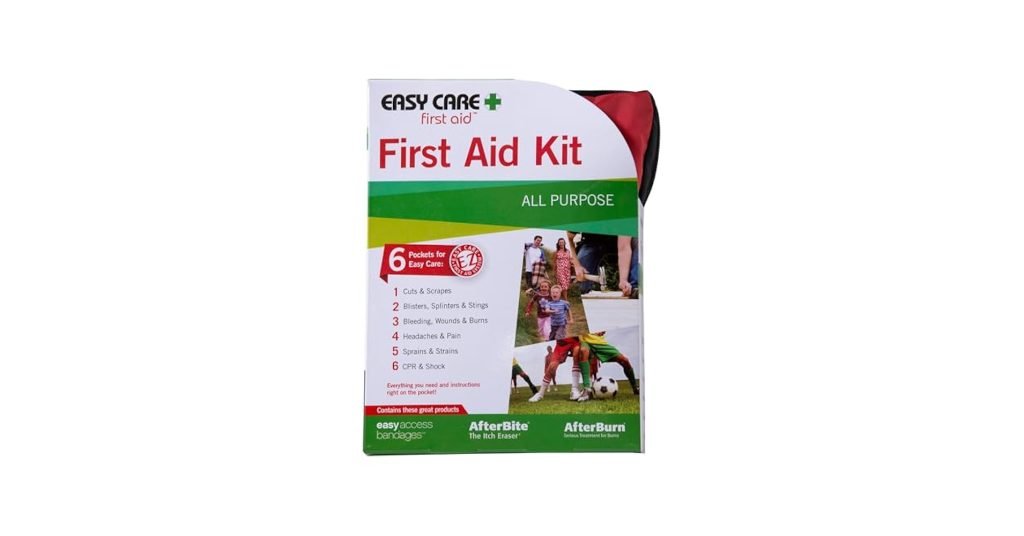
When an emergency strikes, having the right first aid kit can make all the difference—and it shouldn’t be complicated to use. Imagine reaching for your kit and finding everything organized, easy to find, and ready to help you act fast.
You want a first aid kit that’s simple to care for, so it’s always prepared when you need it most. You’ll discover how an easy care first aid kit can give you peace of mind and confidence, whether you’re at home, at work, or on the go.
Keep reading to learn how to choose and maintain a kit that works for you—because your safety deserves nothing less.
Importance Of A First Aid Kit
A first aid kit is a vital item for every home, car, and workplace. It provides essential tools and supplies for treating injuries quickly. Having a first aid kit nearby can help save lives and reduce harm. It prepares you to handle accidents calmly and effectively.
Immediate Response In Emergencies
In emergencies, every second counts. A first aid kit allows fast action to control bleeding, burns, or cuts. It helps stabilize the injured person before professional help arrives. Quick treatment reduces pain and prevents the injury from worsening. Ready access to supplies means no time is wasted searching for what you need.
Prevention Of Complications
Proper first aid stops small injuries from becoming serious. Cleaning wounds prevents infection and promotes healing. Using bandages and antiseptics limits damage and discomfort. Early care lowers risks of complications like swelling, fever, or scarring. A well-stocked first aid kit supports safe and healthy recovery.
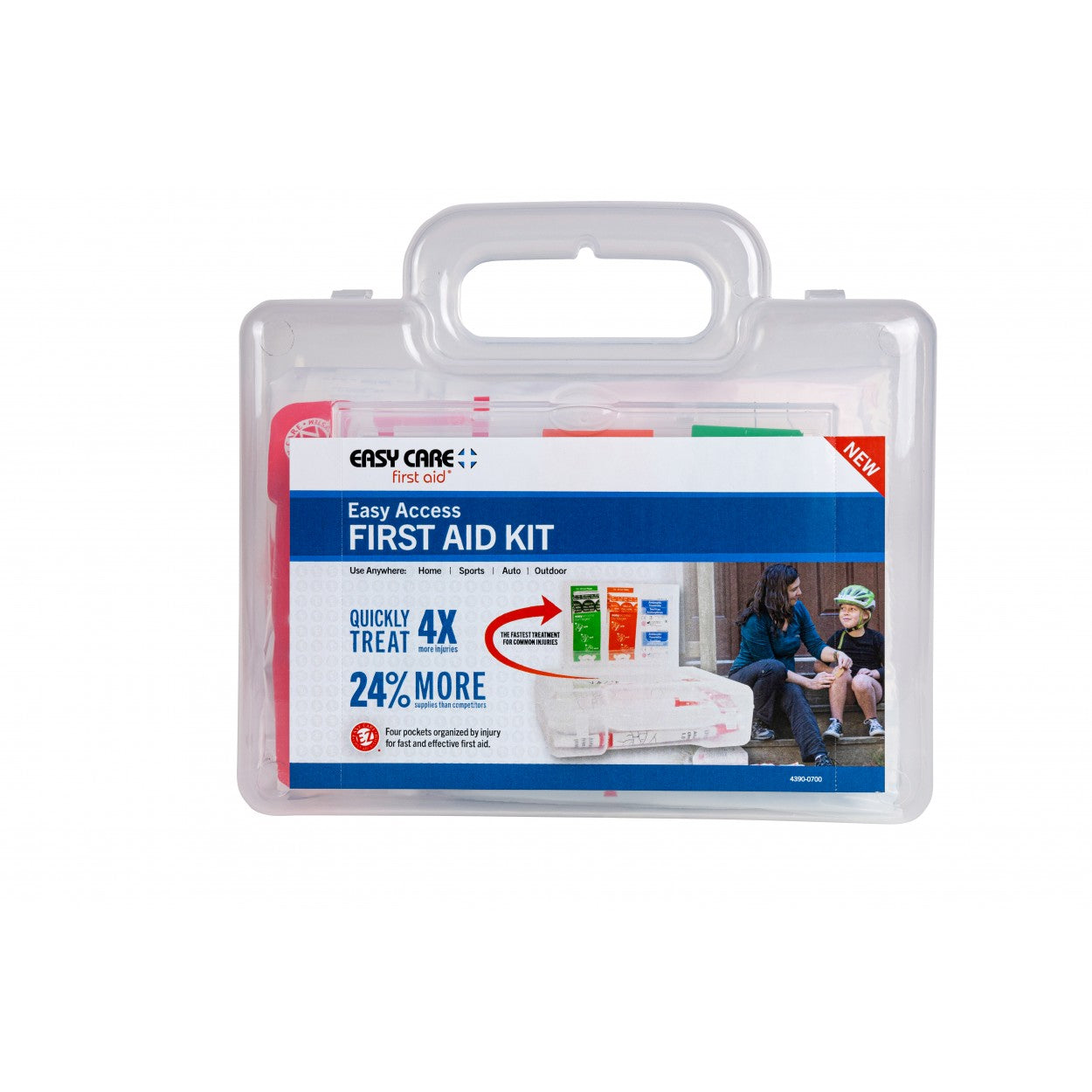
Credit: www.gearx.com
Building Your Easy Care Kit
Building your Easy Care First Aid Kit ensures quick help during small emergencies. A well-prepared kit can ease stress and speed up care. It takes simple steps to gather the right items and organize them neatly. Focus on what you really need and how to keep everything handy.
Essential Components
Start with basic items that cover common injuries. Include:
- Adhesive bandages in various sizes
- Sterile gauze pads and adhesive tape
- Antiseptic wipes and ointment
- Disposable gloves for hygiene
- Scissors and tweezers
- Pain relievers like ibuprofen or acetaminophen
- Instant cold packs
- A digital thermometer
These essentials handle cuts, scrapes, burns, and minor aches. Customize your kit with items for allergies or specific health needs.
Choosing The Right Container
Select a container that fits your space and needs. Options include:
- Plastic boxes with snap lids for durability
- Soft bags with compartments for easy access
- Waterproof cases for outdoor use
Ensure the container is easy to carry and store. Clear or labeled containers help find items fast. Keep your kit in a cool, dry place away from children.
Organizing Your Supplies
Keeping your Easy Care First Aid Kit well-organized is key to responding quickly and effectively in an emergency. When every second counts, knowing exactly where each item is can make a real difference. A clutter-free kit ensures you don’t waste time searching or miss critical supplies.
Labeling And Accessibility
Clear labeling helps you grab what you need without hesitation. Use waterproof labels or a label maker to mark each compartment or container inside your kit. Group similar items together—bandages in one section, antiseptics in another—to simplify your search.
Think about who might use the kit. Is it just you, or will others need access? Arrange supplies so even someone unfamiliar with the kit can find essentials quickly. Place the most commonly used items on top or in the front for easy reach.
Regular Inventory Checks
How often do you check your first aid kit? Setting a reminder every few months to review supplies keeps everything current. Replace expired medications and used items immediately to avoid surprises during an emergency.
Keep a simple checklist inside the kit to track what you have and what’s missing. This habit can save you from last-minute panic and ensures your kit is always ready for action. You’ll appreciate the peace of mind knowing your supplies are complete and fresh.

Credit: www.amazon.com
Tips For Quick Emergency Relief
Quick emergency relief can make a huge difference in how well someone recovers from an injury. Knowing what to do right away helps you stay calm and act effectively. Your Easy Care First Aid Kit is your best partner in these moments, but understanding the basics is just as important.
Recognizing Common Injuries
Knowing how to spot injuries quickly is key. Cuts, burns, sprains, and bruises are some of the most common issues you might face. Look for signs like bleeding, swelling, redness, or unusual pain.
Do you know how to tell a minor burn from a more serious one? A minor burn usually causes redness and mild pain, while a serious burn might blister or cause numbness. Paying attention to these details helps you decide what care is needed immediately.
Sometimes, injuries aren’t obvious. A person might feel dizzy or weak after a fall without visible wounds. Don’t ignore these signs—your prompt response can prevent the situation from getting worse.
Step-by-step First Aid Procedures
When you face an injury, follow simple steps to give effective help. Start by calming the injured person and yourself. Check the Easy Care First Aid Kit to find the right supplies quickly.
- For cuts and scrapes:Clean the wound with antiseptic wipes, then cover it with a sterile bandage.
- For burns:Cool the area under running water for at least 10 minutes before applying a burn cream or dressing.
- For sprains:Rest the injured area and use a cold pack to reduce swelling.
Have you ever hesitated because you didn’t know the right order to help someone? Keep a small first aid instruction card in your kit. It can be a lifesaver when your mind goes blank.
Remember, your goal is to stabilize the injury until professional help arrives. Acting fast and correctly can change outcomes dramatically.
Maintaining Your Kit
Keeping your Easy Care First Aid Kit in top shape is more than just a good idea—it’s essential for effective emergency response. A well-maintained kit ensures you always have what you need exactly when you need it. Regular checks and thoughtful updates can save precious time and reduce stress during unexpected situations.
Replacing Expired Items
Expired supplies can lose their effectiveness or even become unsafe to use. Check your kit every few months for items like antiseptic wipes, ointments, and medications. Discard anything past its expiration date and replace it promptly to keep your kit reliable.
Have you ever reached for a bandage only to find it dried out or a pain reliever that’s lost potency? This simple step can prevent those frustrating moments. Keep a small checklist or set reminders on your phone to stay on track.
Updating According To Needs
Your first aid needs might change over time. Consider your lifestyle, family size, and any new health concerns when updating your kit. For example, if someone in your household develops allergies, adding an epinephrine injector could be lifesaving.
Think about activities you do regularly—do you hike, bike, or travel often? Tailor your kit to fit those situations. Adding blister pads for hikers or motion sickness tablets for travelers ensures you’re prepared for specific emergencies.
Training For Effective Use
Knowing how to use your Easy Care First Aid Kit effectively can make a huge difference in an emergency. Training transforms a simple kit into a powerful tool that helps you act quickly and confidently. Let’s look at key skills that will boost your preparedness and keep you ready to respond when it matters most.
Basic First Aid Skills
Mastering basic first aid skills is the foundation of using your kit well. You should be comfortable treating minor cuts, burns, and scrapes using the supplies in your kit.
Practice cleaning wounds properly to prevent infection. Learn how to apply bandages and use antiseptic wipes efficiently. These simple steps can stop problems from getting worse.
Also, get familiar with how to handle nosebleeds and insect bites. Knowing these basics means you won’t panic during small emergencies.
- Stop bleeding by applying direct pressure.
- Use adhesive bandages or gauze to cover wounds.
- Identify signs of infection early.
- Keep calm and reassure the injured person.
Advanced Techniques
Once you feel confident with basics, learning advanced techniques can prepare you for serious situations. Skills like CPR and using a tourniquet can save lives.
Training in CPR teaches you how to maintain blood flow to the brain during cardiac arrest. It’s a skill everyone should know, and your kit often includes items like gloves and masks to assist safely.
Understanding when and how to use a tourniquet can control severe bleeding until professional help arrives. This knowledge turns your kit into a critical life-saving resource.
- Perform chest compressions and rescue breaths correctly.
- Recognize signs requiring immediate emergency response.
- Practice using emergency tools included in your kit.
- Stay updated with refresher courses to keep skills sharp.
Have you thought about what you would do if someone near you needed urgent help right now? Regular practice and training empower you to act decisively with your Easy Care First Aid Kit.
Situational Adaptations
Situational adaptations help make the Easy Care First Aid Kit more useful. Different places and activities need different medical supplies. Adjusting the kit based on where you go keeps you ready for any small emergency.
Outdoor Adventures
Outdoor trips need special first aid items. Include insect repellent to avoid bites. Add waterproof bandages for wet conditions. Carry extra pain relief for muscle aches. Pack allergy medicine for unexpected reactions. Keep a small flashlight for night emergencies.
Travel Considerations
Traveling calls for a compact, lightweight kit. Choose items that fit airline rules. Include medicines for stomach issues and motion sickness. Add antiseptic wipes for clean hands. Bring copies of important medical documents. Always check for local health risks before packing.
Staying Calm In Emergencies
Emergencies can cause panic and confusion. Staying calm helps you think clearly and act quickly. A calm mind improves decision-making and reduces mistakes. Preparing mentally before an emergency can make a big difference. Clear communication helps everyone understand what to do.
Mental Preparation
Practice deep breathing to lower stress. Visualize yourself handling emergencies calmly. Know the contents of your Easy Care First Aid Kit well. Familiarity reduces fear and hesitation. Keep emergency numbers written down and accessible. Regularly review basic first aid steps. Staying ready builds confidence and control.
Effective Communication
Speak slowly and clearly. Use simple words to explain the situation. Listen carefully to others and confirm their messages. Use short sentences to avoid confusion. Assign roles if others are present. Calm voices help calm minds. Always update everyone involved about changes.

Credit: www.amazon.com
Frequently Asked Questions
What Items Are Essential In An Easy Care First Aid Kit?
An Easy Care First Aid Kit should include bandages, antiseptic wipes, adhesive tape, scissors, gloves, and pain relief. These items cover most minor injuries and emergencies effectively.
How Often Should I Check My Easy Care First Aid Kit?
You should check your Easy Care First Aid Kit every six months. Replace expired items and restock used supplies promptly for safety.
Can I Customize My Easy Care First Aid Kit?
Yes, customize your kit based on your family’s needs and activities. Add allergy medications or specific treatments to enhance preparedness.
Where Is The Best Place To Store An Easy Care First Aid Kit?
Store your Easy Care First Aid Kit in a cool, dry, and easily accessible location. Avoid places exposed to heat or moisture to maintain item effectiveness.
Conclusion
Keeping an easy care first aid kit ready helps you stay safe every day. It saves time during small injuries and reduces stress. Choose simple items that suit your needs and check them often. Everyone should have one at home, work, or in the car.
Being prepared is smart and shows you care. Start with basics and add what feels right. Small steps make a big difference in emergencies. Stay calm, act fast, and keep your kit updated for peace of mind.

I’m Abby Lu, a passionate home cook who loves simplifying everyday meals. At PlugChef.com, I share product reviews and cooking guides to help you find the best tools for your kitchen.
Related posts:
 What Type of Cooking Utensils are Safe: Expert Picks
 What Innovations Could Blenders Make: Unleashing Future Tech
 Smart Strategies to Organize a Small Kitchen: Maximize Space
 How to Organize a Kitchen Cabinet: Expert Tips & Tricks
 How to Organize Kitchen Drawers: Expert Tips and Tricks
 How to Organize a Corner Kitchen Cupboard: Expert Tips

