
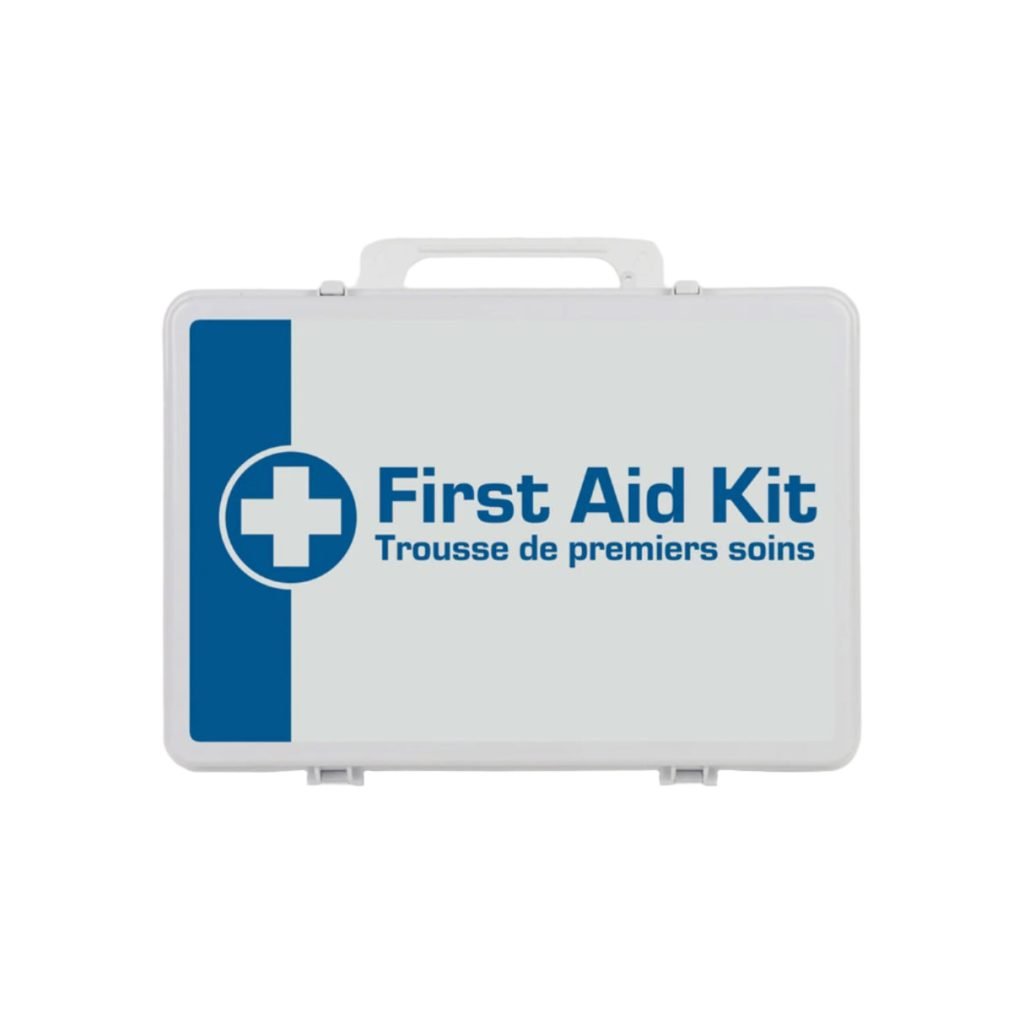
Imagine having all your essential first aid supplies neatly stored in one place, ready to help you in an emergency. That’s exactly what a first aid kit plastic box offers.
It keeps your bandages, antiseptics, and tools organized, protected, and easy to find when every second counts. If you want to be prepared and feel confident handling minor injuries at home, work, or on the go, this guide will show you why choosing the right plastic box for your first aid kit is so important—and how it can make a real difference when you need it most.
Keep reading to discover the key features that make a first aid kit plastic box a must-have for your safety.
Importance Of First Aid Kits
First aid kits are essential for every home, car, and workplace. They provide immediate care in emergencies. Having a well-stocked first aid kit plastic box helps treat injuries fast. It can prevent small problems from becoming serious. Quick response saves lives and reduces recovery time.
Everyone faces accidents or sudden health issues at some point. Being prepared with the right tools and supplies brings peace of mind. It also supports safety for family, friends, and coworkers. The importance of first aid kits cannot be overstated in daily life.
Immediate Response To Injuries
First aid kits allow quick action on cuts, burns, and bruises. Immediate care lowers the risk of infection and complications. A plastic box keeps supplies clean and organized for fast access.
Preparedness For Emergencies
Emergencies happen without warning. A first aid kit ensures you are ready anytime, anywhere. It builds confidence to handle minor and moderate health issues effectively.
Cost-effective Health Care
Using a first aid kit can reduce doctor visits for minor injuries. Early treatment saves money and time. It stops small wounds from worsening, avoiding expensive medical bills.
Promotes Safety Awareness
Having a first aid kit encourages safety habits. It reminds people to act carefully and be responsible. It also teaches the importance of health and emergency preparedness.
Organized Storage And Portability
Plastic boxes offer sturdy, lightweight storage for first aid supplies. They protect items from dust, moisture, and damage. Portable kits can be carried easily to any location.

Credit: www.amazon.ca
Benefits Of Plastic Box Kits
Plastic box first aid kits offer many practical benefits. They keep medical supplies safe and organized. Their lightweight design makes them easy to carry. The plastic material resists water and dust, protecting contents in different environments.
These kits come in various sizes and shapes, fitting different needs. Plastic boxes are durable and last long without breaking. They provide clear visibility of the items inside, helping to find supplies quickly. The affordable cost makes them a popular choice for homes, schools, and offices.
Durability And Protection
Plastic boxes are strong and resist damage from drops or bumps. They protect the first aid items from moisture and dirt. This ensures supplies stay clean and ready to use. The sturdy construction helps keep everything inside intact during emergencies.
Easy To Carry And Store
Plastic kits are lightweight and compact. They fit easily into backpacks, cars, or cabinets. Handles or secure locks make carrying simple and safe. Their design helps save space and keeps supplies organized.
Clear Visibility
Many plastic boxes have transparent lids or windows. This allows quick checking of the contents without opening the box. It saves time during urgent situations. Users can easily see which items need restocking.
Cost-effective Choice
Plastic first aid kits cost less than metal or fabric cases. They offer good value for their durability and protection. This makes them accessible for many people and organizations. The low price encourages keeping a first aid kit ready.
Customization And Variety
Plastic boxes come in different sizes, colors, and designs. Users can choose one that fits their space and needs. Some kits have compartments or trays for better organization. This helps keep supplies sorted and easy to find.
Key Features Of Plastic Boxes
Plastic boxes for first aid kits offer many useful features. They keep medical supplies safe and organized. These boxes are designed to meet the needs of emergencies. Understanding their key features helps in choosing the right one. Below are important aspects that make plastic boxes ideal for first aid kits.
Durability And Protection
Plastic boxes are strong and tough. They resist cracks and breaks from drops. The material shields contents from dust and moisture. A tight lid keeps everything secure inside. This protection ensures medicines and tools stay clean and dry. Some boxes have impact-resistant plastics for extra safety. This durability extends the life of the first aid kit.
Portability And Accessibility
Plastic boxes are lightweight and easy to carry. Many have handles or straps for quick transport. Their compact size fits well in bags or car compartments. Inside, compartments or trays separate items for fast access. Clear or colored lids help identify contents without opening. Easy access saves valuable time during emergencies. Portability makes these kits ready for use anywhere.
Essential Contents
A well-stocked first aid kit plastic box holds key items to handle common injuries. Knowing what to include ensures quick and effective care. The contents fall into two main groups.
Basic medical supplies cover everyday needs and minor wounds. Specialized equipment prepares you for serious or unusual situations. Both are vital for safety and peace of mind.
Basic Medical Supplies
- Adhesive bandages in various sizes for small cuts
- Sterile gauze pads to stop bleeding and protect wounds
- Antiseptic wipes or solution to clean injuries
- Medical tape to secure dressings and bandages
- Elastic bandages for sprains and strains
- Disposable gloves to keep care hygienic
- Scissors and tweezers for cutting and removing debris
- Pain relievers like aspirin or ibuprofen
- Thermometer to check for fever
- Instant cold packs to reduce swelling
Specialized Equipment
- CPR face shield or mask for safe rescue breaths
- Burn cream or gel for minor burns
- Eye wash solution to flush out irritants
- Triangle bandages for slings and immobilization
- Splints to stabilize broken bones or sprains
- Emergency blanket to prevent shock and keep warm
- Finger splints for small fractures
- Medical adhesive remover for sensitive skin
- First aid manual with clear instructions
- Alcohol pads for disinfecting tools
Organizing Your Kit
Organizing your first aid kit plastic box improves safety and saves time in emergencies. A well-arranged kit helps you find supplies quickly. It also keeps items clean and protected. Proper organization means fewer mistakes and better care.
Efficient Layout
Arrange items by type and use frequency. Place everyday essentials like bandages and antiseptics on top. Store less-used items like tweezers and scissors at the bottom. Use small containers or dividers to separate items. Keep similar items together to avoid confusion.
Labeling And Identification
Label each section or container clearly. Use large, simple text for easy reading. Mark items with their names and expiration dates. Color-coded labels help identify categories quickly. Labels prevent delays and help anyone use the kit correctly.

Credit: www.whitecapsupply.com
Maintenance Tips
Keeping your First Aid Kit Plastic Box in good shape is essential for quick and effective responses during emergencies. Maintenance is not just about cleanliness; it’s about ensuring every item inside is ready to use when you need it most. Let’s look at practical tips to keep your kit reliable and up to date.
Regular Inventory Check
Set a reminder to check your first aid kit at least once every three months. Open the box and review each item carefully. Are any bandages torn? Have any ointments expired?
Pay attention to the condition of the plastic box itself. Cracks or broken hinges can let moisture in, damaging your supplies. You don’t want to discover a soggy gauze pad when time is critical.
Ask yourself: Would you feel confident grabbing this kit right now? If the answer is no, it’s time for a thorough check and clean-up.
Restocking Supplies
After checking your inventory, make a list of items that need replacing. Keep essentials like adhesive bandages, antiseptic wipes, and pain relievers on hand. These basics often get used up quickly.
Consider adding seasonal items depending on your activities. For example, if you hike during summer, include insect bite relief. Or if you have allergies, make sure antihistamines are stocked.
Organize new supplies neatly inside the box so you can find them fast. Labeling sections or using small containers inside the box can help you stay organized and reduce panic during emergencies.
Choosing The Right Kit
Choosing the right first aid kit plastic box is more than just picking a container; it’s about ensuring readiness when every second counts. Your kit should match your lifestyle, environment, and the number of people it needs to serve. Think about where you’ll keep it and how quickly you can access it during an emergency.
Size Considerations
Size matters because a kit that’s too small might miss essential supplies, while an oversized kit can be bulky and impractical. Consider how many people might need help and the type of incidents you’re likely to face. For example, a small kit works well for a solo hiker, but a family road trip demands a larger box with more variety.
Ask yourself: Will this kit fit in your car glove compartment, backpack, or office drawer? A compact, well-organized box often beats a large, cluttered one. Look for plastic boxes with compartments or removable trays to keep things tidy and easy to find.
Specific Needs
Your unique needs shape what goes inside the kit. If someone in your group has allergies, add antihistamines and an epinephrine injector. For outdoor adventurers, include insect bite treatments and waterproof bandages.
Think about the environment too. A plastic box with a secure seal protects supplies from moisture and dust. If you live in a cold climate, choose materials that won’t crack or become brittle.
What injuries are most likely in your daily routine? Tailor your kit accordingly to avoid scrambling for missing items during a crisis. Personalizing your first aid kit plastic box transforms it from a generic set of tools into a lifesaver designed just for you.
Diy Vs. Pre-packaged Kits
Choosing between a DIY first aid kit plastic box and a pre-packaged kit can be tricky. Both have their perks, but your decision will depend on what you value most—whether it’s control over contents or convenience. Let’s look closer at how customization and cost play a role in this choice.
Customization Options
With a DIY first aid kit, you get full control over what goes inside. You can add items that match your family’s specific needs, like allergy medicine or extra bandages for active kids.
Pre-packaged kits come ready to use, but they often include generic supplies that might not suit your situation perfectly. Have you ever found yourself digging through a kit looking for something you need but can’t find?
Building your own kit lets you organize everything the way you want. You decide the size of the box, the type of container, and even label compartments for quick access during emergencies.
Cost Efficiency
DIY kits can be more budget-friendly if you buy supplies over time and shop sales. You might save money by purchasing bulk items like gauze or antiseptic wipes and refilling your box as needed.
Pre-packaged kits often look like a good deal upfront but can cost more in the long run if you replace single-use items or add missing essentials. Think about how many times you’ve had to buy extra supplies separately after opening a kit.
On the other hand, pre-packaged kits save time and effort, which some people find worth the extra cost. Ask yourself: is convenience more valuable to you than saving a few dollars?
Emergency Preparedness
Emergency preparedness means being ready for unexpected injuries or accidents. A first aid kit plastic box keeps all essential supplies clean and organized. It helps you find items quickly when every second counts. Proper preparation can reduce panic and improve response during emergencies.
Training And Usage
Knowing how to use the first aid kit is important. Basic training teaches how to treat cuts, burns, and sprains. Practice opening the plastic box and identifying supplies inside. Keep instructions simple and easy to follow. Regular practice helps build confidence in handling minor injuries safely.
Scenario Planning
Think about possible emergency situations at home or work. Plan what to do if someone falls or gets hurt. Check the first aid kit plastic box to match items needed for those scenarios. Update the kit regularly to replace used or expired supplies. Planning ahead saves time and helps avoid confusion during real emergencies.

Credit: www.amazon.ca
Frequently Asked Questions
What Is A First Aid Kit Plastic Box?
A first aid kit plastic box is a durable container. It organizes and protects medical supplies for emergencies. The box is lightweight, portable, and often waterproof. It ensures easy access to essential first aid items when needed.
Why Choose A Plastic Box For First Aid Kits?
Plastic boxes are sturdy, lightweight, and water-resistant. They protect contents from damage and moisture. Plastic is easy to clean and maintain. These features make plastic boxes ideal for storing first aid supplies safely.
How To Organize A First Aid Kit Plastic Box?
Group items by type and frequency of use. Use compartments or small bags for better organization. Label sections for quick access during emergencies. Keep essential items on top for immediate reach.
Can A First Aid Plastic Box Be Reused?
Yes, plastic first aid boxes are reusable. You can refill and reorganize them as needed. Their durability allows multiple uses over time. Proper cleaning ensures hygiene and safety for reuse.
Conclusion
A plastic box for your first aid kit keeps supplies safe and dry. It helps organize items so you find them fast in an emergency. This simple container is light and easy to carry anywhere. Choosing the right box makes your kit more useful.
Always keep it stocked and check items often. Ready for small accidents or big ones. A good first aid kit plastic box is smart and practical. Stay prepared and feel confident every day.

I’m Abby Lu, a passionate home cook who loves simplifying everyday meals. At PlugChef.com, I share product reviews and cooking guides to help you find the best tools for your kitchen.
Related posts:
 What Type of Cooking Utensils are Safe: Expert Picks
 What Innovations Could Blenders Make: Unleashing Future Tech
 Smart Strategies to Organize a Small Kitchen: Maximize Space
 How to Organize a Kitchen Cabinet: Expert Tips & Tricks
 How to Organize Kitchen Drawers: Expert Tips and Tricks
 How to Organize a Corner Kitchen Cupboard: Expert Tips

