
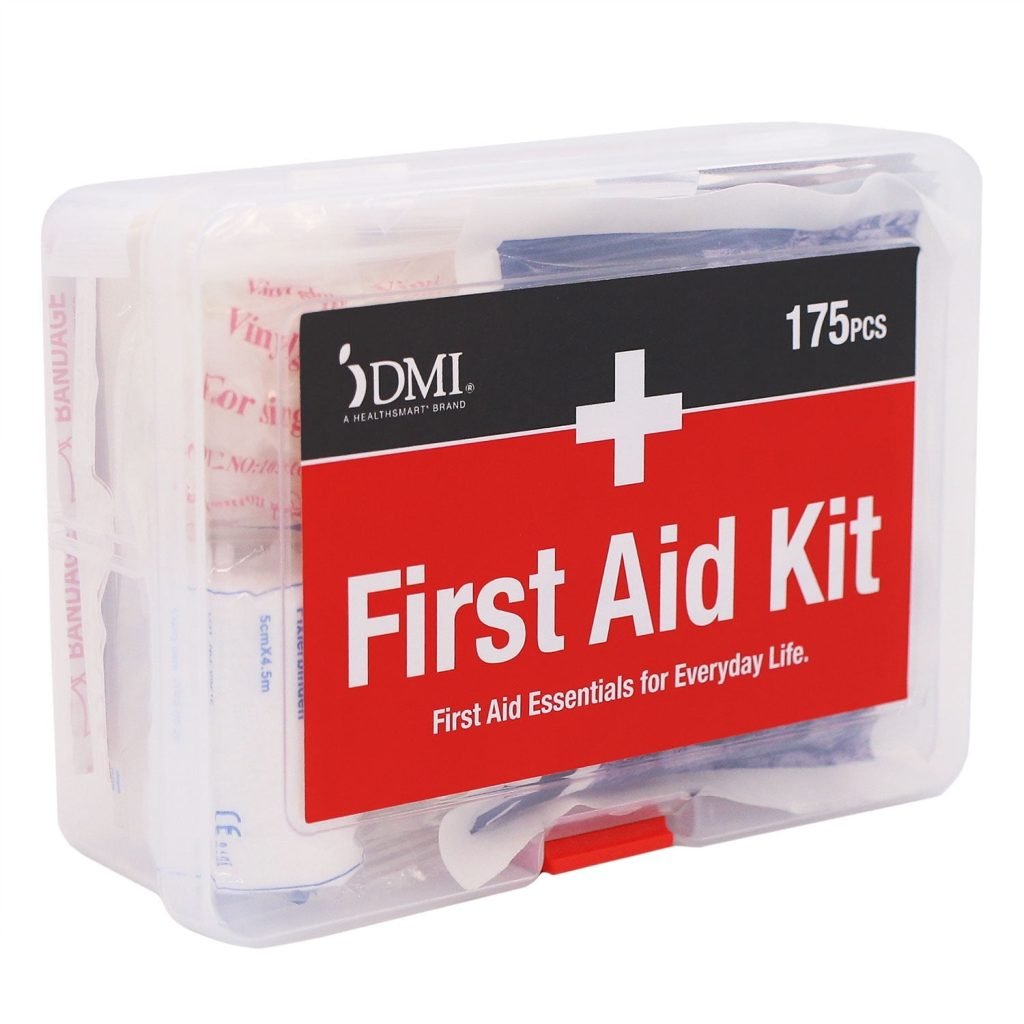
Are you wondering if a first aid kit is FSA eligible? Knowing this can save you money and prepare you for emergencies without breaking the bank.
Imagine having the right supplies on hand and getting reimbursed through your Flexible Spending Account. You’ll discover exactly what makes a first aid kit FSA eligible and how you can make the most of your benefits. Keep reading to make sure your next purchase is both smart and savvy.
Essential First Aid Kit Items
A well-stocked first aid kit can help manage minor injuries quickly. Having the right items ready saves time and reduces infection risk. Essential first aid kit items protect wounds, ease pain, and prevent complications.
Bandages And Dressings
Bandages and dressings cover cuts and scrapes. They stop bleeding and shield wounds from dirt. Include various sizes of adhesive bandages for small cuts. Sterile gauze pads help cover larger wounds. Elastic bandages provide support for sprains and strains. Always keep medical tape to secure dressings firmly.
Antiseptic Solutions
Antiseptic solutions clean wounds to prevent infection. Use antiseptic wipes or liquid solutions like hydrogen peroxide. These kill germs and help wounds heal faster. Avoid using alcohol directly on deep wounds as it may hurt. Antiseptic creams or ointments also protect cuts and burns from germs.
Pain Relief Medications
Pain relief medications reduce discomfort from injuries. Common options include acetaminophen and ibuprofen. These medicines help lower pain and reduce swelling. Store them in original packaging and check expiration dates. Follow dosage instructions carefully to avoid side effects.

Credit: www.amazon.sa
Fsa Eligibility Explained
Understanding which items qualify for Flexible Spending Account (FSA) reimbursement is crucial. Knowing if your first aid kit is FSA eligible helps you save money. This section explains what makes a first aid kit eligible and how FSAs work.
Understanding Fsa Coverage
FSA plans allow people to pay for medical expenses with pre-tax dollars. These accounts reduce your taxable income. Only certain medical products and services qualify for reimbursement. The goal is to cover expenses that treat or prevent illness or injury.
First aid kits often qualify because they contain essential medical supplies. Items like bandages, antiseptics, and gauze help treat minor injuries. These are considered eligible because they support health and safety.
Eligible Medical Expenses
Medical expenses covered by FSAs include many common health items. Typical eligible products in a first aid kit are:
- Adhesive bandages
- Antiseptic wipes and creams
- Gauze pads and medical tape
- Thermometers
- Cold packs
- Hydrogen peroxide and alcohol
Items like vitamins or supplements usually do not qualify. Cosmetic products or general wellness items are not eligible. It is best to check the FSA guidelines or ask your plan administrator.
Benefits Of Fsa Eligible First Aid Kits
FSA eligible first aid kits offer clear advantages for anyone wanting to stay prepared. These kits cover essential medical supplies and qualify for payment using flexible spending accounts (FSAs). This eligibility brings practical benefits that make managing health expenses easier and more efficient.
Cost Savings
Purchasing FSA eligible first aid kits helps reduce healthcare costs. Payments come from pre-tax dollars, lowering your overall expenses. This means more money stays in your pocket. You avoid paying sales tax on many items as well. A smart choice for budgeting your health needs.
Convenience And Accessibility
FSA eligible first aid kits are easy to find and buy. Many retailers label these kits clearly, making shopping simple. You can use your FSA card directly at checkout. This removes the need to pay upfront and wait for reimbursement. Having the right supplies ready is more convenient than ever.
Top Recommended First Aid Kits
Choosing the right first aid kit can make a significant difference in how you handle unexpected injuries. Whether you’re on the move or at home, having a first aid kit that fits your specific needs is essential. Below are some top recommended kits that you can consider, especially if you’re looking for FSA-eligible options.
Compact Kits For Travel
Travel demands convenience without sacrificing preparedness. Compact first aid kits are designed to fit into backpacks, glove compartments, or even purses. They usually contain basics like bandages, antiseptic wipes, and pain relievers.
One kit I’ve personally used includes a small, sturdy case with clear compartments. It made finding items quick during a hiking trip when I had a minor scrape. Wouldn’t you want something that keeps you ready without bulk?
- Basic wound care supplies
- Compact scissors and tweezers
- Small pack of allergy medication
Look for kits labeled as FSA-eligible so you can use your flexible spending account benefits. This ensures you invest in quality without extra financial worry.
Comprehensive Home Kits
At home, you need a kit that covers a wider range of emergencies. Comprehensive first aid kits often come with supplies for burns, fractures, and more serious cuts. These kits are larger but organized to help you find what you need fast.
After a kitchen accident, I realized how valuable a well-stocked home kit is. It included burn cream and cold packs that eased the pain immediately. If your kit lacks these, could you handle similar situations confidently?
| Essential Items | Purpose |
|---|---|
| Sterile gauze pads | Control bleeding and protect wounds |
| Elastic bandages | Support sprains and strains |
| Antiseptic solution | Prevent infection |
| Thermometer | Monitor fever |
Choosing a home kit that is FSA-eligible means you can be prepared without breaking your budget. Think about how much peace of mind a well-equipped kit can offer your family.
Buying Guide For First Aid Kits
Buying a first aid kit that is FSA eligible helps save money on healthcare expenses. Choosing the right kit ensures you have essential supplies for emergencies. Knowing where to purchase makes the process easier and more reliable. This guide simplifies selecting and buying the best first aid kit for your needs.
Choosing The Right Kit
Consider the kit’s size and contents based on your needs. Small kits work well for home or car use. Larger kits suit workplaces or outdoor activities. Check if the kit includes bandages, antiseptics, and pain relievers. Verify that items are within their expiration dates. Look for kits approved for FSA purchases to get tax benefits. A well-stocked kit prepares you for common injuries and emergencies.
Where To Purchase
Buy from trusted retailers to ensure quality and authenticity. Pharmacies and medical supply stores offer a wide selection. Online stores provide convenience and often better prices. Look for sellers that clearly mark products as FSA eligible. Check customer reviews for reliability and product satisfaction. Avoid unknown sellers to prevent expired or fake items. Confirm return policies before completing your purchase.

Credit: www.amazon.com
Maintaining Your First Aid Kit
Maintaining your first aid kit keeps it ready for any emergency. A well-kept kit saves time and stress during urgent moments. Regular care ensures all items work correctly and are safe to use.
Regularly Checking Expiry Dates
Expired items can lose effectiveness or cause harm. Check every item’s expiry date at least once a month. Remove and replace anything that is out of date. Pay special attention to ointments, creams, and medicines.
Keep a list of items with their expiry dates for easy tracking. Set reminders on your phone or calendar for regular checks. This small habit avoids surprises during emergencies.
Replenishing Supplies
Use your first aid kit often and restock used items quickly. Run out of bandages? Replace them immediately. Missing antiseptic wipes or gloves? Add them back right away.
Keep your kit stocked with essentials like:
- Adhesive bandages of various sizes
- Antiseptic wipes and ointments
- Gauze pads and medical tape
- Disposable gloves
- Scissors and tweezers
- CPR face shield or mask
Check supplies after every use and during regular inspections. Avoid overstocking to keep your kit organized and easy to access.

Credit: www.amazon.com
Frequently Asked Questions
Are First Aid Kits Eligible For Fsa Reimbursement?
Yes, first aid kits are generally eligible for FSA reimbursement. They qualify as medical supplies needed for treating minor injuries. Keep your receipt to submit for reimbursement through your FSA plan.
What Items In A First Aid Kit Are Fsa Eligible?
Items like bandages, antiseptic wipes, and gauze pads in first aid kits are FSA eligible. These supplies help treat wounds and prevent infections, making them reimbursable under most FSA plans.
Can I Buy A First Aid Kit With Fsa Funds Online?
Yes, you can buy first aid kits online using FSA funds. Ensure the seller provides an itemized receipt that specifies eligible medical supplies for reimbursement.
Are Refill Packs For First Aid Kits Fsa Eligible?
Refill packs containing medical supplies like bandages and antiseptics are FSA eligible. They replenish your first aid kit and qualify for reimbursement under FSA guidelines.
Conclusion
A first aid kit is a smart and useful item to keep. Many kits qualify as FSA eligible, saving you money. Knowing what items count helps you choose the right kit. Always check your FSA rules before buying. Being prepared means acting fast in emergencies.
Keep your kit stocked and easy to reach. This small step can make a big difference. Stay safe and ready with an FSA eligible first aid kit.

I’m Abby Lu, a passionate home cook who loves simplifying everyday meals. At PlugChef.com, I share product reviews and cooking guides to help you find the best tools for your kitchen.
Related posts:
 What Type of Cooking Utensils are Safe: Expert Picks
 What Innovations Could Blenders Make: Unleashing Future Tech
 Smart Strategies to Organize a Small Kitchen: Maximize Space
 How to Organize a Kitchen Cabinet: Expert Tips & Tricks
 How to Organize Kitchen Drawers: Expert Tips and Tricks
 How to Organize a Corner Kitchen Cupboard: Expert Tips

