
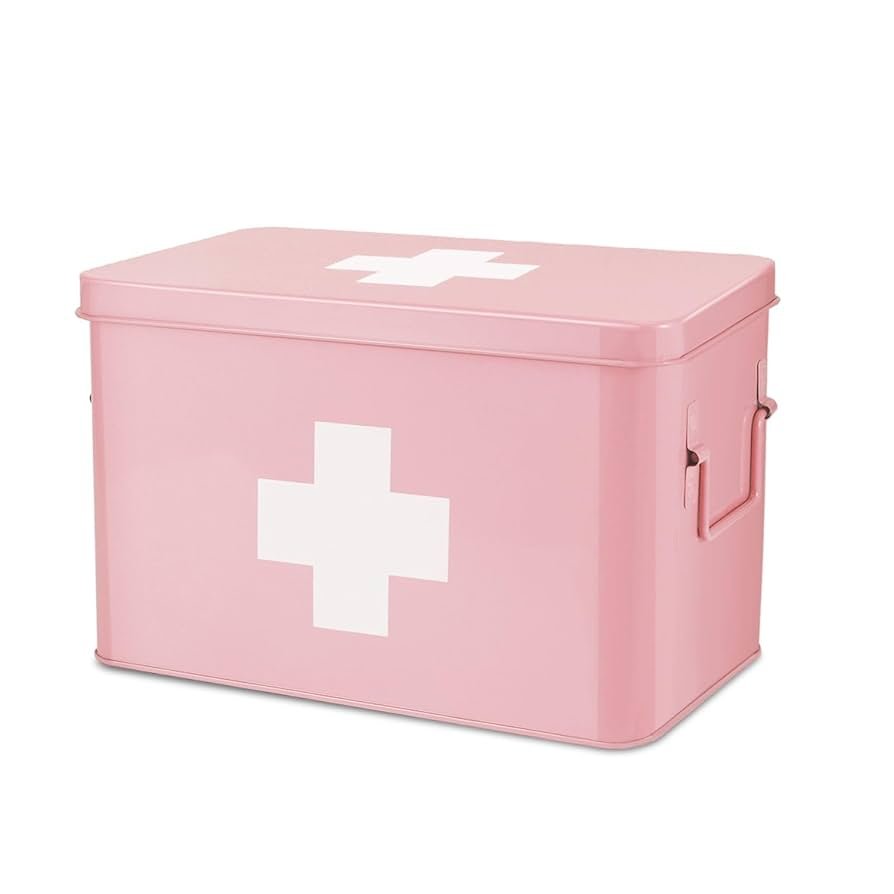
There’s a distinct thrill in lifting the latch of a tarnished metal box tucked in an attic trunk, only to find a decades-old first aid kit inside, its contents frozen in time: a crumpled gauze packet, rust-scarred tweezers, a faded instruction leaflet with half-faded red cross logos. For collectors, history enthusiasts, and vintage decor lovers, the vintage first aid kit box is far more than a relic of outdated medical practice—it’s a tangible, tactile link to the everyday people and moments that shaped modern emergency care.
Whether you’re drawn to the rugged, utilitarian design of WWII military-issue kits, the cheerful mid-century graphic tins made for 1950s suburban families, or the quiet craftsmanship of hand-stitched leather medical cases, these boxes hold stories of resilience, innovation, and the universal human drive to care for one another in times of need. Unlike mass-produced modern first aid supplies, vintage kits reflect the materials, medical standards, and even cultural aesthetics of the eras that produced them, making each piece a unique snapshot of history. For more on this, see our guide on safety first cabinet and drawer latches.
In this guide, we’ll walk through the full story of vintage first aid kit boxes, from their 19th century military origins to the most coveted models for today’s collectors, plus practical tips for identifying authentic pieces, preserving their condition, and showcasing them in your home or collection. We’ll also answer common questions about care, value, and the line between collecting and practical use.
The Rich History of Vintage First Aid Kits
The history of first aid kits mirrors the evolution of modern medicine and military logistics, with each design shift reflecting new medical discoveries and changing user needs. Understanding this context will help you better appreciate the unique traits of the vintage kits you encounter. For more on this, see our guide on kitchen aid ice maker cleaner.
Military Origins: From Crimean War Battlefields to Global Standardization
The concept of a portable, pre-assembled medical kit for on-the-go care traces directly to military needs, where rapid treatment of wounds could mean the difference between life and death for injured soldiers. During the 1854 Crimean War, British surgeon Peter Shepherd recognized that untrained soldiers often lacked basic supplies to treat gunshot wounds and infections before medics could arrive, leading him to develop the first standardized “first aid” kits paired with basic training for non-medical personnel. The formalization of this practice was later adopted globally, according to the American Red Cross American Red Cross.
By the late 1800s, the British Army had formalized first aid box requirements for all regiments, and the U.S. military followed suit in the early 20th century. The U.S. Army’s M-1912 First Aid Packet, Individual, issued during World War I, was a small, waterproof canvas pouch designed to fit in a soldier’s uniform pocket, holding sterile gauze, adhesive tape, and a basic instruction card. By World War II, the iconic M-1942 First Aid Packet became standard issue, featuring a rugged metal case with a red cross marking, a tourniquet, sulfa powder for infection prevention, and a small morphine syringe for severe pain—contents that reflect the medical limitations and priorities of the era. Surviving examples with original contents intact are among the most valuable pieces for military history collectors. For more on this, see our guide on trader joes boba kit instructions.
 A well-preserved WWII-era U.S. Army first aid kit with original sulfa powder and instruction leaflet, a highly sought-after collector’s item.
Credit: www.ebay.com
A well-preserved WWII-era U.S. Army first aid kit with original sulfa powder and instruction leaflet, a highly sought-after collector’s item.
Credit: www.ebay.com
20th Century Civilian Adoption and Design Evolution
As first aid training became mainstream for civilians in the early 1900s, spurred by public health campaigns from groups like the American Red Cross, demand for affordable, accessible home first aid kits grew rapidly. By the 1920s, companies like Johnson & Johnson were producing small, affordable metal tins for household use, often sold with basic first aid instruction booklets. These early civilian kits prioritized common household injuries: cuts, burns, and splinters, rather than the severe trauma-focused supplies included in military kits.
The mid-20th century brought a boom in decorative, branded first aid kit boxes. Companies like Kodak produced kits in colorful lithographed tins targeted at families and travelers, while automotive brands like Ford included branded first aid kits in new car glove compartments as a selling point. Plastic gradually replaced metal for many civilian kits in the 1970s and 1980s, as it was cheaper to produce and more resistant to rust, but metal and wood kits from the 1940s through 1960s remain the most sought-after by collectors for their durability and nostalgic aesthetic. Modern first aid kits are standardized under ANSI/ISEA Z308.1 guidelines, but vintage kits predate these uniform rules, reflecting the ad-hoc medical practices and brand-specific designs of their production eras. For more on this, see our guide on lunch box food storage containers.
 A mid-century Kodak travel first aid tin, featuring the brand’s signature retro graphic design popular in 1950s household collections.
Credit: www.amazon.com.au
A mid-century Kodak travel first aid tin, featuring the brand’s signature retro graphic design popular in 1950s household collections.
Credit: www.amazon.com.au
Identifying Authentic Vintage First Aid Kit Boxes
For new collectors, telling a genuine vintage first aid kit apart from a modern reproduction or modified piece can be tricky, but a few key details make the process straightforward.
Key Markings and Brand Signifiers
Start by checking for manufacturer markings: most authentic vintage kits will have a stamped or printed logo, production date, and country of origin on the bottom or lid of the box. For military kits, look for official government contract markings, such as “U.S. Army” or “NATO” stamps, along with lot numbers and manufacturing dates that align with known military kit production runs. Civilian kits often feature brand-specific design cues: for example, Johnson & Johnson kits from the 1950s typically have the company’s signature red logo on a white metal tin, while Red Cross kits feature the organization’s official red cross emblem printed on the lid. Pay attention to the hardware as well: authentic vintage kits use period-appropriate clasps, hinges, and locks, rather than modern plastic or mismatched replacement parts. For more on this, see our guide on peppers landing lobster roll kit.
Spotting Reproductions vs. Genuine Antiques
Reproduction vintage-style first aid kits are widely sold for decor and novelty use, and while they can be fun for casual display, they hold little to no collectible value. To spot a fake, look for telltale signs of modern manufacturing: perfectly smooth metal with no signs of wear, printed graphics that are not faded or chipped, and hardware that feels lightweight or flimsy compared to the heavy-gauge metal or solid wood of authentic vintage kits. Another red flag is contents that include modern medical supplies alongside vintage-style packaging: a genuine vintage kit will only contain items that were available at the time of its production, such as gauze rolls from the 1940s or alcohol wipes from the 1960s, not modern adhesive bandages or latex gloves.
Most Sought-After Models for Collectors
Knowing which models are most popular among collectors will help you prioritize your search and avoid overpaying for common, low-value pieces.
Military-Issue Kits: The Crown Jewels of Vintage Collections
Military-issued first aid kits are the most coveted items for serious collectors, due to their historical significance, durable construction, and often well-documented provenance. The most sought-after models include:
- U.S. Army M-1942 First Aid Packet: Issued during World War II, this compact metal kit with a red cross marking is one of the most recognizable vintage first aid boxes. Models with original contents (including sulfa powder, a tourniquet, and the original instruction leaflet) in good condition can sell for $150 to $500, depending on provenance. Kits with documented links to specific military units or soldiers can fetch even higher prices at auction.
- British Army First Aid Box (Crimean War Era): Rare, well-preserved examples of 1850s British military first aid boxes, often made of tin or wood with hand-stamped markings, can sell for $500 to $2,000, due to their age and historical importance.
- Vietnam War-era M-1967 First Aid Kit: Issued to U.S. soldiers during the Vietnam War, this plastic kit with a canvas pouch attachment is popular among military history collectors, with prices ranging from $50 to $200 for complete sets with original contents.
Many vintage first aid kits include small cutting tools like scissors and tweezers, which often feature the same high-carbon steel build as vintage Japanese kitchen knives, making them surprisingly durable for their size.
Mid-Century Civilian and Branded Kits
For collectors focused on decorative or mid-century modern aesthetics, civilian first aid kits from the 1940s through 1960s offer a wide range of designs and price points, making them accessible for new collectors. Popular models include:
- Johnson & Johnson Red Cross Tins: Produced from the 1930s through the 1960s, these simple white metal tins with red cross and Johnson & Johnson branding are widely available, with prices ranging from $20 to $80 for kits in good condition. Limited-edition sets from the 1940s with original instruction booklets can sell for $100 or more.
- Kodak Travel First Aid Kits: These colorful lithographed metal tins, produced from the 1950s through the 1970s, were marketed to travelers and families, and often feature nostalgic 1950s graphic designs. Prices range from $15 to $60, with rare limited-edition designs selling for higher.
- Red Cross Household First Aid Kits: Produced in partnership with the American Red Cross from the 1940s onward, these kits often include the organization’s official first aid instruction manual, making them popular for collectors interested in the history of public health education. Complete sets with original manuals sell for $30 to $120.
Collectors often store small, delicate vintage first aid components like old antiseptic packets, tiny medical tools, and instruction leaflets in small airtight storage to protect them from moisture and dust. For collectors storing larger vintage first aid kits, such as full-size workplace or military surplus sets, spacious storage bins can keep them protected from environmental damage when not on display.
Caring for and Preserving Your Vintage First Aid Kit Box
Proper care is the key to maintaining the value and appearance of your collection, and small, consistent efforts will prevent irreversible damage over time.
Safe Cleaning Methods for Different Materials
Proper cleaning is critical to preserving the value and appearance of your vintage first aid kit, but improper methods can cause irreversible damage. The right approach depends on the kit’s primary material:
- Metal (tin, steel): Start by dusting the box with a soft, dry microfiber cloth to remove loose dirt and debris. For minor tarnish or grime, dampen a cloth with a tiny amount of mild soap and water, then wipe gently, testing first on a hidden edge to ensure the soap does not damage original paint or decals. Avoid abrasive polishes or steel wool, which can scratch the metal and remove desirable patina. The University of Minnesota Extension recommends gentle cleaning methods for antique metal goods to preserve their historical value University of Minnesota Extension.
- Wood: Dust with a soft, dry cloth regularly. For deeper cleaning, use a slightly damp cloth with a small amount of furniture polish formulated for antiques, again testing first on a hidden area. Avoid excess water, which can cause warping or mold growth.
- Leather: Wipe with a dry, soft cloth to remove dust. For conditioned leather, use a small amount of leather conditioner formulated for antiques to prevent cracking, but avoid over-application, which can leave stains.
A common mistake new collectors make is over-cleaning vintage kits to make them look “new”: this strips away the patina and wear that gives antique pieces their character and collectible value, so aim for gentle, minimal cleaning only. If your vintage kit’s built-in scissors become dull over time, proper sharpening methods for small carbon steel tools will restore their edge without damaging the original hardware.
Long-Term Storage Best Practices
Improper storage is one of the fastest ways to damage a vintage first aid kit, especially if it still contains original contents like paper leaflets, cloth bandages, or glass vials. Follow these guidelines to keep your collection in top condition:
- Store kits in a cool, dry space with consistent temperature and humidity, away from direct sunlight, which can fade decals and weaken materials over time. Avoid attics, basements, or garages, where temperature fluctuations and moisture can cause rust, mold, or warping.
- If storing kits for long periods, add a silica gel packet inside the box to absorb excess moisture, but avoid storing kits in airtight plastic containers, which can trap humidity and encourage mold growth if the seal is not perfect.
- Never stack heavy items on top of stored kits, as this can dent metal boxes, crack wooden cases, or break delicate internal components.
- For collectors with large inventories, stackable storage units can keep multiple kits organized and protected from dust and pests.
Cultural Significance of Vintage First Aid Kit Boxes
Beyond their value as collectibles or decor, vintage first aid kit boxes offer a unique window into the social, medical, and cultural history of the 20th century, reflecting how communities approached emergency care, public health, and everyday preparedness.
Role in Major Historical Events
Vintage first aid kits were critical tools during some of the most pivotal moments of the 20th century. Military kits issued during World War I, World War II, and the Vietnam War were carried by millions of soldiers, medics, and resistance fighters, providing the first line of defense against battlefield injuries and infections. For many families, a vintage first aid kit from the 1940s may have been kept in a household drawer during the war, ready to treat injuries from air raid drills or home front accidents. These kits serve as tangible reminders of the collective effort to care for one another during times of crisis, and surviving examples with documented provenance can offer deeply personal connections to historical events.
Reflections of Shifting Medical and Social Norms
The contents and design of vintage first aid kits also mirror the evolution of public health and gender norms over the 20th century. Early 1900s civilian kits were often marketed to women as part of their domestic duties, with instruction booklets emphasizing care for children and household injuries. By the 1960s and 1970s, as workplace safety regulations became more common, kits designed for industrial and construction sites began to include supplies for more severe injuries, reflecting a growing emphasis on occupational health. Even the design of the kits themselves—from the bold red cross markings to the cheerful lithographed graphics of 1950s travel kits—reflect the cultural aesthetics and priorities of the eras that produced them, making them small but significant artifacts of social history.
 A mid-20th century British Red Cross first aid tin, showing natural wear and faded decals indicative of its age.
Credit: www.ebay.com
A mid-20th century British Red Cross first aid tin, showing natural wear and faded decals indicative of its age.
Credit: www.ebay.com
Creative Ways to Display Your Collection
Thoughtful display not only highlights the unique charm of your vintage first aid kits, but also turns your collection into an engaging conversation piece for guests.
Themed Display Ideas for History Buffs
For collectors focused on the historical value of their kits, themed displays can turn a simple collection into an engaging educational exhibit. One popular approach is to group kits by era: arrange 1940s WWII military kits alongside 1950s civilian tins and 1970s plastic kits to show the evolution of first aid design and medical practice over the 20th century. You can add small placards with dates, background information, and stories about the kits’ original use to make the display more informative.
Another popular themed display focuses on use case: group military field kits, home first aid kits, automotive kits, and industrial workplace kits together to show how first aid supplies were tailored to different environments and user needs. For an extra touch, add small complementary items to your display, such as vintage medical pamphlets, old bandage boxes, or period-appropriate medical tools, to create a full snapshot of historical emergency care.
Integrating Vintage Kits Into Modern Home Decor
You don’t need a dedicated display shelf to show off your vintage first aid kit collection—these boxes can add a touch of nostalgic charm to almost any room in your home. For a rustic or industrial living room, lean a large metal military first aid kit against a bookshelf next to vintage books and brass decor for a curated, lived-in look. In a mid-century modern kitchen, a small 1950s lithographed first aid tin can sit on a countertop alongside vintage dishware and small appliances for a playful, period-appropriate touch.
For a more subtle display, mount a small vintage first aid kit on a bathroom wall next to your modern first aid supplies, as a nod to the long history of home emergency care. Soft, focused lighting, such as a small LED spotlight or a string of fairy lights, can highlight the details of your kits without overwhelming their vintage aesthetic. For collectors looking for more tips on curating vintage collections, the PlugChef blog offers practical guides for preserving and displaying antique everyday items.
Frequently Asked Questions
What is a vintage first aid kit box?
A vintage first aid kit box is a pre-1980s container holding emergency medical supplies, designed for use in military, civilian, automotive, or workplace settings. Unlike modern mass-produced kits, vintage boxes reflect the medical standards, materials, and design aesthetics of the era they were produced in, making them popular with collectors, history enthusiasts, and vintage decor lovers.
How do I identify an authentic vintage first aid kit?
Look for period-appropriate manufacturer markings, including stamped logos, production dates, and country of origin on the box lid or bottom. Military kits will have official government contract markings, while civilian kits often feature brand-specific design cues (e.g., Johnson & Johnson’s red logo on 1950s white tins). Avoid kits with crisp, un-faded graphics, modern hardware, or contents that include supplies not available during the kit’s claimed production era, as these are almost always modern reproductions.
Are vintage first aid kits safe to use for actual emergencies?
In most cases, no. Vintage kits often contain expired medical supplies, including bandages, antiseptics, and medications that have degraded over time and may be ineffective or even harmful if used. The scissors, tweezers, and other tools inside vintage kits may also be rusted, dull, or contaminated. If you want a functional first aid kit, it is always safer to use a modern, unexpired kit, and keep vintage kits for display or collection purposes only.
Why do collectors value vintage first aid kit boxes?
Collectors value these kits for their historical significance, unique design, and rarity. Each kit offers a tangible glimpse into the medical practices, cultural aesthetics, and everyday life of the era it was produced in. Military kits with documented provenance, limited-edition civilian kits, and kits with original contents intact are especially valuable, with rare examples selling for hundreds or even thousands of dollars at auction.
What items are typically inside a vintage first aid kit?
Contents vary widely depending on the kit’s era, intended use, and manufacturer, but common items include sterile gauze rolls, adhesive bandages, antiseptic powders or wipes, small scissors, tweezers, safety pins, instruction booklets, and (for military kits) tourniquets, sulfa powder, or pain relief supplies. Many kits also include small vials of alcohol, iodine, or other antiseptics that are now expired and should not be used.
Final Thoughts
The vintage first aid kit box is far more than a simple storage container—it’s a small, tangible piece of history that reflects centuries of innovation in emergency care, the everyday priorities of past generations, and the timeless human impulse to prepare for the unexpected. Whether you’re a seasoned collector hunting for rare WWII military kits, a vintage decor lover looking for a unique conversation piece for your home, or a history buff drawn to the stories these boxes hold, these timeless artifacts offer endless opportunities for learning, display, and connection to the past.
Caring for your collection properly, learning to spot authentic pieces, and finding creative ways to showcase them will keep your vintage kits in great condition for decades to come, while also deepening your appreciation for the small, practical innovations that have shaped modern life. If you’re just starting your collection, start small: hunt for affordable 1950s civilian kits at flea markets or online marketplaces, and focus on pieces with intact original markings and minimal damage to build a solid foundation of knowledge before investing in rarer military models.

I’m Abby Lu, a passionate home cook who loves simplifying everyday meals. At PlugChef.com, I share product reviews and cooking guides to help you find the best tools for your kitchen.
Related posts:
 Is Nylon Cooking Utensils Safe? Unveiling the Truth
 Is Bamboo Good for Cooking Utensils: Discover the Benefits
 Can You Cut Raw Meat on a Wood Cutting Board Safely?
 Harbor Freight First Aid Kit: Essential Safety Gear for Emergencies
 First Aid Kit Supplies Refills: Essential Items You Must Restock
 10 Person First Aid Kit: Essential Gear for Emergencies

