
When an unexpected injury strikes—a deep cut from a hiking fall, a car accident on a remote road, a laceration during a home renovation project—every second counts. According to the U.S. Centers for Disease Control and Prevention (CDC), uncontrolled bleeding is the leading cause of preventable trauma death, and immediate first aid intervention can reduce mortality risk by up to 50% when applied correctly. The Ifak Pouch Individual First Aid Kit is built to deliver that critical, life-saving care right at your fingertips, no matter where you are. Unlike generic first aid kits stuffed with band-aids and antibiotic ointment, IFAKs are purpose-built for high-severity injuries, with prioritized supplies organized for fast, stress-free access during high-stakes scenarios. Whether you’re an outdoor enthusiast, tactical professional, daily commuter, or parent keeping your family safe, this compact kit is one of the most versatile, high-impact preparedness tools you can own.
What Is an IFAK Pouch?
An IFAK (Individual First Aid Kit) pouch is a rugged, compact, portable container purpose-built to hold priority medical supplies for treating life-threatening and common injuries in emergency scenarios. Originally developed for military personnel operating in combat zones, IFAKs were designed to be accessible even while wearing body armor, with a focus on speed, durability, and prioritizing life-saving supplies over minor first aid items. Today, they are used by civilians and professionals alike for a wide range of use cases.
Common Use Cases
- Outdoor recreation: Backcountry hikers, campers, hunters, and climbers carry IFAKs to treat injuries far from emergency medical services.
- Tactical and professional use: Military personnel, law enforcement officers, and first responders rely on IFAKs for on-duty and off-duty emergency care.
- Everyday carry: Commuters, parents, and workplace safety teams keep IFAKs in vehicles, bags, or office supply closets to respond to accidents quickly.
- Disaster preparedness: IFAKs are a core component of home, vehicle, and go-bag emergency kits for natural disasters like earthquakes, hurricanes, and tornadoes.
Typical IFAK Contents
IFAKs prioritize trauma care supplies that are rarely included in standard consumer first aid kits, organized by urgency for fast access:
| Category | Item | Purpose | Priority Level |
|---|---|---|---|
| Trauma | Windlass tourniquet | Stop severe limb bleeding | Critical |
| Trauma | Hemostatic gauze (e.g., QuikClot) | Pack deep wounds to control bleeding when a tourniquet can’t be used | Critical |
| Trauma | Occlusive chest seal | Treat sucking chest wounds to prevent lung collapse | Critical |
| Trauma | Trauma shears | Cut clothing and gear to access injuries without causing further harm | High |
| Basic Care | Nitrile medical gloves | Protect both the injured person and caregiver from bloodborne pathogens | Critical |
| Basic Care | Sterile gauze pads (multiple sizes) | Cover and protect wounds, absorb blood | High |
| Basic Care | Antiseptic wipes | Clean skin and wounds to reduce infection risk | High |
| Basic Care | Elastic bandage | Support sprains and strains, apply pressure to wounds | Medium |
| Basic Care | Adhesive bandages (multiple sizes) | Cover small cuts and scrapes | Medium |
| Basic Care | Over-the-counter pain relievers (ibuprofen, acetaminophen) | Manage pain and reduce inflammation | Medium |
| Basic Care | Burn gel and non-stick dressings | Treat minor to moderate burns, reduce pain and tissue damage | Medium |
| Basic Care | Emergency blanket | Prevent hypothermia in shock or cold-weather scenarios | Medium |
Many users also customize their IFAK to add personal medications, allergy treatments, or pet supplies based on their specific needs.
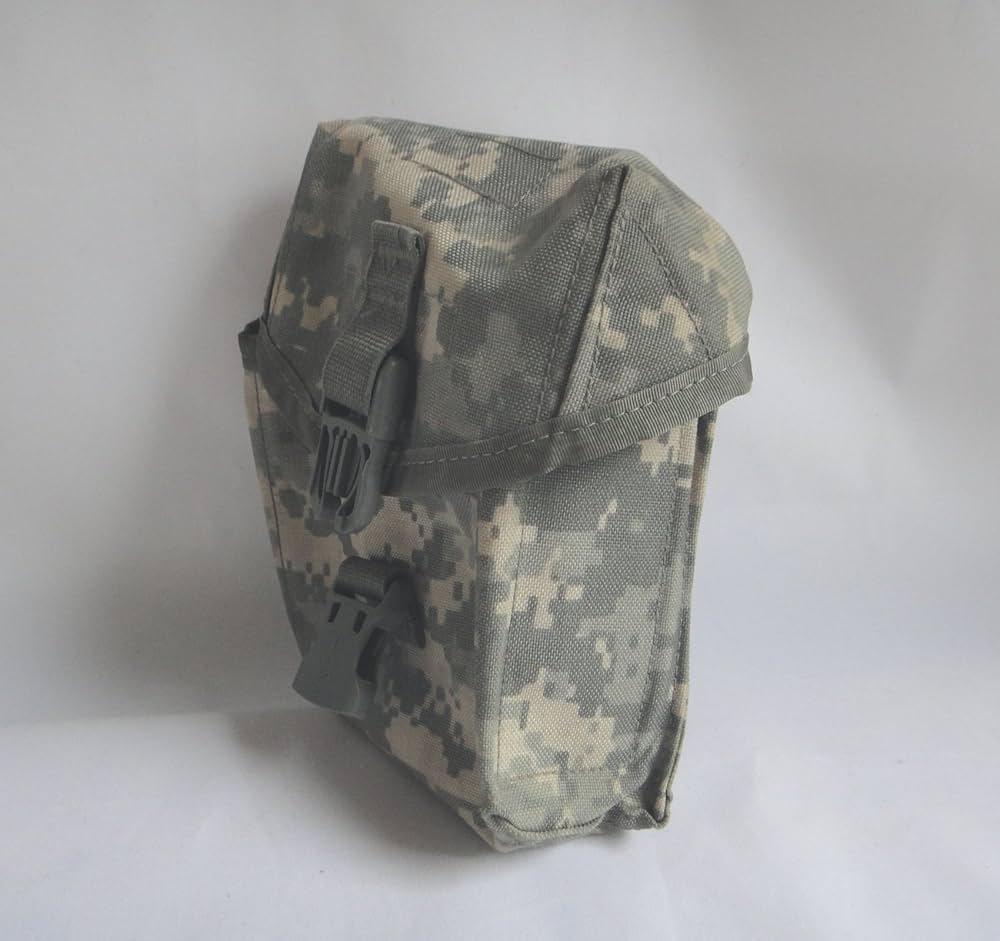
 This low-profile IFAK pouch fits easily on belt loops or backpack straps for everyday carry.
Credit: www.amazon.com
This low-profile IFAK pouch fits easily on belt loops or backpack straps for everyday carry.
Credit: www.amazon.com
Critical Components of a Quality IFAK
While all IFAKs include core trauma supplies, the quality and completeness of these components make a massive difference in emergency outcomes. Understanding what to look for in each item will help you build a kit that performs when you need it most.
Trauma Priority Supplies
These are the unique, life-saving items that set IFAKs apart from regular first aid kits, designed to address the top causes of preventable trauma death:
- Tourniquet: The most effective tool for stopping severe limb bleeding. Look for a windlass-style tourniquet (like the CAT or SOF-T models) tested to Military Specification (MIL-SPEC) standards for reliability. A common mistake is placing a tourniquet too close to a joint; the CDC recommends placing it 2-3 inches above the wound, never over a joint, to ensure effective blood flow restriction.
- Hemostatic gauze: Infused with clotting agents that speed up blood coagulation, this gauze is used to pack deep wounds where a tourniquet can’t be applied (e.g., groin, armpit, or neck injuries). It is far more effective at controlling severe bleeding than standard gauze.
- Occlusive chest seal: A vented, adhesive seal used to treat sucking chest wounds, which occur when air enters the chest cavity and collapses a lung. The seal prevents further air entry while allowing trapped air to escape.
- Trauma shears: Heavy-duty, blunt-tip scissors designed to cut through thick clothing, seatbelts, and gear without causing additional injury to the patient.
Basic Care and Support Supplies
These items address non-life-threatening injuries and support recovery:
- Nitrile medical gloves: Disposable, powder-free gloves protect both the injured person and caregiver from bloodborne pathogens. Avoid latex gloves, as many people have latex allergies.
- Sterile gauze pads and adhesive bandages: Used to cover small cuts, scrapes, and blisters to prevent infection.
- Antiseptic wipes and antibiotic ointment: Clean wounds and reduce bacteria growth to lower infection risk.
- Elastic bandages and cold packs: Support sprains, strains, and bruises, and reduce swelling.
- Emergency blanket: A lightweight, reflective blanket that retains body heat to prevent hypothermia in shock victims or cold-weather scenarios.
Customization Add-Ons for Specific Needs
Tailor your IFAK to your regular activities and personal requirements:
- For outdoor use: Add a snake bite kit, blister treatment supplies, and insect sting relief.
- For home use: Add a digital thermometer, burn gel, and child-sized bandages if you have young kids.
- For pet owners: Include a small supply of your pet’s medications and a flea/tick treatment in a separate waterproof pouch.
- For allergy sufferers: Add an epinephrine auto-injector (EpiPen) and antihistamines.
Why an IFAK Is a Non-Negotiable Preparedness Tool
A common misconception is that IFAKs are only for military or law enforcement personnel, but in practice, everyday civilians face frequent risk of accidental injury in daily life. From kitchen cut accidents to hiking falls to minor car crashes, most emergency scenarios happen far from professional medical care, making immediate first aid a critical stopgap.
Reduce Mortality Risk From Severe Injuries
The CDC estimates that 20% of trauma deaths could be prevented with basic first aid training and access to the right supplies. IFAKs are specifically designed to address the "golden hour"—the 60-minute window after a severe injury where prompt treatment has the highest chance of preventing death. Having a tourniquet and hemostatic gauze on hand can stop fatal bleeding in minutes, long before EMS arrives.
Fast Access When Every Second Counts
IFAKs are organized to eliminate search time during high-stress emergencies. Supplies are arranged by priority, with critical trauma items placed at the top of the pouch for one-handed access, even if your other hand is injured or occupied. In contrast, rummaging through a cluttered bag or drawer for supplies can waste precious minutes that determine the outcome of an injury.
Versatility for Any Scenario
Unlike bulky, single-use first aid kits, IFAKs are small enough to carry on a belt, in a backpack, or in a vehicle glove box, making them accessible in almost any situation. For families building a full home disaster supply kit, pair your IFAK with portion-controlled food storage to ensure you have non-perishable, easy-to-prepare meals on hand if utilities are disrupted for extended periods. For longer-term bulk supply storage, large airtight containers keep rice, beans, pasta, and other dry staples fresh for up to 6 months, reducing food waste and ensuring you have enough calories to sustain your household during outages.
How to Choose the Right IFAK Pouch for Your Needs
The pouch itself is just as important as the supplies inside, as a poorly designed pouch can delay access to critical items or fail to protect supplies from damage. Focus on these key criteria when shopping:
Size and Carry Compatibility
A common mistake is buying a pouch that’s too large to carry consistently. A 6×8 inch pouch fits most belt loops and backpack straps for everyday carry, while a 10×12 inch pouch is ideal for vehicle glove boxes or home emergency kits. If you plan to customize your kit with extra supplies, opt for a pouch with internal MOLLE (Modular Lightweight Load-carrying Equipment) webbing to attach extra pouches without adding bulk.
Durability and Weather Resistance
Look for a pouch made from 1000D Cordura nylon, which resists tears, abrasion, and water far better than standard polyester. YKK zippers are the industry standard for reliability, as they rarely jam even when covered in dirt or mud. For wet environments like kayaking or hunting, choose a pouch with a water-resistant zipper or a dry bag insert to keep sterile supplies dry. Avoid pouches with plastic zippers, as they break easily in extreme temperatures.
Organization and Accessibility Features
Prioritize pouches with one-handed opening tabs or Velcro flaps that let you access supplies without fumbling with buckles or snaps. Internal organization is also critical: look for labeled compartments or color-coded sections that let you locate supplies by feel, even if you’re panicking or have limited visibility. For low-profile everyday carry, opt for a matte black or olive green pouch; for home or vehicle kits, high-visibility colors like orange or yellow make the kit easy to find in an emergency.
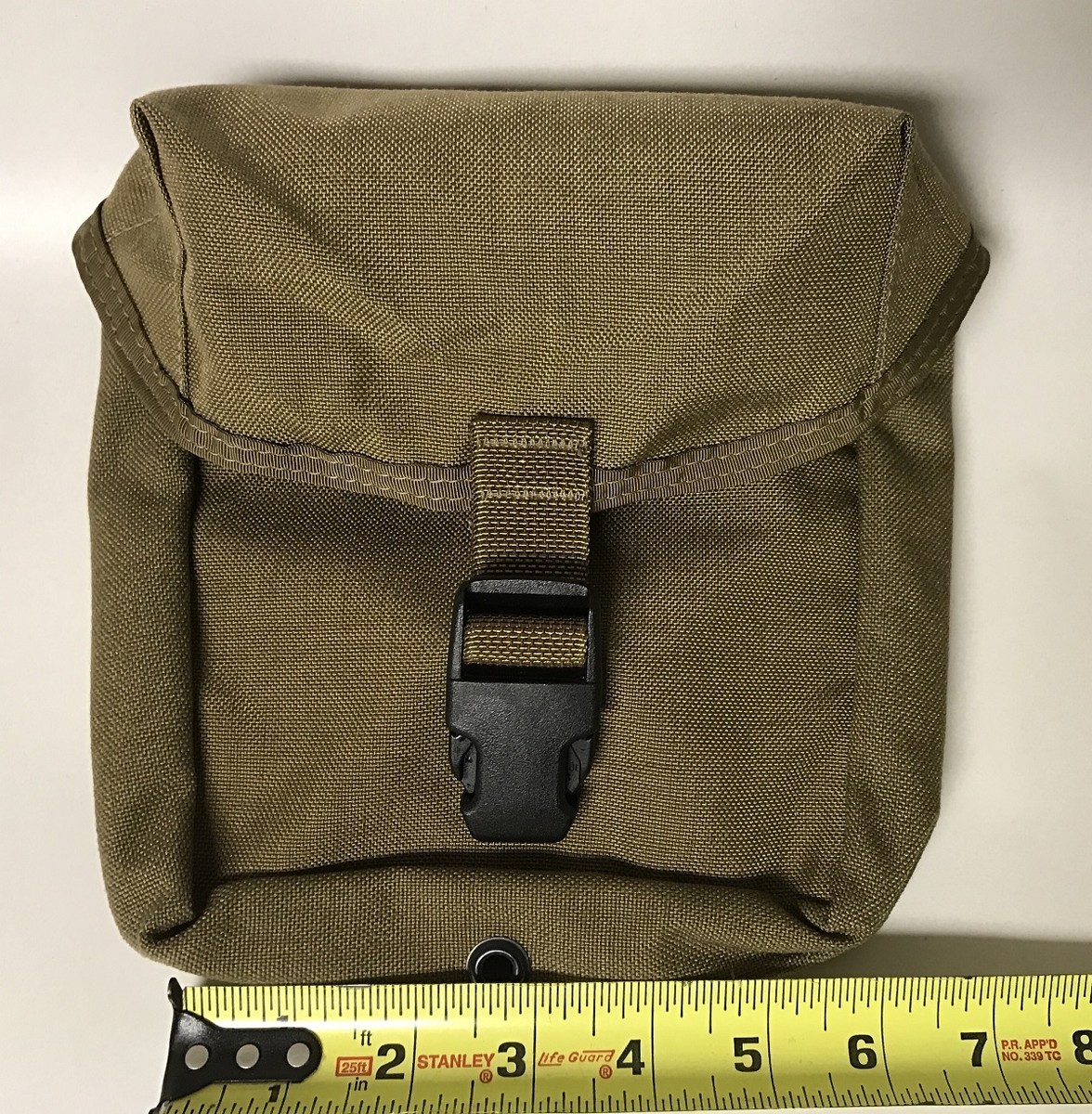 Organized internal compartments let you locate critical supplies like tourniquets and gauze in seconds during an emergency.
Credit: www.ebay.com
Organized internal compartments let you locate critical supplies like tourniquets and gauze in seconds during an emergency.
Credit: www.ebay.com
Step-by-Step Guide to Using Your IFAK Effectively
No first aid kit is useful if you don’t know how to use its supplies. Follow this structured framework to respond to emergencies safely and effectively:
The MARCH Triage Framework for Emergencies
The MARCH assessment is a standardized approach used by first responders and tactical medics to prioritize care for life-threatening injuries, in this order:
- Massive hemorrhage: First, check for severe bleeding. If present, apply a tourniquet or pack the wound with hemostatic gauze immediately.
- Airway: Check if the person is breathing easily. If they have an object blocking their airway, clear it carefully.
- Respiration: Look for signs of a sucking chest wound (a visible hole in the chest, or air bubbling from the wound). Apply an occlusive chest seal if present.
- Circulation: Check for a pulse and signs of shock (pale skin, rapid breathing, confusion). If shock is present, lay the person down and elevate their feet, then cover them with an emergency blanket.
- Hypothermia/Head injury: Keep the person warm, and monitor for signs of concussion or head trauma.
Treating Common Injuries with IFAK Supplies
- Severe bleeding: Apply a windlass tourniquet 2-3 inches above the wound, tighten until bleeding stops, and note the time of application. If a tourniquet can’t be placed, pack the wound with hemostatic gauze and apply firm pressure for 3-5 minutes.
- Burns: Cool the burn with clean water for 10 minutes, then apply burn gel and cover with a sterile non-stick dressing. Do not apply ice or butter to burns.
- Sprains: Wrap the injured area with an elastic bandage to provide support, and apply a cold pack if included in your kit to reduce swelling.
- Fractures: Avoid moving the injured area; use a splint or padded board to immobilize the limb if you need to move the person for safety.
- Shock: Lay the person flat, elevate their feet 6-12 inches, cover them with an emergency blanket, and monitor their breathing and pulse until EMS arrives.
Essential Training to Maximize Your Kit’s Usefulness
The American Red Cross recommends taking a basic first aid and CPR course every 2 years to stay up to date on best practices, ensuring you can use your IFAK supplies correctly when it matters most. Many community centers and fire departments offer free or low-cost courses that take just a few hours to complete. For more advanced trauma care training, look for courses offered by tactical medical organizations or wilderness medicine schools.
Maintaining Your IFAK for Long-Term Reliability
A poorly maintained IFAK is useless in an emergency. Follow this routine to ensure your supplies are always ready to use:
Quarterly Inventory and Inspection Routine
Set a recurring reminder every 3 months to conduct a full check of your kit:
- Verify that all critical supplies (tourniquet, gauze, chest seal) are present and undamaged.
- Check that zippers, seams, and Velcro on the pouch are intact.
- Restock any used or missing items immediately, rather than waiting for your next scheduled check.
- For pet owners, store your pet’s food and medications in an airtight pet food container to keep them fresh and protected from pests during power outages.
Replacing Expired Supplies
Most sterile supplies (gauze, chest seals, medications) have a shelf life of 1 to 3 years, so replace expired items as soon as you notice the date. Even if a bandage or ointment looks fine, expired sterile supplies may be contaminated or ineffective. Tourniquets and non-sterile items like trauma shears have an indefinite shelf life if stored properly, but inspect them for fraying or damage during each inventory check.
Proper Storage to Extend Shelf Life
Store your IFAK in a cool, dry, accessible location away from direct sunlight and extreme temperatures. Extreme heat (over 100°F) can reduce the efficacy of hemostatic agents and medications, while freezing temperatures can damage sterile packaging. Avoid storing your kit in a hot vehicle trunk or a damp basement. For small refills and medication bottles, use a small airtight container to keep them dry and organized in your emergency supply closet.
 Critical trauma supplies like tourniquets and hemostatic gauze are prioritized at the top of the kit for fast access under stress.
Credit: www.amazon.com
Critical trauma supplies like tourniquets and hemostatic gauze are prioritized at the top of the kit for fast access under stress.
Credit: www.amazon.com
Top Trusted IFAK Pouch Brands for Every Use Case
While there are dozens of IFAK brands on the market, these options are trusted by tactical professionals, outdoor enthusiasts, and everyday users for their durability, organization, and reliability:
Best for Tactical and Outdoor Use
- Tactical Medical Solutions (TMS): The go-to brand for military and first responder use, TMS pouches are designed for rapid access even when wearing body armor, with one-handed opening tabs and labeled compartments for critical supplies. Their rugged construction holds up to harsh outdoor conditions, making them ideal for backcountry hiking and hunting.
- Condor: A popular choice for tactical and outdoor use, Condor IFAKs feature 1000D Cordura construction, MOLLE compatibility, and internal organization for trauma supplies. Their minimalist belt pouches are low-profile for everyday carry, while larger models fit vehicle or home kits.
Best for Everyday Carry and Home Use
- Rapid Aid: A consumer-focused brand with affordable, well-organized pouches ideal for non-medical users. Their kits come pre-stocked with basic first aid supplies and feature clear labeling for fast access, making them perfect for vehicle glove boxes, home pantries, and office supply closets.
- Adventure Medical Kits: Specialized for outdoor use, their IFAKs include additional supplies for hiking, camping, and wilderness emergencies, like blister treatment, snake bite kits, and water purification tablets.
What to Look for Beyond Brand Name
Regardless of brand, prioritize pouches with a lifetime warranty, as many tactical manufacturers offer free replacements for damaged zippers or seams, which extends the life of your kit significantly. Avoid no-name pouches with plastic zippers or thin fabric, as they are likely to fail when you need them most.
Frequently Asked Questions
What is the difference between an IFAK and a regular first aid kit?
Regular first aid kits are designed for minor, non-life-threatening injuries like small cuts, scrapes, and headaches, and typically include band-aids, antibiotic ointment, and pain relievers. IFAKs, by contrast, are built to treat severe, life-threatening injuries like uncontrolled bleeding, sucking chest wounds, and shock, with prioritized trauma supplies like tourniquets, hemostatic gauze, and chest seals that are rarely included in standard consumer first aid kits.
How often should I replace the supplies in my IFAK?
Most sterile supplies (gauze, chest seals, medications) have a shelf life of 1 to 3 years, so you should conduct a full inventory check and replace expired items at least every 6 months. Replace any used supplies immediately after an incident, even if it falls outside your scheduled check. Tourniquets and non-sterile items like trauma shears have an indefinite shelf life if stored properly, but inspect them for fraying or damage during each inventory check.
Can I fly with an IFAK pouch?
Yes, IFAKs are allowed in both carry-on and checked luggage per TSA regulations, as long as all sharp items (trauma shears, needles) are properly sheathed and medications are in their original labeled packaging. It is recommended to declare your IFAK to TSA agents at the security checkpoint to avoid delays.
What size IFAK pouch is best for everyday carry?
For belt or pocket carry, opt for a pouch between 6×8 and 8×10 inches, which is small enough to avoid bulk but large enough to hold critical trauma supplies like a tourniquet, hemostatic gauze, and gloves. For vehicle or home kits, a 10×12 inch pouch offers enough space for additional supplies like burn gel, an emergency blanket, and personal medications.
Do I need first aid training to use an IFAK?
While you can use basic supplies like bandages and antiseptic wipes without training, trauma supplies like tourniquets and chest seals require proper technique to be effective and avoid causing additional harm. A 2-hour basic first aid and CPR course from the American Red Cross or a tactical medical training program will teach you the correct application steps for all IFAK supplies, making your kit far more useful in an emergency.
Conclusion
The Ifak Pouch Individual First Aid Kit is more than a collection of medical supplies—it’s a critical layer of protection for you and the people around you in emergency scenarios. Unlike generic first aid kits that fall short when faced with severe injuries, IFAKs prioritize life-saving trauma care, organized for fast access even under high stress. Whether you carry a compact pouch on your belt for daily commutes, keep a larger kit in your vehicle, or stock a full kit in your home disaster supply, the small investment in an IFAK pays off exponentially in the event of an emergency. Don’t wait for an injury to strike to get prepared: pick an IFAK that fits your needs, stock it with the right supplies, learn basic first aid skills, and check it regularly to ensure it’s always ready when you need it most. For more everyday preparedness guides, explore our full blog library for tips on building out your home emergency stockpile and staying safe in everyday scenarios.

I’m Abby Lu, a passionate home cook who loves simplifying everyday meals. At PlugChef.com, I share product reviews and cooking guides to help you find the best tools for your kitchen.
Related posts:
 Upper Cabinet Pull Out Spice Rack: Transform Your Kitchen
 Pantry Organization Ideas Dollar Tree: Budget-Friendly Hacks
 Organizing Can Goods in Pantry: Smart Storage Hacks
 Kitchen Sink Floor Mat Anti Fatigue: Comfort & Style
 Dish Wash Rack Stainless Steel: Effortless Kitchen Organization
 How to Decorate a Basket for Living Room: Chic Ideas

