
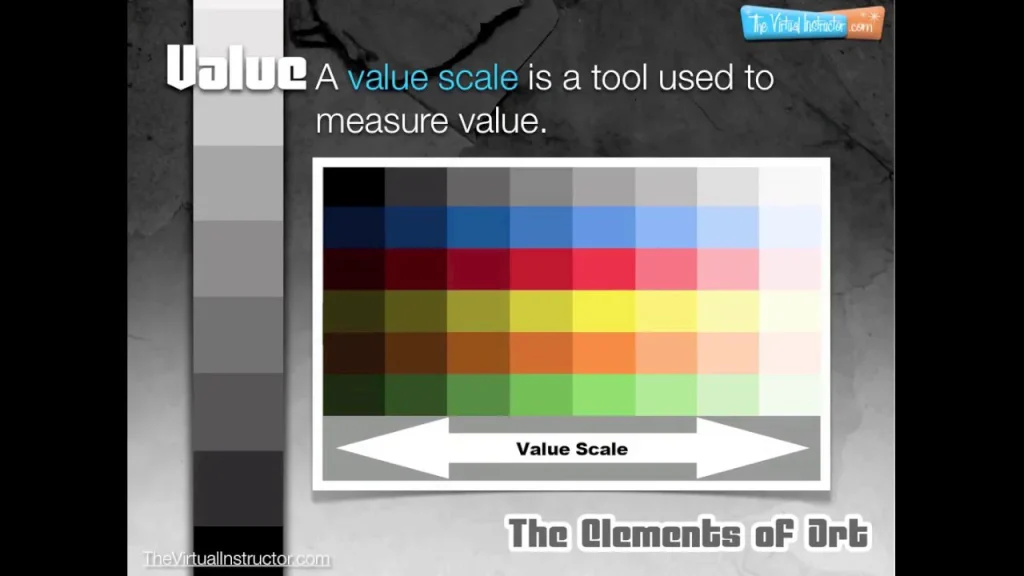
Imagine having a tool that helps you grasp the true essence of value, whether it’s in art, business, or personal endeavors. A value scale is exactly that—a powerful tool to measure value in its purest form.
Have you ever wondered how artists master their craft to bring life to their creations? Or how businesses identify what truly matters to their customers? Understanding value is key, and you hold the power to unlock its mysteries. We’ll explore how a value scale can transform your perception of value, making it easier for you to make informed decisions in various aspects of your life.
Whether you’re an aspiring artist, a business leader, or someone curious about the world, you’ll discover how mastering value can lead to success and satisfaction. Prepare to delve into the fascinating world of value scales and see how they can sharpen your understanding like never before.
What Is A Value Scale?
A value scale is a tool used to measure value in art. It helps artists understand how light or dark a color is. The scale ranges from white to black. It includes various shades of gray in between. Artists use this tool to improve their work. It guides them in creating depth and contrast.
Understanding The Basics Of A Value Scale
The value scale is simple. It consists of several blocks. Each block represents a different shade. These shades progress from light to dark. By using this tool, artists can achieve balance. It allows them to mix colors accurately. This ensures their artwork looks realistic and appealing.
Importance Of A Value Scale In Art
A value scale is crucial for artists. It helps them see the range of tones. With this tool, artists can create mood and atmosphere. It enhances the overall impact of their work. The scale also assists in identifying areas of light and shadow. This is vital for creating depth in a drawing or painting.
How To Use A Value Scale Effectively
Using a value scale is straightforward. First, observe your subject. Determine the lightest and darkest areas. Match these areas to the scale. Use the shades in between to fill the rest. Repeat this process as needed. This method ensures your artwork has a full range of values.
Components Of A Value Scale
A value scale is essential for measuring value in art and design. It includes shades from light to dark. Artists use it to create depth and contrast in their work.
In the world of art and design, a value scale is an essential tool that measures the lightness or darkness of colors. It helps artists and designers understand and use different shades effectively. Understanding the components of a value scale can enhance your ability to create balanced and compelling works. This section focuses on two main components: visual elements and numerical indicators.Visual Elements
Visual elements of a value scale involve the different shades between black and white. Imagine you are painting a portrait. You need to capture the subtle differences in light and shadow on a face. A value scale provides a range of grays that help you accurately depict these nuances. Artists often create a series of swatches ranging from the lightest gray to the darkest. These swatches act as a guide to match the shades you see in real life. You can make quick decisions on which shade to use in your artwork.Numerical Indicators
Numerical indicators in a value scale assign numbers to different shades. This makes it easier to communicate about value levels. For example, a scale from 1 to 10 can be used, where 1 is pure white, and 10 is pure black. Imagine you are discussing a painting with a fellow artist. Referring to a specific number on the value scale can clarify which shade you mean. You avoid vague descriptions and enhance your understanding. Consider using a value scale next time you work on a project. It can be a powerful tool in your creative process. You might find it easier to capture the mood and depth you wish to express. Have you ever struggled to get the shadows right in your artwork? Try using a value scale and see how it can change your approach. You might be surprised at the difference a simple tool can make.Types Of Value Scales
Artists use value scales to measure the lightness or darkness of colors. They help in creating depth, contrast, and dimension in artworks. Understanding different types of value scales is essential for both beginners and professionals. Two main types are commonly used. These are the grayscale value scale and the color value scale.
Grayscale Value Scale
The grayscale value scale ranges from white to black. It includes different shades of gray. It usually consists of 10 steps. Each step represents a distinct level of brightness. This scale helps artists create monochromatic artworks. It also aids in understanding light and shadow. Grayscale is crucial for drawing and sketching. It enhances the realistic portrayal of subjects. Using this scale ensures accurate tonal representation.
Color Value Scale
A color value scale measures the lightness or darkness of colors. It includes hues like red, blue, and yellow. Each hue can have different values. A red can be light or dark. This scale is vital for painting. It helps artists create vibrant and dynamic pieces. Using a color value scale ensures harmony in artworks. It balances different shades and tones effectively. This technique adds depth and interest to art pieces.

Credit: www.britannica.com
Importance In Art And Design
A value scale helps artists and designers measure light and dark in their work. It guides them in creating depth and contrast. Essential for balancing shades and tones, it enhances visual impact.
Importance in Art and Design In the vibrant world of art and design, understanding the concept of value is crucial. Value refers to the lightness or darkness of a color. It plays a pivotal role in creating compelling artwork. A value scale, a tool used to measure value, helps artists and designers achieve balance and harmony in their work. Without mastering value, your artwork might fall flat and lack impact.Creating Depth And Dimension
Using a value scale can significantly enhance the depth and dimension of your art. By varying the lightness and darkness of colors, you create the illusion of three-dimensional space on a two-dimensional surface. Imagine a portrait where the face looks lifelike because of the subtle shadowing and highlights. Consider how artists like Rembrandt used value to make their subjects appear as if they were stepping out of the canvas. This effect draws viewers in, inviting them to explore the intricacies of the piece. Have you ever stood in front of a painting, feeling as if you could almost touch the objects depicted? That’s the power of well-used value in art.Enhancing Contrast
Contrast is another area where a value scale shines. A high contrast between light and dark values can make elements of your design pop, grabbing the viewer’s attention instantly. Think about the stark black-and-white photographs that leave a lasting impression with their dramatic contrasts. In graphic design, contrast can guide the viewer’s eye to the most important parts of your work. Whether you’re designing a poster or a digital ad, understanding how to balance contrast using a value scale can make your design more effective. Do you want your message to stand out and be remembered? Mastering contrast is key. A personal anecdote: I once worked on a project where the design felt dull and uninspired. By simply adjusting the value contrast, the piece transformed, gaining new energy and appeal. This experience taught me that sometimes, the smallest tweaks with value can lead to the most significant improvements. So, how will you use a value scale to elevate your art and design projects? Understanding and applying these concepts can truly make a difference in how your work is perceived.Using Value Scales In Practice
Using value scales in practice enhances artistic skills remarkably. Artists often rely on value scales to determine the lightness or darkness of a color. This tool helps in creating depth and contrast in artwork. The value scale is essential for both sketching and painting. It guides artists to achieve desired effects effortlessly.
Sketching And Drawing
Value scales are crucial in sketching and drawing. Artists use them to balance light and shadow. This balance brings realism to sketches. Begin by identifying the darkest and lightest areas. Use the scale to transition smoothly between these extremes. Pencil pressure can vary to achieve different shades. Practice helps in mastering this skill.
Painting Techniques
Value scales play a significant role in painting. They aid in mixing colors accurately. Artists can create vibrant or muted tones with ease. Using a value scale ensures harmony in paintings. It helps in defining the focal point and background. Painters can achieve depth by manipulating values. Experimenting with different scales enriches creativity.
Tips For Effective Value Scale Application
Using a value scale can enhance your art skills. It helps in gauging the shades and tones in your work. To use it effectively, you need some practical tips. These tips will refine your ability to measure value accurately. Let’s delve into these essential tips.
Consistency In Measurement
Maintain uniformity in using your value scale. Always start with a light shade and move to darker ones. This approach provides clarity in your work. Use the same lighting conditions for every measurement. Different light can alter perception. Consistent lighting ensures accurate value judgment. Establish a routine for checking values. Regular checks keep your measurements precise and reliable.
Adapting To Different Mediums
Each medium interacts differently with a value scale. Adjust your approach based on the medium you use. Watercolors might require lighter initial measurements. Oils might need deeper contrast. Understand how your chosen medium reflects light. This knowledge aids in accurate value assessment. Experiment with each medium to see its unique value range. Practice and adaptation will improve your skills significantly.
Common Mistakes To Avoid
Understanding how to use a value scale is crucial. Many make the mistake of ignoring its importance in art. Others might misjudge contrasts, leading to unbalanced compositions. Recognizing these errors can enhance the overall quality of artwork.
When using a value scale to measure value, understanding common pitfalls can drastically improve your results. Many artists, both novices and experienced, sometimes make errors that can be easily avoided. These mistakes can lead to inaccurate depictions and a lack of depth in their work. Let’s dive into some of these common mistakes and how you can sidestep them effectively.Ignoring Light Source
Understanding where your light source is coming from is crucial. It affects every shade and tint in your artwork. Many people neglect this aspect, resulting in flat and unrealistic renderings. Imagine you’re painting a still life. If the light is coming from the left, the right side should naturally be darker. Overlooking this can make your painting seem off, no matter how accurate your value scale is. Ask yourself: where is the light in my scene? This question can guide every stroke of your brush or pencil. Always keep your light source in mind as you measure and apply values.Overcomplicating Value Transitions
Smooth transitions between values can breathe life into your work. However, many artists overcomplicate this process, leading to muddled compositions. It’s tempting to blend too much, creating a uniformity that lacks contrast. Instead, aim for clear, distinct shifts between your values where necessary. Consider a sunset sky. The transition from light to dark should be gradual yet distinct, with clear delineations. Practice making these transitions simple and effective. Are you overthinking the blending? Sometimes simplicity is key. Focus on clear, purposeful transitions to enhance depth and realism. Remember, avoiding these mistakes can significantly enhance your use of a value scale. Keep these tips in mind and watch as your artwork transforms into something truly captivating.
Credit: www.amazon.eg
Developing Skills With Value Scales
Mastering the value scale is key to enhancing your artistic skills. It offers a structured way to understand how light and shadow transform your drawings. As you practice, you’ll notice your ability to portray depth and realism improves dramatically.
Consider your initial attempts at using value scales as stepping stones. Each shade you create is part of a journey towards more nuanced artwork. This tool enables you to capture the essence of your subject with precision.
Let’s dive into some practical exercises that can help you develop your skills.
Exercises For Mastery
Start with creating a simple gradient using pencil on paper. Focus on transitioning smoothly from light to dark.
Next, try shading basic shapes like spheres and cubes. This will help you understand how light interacts with different surfaces.
Challenge yourself by reproducing a black-and-white photo using only value scales. Pay attention to the subtle shifts in tone.
These exercises are not just about practice; they’re about building a keen eye for detail. How does each shade affect the overall composition?
Incorporating Feedback
Seek feedback from peers or mentors. Honest opinions can guide you in refining your technique.
Reflect on the critiques you receive. Which areas need improvement? What strengths can you build upon?
Consider forming a study group. Sharing perspectives can open new avenues for growth. How might others see what you might overlook?
Remember, feedback is a tool for growth, not criticism. Use it to elevate your skills and expand your artistic vision.
Developing your skills with value scales is a rewarding journey. How will you take your art to the next level today?

Credit: www.amazon.sa
Frequently Asked Questions
What Is The Purpose Of A Value Scale?
A value scale is used to understand and represent different shades, from light to dark. It helps artists create depth, contrast, and dimension in their work. By mastering value scales, artists can enhance realism and detail in their creations.
What Does The Term Value Scale Refer To In Drawing?
A value scale in drawing refers to a range of shades from light to dark. Artists use it to create depth and contrast in their work. It helps in understanding light, shadow, and tonal variation. By mastering it, artists enhance their ability to depict realistic images.
Who Made The Value Scale?
The value scale was created by artist and teacher Denman Ross. He developed it in the early 20th century to help artists understand and utilize tonal values in their work effectively.
What Is A 5 Step Value Scale?
A 5 step value scale is a tool used in art to assess and create shading. It consists of five distinct shades, ranging from light to dark, helping artists understand tonal differences. This scale aids in achieving realistic depth and dimension in drawings and paintings.
Conclusion
A value scale helps measure things clearly. It simplifies complex ideas. Understanding value can guide choices. This tool breaks down worth into easy parts. It helps in decision-making. Whether in art or business, knowing value matters. It aids in setting goals and priorities.
Value scales make comparisons simple. They bring clarity to vague concepts. Use them to make informed decisions. They offer insight into different scenarios. This tool is practical and beneficial. It supports logical thinking. Embrace its simplicity for better understanding. Value scales are essential in many fields.
They help you see things differently.

I’m Abby Lu, a passionate home cook who loves simplifying everyday meals. At PlugChef.com, I share product reviews and cooking guides to help you find the best tools for your kitchen.
Related posts:
 What Type of Cooking Utensils are Safe: Expert Picks
 What Innovations Could Blenders Make: Unleashing Future Tech
 Smart Strategies to Organize a Small Kitchen: Maximize Space
 How to Organize a Kitchen Cabinet: Expert Tips & Tricks
 How to Organize Kitchen Drawers: Expert Tips and Tricks
 How to Organize a Corner Kitchen Cupboard: Expert Tips

