
Imagine opening your kitchen cabinets and seeing a clutter-free space, knowing that every item serves a purpose and contributes to a sustainable lifestyle. Sounds wonderful, right?
You might be surprised to learn that reducing waste in the kitchen doesn’t just help the environment; it can also save you money and make your daily life more efficient. If you’re tired of throwing away food and dealing with a mountain of waste, you’re in the right place.
This article will show you simple steps to transform your kitchen into a zero-waste haven. Get ready to discover practical tips that will have a lasting impact on both your home and the planet. Dive in, and let’s make waste reduction a natural part of your routine!
Assess Current Waste Levels
Understanding your kitchen waste is the first step to reduction. Start by evaluating what you throw away each day. This helps identify patterns and areas for improvement. Knowing your waste levels guides better decisions. It also helps create effective waste-reducing strategies.
Track Your Waste
Begin by keeping a waste diary. Note down everything you dispose of for a week. This can include food scraps, packaging, and leftovers. Reviewing this diary will reveal surprising waste amounts. Awareness is a powerful motivator for change.
Identify Major Waste Contributors
After tracking, identify the biggest waste sources. Are you discarding too many vegetables? Is plastic packaging a major issue? Knowing these contributors helps target your efforts effectively. Focus on areas with the most waste impact first.
Analyze Expired Products
Check how often you throw away expired items. This might indicate over-purchasing or improper storage. Reducing expired waste saves money and resources. Adjusting shopping habits can significantly lower waste levels.
Evaluate Leftover Management
Examine how you handle leftovers. Do they often end up in the trash? Consider creative ways to repurpose or store them. Proper leftover management reduces waste and enhances meal variety.
Understand Packaging Waste
Consider the packaging waste generated in your kitchen. Opt for items with minimal or recyclable packaging. Small changes in purchasing habits can lead to big waste reductions. Aim for a more sustainable kitchen routine.
Credit: www.mayoclinichealthsystem.org
Implement Composting
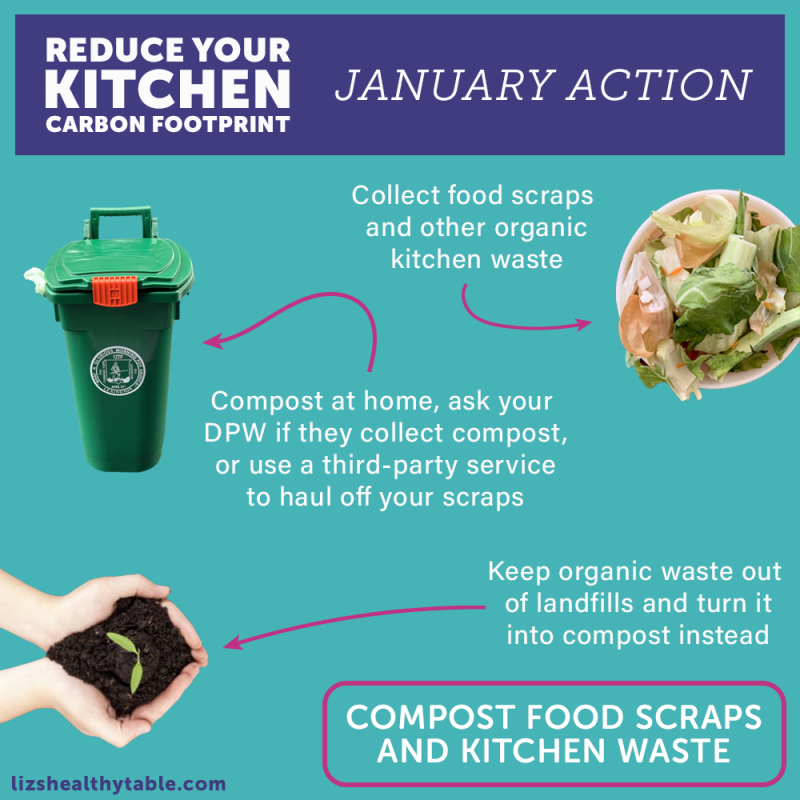
Reducing waste in the kitchen helps the planet and saves money. Composting is a great way to cut down on waste. It turns food scraps into valuable soil. This process is easy and beneficial for both you and the environment.
Benefits Of Composting
Composting reduces the amount of waste sent to landfills. This helps decrease greenhouse gas emissions. It also enriches the soil with nutrients, enhancing plant growth. Composting saves money on fertilizers and improves water retention in gardens.
How To Start Composting
Choose a compost bin that suits your space. You can use a small kitchen bin or a larger outdoor one. Add food scraps like fruit peels and vegetable ends. Avoid meat, bones, and dairy products. Mix in yard waste such as leaves and grass clippings. Keep the compost moist and turn it regularly to speed up decomposition.
Place the compost bin in a convenient spot. A sunny location helps maintain warmth. This accelerates the composting process. Monitor the compost for signs of imbalance. If it smells bad, add more dry materials like paper or wood chips. If it’s too dry, sprinkle some water.
Starting composting can seem daunting. Once you begin, it becomes second nature. Soon, you’ll see how much waste you save. Composting is a simple step towards a greener kitchen.
Choose Reusable Items
Opt for reusable items in your kitchen to cut down on waste. Swap plastic bags for cloth ones. Use glass containers instead of disposable ones. These small changes help the environment and reduce clutter.
Reducing waste in the kitchen is essential. Choose reusable items to make a significant impact. This simple change can help decrease landfill waste. It’s also more cost-effective over time. Switching to reusable items promotes a cleaner environment. Let’s explore how this can be done effectively.Alternatives To Single-use Plastics
Single-use plastics are everywhere. Start with shopping bags. Swap plastic bags for cloth ones. They are sturdy and washable. Consider glass jars for storage. They replace plastic containers effectively. Use stainless steel straws instead of plastic. These straws last longer. Silicone baking mats are another great option. They replace parchment paper. Invest in beeswax wraps instead of plastic wrap. They are reusable and eco-friendly. These alternatives reduce plastic waste significantly.Investing In Durable Kitchenware
Durable kitchenware lasts longer. It reduces the need for replacements. Buy quality pots and pans. Opt for stainless steel or cast iron. They withstand wear and tear. Choose wooden cutting boards. They are more durable than plastic ones. Ceramic dishes are a good choice. They are sturdy and easy to clean. Invest in metal utensils. They are more resilient than plastic. Durable kitchenware supports a sustainable lifestyle. It minimizes waste in the long run.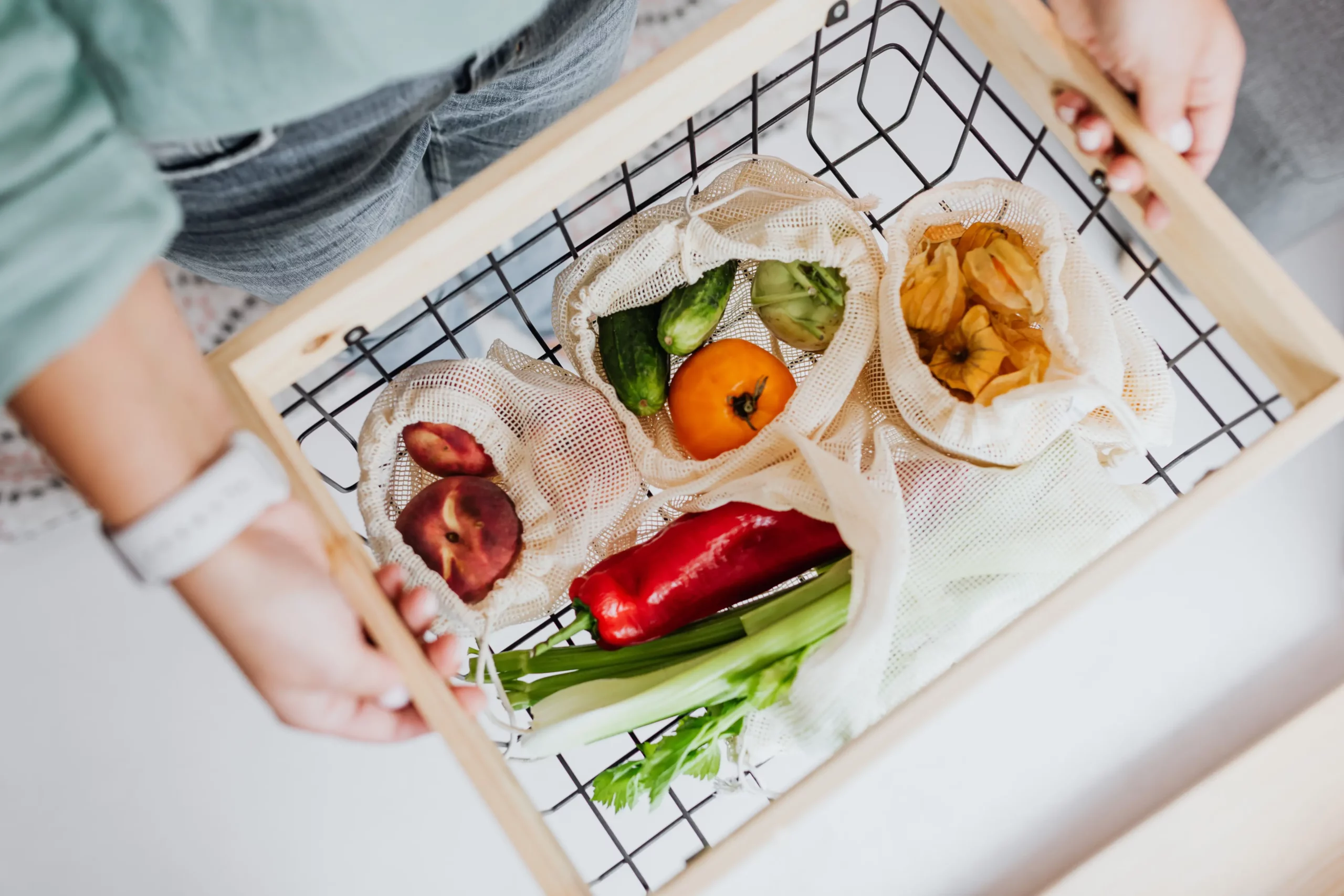
Credit: www.nutritics.com
Optimize Food Storage
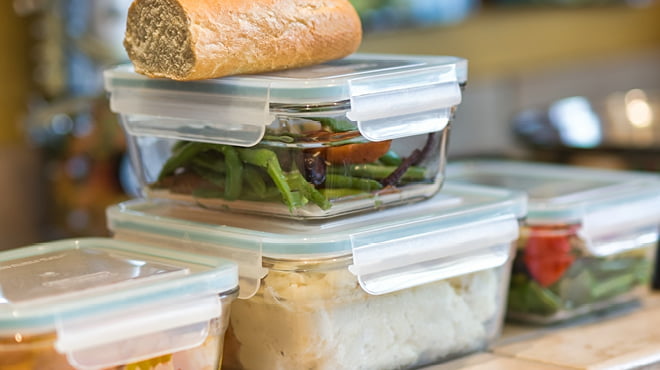
Store food properly to keep it fresh longer, reducing kitchen waste. Use airtight containers for leftovers and label everything with dates. Choose the fridge’s right sections for different foods, helping them last and stay tasty.
Optimizing food storage is a simple yet effective way to reduce waste in your kitchen. Imagine buying fresh produce only to find it spoiled a few days later. It can be frustrating and costly. By storing food properly, you can extend its shelf life and save money. Let’s dive into some practical ways to make the most of your food storage.Using Airtight Containers
Airtight containers are your best friends in the kitchen. They keep your food fresh by preventing air and moisture from getting in. This means your snacks, cereals, and leftovers stay delicious for longer. I once had a pantry full of mismatched containers with loose lids. It was a disaster waiting to happen. Switching to airtight containers not only saved space but also kept everything fresher. Consider investing in a set that suits your needs. You’ll be surprised at the difference it makes.Labeling And Organizing
Labeling is more than just a neat-freak’s dream. It helps you track what you have and when it needs to be used by. Have you ever lost a jar of sauce in the back of the fridge only to find it months later? Organizing your food storage can prevent this. By grouping similar items and labeling them clearly, you can easily see what needs to be used first. Try using a simple labeling system with dates and names. It’s a small step that can prevent unnecessary waste. By optimizing your food storage with airtight containers and proper labeling, you take control of your kitchen. You’re not just reducing waste; you’re creating a space that works for you. What changes will you make to your storage habits today?Plan Meals Efficiently
Efficient meal planning reduces kitchen waste by organizing ingredients and using leftovers creatively. Planning meals ahead helps use food before it spoils. This simple habit minimizes waste and saves money.
Reducing waste in the kitchen starts with efficient meal planning. Planning meals reduces food waste and saves money. It also helps with healthier eating. By organizing meals, you use groceries wisely and avoid excess. Here’s how to plan meals efficiently and cut kitchen waste.Creating A Weekly Meal Plan
A weekly meal plan helps organize your shopping list. Write down meals for each day. Include breakfast, lunch, and dinner. Consider snacks and desserts too. This helps you see what groceries you need. It prevents buying items that go unused. Use recipes that use similar ingredients. This helps avoid leftover items that spoil.Shopping Smartly
Smart shopping means buying only what you need. Stick to your list when shopping. Avoid impulse buys that add to waste. Check your pantry before heading to the store. This prevents buying duplicates. Choose ingredients that serve multiple meals. This maximizes their use and reduces waste. Fresh produce should be bought in smaller quantities. This ensures they get used before spoiling.Reduce Food Waste
Cut down kitchen waste by planning meals and using leftovers creatively. Store food properly to extend freshness.
Reducing food waste in the kitchen is a practical step you can take towards a more sustainable lifestyle. Not only does it benefit the environment, but it also helps you save money. Imagine opening your fridge and knowing exactly what to cook because nothing ever goes to waste. It’s a rewarding habit to cultivate.Creative Recipes For Leftovers
Transform last night’s dinner into today’s delicious meal. Leftover chicken can become a tasty chicken salad or a filling for wraps. Cooked vegetables can be blended into a hearty soup. Try mixing and matching ingredients you already have. Think of your fridge as a treasure chest of potential meals. Using leftovers creatively reduces food waste and keeps your menu exciting. Share your favorite leftover recipe with friends and inspire them to do the same.Proper Portion Control
Serving the right portion sizes can significantly reduce food waste. Start by using smaller plates to avoid over-serving yourself or your family. This simple change can make a big difference. When cooking, consider how much food you’ll realistically eat. Instead of cooking a large batch, make just enough for a meal or two. This way, you’ll have fewer leftovers that could potentially go to waste. Track how much you’re actually eating versus what you’re preparing. Are you consistently throwing away uneaten food? Adjust your portions accordingly. You might find that less is more when it comes to both your waistline and your waste bin.Conserve Energy
Save energy by reducing kitchen waste. Use leftovers for new meals or compost scraps. Opt for reusable containers instead of single-use plastics. Conserve water by washing dishes efficiently. These steps help minimize waste and cut energy use.
Reducing waste in the kitchen isn’t just about managing leftovers or composting. One of the most impactful ways you can minimize waste is by conserving energy. Energy conservation helps reduce your carbon footprint and lower utility bills. By making small changes in how you cook and the appliances you use, you can make a significant difference.Efficient Cooking Methods
When you’re preparing a meal, consider using methods that require less energy. For instance, steaming vegetables is not only healthy but also energy-efficient compared to boiling. If you’re making a small meal, use a toaster oven or microwave instead of preheating the large oven. Pressure cookers and slow cookers are also great options. They consume less electricity and can save you time. Have you ever tried cooking a stew in a slow cooker overnight? You wake up to a delicious meal with minimal energy use.Energy-saving Appliances
Choosing the right appliances can drastically cut down your energy consumption. Look for Energy Star-rated appliances, which are designed to use less power without sacrificing performance. A newer refrigerator, for example, might consume half the energy of an older model. Also, think about the size of the appliance you really need. A smaller dishwasher or fridge may suit your needs just fine while saving energy. When was the last time you assessed whether your kitchen appliances fit your lifestyle and energy goals? By adopting energy-efficient cooking methods and appliances, you can make your kitchen more sustainable. Small adjustments in your daily routine can lead to significant energy savings. What changes can you start implementing today to create an eco-friendly kitchen?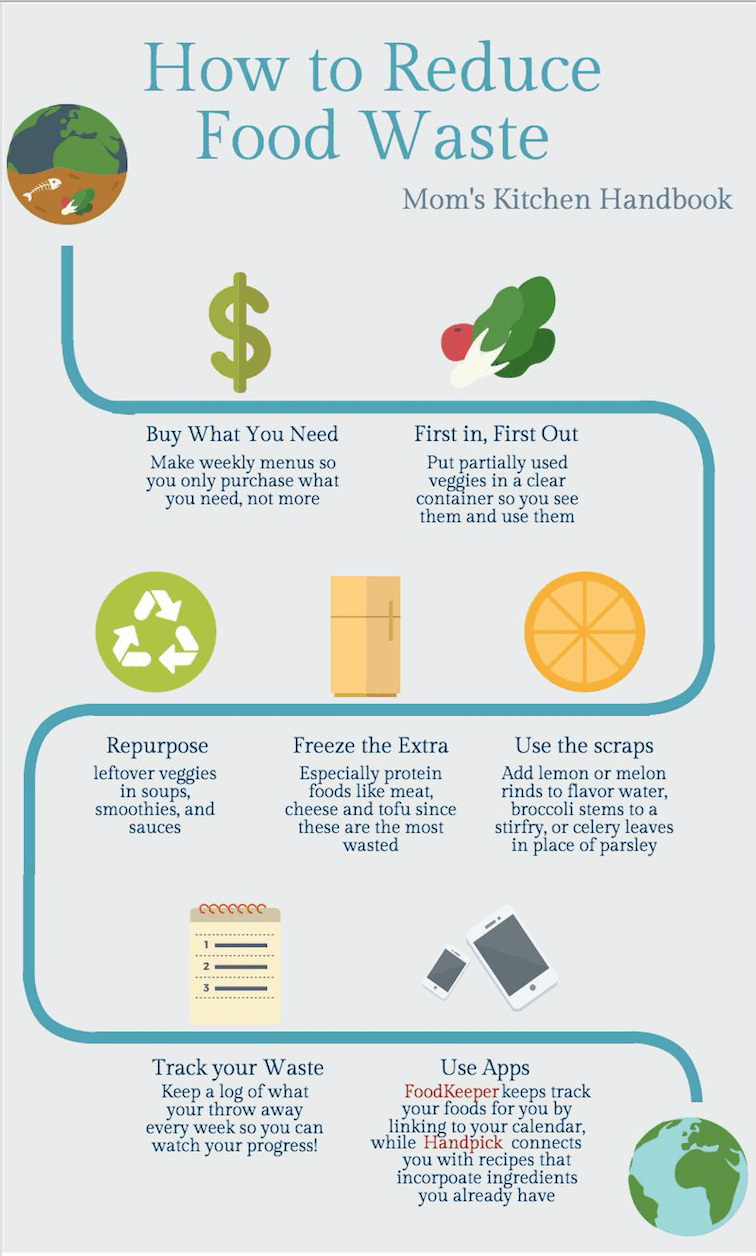
Credit: www.momskitchenhandbook.com
Recycle And Upcycle
Reducing kitchen waste is crucial for a sustainable future. Recycling and upcycling play a vital role in this process. These practices help transform waste into something valuable. They also reduce the strain on landfills. By sorting recyclables and creatively upcycling items, we contribute to a cleaner planet.
Sorting Recyclables
Properly sorting recyclables in the kitchen is essential. Start by separating paper, plastic, and glass. Make sure all items are clean before recycling. Check local guidelines for specific recycling rules. Some areas have specific requirements for certain materials. Always remove food residue from containers. This prevents contamination in the recycling process. Use separate bins for different recyclables. Label them clearly to avoid confusion.
Upcycling Kitchen Items
Upcycling involves transforming old items into new ones. It requires creativity and a bit of effort. Old jars can become storage containers. They are perfect for spices or grains. Turn broken plates into mosaic art projects. Use wine corks as plant markers in your garden. Create tote bags from old fabric scraps. Upcycling reduces waste and adds personal touch to your home. Explore online tutorials for more ideas. Share your creations with friends and family.
Educate Family And Friends
Reducing waste in the kitchen begins with educating family and friends. Sharing knowledge makes a big difference. Encouraging eco-friendly habits fosters a sustainable environment. It’s essential to involve everyone in this journey. Simple actions can lead to significant changes.
Sharing Eco-friendly Practices
Invite friends over for a green cooking session. Show them how to reuse leftovers creatively. Share tips on composting and recycling. Discuss the benefits of using reusable containers. Encourage them to adopt these practices at home. Share online resources on waste reduction. Create a community of eco-conscious individuals. Organize monthly meet-ups to exchange ideas.
Involving Kids In Waste Reduction
Engage children in fun activities. Teach them to sort waste correctly. Use games to explain recycling importance. Encourage them to help with composting. Make waste reduction a family challenge. Reward them for eco-friendly actions. Inspire curiosity about environmental impact. Help them understand the importance of preserving nature.
Frequently Asked Questions
What Are 10 Ways To Reduce Food Waste?
Plan meals to avoid buying excess food. Store food properly to extend its shelf life. Use leftovers creatively. Compost food scraps. Freeze surplus items. Track expiry dates. Buy imperfect produce. Donate to food banks. Make smaller portions. Educate others on reducing waste.
What Is The Best Way To Dispose Of Kitchen Waste?
Compost kitchen waste using a compost bin or heap. Separate recyclables like plastics and glass. Dispose of hazardous waste properly. Reduce waste by planning meals and using leftovers. Use local waste disposal services for non-compostable items.
How To Get Rid Of Kitchen Waste?
Compost kitchen waste to enrich soil. Use a garbage disposal for food scraps. Donate edible leftovers to shelters. Recycle containers and packaging. Dispose of non-recyclable waste responsibly.
What Are 5 Things You Can Do To Reduce Waste?
1. Use reusable bags, bottles, and containers to minimize plastic waste. 2. Compost organic waste to enrich the soil and reduce landfill impact. 3. Choose products with minimal packaging to decrease waste. 4. Donate or recycle unwanted items to extend their lifespan.
5. Buy only what you need to prevent unnecessary waste.
Conclusion
Reducing waste in the kitchen is simple. Start with small changes. Use reusable containers. Compost food scraps. Buy in bulk to save packaging. Plan meals to avoid leftovers. These steps help the planet. They also save money and resources. You can make a big difference with small actions.
Every effort counts. Remember, a cleaner kitchen means a cleaner world. Try these tips today. Watch your waste shrink. Feel good about your choices. It’s easy to start. Begin your journey toward a sustainable kitchen now. Your actions matter. Make a positive impact on the environment.

I’m Abby Lu, a passionate home cook who loves simplifying everyday meals. At PlugChef.com, I share product reviews and cooking guides to help you find the best tools for your kitchen.
Related posts:
 What Type of Cooking Utensils are Safe: Expert Picks
 What Innovations Could Blenders Make: Unleashing Future Tech
 Smart Strategies to Organize a Small Kitchen: Maximize Space
 How to Organize a Kitchen Cabinet: Expert Tips & Tricks
 How to Organize Kitchen Drawers: Expert Tips and Tricks
 How to Organize a Corner Kitchen Cupboard: Expert Tips

