
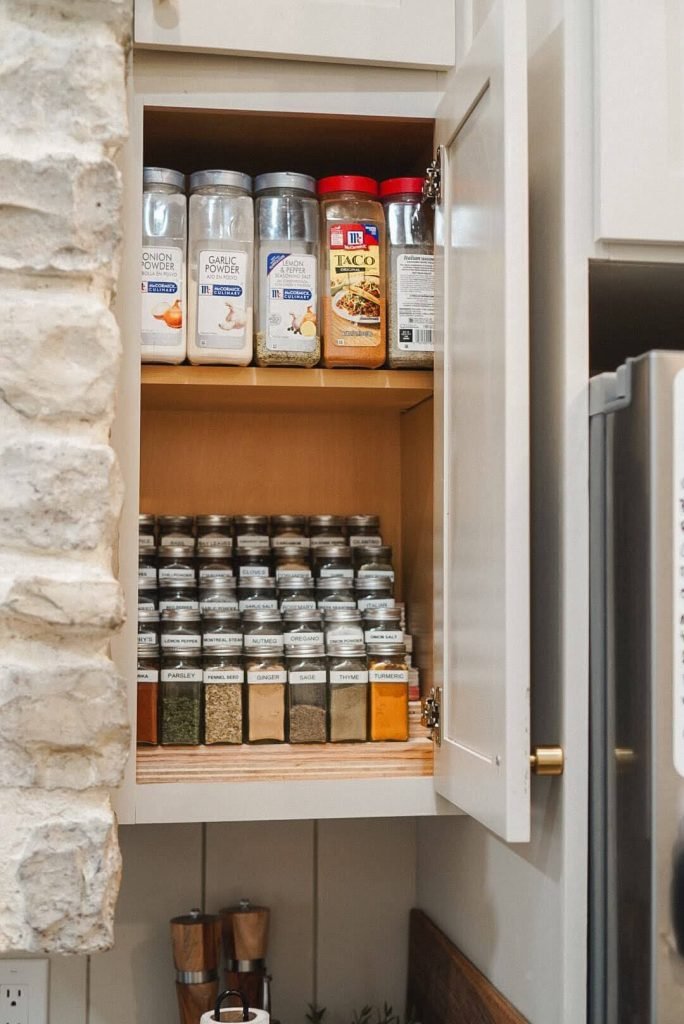
Are you tired of rummaging through cluttered cabinets, searching for that elusive spice jar when you’re in the middle of cooking? Imagine having all your spices neatly organized and within arm’s reach.
Building your own spice rack not only saves you time but adds a touch of personal flair to your kitchen. Plus, it’s easier than you think! In this guide, you’ll discover the simple steps to craft a spice rack that fits your space and style perfectly.
Whether you’re a DIY enthusiast or a complete beginner, this article will walk you through the process, ensuring that you’ll have a functional and stylish spice rack in no time. Keep reading to transform your kitchen chaos into culinary calm.
Materials And Tools
Gather essential materials like wood, screws, and nails to craft your spice rack. Equip yourself with tools such as a saw, drill, and measuring tape for precise assembly.
Building a spice rack involves gathering the right materials and tools. This section outlines what you’ll need to get started. Proper preparation ensures a smooth and enjoyable process.Materials Required
- Wood planks: Choose sturdy, high-quality wood for durability.
- Nails or screws: These hold your rack together securely.
- Sandpaper: Smooth out rough edges for a polished finish.
- Wood stain or paint: Customize the look of your rack.
- Wood glue: Provides extra strength to joints.
Essential Tools
- Hammer or screwdriver: Depends on your choice of nails or screws.
- Saw: Cut wood planks to desired sizes.
- Measuring tape: Ensures accurate dimensions and fit.
- Level: Keeps shelves even and balanced.
- Paintbrush: Applies stain or paint smoothly.
Optional Accessories
- Hooks: Hang additional items or utensils.
- Labels: Mark each spice for easy identification.
- Protective finish: Shields wood from moisture damage.

Credit: www.facebook.com
Choosing The Right Design
Selecting the perfect design for your spice rack involves considering space, style, and functionality. Opt for adjustable shelves to accommodate various jar sizes. Prioritize easy access and visibility, ensuring spices are organized efficiently.
Choosing the Right Design for your spice rack is crucial. The design impacts functionality, aesthetics, and space optimization. A well-chosen design can transform your kitchen.Consider Your Kitchen Space
Evaluate the available space in your kitchen. Measure the area where the spice rack will go. Vertical racks save space in small kitchens. Horizontal racks work well in larger areas.Think About Accessibility
Easy access to spices is important while cooking. Choose a design that lets you reach spices quickly. A rotating rack can make access easier. Open shelves keep spices visible and handy.Focus On Aesthetics
A spice rack should complement your kitchen decor. Match the rack’s style with your kitchen’s theme. Wood racks give a warm, rustic look. Metal racks offer a modern, sleek appearance.Choose The Right Size
Decide how many spices you need to store. A small rack is perfect for basic spices. Larger racks cater to diverse culinary needs. Ensure the size fits your kitchen’s space.Prioritize Durability
The spice rack should withstand daily use. Choose materials that are strong and long-lasting. Wood and metal are durable options. Consider racks with a sturdy build.Customize For Personal Needs
You might need a specific number of slots. Customizable racks allow you to adjust the layout. Personalize the design to fit your unique needs. Tailor the rack to your cooking habits. Choosing the right spice rack design involves careful consideration. Each aspect enhances usability and complements your kitchen.Measuring Your Space
Accurate measurements ensure a perfect fit for your spice rack. Use a tape measure to assess width, height, and depth. Leave space for easy access to spices and accommodate future expansions.
Measuring your space is a crucial first step in building a spice rack that fits seamlessly into your kitchen. A well-measured spice rack not only optimizes space but also enhances functionality and aesthetics. Let’s dive into the essential steps for measuring your space accurately.Understand Your Storage Needs
Before measuring, consider how many spices you have and how many you plan to store. Are you a culinary enthusiast with countless jars, or do you keep a modest collection? This will influence the size and number of shelves your spice rack needs.Choose The Location
Decide where you want to place your spice rack. Is it going to be mounted on a wall, inside a cabinet, or perhaps on the countertop? Each location will have different space considerations. Ensure it’s easily accessible while you cook.Measure The Available Space
Use a tape measure to get the dimensions of the space. Measure the height, width, and depth. Write these measurements down. It’s easy to forget them once you start shopping for materials.Consider Additional Space For Door Clearance
If you’re mounting your spice rack inside a cabinet, remember to account for door clearance. You don’t want the door to hit the rack every time you close it. Allow a bit of extra space to avoid this problem.Think About Future Adjustments
Leave some room for potential future adjustments. You might acquire new spices or change the arrangement. A little extra space can provide flexibility. It’s always better to have more space than needed rather than too little.Use A Level For Precision
Once you’ve noted down your measurements, use a level to ensure your spice rack will be straight. A crooked spice rack can be frustrating to use and detract from your kitchen’s appearance. Double-check with a level before proceeding to the building phase. Correct measurements are key to a successful spice rack project. What’s your plan for measuring your space?Cutting The Wood
Measure and mark the wooden boards for your spice rack carefully. Use a saw to cut the pieces to size. Ensure edges are smooth and ready for assembly.
Cutting the wood is a crucial step in building a spice rack. Precision and care are needed to ensure the pieces fit perfectly. You’ll need a saw, measuring tape, and safety gear. Each cut should be straight and accurate for a sturdy rack.Gather Your Tools
Start by collecting all necessary tools. A saw is essential for cutting wood. A measuring tape ensures precise dimensions. Have safety goggles and gloves ready for protection.Measure The Wood
Use the measuring tape to mark your cuts. Accurate measurements are key to a stable spice rack. Mark each piece clearly before cutting.Make The Cuts
Secure the wood on a stable surface. Use the saw to make straight cuts along your marks. Keep steady and follow the line closely for a clean cut.Check The Pieces
After cutting, inspect each piece. Ensure they match the measurements. Smooth any rough edges with sandpaper for a clean finish.Assembling The Rack
Assembling the rack involves arranging shelves and dividers. Ensure stability by securing parts with screws. Organize your spices by size and type for easy access.
Assembling a spice rack can be a satisfying project that adds both functionality and charm to your kitchen. It’s the stage where your design ideas become reality, and each piece comes together to form a cohesive whole. Whether you’re a seasoned DIY enthusiast or a beginner, following some straightforward steps will ensure your spice rack is sturdy and stylish.Gathering Your Tools And Materials
Before you begin, make sure you have all necessary tools and materials within reach. A standard toolkit should include a drill, screwdriver, measuring tape, and wood glue. You’ll also need screws, brackets, and your chosen wood or alternative material. Double-check your list. Missing a key component mid-project can be frustrating.Following Your Design Plan
Having a clear design plan is crucial. It acts as your roadmap throughout the assembly process. Begin by laying out each piece according to your plan. If you’ve opted for a customized rack, ensure all dimensions are accurate. Measure twice, cut once is the golden rule.Pre-drilling Holes
Pre-drilling holes helps prevent wood from splitting and makes the assembly smoother. Mark where each screw will go, then drill pilot holes accordingly. This step might seem small, but it can save you from major headaches later.Securing The Frame
Once your holes are drilled, it’s time to secure the frame. Use screws to attach the sides to the back panel. Ensure that everything is square and level. A crooked spice rack not only looks off but can also lead to spices tumbling out.Installing Shelves
Install the shelves according to your spacing needs. Adjust the height based on the size of your spice jars. Consider what spices you use most frequently. Place those at a convenient height for easy access.Checking For Stability
With the basic structure assembled, check for stability. Gently shake the rack to ensure it stands firm. If it wobbles, reinforce the joints with additional screws or brackets. Stability is key to a long-lasting spice rack.Final Touches
Add any finishing touches to make your rack uniquely yours. This could be a coat of paint, a wood stain, or decorative elements. Personalize it to suit your kitchen’s aesthetic. After all, it’s more than just a functional piece—it’s part of your home. Now that your spice rack is assembled, how will it transform your cooking space?Sanding And Finishing
Sanding smooths the wood surface, preparing it for a flawless finish. Apply a protective coat for durability and shine. This step enhances the spice rack’s appearance and longevity.
Building a spice rack is a fun project. It adds organization to your kitchen. Sanding and finishing are crucial steps. They ensure your spice rack looks professional. They also make it durable and safe to use. This section covers how to sand and finish your spice rack effectively.Smoothing Rough Edges
Begin by examining the wood for rough edges. Use sandpaper with a coarse grit first. This removes major imperfections. Move in the direction of the wood grain. This prevents scratches. Gradually switch to finer grit sandpaper. This makes the surface smooth. Pay attention to corners and edges. They often have splinters. Sanding these areas ensures safety. Wipe the wood with a damp cloth. This removes dust and debris.Applying A Finish
Choose a finish that suits your taste. Options include varnish, oil, or stain. Apply a thin coat using a brush or cloth. Follow the direction of the wood grain. Allow the first coat to dry completely. Sand the surface lightly with fine grit paper. This helps the next layer adhere better. Apply additional coats as needed. Each coat adds depth and shine. Ensure each layer dries fully before adding the next. This results in a durable, attractive finish.Mounting The Rack
Securing the spice rack involves attaching it firmly to the wall. Choose a location that’s easily accessible. Use a level to ensure the rack is straight, then drill holes and insert screws to hold it securely.
Mounting the spice rack securely ensures it stands the test of time. Proper installation not only keeps spices organized but also enhances kitchen aesthetics. Let’s explore the essential steps in mounting your spice rack successfully.Choosing The Location
Decide on a convenient, accessible spot in your kitchen. Ensure the area is away from direct heat or moisture. Eye-level placement allows easy viewing and access. Check for available wall space or consider inside cabinet doors. Avoid placing the rack in tight or cluttered spaces.Secure Attachment
Use a stud finder to locate studs behind the wall. Drill pilot holes into the studs for added stability. Use screws suitable for your wall type, whether drywall or wood. Ensure the rack is level using a spirit level. Tighten screws securely but avoid over-tightening to prevent damage.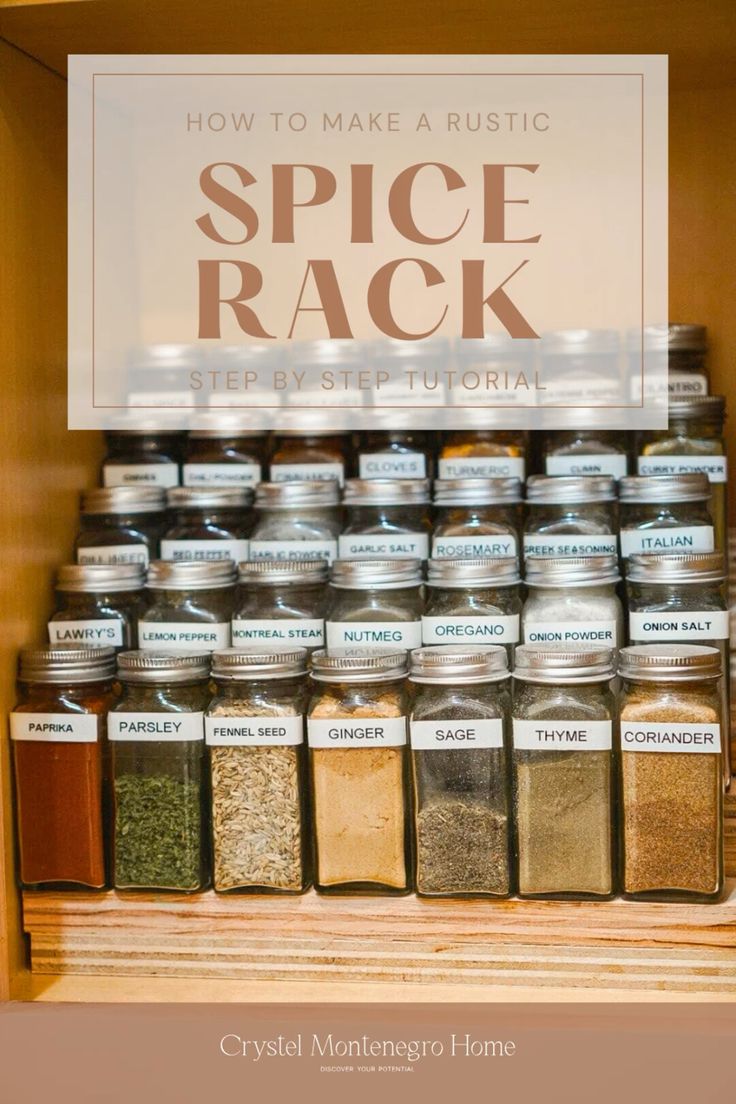
Credit: crystelmontenegrohome.com
Organizing Your Spices
Crafting a spice rack can streamline your kitchen space, making cooking more efficient. Begin with measuring available space, then select materials like wood or metal. Arrange spices by frequency of use, ensuring easy access and a neat display.
Organizing your spices transforms your cooking space into a chef’s paradise. A well-organized spice rack saves time and enhances your cooking experience. Let’s explore how to efficiently organize your spices for maximum convenience and aesthetics.Labeling Jars
Labeling jars ensures quick identification and use of spices. Use waterproof labels for durability. Place labels on the front for easy viewing. Consider color coding for quicker access. This system reduces cooking time and keeps your spice rack neat.Arranging By Category
Arrange spices by category for efficient use. Group similar spices together, like herbs, seeds, and blends. This method simplifies the search process during cooking. It also maintains a tidy appearance on your spice rack. A well-categorized rack enhances your culinary flow.Maintenance Tips
Building a spice rack involves choosing durable materials and ensuring stable mounting. Regularly check screws and brackets for safety. Clean the rack to prevent residue build-up.
Maintaining your spice rack ensures it stays functional and visually appealing. Regular care keeps your spices fresh and your rack in top shape. Below are some maintenance tips to help prolong the life of your spice rack.Regular Cleaning
Dust and grime can accumulate on your spice rack over time. Use a damp cloth to wipe the surfaces weekly. Ensure the cloth is not too wet, as excess moisture can damage wood. For metal racks, a simple dusting should suffice. This keeps the rack looking clean and tidy.Check For Loose Screws
Spice racks can become loose with frequent use. Periodically check for any loose screws or joints. Tighten them with a screwdriver if needed. This prevents the rack from wobbling or collapsing. Safety and stability are crucial for a well-functioning rack.Rotate Your Spices
Spices lose their flavor if left unused for long periods. Rotate your spices every few months. This ensures you use them before they lose potency. Place newer spices at the back and older ones at the front. This simple trick keeps your cooking flavorful.Inspect For Moisture Damage
Moisture can harm wooden spice racks. Regularly inspect your rack for signs of water damage. Look for warping or discoloration. If found, move the rack to a drier location. Consider adding a protective finish to wooden racks.Avoid Direct Sunlight
Sunlight can fade and weaken materials over time. Place your spice rack away from direct sunlight. This protects both the rack and the spices. A shaded or cool area is ideal for preserving spices and rack longevity.
Credit: borderjustfoods.com.au
Frequently Asked Questions
How To Make An Herb Rack?
Create an herb rack using a wooden plank and hooks. Attach hooks evenly spaced on the plank. Mount the plank on the wall securely. Hang herb bundles from the hooks. Ensure herbs are dry and spaced for proper air circulation.
This simple method keeps herbs organized and easily accessible.
What Is The Most Efficient Way To Organize Spices?
Organize spices by type and use clear labels. Store them in airtight containers to maintain freshness. Arrange by frequency of use for easy access. Use spice racks, drawer inserts, or magnetic strips for space-saving solutions. Keep spices away from heat and light to prolong shelf life.
What Is The Best Container For Storing Spices?
Glass jars with airtight lids are ideal for storing spices. They maintain freshness and prevent moisture. Choose dark-colored jars to protect spices from light. Small containers help keep spices organized and accessible. Label jars for easy identification and quick use.
Keep jars in a cool, dry place for best results.
How To Start A Spice Collection?
Begin with common spices like salt, pepper, and garlic powder. Gradually add cumin, paprika, and cinnamon. Store them in airtight containers. Label spices for easy identification. Keep your collection in a cool, dark place to maintain freshness. Regularly check for expiration dates and replace as needed.
Conclusion
Building a spice rack can organize your kitchen beautifully. With simple tools, you create a practical space saver. Enjoy easy access to your favorite spices while cooking. This project is perfect for beginners. Follow the steps, and personalize your design.
A DIY spice rack saves money and adds charm. It makes your kitchen more functional and efficient. Share your creation with friends and family. They might get inspired too. Keep exploring DIY projects to enhance your home. Happy crafting!

Hi, I’m Daniel Brooks—a food lover and kitchen gear enthusiast. I enjoy testing cookware, utensils, and gadgets to see what really works in everyday cooking. At PlugChef.com, I share honest reviews, comparisons, and simple guides to help you choose the best tools for a safer, smarter, and more enjoyable kitchen.
Related posts:
 What Type of Cooking Utensils are Safe: Expert Picks
 What Innovations Could Blenders Make: Unleashing Future Tech
 Smart Strategies to Organize a Small Kitchen: Maximize Space
 How to Organize a Kitchen Cabinet: Expert Tips & Tricks
 How to Organize Kitchen Drawers: Expert Tips and Tricks
 How to Organize a Corner Kitchen Cupboard: Expert Tips

