
Imagine opening your pantry and instantly finding exactly what you need. No more rummaging through cluttered shelves or dealing with expired items.
Sounds like a dream, right? With a little organization, this dream can become your reality. Whether you’re tired of messy chaos or looking to optimize your kitchen space, learning how to organize a pantry can transform your daily routine. In this guide, you’ll discover simple yet effective strategies that cater to your needs and lifestyle.
Get ready to unlock a more efficient, stress-free kitchen experience that saves you time and money. Dive in and see how a well-organized pantry can change the way you cook, shop, and live.
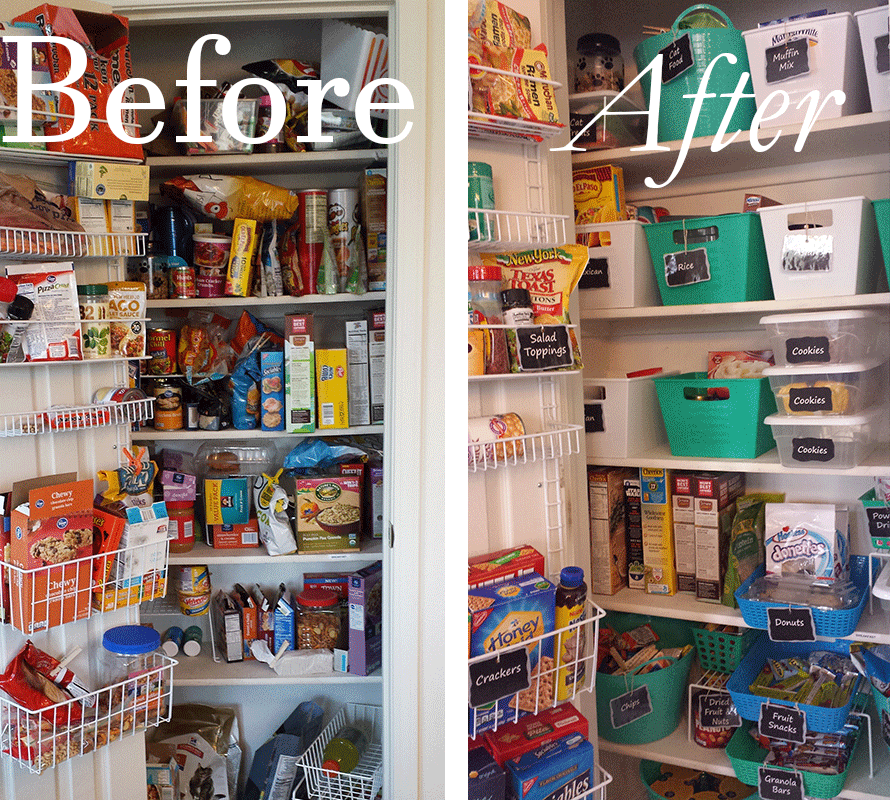
Credit: medium.com
Assessing Your Space
Assessing your pantry space is the first crucial step in organizing it effectively. A well-organized pantry starts with understanding the dimensions and layout of your storage area. By evaluating your space, you can identify the best ways to maximize it for efficiency and accessibility. You’ll also be better equipped to eliminate clutter and create a system that works for your lifestyle.
Measure And Record Dimensions
Begin by measuring the height, width, and depth of your pantry. This information helps you understand what you can fit and what storage solutions may be necessary. Use a tape measure and jot down the dimensions, noting any irregularities like sloping shelves or unusually deep sections.
Identify Unused Areas
Look for spaces that are underutilized or overlooked. The back of doors or the vertical space between shelves can often hold additional items. Consider installing hooks, racks, or hanging baskets to make the most of these areas.
Evaluate Current Usage
Assess how you currently use the space. Are there items you rarely touch or things you struggle to find? Consider whether certain zones in your pantry could be rearranged for better access or visibility. Are there any expired or duplicate items taking up valuable space?
Set Priorities
Think about your cooking habits and dietary needs. Do you need quick access to spices or baking essentials? Prioritize the placement of items based on frequency of use and importance to your daily routine. This will help streamline your pantry organization and make it more functional.
Consider Customization
Once you have a clear understanding of your space, think about custom solutions that could enhance it. Custom shelving, adjustable racks, or stackable bins might be worth investing in to tailor the pantry to your needs. How could a few simple changes transform your space into an organized haven?
Decluttering Essentials
Organizing a pantry starts with sorting items by category. Use clear containers to store food and label each one. Regularly check expiry dates to keep your pantry fresh and tidy.
Organizing your pantry can feel like a daunting task, but focusing on decluttering essentials can make the process manageable and even enjoyable. Clearing out the old and organizing the new can transform your pantry into a space that inspires efficient meal prep and encourages healthier eating habits.Identifying Expired Items
Begin your decluttering journey by identifying expired items. You’d be surprised at how many products hide at the back of shelves. Check expiration dates meticulously. Have a trash bag ready for the discards. It’s liberating to free up space by removing items that have passed their prime. Consider setting a reminder on your phone to do this monthly. Regular maintenance prevents clutter from sneaking back in.Sorting Similar Products
Once expired items are out of the way, focus on sorting similar products. Group all canned goods, grains, snacks, and spices separately. This method not only saves time but also helps you quickly spot what’s running low. Have you ever scrambled to find pasta in a sea of soup cans? Sorting solves this problem. Use baskets or clear containers to keep these groups organized. Labels can be your best friend here, making it easy to identify each category at a glance.Choosing Storage Solutions
Choosing storage solutions for a pantry can simplify meal prep and reduce clutter. Utilize clear containers for visibility and stackability. Label shelves to streamline organizing and access items quickly.
Choosing the right storage solutions can transform your pantry from cluttered chaos into an organized oasis. Picking the right containers, bins, and shelving options makes a big difference. Let’s explore how these choices can make your pantry functional and tidy.Containers And Bins
Consider clear containers. They let you see what’s inside without opening them. Use different sizes for various items. Tall containers are great for pasta. Small bins work well for snacks or spices. Label each container. This helps everyone find what they need quickly. Airtight containers keep food fresh longer.Shelving Options
Adjustable shelves offer flexibility. You can change the height based on your needs. Wire racks are budget-friendly and easy to clean. Wooden shelves add a touch of elegance. Use shelf risers to maximize vertical space. Install pull-out shelves for easy access. This reduces the need to reach back for items.
Credit: food52.com
Creating Zones
Creating zones in your pantry helps keep items organized and easy to find. Group similar items like grains, snacks, and canned goods together for quick access. This method maximizes space and minimizes clutter, making meal preparation more efficient.
Creating a well-organized pantry can transform your kitchen experience. One effective strategy involves creating zones within your pantry. This method helps maintain order and ensures quick access to ingredients. By dividing your pantry into specific areas, you can streamline meal preparation and reduce food waste. Let’s dive into how you can create these zones.Categorizing By Food Type
Organize your pantry by grouping similar food types. This makes locating items easier. Place grains like rice, pasta, and oats together. Keep canned goods, such as beans and tomatoes, in one section. Store baking essentials, like flour and sugar, on one shelf. This categorization enhances efficiency and keeps your pantry tidy.Designating Special Areas
Create special zones for specific needs. Reserve a shelf for snacks, making them easy to grab. Allocate space for breakfast items like cereals and spreads. If you often entertain, consider a section for party supplies. Having designated areas simplifies shopping and restocking. It also ensures quick access to frequently used items.Labeling And Inventory
Organize a pantry by labeling shelves and containers clearly. This makes it easy to find items quickly. Regular inventory checks help keep track of supplies and avoid waste.
Keeping your pantry organized is a game-changer for any home cook. It saves time, reduces waste, and can even inspire creativity in the kitchen. A key part of this organization is effective labeling and maintaining a thorough inventory. These steps can help you keep track of what you have, prevent overbuying, and ensure that your pantry staples are always fresh and ready to use.Effective Labeling Techniques
Labels are more than just markers; they are your roadmap to a well-organized pantry. Start by using clear, easy-to-read labels for all your containers. This might be as simple as using a label maker or even handwritten labels on masking tape. Consider color-coding your labels for different categories like grains, snacks, or spices. This visual cue can make finding items quick and intuitive. Labels should also include expiration dates when applicable, so you know at a glance what’s fresh and what’s not. Reevaluate your labeling system regularly. As your pantry needs change, so should your labels. Maybe you’ll discover a new favorite spice or decide to store more gluten-free options. Keep your system flexible to accommodate these changes.Maintaining A Pantry Inventory
An inventory is like a snapshot of your pantry’s current state. Begin by listing all the items you have, from canned goods to baking supplies. Digital tools like apps or simple spreadsheets can make this process easier and more efficient. Update your inventory every time you shop or use significant amounts of items. This habit will prevent unnecessary purchases and help plan meals around what you already have. A well-maintained inventory can also be a lifesaver when you’re trying to whip up a meal without a trip to the store. Ask yourself: how often do you find expired items lurking in the back of your pantry? Regular inventory checks can help eliminate this problem, ensuring that your pantry remains a well-oiled machine.Maximizing Space
Organize a pantry by using clear containers for visibility and labels for easy identification. Shelves can be adjusted to maximize space, while grouping similar items together ensures efficiency and accessibility. Regularly review contents to keep everything tidy and prevent clutter.
Maximizing space in your pantry can transform your kitchen routine. A well-organized pantry makes finding items easy and keeps everything tidy. Use every available inch to store essentials efficiently. This approach saves time and reduces clutter.Utilizing Vertical Space
Make use of vertical space to store more items. Install adjustable shelves to fit various container sizes. Use stackable bins for smaller items like spices and snacks. Add hooks or racks to hang pots and pans. These methods free up floor space, making it easier to access other items.Incorporating Door Storage
The pantry door offers untapped storage potential. Install racks or pockets on the inside for small items. Perfect for storing spices, condiments, or cleaning supplies. Use clear pockets to keep everything visible. This setup helps utilize space that often goes unused.Sustainable Practices
Organize a pantry sustainably by using glass jars to store dry goods, reducing plastic waste. Label containers for easy identification and declutter regularly to maintain order. Consider donating excess non-perishable items to local food banks to support community needs.
Sustainable practices in pantry organization not only benefit the environment but can also enhance your daily life. They help you minimize waste, save money, and create a healthier home. Embracing sustainability in your pantry might be easier than you think and can start with small, impactful changes.Reducing Food Waste
Have you ever found a forgotten can of beans buried in the back of your pantry? Organizing your pantry sustainably means making sure every item is used before it expires. Start by placing older items at the front and newer ones at the back. Label shelves with categories like grains, canned goods, and snacks. This helps you keep track of what you have and prevents overbuying. Consider donating unopened items you know you won’t use.Eco-friendly Storage Options
Ditch the plastic and opt for reusable storage solutions. Glass jars are perfect for storing dry goods like pasta, rice, and flour. They keep your food fresh and let you see when supplies are running low. Cloth bags are a great alternative for bulk items and produce. They are washable and reduce your reliance on single-use plastic bags. For smaller items, consider using metal tins or bamboo containers. Making these simple swaps not only helps the planet but also creates a visually appealing pantry. What small change can you start with today?Routine Maintenance
Keeping your pantry organized is not just a one-time task but an ongoing process. Routine maintenance is crucial to ensure that your pantry remains functional and efficient over time. By setting aside a little time each week or month for maintenance, you can prevent clutter from taking over and make your pantry a stress-free zone. Let’s dive into the regular cleaning tips and the importance of updating inventory lists to keep your pantry in tip-top shape.
Regular Cleaning Tips
Dust and crumbs are inevitable in any pantry. Regular cleaning helps maintain hygiene and keeps pests away. Every month, dedicate a day to wipe down shelves and containers. Use a damp cloth to clean spills and sticky spots.
Consider using natural cleaners like vinegar or baking soda to avoid harsh chemicals. What’s your go-to cleaning hack for stubborn stains? Share in the comments below!
Don’t forget to vacuum the floor to catch any fallen debris. A tidy floor ensures that you can easily spot any items that might have rolled away unnoticed.
Updating Inventory Lists
An updated inventory list is your best friend when it comes to pantry organization. It helps you track what you have and what you need. Make it a habit to update your list every time you add or use an item.
Try using a digital app or a simple spreadsheet. A visual reminder on your phone can save you from buying unnecessary duplicates during your grocery run.
How often do you find yourself buying something you already have? Keeping your inventory list current can prevent such mishaps and save you money. Engage with this practice and watch your pantry turn into a well-oiled machine.
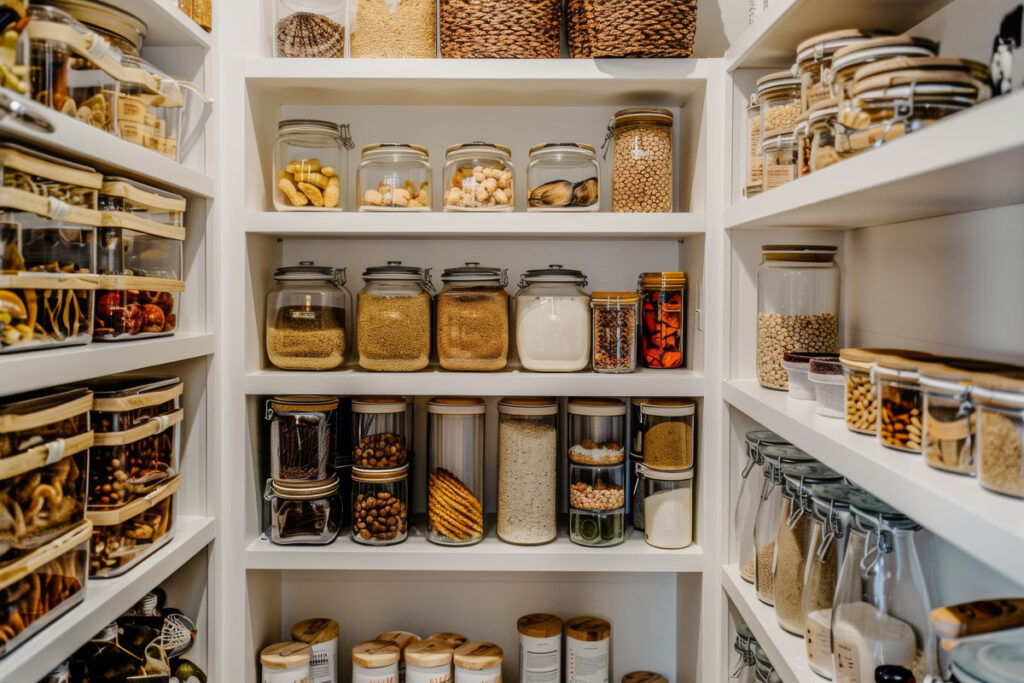
Credit: www.afreshspace.com
Frequently Asked Questions
In What Order Should A Pantry Be Organized?
Organize your pantry by grouping similar items together. Place frequently used items at the front. Store heavy items on lower shelves. Use clear containers for visibility. Label shelves for easy access and maintain order.
What Are The 7 Pantry Zones?
The 7 pantry zones are: baking ingredients, canned goods, grains and pasta, snacks, spices, breakfast items, and condiments. Organize these areas for efficient access and storage. Proper zoning maximizes space and improves meal preparation. Keep frequently used items at eye level for convenience.
Regularly check and rotate stock for freshness.
How Do I Layout My Pantry?
Organize items by category and frequency of use. Use clear bins and labels for easy identification. Keep frequently used items at eye level. Store heavier items on lower shelves. Use vertical space with stackable containers or risers. Regularly declutter and adjust layout as needed for efficiency and accessibility.
How Do I Group Items In My Pantry?
Organize pantry items by categories like grains, canned goods, snacks, spices, and baking essentials. Use labeled bins or baskets for easy access. Group similar items together and place frequently used items at eye level for convenience. Regularly check expiration dates and adjust storage as needed.
Conclusion
A tidy pantry brings peace to your kitchen. Organize shelves by food groups. Use clear bins for visibility. Label jars for easy finding. Rotate items for freshness. Donate unused goods to keep clutter away. Regular cleaning helps maintain order. Involve family in the process for teamwork.
A neat pantry saves time and reduces stress. Meal prep becomes simpler with a well-arranged space. Enjoy the satisfaction of a well-organized pantry. Your efforts pay off daily in a functional kitchen. Embrace these tips for a practical, efficient pantry.
Remember, every small step counts in keeping your pantry tidy.

I’m Abby Lu, a passionate home cook who loves simplifying everyday meals. At PlugChef.com, I share product reviews and cooking guides to help you find the best tools for your kitchen.
Related posts:
 What Type of Cooking Utensils are Safe: Expert Picks
 What Innovations Could Blenders Make: Unleashing Future Tech
 Smart Strategies to Organize a Small Kitchen: Maximize Space
 How to Organize a Kitchen Cabinet: Expert Tips & Tricks
 How to Organize Kitchen Drawers: Expert Tips and Tricks
 How to Organize a Corner Kitchen Cupboard: Expert Tips

