
Do you often find yourself battling an avalanche of cans every time you open your pantry door? It’s a common struggle for many of us with limited kitchen space.
A cluttered pantry can turn meal prep into a stressful task, and sometimes, you might even forget what’s tucked away in the back. But imagine opening your pantry to find everything neatly arranged, with all your essentials just a reach away.
Sounds good, right? Organizing a small pantry isn’t just about making it look nice; it’s about creating a space that works for you. By the end of this article, you’ll discover simple yet effective ways to transform your pantry chaos into a streamlined system that saves you time, reduces food waste, and even brings a bit of joy to your daily routine. Curious to learn how? Let’s dive in and make your pantry a place of order and inspiration.
Assessing Your Pantry Needs
Organize a small pantry by first assessing what you truly need. Consider shelf space and storage options for essentials. Keep items you use often within easy reach and eliminate duplicates to maximize space.
Organizing a small pantry can seem like a daunting task, but the key to success lies in understanding what you truly need. Assessing your pantry needs is the first step in transforming a cluttered space into a well-organized haven. Imagine opening your pantry and finding everything exactly where it should be. Sounds perfect, right? Let’s dive into how you can achieve this by evaluating your pantry essentials.Evaluate Current Stock
Start by taking inventory of what you currently have. Pull everything out and group similar items together. You might be surprised to find duplicates or expired goods hiding in the corners. This is the perfect time to discard anything that’s past its prime or donate items you won’t use.Identify Frequent Purchases
Think about the items you buy regularly. Are there specific staples that always end up in your shopping cart? Keep these in mind as they should have a designated spot in your pantry. This will help streamline your grocery shopping and ensure you always have your essentials on hand.Consider Meal Planning Habits
Reflect on your cooking habits. Do you whip up quick meals or dive into elaborate recipes? Your pantry should reflect your culinary style. For example, if you often make pasta, make sure you have various types and sauces within easy reach. Tailoring your pantry to your meal planning will save you time and effort in the kitchen.Think About Storage Needs
Assess the storage containers you use. Are they efficient, or do they contribute to the clutter? Opt for stackable or clear containers to maximize space and visibility. This will help you spot what you need without rummaging through piles of cans and boxes.Anticipate Future Needs
Consider upcoming events or seasons. Will you be hosting parties or preparing for holiday feasts? Make space for items you’ll need later, but don’t overwhelm your pantry with things you won’t use immediately. Planning for the future ensures you’re always prepared without compromising your current setup. By taking the time to thoughtfully assess your pantry needs, you set the stage for a more organized and functional space. What changes can you make today to simplify your pantry life?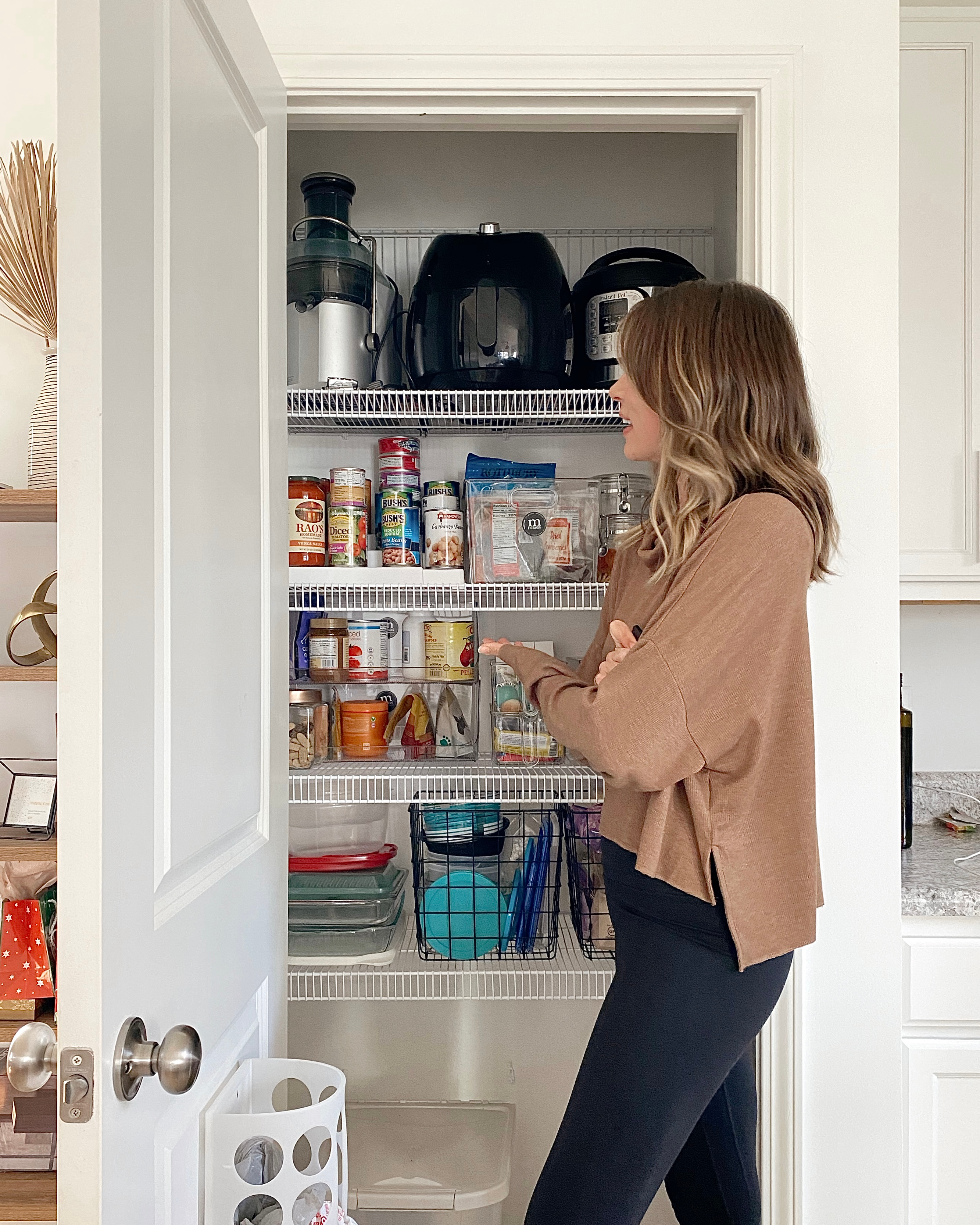
Credit: www.alliewears.com
Maximizing Vertical Space
Stack shelves to utilize vertical space efficiently. Hang hooks for bags and baskets to free up floor area. Use clear containers to store items neatly and accessibly.
Maximizing Vertical Space When space is tight, thinking vertically can transform your small pantry into a more functional and organized area. It’s incredible how much more room you can uncover by simply utilizing the vertical space that often goes overlooked. By implementing a few clever strategies, you can increase storage and keep everything within easy reach.Using Shelf Risers
Shelf risers are a game-changer for any small pantry. They allow you to stack items like canned goods, spices, or dishes without wasting the space above them. Imagine doubling your shelf space instantly! Consider adjustable risers if your pantry contents frequently change. They offer flexibility and ensure that every inch is utilized effectively.Installing Hooks And Rods
Hooks and rods can dramatically enhance your vertical storage. Hanging baskets or mugs on hooks can free up shelf space for bulkier items. Think about the vertical space on the pantry door. Installing rods can hold items like plastic wrap or dish towels, making them easily accessible and organized. Have you ever thought of hanging measuring spoons or small pots on rods? It’s a practical solution that keeps everything at your fingertips while keeping the shelves tidy.Effective Use Of Containers
Organizing a small pantry can be challenging. Effective use of containers can transform it. Containers make it easy to sort and store items neatly. They prevent clutter and save space. Using them wisely can make your pantry efficient and accessible.
Choosing The Right Sizes
Choose containers that fit your pantry’s dimensions. Measure shelf space before buying. Small containers are ideal for spices and snacks. Medium containers work for grains and pasta. Large containers hold bulk items like flour and sugar. Stackable containers maximize vertical space. Clear containers let you see contents easily.
Labeling For Easy Access
Labels help find items quickly. Use a simple labeling system. Write clear, legible names on each container. You can use a label maker or sticky notes. Place labels on the front for easy visibility. Consider color-coded labels for different categories. This helps organize pantry items efficiently.

Credit: thecrownedgoat.com
Door Storage Solutions
Transforming your small pantry into an organized haven doesn’t require a complete overhaul—sometimes, all it takes is a clever use of door storage solutions. Utilizing the back of your pantry door can open up a world of possibilities for additional space. With a few simple additions, you can maximize every inch and keep your pantry items in easy reach. Let’s dive into some effective door storage ideas that can make a big difference.
Over-the-door Racks
Over-the-door racks are a lifesaver for small pantries. They provide multiple shelves to store everything from spices to canned goods. Imagine opening your pantry door and seeing everything neatly arranged and easily accessible.
These racks are especially helpful for those awkwardly shaped or tall items that don’t fit well on standard shelves. Plus, they’re incredibly easy to install. Simply hang them over the door, and you’re good to go. Next time you reach for that jar of peanut butter, you’ll appreciate the convenience.
Magnetic Strips For Small Items
Magnetic strips are another ingenious solution for small pantry spaces. They’re perfect for organizing metal spice tins, kitchen tools, or even bag clips. By attaching a magnetic strip to the inside of your pantry door, you create a new space for items that tend to get lost in the shuffle.
This method not only saves space but also adds a touch of creativity to your pantry organization. Consider arranging your spice tins in alphabetical order on the strip. It makes finding the right spice a breeze and adds a fun, decorative element to your pantry. What small items could you declutter with a magnetic strip?
Rotating And Layering
Rotating and layering items in a small pantry can maximize space efficiently. Place frequently used items at the front and stack similar items together. This method helps in keeping your pantry neat and accessible.
Organizing a small pantry can often feel like playing a game of Tetris. The key to maximizing your space is mastering the art of rotating and layering your items. This approach not only makes everything more accessible but also helps in keeping track of your supplies. By strategically placing items, you can create a pantry that is both functional and visually pleasing. Let’s dive into some practical techniques you can use to bring order to your pantry chaos.Using Lazy Susans
Lazy Susans are a game-changer for small pantries. They allow you to rotate items with just a simple spin, making it easy to access everything. Place one in a corner or on a shelf to store condiments, spices, or canned goods. This way, you won’t have to move a dozen items to find that one jar at the back. Consider using different sizes to fit various shelves. Smaller Lazy Susans can hold spices, while larger ones are great for jars or bottles. They maximize the utility of deep shelves and corners that are hard to reach.Stacking Techniques
Stacking is another efficient way to organize your pantry. Use clear containers to stack dry goods like pasta, rice, and snacks. This not only saves space but also keeps items fresh and visible. You can easily see when you’re running low on essentials. Mix and match container sizes to fit the height of your shelves. Consider using stackable baskets for items that come in unusual shapes or sizes. This method makes it easy to grab what you need without causing a landslide of pantry items. Have you ever considered how much space you could save by stacking vertically? By taking a few moments to rearrange and stack, you can create a more organized and functional pantry. Remember, the goal is to make everything easily accessible without overcrowding your space.
Credit: food52.com
Seasonal And Bulk Item Management
Organize your small pantry by prioritizing seasonal and bulk items. Store items by frequency of use and expiration date. Use clear containers to identify contents quickly and maximize space.
Managing seasonal and bulk items in a small pantry can be a bit of a puzzle. You want to maximize your storage space while ensuring everything stays fresh and accessible. Whether you’re storing holiday baking supplies or bulk-bought goods, a little planning goes a long way. How can you keep your pantry organized without letting items get lost in the back or expire too soon?Creating A Rotation Schedule
Creating a rotation schedule is a practical approach to managing seasonal and bulk items. Begin by organizing your pantry items based on their expiration dates. Place newer purchases behind older items to ensure that the oldest items get used first. Consider labeling shelves or sections with the dates items were purchased. This simple step can help you keep track of what needs to be used up next. Use a calendar or a digital reminder to prompt you to check your pantry every few months.Storing Bulk Items Efficiently
Storing bulk items efficiently starts with selecting the right containers. Airtight containers can help preserve freshness and prevent pests. Opt for clear containers to easily see what’s inside without having to open them. Maximize vertical space by using stackable bins or shelves. Think about the space above your head or even on the back of your pantry door. Hanging organizers can also be a great solution for small items or spices. Use labels to identify the contents and the purchase date on each container. This practice can save you time and ensure you use the oldest items first. Do you know where each item is? A quick glance should give you all the information you need. By thoughtfully managing seasonal and bulk items, you can keep your pantry neat and functional. Are there any strategies you use that have transformed your pantry space? Organizing your pantry might just be the small change that makes a big difference in your daily kitchen routine.Regular Maintenance Tips
Keeping a small pantry organized is crucial for efficiency. Regular maintenance ensures everything stays in place and accessible. By implementing consistent upkeep, you create an environment where cooking becomes a breeze. These simple tips will help maintain order and prevent clutter.
Scheduled Clean-outs
Set a regular time each month for cleaning the pantry. Remove expired items to make space for fresh ingredients. Wipe down shelves to keep them dust-free. This practice keeps the area tidy and ready for use.
Updating Inventory Regularly
Maintain an up-to-date list of pantry items. Check off what you have and note what’s missing. This helps avoid unnecessary purchases. Keep the list visible for easy access. Update it each time you restock or use items.
Frequently Asked Questions
How To Get The Most Space Out Of A Small Pantry?
Use vertical shelves and stackable containers to maximize space. Install hooks for hanging items. Group similar items together. Utilize door racks for extra storage. Label containers for easy access.
In What Order Should A Pantry Be Organized?
Organize your pantry by grouping similar items. Place frequently used items at eye level. Store heavier items on lower shelves. Use clear containers for visibility. Label everything for easy access.
What Are The 7 Pantry Zones?
Pantry zones include baking supplies, snacks, canned goods, grains, spices, breakfast items, and condiments. Organize each zone for easy access. Label shelves and containers to maintain order. Regularly check expiration dates and replenish stock. Optimize space with baskets or bins.
Keep frequently used items at eye level for convenience.
What Type Of Shelving Is Best For A Pantry?
Wire shelving is ideal for a pantry. It allows air circulation and is easy to clean. Adjustable shelves provide flexibility for different-sized items. Sturdy metal or wood shelves offer durability and support heavy loads. Consider installing pull-out shelves for easy access and maximizing space efficiency.
Conclusion
Organizing a small pantry transforms chaos into calm. Simple steps make a big difference. Use clear containers for easy access. Labels help everyone find items quickly. Keep frequently used items within reach. Store similar items together for efficiency. Regularly clean to avoid clutter buildup.
A well-organized pantry saves time and reduces stress. Enjoy a neat space that serves your needs. With these tips, your small pantry can stay tidy and functional. Embrace order and enjoy the benefits of a well-arranged pantry every day.

I’m Abby Lu, a passionate home cook who loves simplifying everyday meals. At PlugChef.com, I share product reviews and cooking guides to help you find the best tools for your kitchen.
Related posts:
 What Type of Cooking Utensils are Safe: Expert Picks
 What Innovations Could Blenders Make: Unleashing Future Tech
 Smart Strategies to Organize a Small Kitchen: Maximize Space
 How to Organize a Kitchen Cabinet: Expert Tips & Tricks
 How to Organize Kitchen Drawers: Expert Tips and Tricks
 How to Organize a Corner Kitchen Cupboard: Expert Tips

