
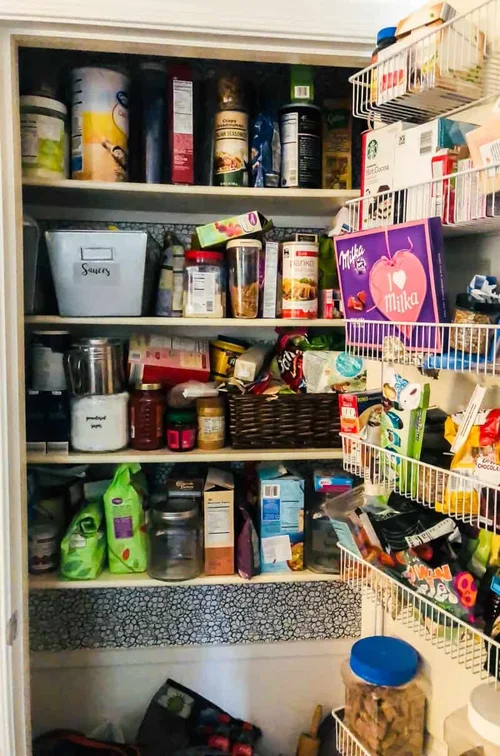
Struggling to find what you need in your narrow, deep pantry? You’re not alone.
Many people face the challenge of organizing this tricky space. It can feel overwhelming, but don’t worry—there’s hope for making it work for you. Imagine opening your pantry and instantly spotting what you need. No more digging through clutter or buying items you already have but can’t find.
In this guide, you’ll discover practical, straightforward strategies to transform your pantry chaos into an organized haven. Stick with us, and you’ll soon enjoy a pantry that’s efficient and easy to navigate. Let’s dive into tips that will change the way you think about pantry organization.
Assessing Your Pantry Space
Organizing a narrow deep pantry can be challenging yet rewarding. First, assess your pantry space to plan efficiently. Understand its dimensions, shape, and storage potential. A well-organized pantry saves time and reduces stress.
Identify Dimensions And Layout
Measure your pantry’s width and depth. This helps determine suitable storage solutions. Consider vertical space for taller shelving options. Knowing dimensions aids in maximizing every inch effectively.
Recognize Problem Areas
Spot cluttered zones or inaccessible corners. These areas need specific attention. Addressing them can improve accessibility and reduce waste. Problem zones often hide forgotten items.
Evaluate Current Storage
Assess existing shelves and containers. Are they suitable for your needs? Check if items are easily reachable. Proper storage solutions enhance functionality and organization.
Consider Traffic Flow
Think about how you move in the pantry. Smooth traffic flow prevents congestion. Arrange commonly used items within easy reach. This makes daily tasks more efficient.
Analyze Lighting Conditions
Observe lighting in your pantry. Good lighting helps find items quickly. It also highlights hidden spaces. Consider adding LED lights for better visibility.
Understand Your Inventory
Review what you store frequently. Different foods require varied storage. Knowing your inventory aids in customizing space. Group similar items together for easy access.

Credit: www.facebook.com
Choosing The Right Storage Solutions
Organize a narrow deep pantry by using adjustable shelving and clear containers. Place frequently used items at eye level for easy access. Utilize vertical space with stackable bins and baskets for efficient storage.
Choosing the right storage solutions can transform a narrow, deep pantry from a cluttered cavern into a well-organized haven. The key lies in understanding your space and selecting storage that maximizes every inch. By focusing on vertical options, stackable containers, and pull-out shelves, you can make your pantry efficient and accessible.Vertical Storage Options
Vertical storage is a game-changer in narrow pantries. Imagine having shelves that run from floor to ceiling, offering a spot for everything. Utilize adjustable shelving to cater to your varying needs. Hooks and racks can be attached to the inside of the pantry door for hanging items such as aprons or reusable bags. Wouldn’t it be amazing to open your pantry and immediately see everything neatly arranged and within easy reach?Stackable Containers
Stackable containers help create a uniform look while saving space. Clear containers are ideal because they allow you to see contents at a glance, making meal prep and grocery shopping easier. Opt for containers with airtight lids to keep food fresh longer. Labeling them can also save you from those frustrating moments of wondering if it’s flour or powdered sugar. Isn’t it satisfying to simply pull out a container and know exactly what’s inside?Pull-out Shelves
Pull-out shelves are perfect for deep pantries. They allow you to access items at the back without having to remove everything in the front. These shelves can be installed at different heights to accommodate varying item sizes. Consider the ease of pulling a shelf out to grab a can of soup without upsetting other pantry contents. Can you imagine how much time you’ll save by not having to dig around for that elusive jar of pasta sauce? By implementing these storage solutions, you can transform your pantry into an organized space that suits your lifestyle. What changes can you make today to start organizing your pantry more effectively?Maximizing Accessibility
Maximizing space in a narrow deep pantry involves smart organization. Use clear bins and stackable shelves to keep items visible. Store frequently used items at the front for easy access.
Maximizing accessibility in a narrow deep pantry can transform your daily cooking routine from a cumbersome search mission into a seamless experience. Imagine reaching for your favorite pasta sauce or that elusive can of chickpeas without a frustrating hunt. The key is to ensure that everything is easy to see, easy to reach, and easy to return to its place. Let’s dive into some practical strategies to make your pantry not just a storage space, but a well-organized ally in your culinary adventures.Labeling Techniques
Labels are your pantry’s best friends. They offer immediate clarity, so you don’t have to rifle through multiple containers to find what you need. Use large, clear fonts and contrasting colors to ensure readability even in dim lighting. Consider using waterproof labels for items that are frequently handled. This keeps them looking tidy and professional over time. Remember, a well-labeled pantry is a stress-free pantry.Categorizing Items
Think of your pantry as a library, where items are sorted by type. Group similar items together: all the grains in one section, canned goods in another, and snacks in their dedicated spot. This logical arrangement cuts down on time spent searching. You might prefer a more specific categorization, like dividing baking supplies from other dry goods. The goal is to create a mental map that speeds up retrieval and return. How can you make your categories work for your lifestyle?Creating A Pantry Map
A pantry map can be a game-changer, especially when you’re not the only one using the kitchen. Sketch a simple layout of your pantry on a piece of paper or whiteboard and hang it inside the pantry door. This visual guide helps everyone in the household find and replace items correctly. Use symbols or colors for different categories to make the map user-friendly. This might seem like an extra step, but it pays off in maintaining order over time. Have you ever considered how a small map can lead to big organizational improvements?
Credit: www.facebook.com
Utilizing Door Space Effectively
Maximize door space by installing shelves or racks for easy access to spices and small items. Utilize clear bins to categorize pantry goods, making deep spaces more accessible and organized.
Organizing a narrow deep pantry can be a challenging task, but utilizing the door space effectively can transform your pantry into a more functional area. The often-overlooked door is a goldmine for storage potential. By making smart use of this space, you can create a more organized and accessible pantry without adding clutter.Over-the-door Organizers
Over-the-door organizers are lifesavers in narrow pantries. They’re perfect for storing items like spices, snacks, or cleaning supplies. Simply hang an organizer over the door, and instantly gain several pockets or shelves of additional storage. Think about the items you use most frequently. Placing them in an easily accessible spot on the door can make your cooking routine smoother. Are there any small, lightweight items you often misplace? Tuck them into the pockets of your over-the-door organizer for easy retrieval.Magnetic Strips For Small Items
Magnetic strips can be a game-changer for organizing small items. Attach a magnetic strip to the inside of your pantry door for a creative storage solution. This is particularly useful for metal spice tins or kitchen tools with metal components. Imagine reaching for your measuring spoons and finding them neatly lined up on the door. It’s a small change that saves you time and frustration. Consider adding a few magnetic spice jars to the mix. This keeps your spices visible and within arm’s reach, turning the door into a functional display. By utilizing these strategies, your narrow deep pantry can become a model of efficiency and style. What items will you move to your door to free up shelf space?Rotating Pantry Stock
Maximize space in a narrow deep pantry by rotating stock regularly. Place frequently used items at the front for easy access. Organize similar products together to streamline meal preparation and maintain order.
Organizing a narrow deep pantry can feel challenging. Rotating pantry stock keeps everything fresh and prevents waste. It ensures you use items before expiration. Proper rotation also helps you find ingredients faster. Let’s explore effective techniques for rotating pantry stock.First-in, First-out Method
The First-In, First-Out (FIFO) method is simple. Place new items behind older ones. This way, older items are used first. Label items with purchase dates. Use sticky notes or markers for easy labeling. This method reduces waste and saves money. It also keeps your pantry organized and efficient.Seasonal Rotation Tips
Adjust pantry stock based on seasons. In summer, stock light foods like pasta and canned fruits. In winter, focus on soups and baking supplies. Store seasonal items in easy-to-reach places. This makes finding what you need quicker. Rotate these items yearly to keep them fresh. Seasonal rotation also helps plan meals better.
Credit: www.facebook.com
Maintaining Order
Organizing a narrow deep pantry can be challenging. Use vertical space with stackable shelves and baskets. Label containers to easily find items and maintain order.
Maintaining order in a narrow deep pantry requires ongoing effort and attention. With its limited space, it’s easy for items to get lost or cluttered, leading to frustration during meal prep. Establishing a routine for upkeep not only saves time but also ensures that your pantry remains a functional and stress-free zone.Regular Inventory Checks
Conducting regular inventory checks is a game-changer for maintaining order in your pantry. Dedicate a few minutes each week to scan through your shelves. This helps you identify expired items and avoid overbuying. Make a list of essentials that are running low. Use this list to guide your grocery shopping, preventing unnecessary purchases. Consider keeping a small notepad or a digital list on your phone. This way, updating your inventory becomes a quick and easy task.Scheduling Clean-up Days
Establish a routine by scheduling regular clean-up days. Whether it’s once a month or every season, having a set time ensures your pantry stays tidy. On these days, pull everything out and give your shelves a good wipe. This not only keeps things clean but also allows you to reassess your organization system. Think of this as an opportunity to optimize your space. Maybe that top shelf isn’t the best spot for heavy jars after all. Embrace the chance to refresh your pantry’s layout. You might find a more efficient way to store items, making cooking and snacking a breeze.Expert Insights And Advice
Organizing a narrow, deep pantry can be challenging. Expert insights can transform this daunting task into a rewarding experience. They offer practical solutions and clever tips that make the most of every inch. From avoiding common mistakes to long-term strategies, these insights can turn your pantry into a functional and efficient space.
Common Mistakes To Avoid
One frequent mistake is overcrowding shelves. Too many items make it hard to find things. It also leads to forgotten food that expires. Another error is not using vertical space. Tall shelves often have unused areas at the top. Grouping items improperly can also cause confusion. Mixing snacks with canned goods creates chaos.
Pro Tips For Long-term Success
Label shelves clearly to save time. It helps everyone know where things belong. Use clear containers for dry goods. They allow quick identification and keep food fresh. Install pull-out shelves for easy access. They ensure nothing gets lost at the back. Regularly clean and declutter the pantry. It keeps the space organized and efficient.
Frequently Asked Questions
How To Organize A Deep Narrow Pantry?
Utilize vertical space with stackable shelves and bins. Store items in clear containers for visibility. Label each section and group similar items together. Place frequently used items at eye level for easy access. Rotate stock regularly to ensure freshness and optimize space.
How To Fix A Pantry That Is Too Deep?
Install pull-out shelves to access items easily. Use bins or baskets for organized storage. Consider adding lighting for visibility. Adjust shelf heights to maximize space. Keep frequently used items in front for quick access.
How To Use A Deep Pantry?
Organize items by category and frequency of use. Use bins and labels for easy access. Store heavier items at the bottom. Keep frequently used items at the front. Rotate stock to use older items first. Utilize vertical space with stackable containers or shelves.
Regularly clean and declutter to maintain order.
What To Do With Cabinets That Are Too Deep?
Install pull-out shelves or baskets to maximize accessibility. Use cabinet organizers for better space management. Consider reducing cabinet depth with professional help. Place rarely used items at the back. Utilize stackable storage solutions for optimal organization.
Conclusion
A narrow deep pantry can feel overwhelming. But organizing it doesn’t have to be hard. Start by sorting items by type. Use clear containers for visibility. Labels help find things quickly. Vertical storage maximizes space. Shelves and racks are useful.
Rotate items for freshness. Keep often-used items in reach. Donate or discard expired goods. A tidy pantry saves time and reduces stress. It also makes cooking more enjoyable. Follow these tips to keep your pantry organized. You’ll enjoy a more functional kitchen space.
Happy organizing!

I’m Abby Lu, a passionate home cook who loves simplifying everyday meals. At PlugChef.com, I share product reviews and cooking guides to help you find the best tools for your kitchen.
Related posts:
 What Type of Cooking Utensils are Safe: Expert Picks
 What Innovations Could Blenders Make: Unleashing Future Tech
 Smart Strategies to Organize a Small Kitchen: Maximize Space
 How to Organize a Kitchen Cabinet: Expert Tips & Tricks
 How to Organize Kitchen Drawers: Expert Tips and Tricks
 How to Organize a Corner Kitchen Cupboard: Expert Tips

