
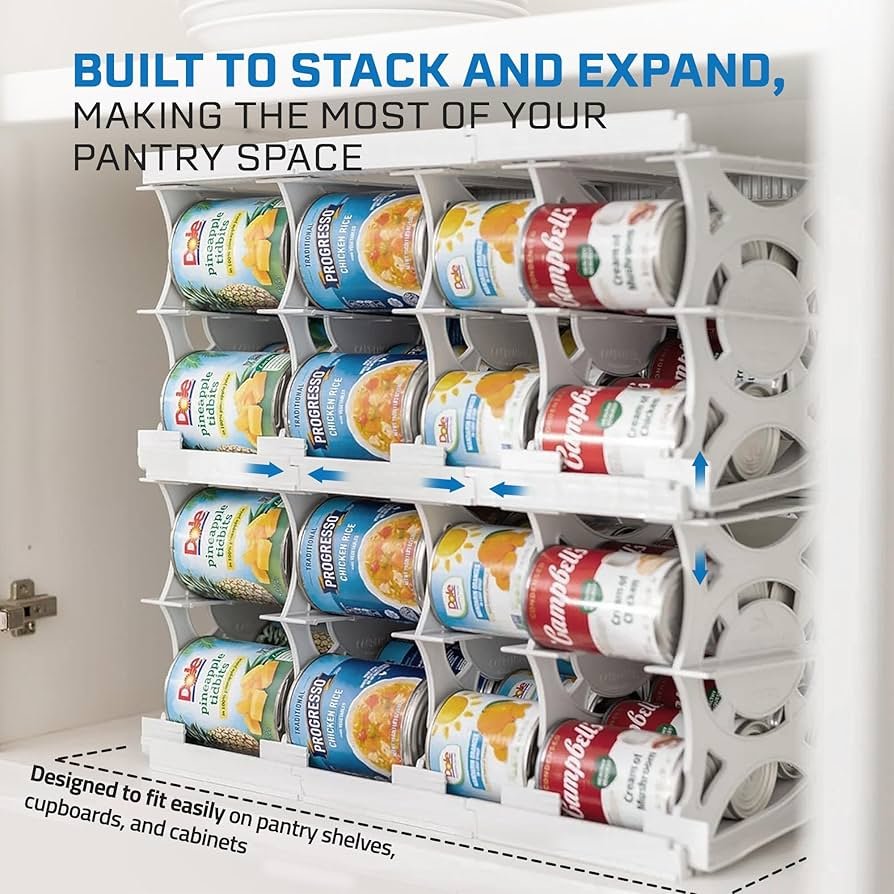
Have you ever opened your pantry and felt a wave of frustration as you tried to find that elusive can of beans or soup? You’re not alone.
Many of us struggle with keeping our kitchen spaces neat and organized, especially when it comes to those pesky canned goods. Imagine opening your pantry to find everything neatly arranged, where every can is visible and within easy reach. Sounds like a dream, right?
That’s where a food can organizer for your pantry comes into play. This simple yet effective tool can revolutionize how you store and access your canned goods. By the end of this article, you’ll discover how a can organizer not only saves you time but also reduces waste, making your meal prep a breeze. Get ready to transform your pantry into a model of efficiency and ease.
Benefits Of A Can Organizer
A food can organizer for the pantry enhances storage efficiency and keeps cans neatly arranged. It simplifies inventory management, ensuring easy access to your canned goods. Save space and time with this practical kitchen solution.
A well-organized pantry can transform your cooking experience, making it not only efficient but also enjoyable. One simple yet effective tool to achieve this is a food can organizer. Let’s explore the benefits of incorporating a can organizer into your pantry setup.Space Efficiency
A can organizer is perfect for maximizing your pantry space. By stacking cans vertically, it frees up valuable shelf space. This allows you to store more items in the same area, making the most of every inch. You might be surprised at how much space you gain, turning a cramped pantry into a neat and spacious one. Imagine having room to store those specialty ingredients you’ve been wanting to try.Easy Access And Visibility
Think about the times you’ve struggled to find a can of tomatoes buried behind other items. A can organizer solves this problem by offering clear visibility and easy access. With cans neatly arranged, you can quickly grab what you need without rummaging through stacks. This not only saves time but also helps reduce food waste, as you’re less likely to forget about cans hidden in the depths of your pantry.Enhanced Organization
An organized pantry is a happy pantry. A can organizer brings order to chaos by categorizing your canned goods. You can arrange cans by type, size, or expiration date, making inventory checks a breeze. Having a well-organized system can inspire you to try new recipes and be more adventurous in the kitchen. Plus, it adds a touch of aesthetic appeal that can make cooking a more pleasant experience. Have you considered how a small change like adding a can organizer could impact your daily routine? It’s a simple upgrade that offers lasting benefits, making your pantry a functional and inviting space.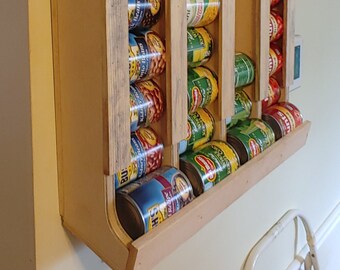
Credit: www.etsy.com
Types Of Can Organizers
Organizing cans in a pantry can be challenging without the right tools. Choosing the right can organizer helps keep things neat and easy to find. Different types of can organizers offer unique solutions for various storage needs.
Stackable Racks
Stackable racks are perfect for maximizing vertical space. They allow you to stack cans on top of each other securely. These racks are great for storing similar-sized cans. They help you see all your cans at a glance. Stackable racks are easy to set up and adjust.
Rotating Organizers
Rotating organizers make accessing cans simple. They spin, allowing you to reach any can without moving others. These organizers are ideal for small spaces. They help use every inch of your pantry efficiently. Rotating organizers can hold a variety of can sizes.
Tiered Shelves
Tiered shelves offer a stair-like structure for your cans. They make it easy to see each label clearly. These shelves are perfect for organizing a variety of cans. Tiered shelves fit easily into most pantry spaces. They provide a stable base for stacking cans.
Choosing The Right Organizer
Choosing the right food can organizer for your pantry maximizes space and keeps items accessible. Consider size, material, and design to match your needs. A well-organized pantry simplifies meal prep and reduces food waste.
Choosing the right food can organizer for your pantry can feel like a daunting task. With so many options available, how do you decide which one is perfect for your needs? Let’s break it down into key considerations: size and capacity, material durability, and design aesthetics.Size And Capacity
The first step is understanding the size and capacity you need. How many cans do you typically store, and do you have varying sizes? A compact organizer might suit a small pantry, while a larger one could maximize space for an extensive collection. Measure your pantry space before purchasing. This will ensure the organizer fits perfectly without wasting space. Imagine effortlessly reaching for a can of soup, knowing exactly where it is.Material Durability
Material matters because your organizer should stand the test of time. Metal organizers are sturdy and long-lasting, ideal for heavy use. Plastic options are lightweight and can be more budget-friendly. Consider how much weight your organizer will bear. My plastic organizer cracked under the weight of too many cans, teaching me the importance of choosing durable materials. Would a more robust option suit your pantry better?Design Aesthetics
Finally, the design should complement your pantry’s style. Do you prefer a sleek, modern look or a rustic, homely vibe? The right design enhances not just functionality but also the visual appeal. Some organizers come in a variety of colors and finishes. Imagine opening your pantry to a beautifully organized and visually pleasing setup. Does your current organizer make you feel this way? Choosing a food can organizer involves more than just picking the first one you see. By considering these factors, you can create a pantry that is both organized and delightful to use.
Credit: www.amazon.ca
Installation Tips
Installing a food can organizer in your pantry can maximize space. It also makes finding items easier. This guide provides tips to help you install your organizer efficiently.
Measuring Your Space
Start by measuring the pantry space where you’ll place the organizer. Use a tape measure for accuracy. Measure the height, width, and depth. Ensure the organizer fits comfortably in the chosen spot. Allow some extra space for easy access and movement. If your pantry has shelves, measure between them. This ensures the organizer fits without obstruction.
Proper Placement
Consider the weight and frequency of use when placing the organizer. Heavier cans should be lower for stability. Place frequently used items at an easy-to-reach height. Think about the pantry layout and traffic flow. Ensure the organizer doesn’t block access to other items. Leave enough room for opening and closing the pantry door.
Securing The Organizer
Once placed, secure the organizer to prevent tipping. Use brackets or screws if needed. Check the organizer’s stability by gently shaking it. Adjust until it feels secure. If your organizer has wheels, lock them in place. Regularly check the organizer’s stability as you add or remove cans.
Maintenance And Care
Regularly clean your food can organizer with a damp cloth to prevent dust buildup. Ensure cans are dry before placing them to avoid rust. Periodically check for any signs of wear and replace the organizer if necessary to maintain its functionality.
Maintaining your food can organizer ensures it remains a reliable pantry ally. With proper care, it can make your kitchen experience more efficient and enjoyable. Let’s explore how to keep your organizer in top condition.Cleaning Instructions
Regular cleaning is essential to keep your food can organizer both hygienic and visually appealing. Start by removing all cans and wiping down each shelf with a damp cloth. For stubborn stains, use a mild detergent mixed with water. Avoid harsh chemicals that could damage the material. Do you use your organizer frequently? If so, consider a deep clean once a month. This will prevent any buildup of dust or sticky residues.Regular Inventory Checks
Having a well-organized pantry isn’t just about neatness—it’s about knowing what you have. Regularly check your inventory to ensure older cans are used first. Consider setting a reminder on your phone to audit your pantry weekly or bi-weekly. This practice not only keeps your shelves tidy but also reduces food waste. Is there a can you forgot about in the back corner? An inventory check will help you spot it before it expires.Handling Overloaded Shelves
Overloading shelves can lead to a pantry disaster. Always check the weight limits of your organizer to prevent damage. Distribute can weight evenly across the shelves. If one section seems overloaded, rearrange the cans to balance the load. Have you ever heard that ominous creaking sound from your pantry? It might be a sign to reduce the load immediately.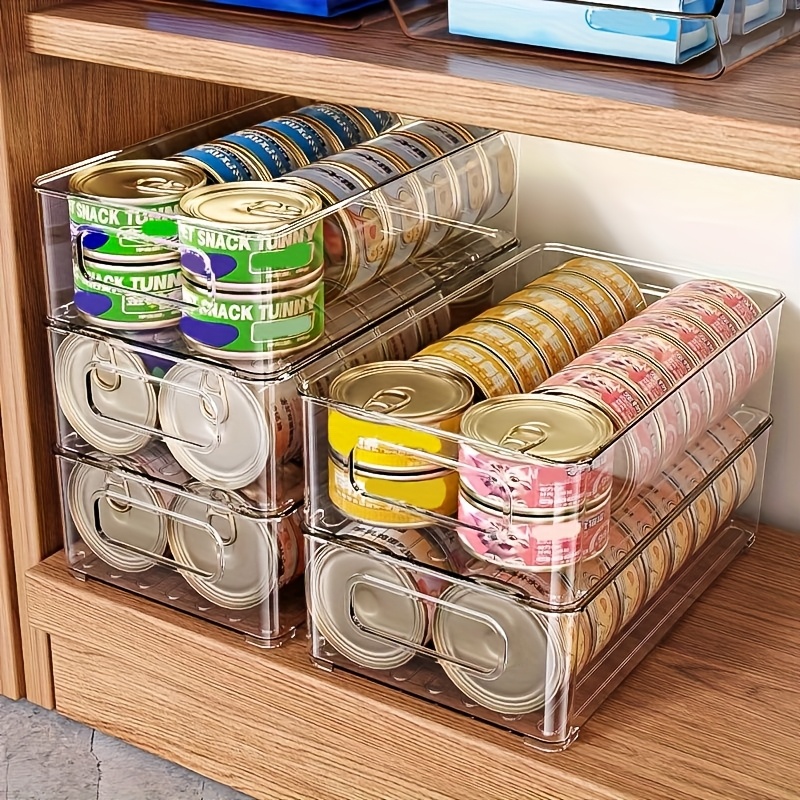
Credit: www.temu.com
Creative Organization Ideas
Organizing your pantry can be fun and easy with creative ideas. A food can organizer keeps everything tidy and accessible. It transforms your pantry into a well-ordered space. Let’s explore some innovative ways to organize your canned goods.
Labeling And Categorizing
Labels help you identify cans quickly. Use clear and large fonts for easy reading. Group similar items together for better access.
Consider categories like vegetables, fruits, and soups. Use color-coded labels for each category. This makes locating items a breeze.
Seasonal Rotation
Use a rotation system for seasonal items. Place winter cans in front during colder months. Move them to the back in summer.
This method keeps your pantry fresh and updated. It ensures nothing goes to waste.
Combining Different Organizers
Mix various organizers for a custom setup. Use shelves, racks, and baskets together.
Each type serves a unique purpose. Racks can hold more cans vertically. Baskets are great for smaller items.
Combining organizers maximizes your pantry space. It creates a personalized and efficient storage system.
Frequently Asked Questions
How To Organize Canned Goods In A Pantry?
Sort canned goods by type and label shelves for easy access. Place frequently used items at eye level. Organize by expiration date, with the oldest at the front. Use bins or racks for stacking. Ensure proper lighting to easily locate items.
How To Make Cans Look Good In The Pantry?
Arrange cans by category and size for a neat look. Use labels for easy identification. Utilize tiered shelves to maximize space. Keep frequently used items at eye level for convenience. Consider adding decorative baskets for a stylish touch.
How To Organize A Lot Of Cans?
Organize cans by grouping similar items together. Use shelves or racks for easy access. Label categories for quick identification. Rotate cans to use older ones first, ensuring freshness. Consider clear bins for visibility. Keep the area tidy to maximize space and efficiency.
What Are The 7 Pantry Zones?
The seven pantry zones include baking supplies, grains, canned goods, snacks, spices, breakfast items, and condiments. Organizing these zones enhances accessibility and efficiency. Properly labeled and arranged zones help maintain order, making meal preparation quicker and easier. Ensure each zone is neatly organized to optimize space and usability.
Conclusion
Organizing your pantry makes life easier. A food can organizer helps. It keeps cans tidy and easy to find. No more cluttered shelves. You save time and avoid stress. An organized pantry also reduces food waste. Everything is visible, so nothing gets forgotten.
Choosing the right organizer for your space is key. Consider size, material, and design. A well-organized pantry makes meal prep a breeze. Enjoy a neat and efficient kitchen. Start organizing today and see the difference. Your future self will thank you.
Happy organizing!

I’m Abby Lu, a passionate home cook who loves simplifying everyday meals. At PlugChef.com, I share product reviews and cooking guides to help you find the best tools for your kitchen.
Related posts:
 What Type of Cooking Utensils are Safe: Expert Picks
 What Innovations Could Blenders Make: Unleashing Future Tech
 Smart Strategies to Organize a Small Kitchen: Maximize Space
 How to Organize a Kitchen Cabinet: Expert Tips & Tricks
 How to Organize Kitchen Drawers: Expert Tips and Tricks
 How to Organize a Corner Kitchen Cupboard: Expert Tips

