
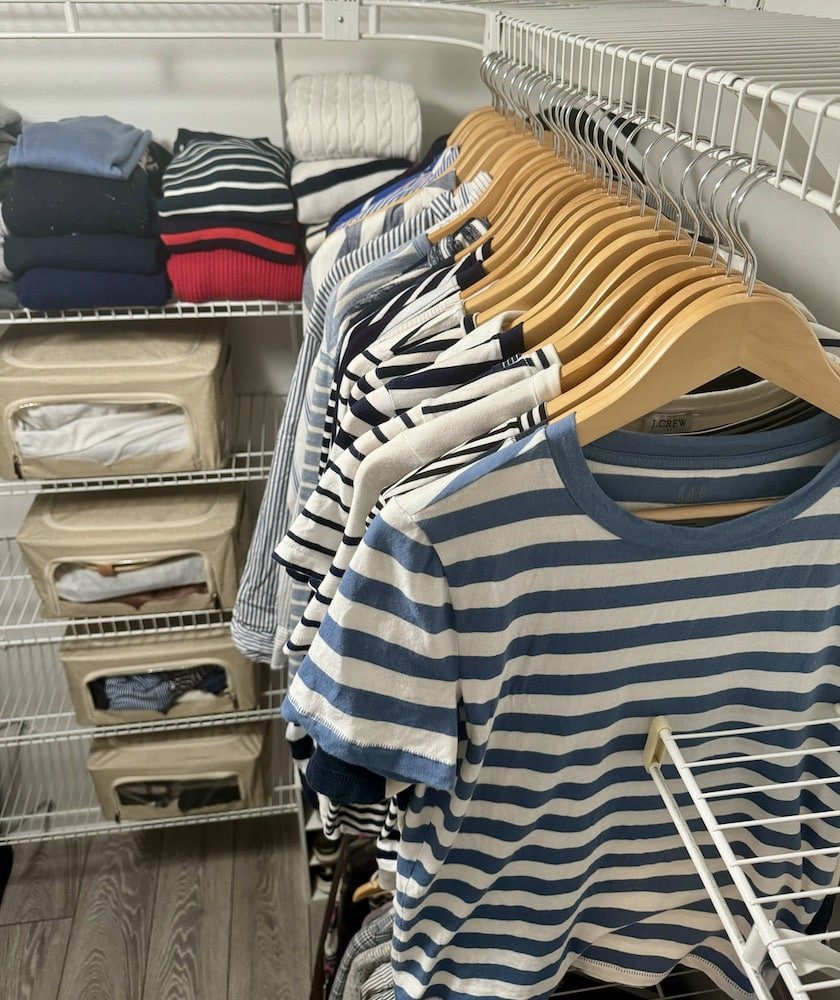
Do you find yourself spending precious minutes each morning searching through a messy shelf for that one piece of clothing? You’re not alone.
Organizing clothes on a shelf might seem like a daunting task, but it can actually transform your daily routine. Imagine opening your closet to find perfectly ordered shelves where everything is visible and within reach. Not only does this make getting ready a breeze, but it also brings a sense of calm to your space.
In this guide, you’ll discover simple, effective strategies to streamline your wardrobe and keep your clothes neat and tidy. Prepare to reclaim your shelves and enjoy the newfound ease that comes with a well-organized closet!
Assess Your Space
Organizing clothes on a shelf can transform your space, making it functional and visually appealing. Before you start arranging items, it’s essential to assess your space. Understanding the dimensions and characteristics of your shelves will guide you in making the most of them. Consider how your current setup is working—or not. This reflection can reveal opportunities for improvement that might have been overlooked.
Measure Your Shelves
Grab a tape measure and jot down the dimensions of your shelves. Knowing the width, depth, and height is crucial. It helps you determine what fits and how much space you have to play with. Are your shelves deep enough for bulky sweaters or just right for t-shirts?
Analyze Shelf Accessibility
Consider how easy it is to reach each shelf. Are some too high or too low? Accessibility affects how often you use certain clothes. If you find yourself stretching or bending excessively, it might be time to rearrange. Easy access can streamline your morning routine.
Identify The Purpose Of Each Shelf
Assign a purpose to each shelf. One for everyday wear, another for seasonal items, and another for special occasions. This categorization can help keep your clothes organized and prevent clutter. What do you want each shelf to achieve in your wardrobe setup?
Evaluate Shelf Condition
Check the condition of your shelves. Are they sturdy enough to hold heavier items? Is there any damage that needs fixing? A well-maintained shelf can support your organization goals and prevent mishaps. When was the last time you checked for wear and tear?
Consider Lighting
Lighting can influence how you perceive your organized space. Ensure your shelves are well-lit to easily identify items. Natural light or strategically placed lamps can enhance visibility and ambiance. Does poor lighting make it hard to find your favorite sweater?
- Measure dimensions to plan for space.
- Check accessibility for ease of use.
- Define the purpose for clear organization.
- Inspect shelf condition to prevent issues.
- Ensure good lighting for better visibility.
By assessing these aspects, you lay the groundwork for effective organization. Your space becomes a reflection of your lifestyle, helping you start each day with ease and confidence.
Categorize Your Clothes
Organizing clothes on a shelf can create a tidy and stress-free space. By categorizing clothes, you make finding what you need faster and easier. Sorting clothes helps keep your wardrobe neat. Let’s explore two methods for categorizing your clothes effectively.
Seasonal Sorting
Start by dividing clothes based on seasons. This method makes sense for those with limited space. Store winter clothes during summer and vice versa. It keeps your shelf less crowded. Use clear bins or labeled boxes. Stack them neatly on a top shelf. Rotate them as seasons change. This way, you always know where your seasonal clothes are.
By Clothing Type
Group clothes by type for easy access. Separate shirts, pants, and dresses. Use dividers to separate each category. This keeps everything in its place. Fold clothes neatly to save space. Consider color-coding if you have many items. It makes picking outfits quicker. This method adds structure to your shelf organization.
Choose Suitable Storage Solutions
Organizing clothes on a shelf can be a rewarding task when you choose the right storage solutions. The right tools not only maximize space but also make it easier to find what you need. This guide will help you select storage solutions that work best for your needs and style.
Baskets And Bins
Baskets and bins are perfect for storing everything from sweaters to small accessories. They keep your items contained and prevent them from toppling over. Look for ones that fit your shelf dimensions to avoid wasted space.
Consider clear bins for easy visibility, or fabric baskets for a more stylish look. You can label them for quick identification. What do you prefer, aesthetics or functionality?
Once, I struggled with misplaced scarves until I started using a dedicated basket. Now, everything is in one place, and I no longer waste time searching.
Shelf Dividers
Shelf dividers are a game-changer for keeping stacks of clothes neat and tidy. They help separate different categories, like jeans from shirts, making it visually appealing and organized.
Adjustable dividers can be tailored to your shelf size, offering flexibility. You can even use them to create smaller compartments for items like bags or hats.
Imagine opening your closet to see perfectly divided sections. It’s not just about aesthetics—it’s about peace of mind knowing everything has its place.
Folding Techniques
Folding clothes might seem like a mundane task, but mastering a few key techniques can transform your closet into a well-organized sanctuary. Imagine opening your wardrobe and being greeted by neatly arranged stacks and files, each piece of clothing easily accessible. Not only does this make your daily routine smoother, it also extends the life of your clothes by minimizing wrinkles and wear. Let’s dive into some practical and efficient folding techniques that can revolutionize your shelving space.
File Folding
File folding is a game-changer for anyone seeking a neat and organized shelf. This method allows you to store clothes vertically, much like files in a cabinet. It maximizes space and lets you see all your options at a glance.
- Take a shirt, lay it flat, and fold it into thirds lengthwise.
- Fold it again into a rectangle, ensuring it stands upright on the shelf.
- Use this technique for t-shirts, pants, and even towels to maintain a tidy look.
Try file folding with your favorite t-shirts and notice how much easier it is to pick out an outfit. This approach can make your mornings more efficient and less stressful.
Stacking Methods
Stacking clothes is a traditional method, but with a twist, it can become a highly effective strategy for organizing shelves. Instead of piling clothes one on top of the other, consider stacking clothes based on category or frequency of use.
- Place heavier items like jeans or sweaters at the bottom to create a sturdy base.
- Layer lighter items, such as t-shirts or shorts, on top for easier access.
- Sort by color or type to add a visual appeal to your shelf.
Think about the last time you rummaged through a stack of clothes looking for a specific item. With a little strategic stacking, you can save time and keep your shelf looking impeccable.
Have you ever wondered how a simple change in folding technique can make a big difference in your daily routine? Try these methods and see the transformation for yourself. Your closet might just become your favorite part of the house.
Utilize Vertical Space
Maximizing vertical space is a game-changer when organizing clothes on a shelf. If you’ve ever felt that your shelves were overflowing, it might just be that you haven’t tapped into the full potential of your vertical space. Using simple tools and creative ideas, you can transform your shelving into a highly efficient storage area.
Use Of Risers
Risers are a fantastic way to increase vertical storage on your shelves. They help you create levels, making it easier to stack clothes without them toppling over. Consider using risers to separate different types of clothing, like t-shirts and sweaters. This not only keeps your items organized but also makes them more accessible. Have you ever tried using risers for your shoes? They can keep pairs neatly aligned, preventing a chaotic pile-up.
Hanging Options
Hanging items might seem like a closet-only tactic, but shelves can benefit too. Attach hooks to the underside of your shelves and hang accessories like scarves and belts. This method saves shelf space while keeping your accessories visible. Think about hanging lighter items or even decorative baskets to hold smaller clothing pieces. What creative hanging solutions can you dream up to keep your shelves tidy?

Credit: www.allinstripes.com
Label For Easy Access
Organizing clothes on a shelf can be challenging without labels. Labels make it simple to find what you need quickly. They help maintain order and save time. With labels, you can easily access your clothes without rummaging. This method keeps your wardrobe tidy and efficient. Let’s explore different types of labels and color coding strategies.
Types Of Labels
Labels come in many forms to suit various needs. You can choose from adhesive labels, clip-on tags, or custom-made options. Adhesive labels stick directly onto shelves. Clip-on tags are versatile and removable. Custom labels offer a personal touch with designs. Each type has its benefits. Consider your shelf material and personal preference.
Color Coding
Color coding adds visual aid to organization. Use different colors for types of clothes. For instance, blue for jeans, red for shirts. This method enhances quick identification. It simplifies finding specific items. Bright colors are easy to spot. Pick colors that make sense to you. Use color-coded labels or markers for clarity. Organize by season or occasion for added efficiency.
Maintain Your Organization
Organize clothes on a shelf by sorting them by type and color. Use dividers to keep stacks neat. Fold items uniformly for a tidy look.
Maintaining the organization of clothes on a shelf is essential for a neat space. Proper maintenance ensures that your efforts in organizing do not go to waste. A well-organized shelf saves time and makes choosing outfits a breeze. Let’s explore how regular cleaning and seasonal rotation can help keep your clothes tidy.Regular Cleaning
Dust and dirt accumulate over time. Regular cleaning keeps your shelves looking fresh. Wipe down shelves with a damp cloth weekly. This prevents dust build-up on your clothes. Check for any stains or damage on clothing. Address issues immediately to preserve garment quality. Refresh folded clothes by shaking them out. This helps maintain their shape and appearance.Seasonal Rotation
As seasons change, rotate your clothing. Keep current season clothes easily accessible. Store out-of-season items in bins or boxes. Label storage containers for easy identification. Use vacuum-sealed bags for bulky items like sweaters. This saves space and protects clothing. Review clothes during rotation for wear or damage. Donate or discard items you no longer use.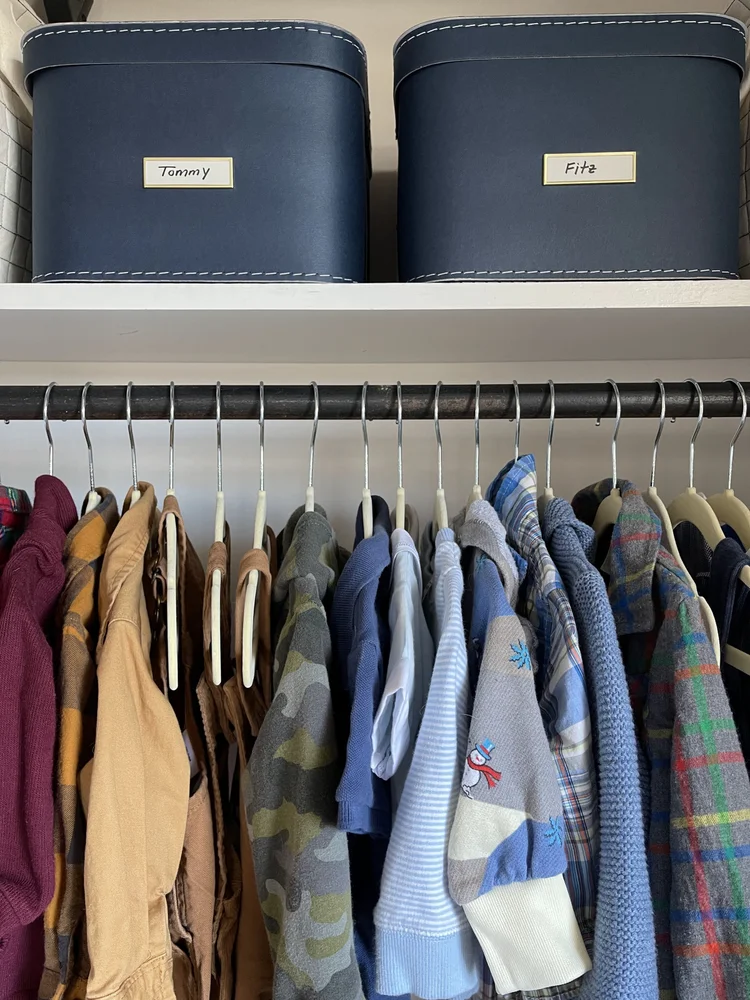
Credit: www.organize-nashville.com

Credit: www.instagram.com
Frequently Asked Questions
How To Arrange Clothes In A Shelf?
Sort clothes by type and frequency of use. Fold neatly to save space. Stack heavier items at the bottom. Use dividers for organization. Label sections for easy access.
How To Organize Clothes On Deep Shelves?
Use shelf dividers to separate different clothing types. Stack clothes vertically to maximize space. Place frequently used items at the front. Utilize baskets or bins for small items. Label sections for easy access and organization.
What Is The Most Efficient Way To Organize Clothes?
Sort clothes by type and color for easy access. Use labeled bins for seasonal items. Hang frequently worn clothes. Fold and stack neatly in drawers. Utilize vertical space with shelves or hooks. Regularly declutter and donate unworn items. Keep the organization simple and consistent for efficiency.
What Clothes To Put On Shelves?
Fold sweaters, t-shirts, and jeans neatly on shelves for easy access. Organize by color or category for efficiency. Store seasonal items like scarves and hats together. Use dividers to maintain order and maximize space. Keep frequently worn clothes at eye level for convenience.
Conclusion
Organizing clothes on a shelf can simplify your daily routine. Start by grouping similar items together. Shirts with shirts. Pants with pants. Use boxes or bins for smaller items. Socks and accessories fit well here. Roll or fold clothes to save space.
It keeps everything neat. Label shelves or boxes for easy finding. This helps avoid clutter. A tidy shelf means less stress. You find what you need faster. Enjoy the extra time saved. And the peace of mind. Happy organizing!

I’m Abby Lu, a passionate home cook who loves simplifying everyday meals. At PlugChef.com, I share product reviews and cooking guides to help you find the best tools for your kitchen.
Related posts:
 What Type of Cooking Utensils are Safe: Expert Picks
 What Innovations Could Blenders Make: Unleashing Future Tech
 Smart Strategies to Organize a Small Kitchen: Maximize Space
 How to Organize a Kitchen Cabinet: Expert Tips & Tricks
 How to Organize Kitchen Drawers: Expert Tips and Tricks
 How to Organize a Corner Kitchen Cupboard: Expert Tips

