
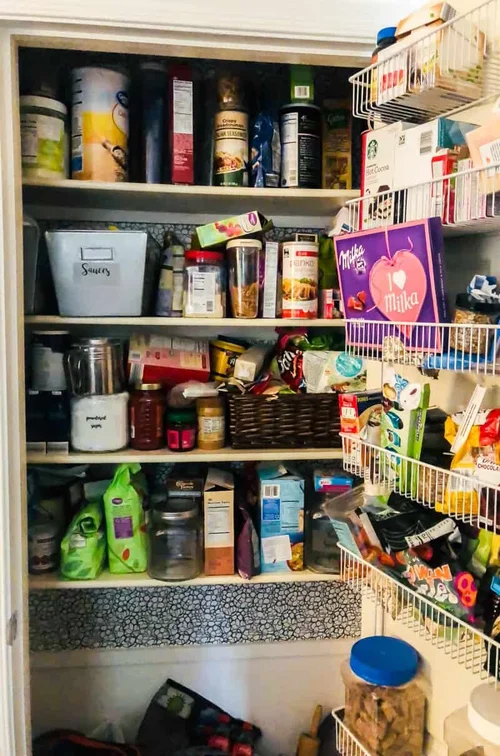
Are you tired of wrestling with cluttered pantry shelves, where finding a can of soup feels like a treasure hunt? If your pantry is a chaotic mess, especially with those deep shelves that seem to swallow everything whole, you’re not alone.
Organizing a pantry with deep shelves can be a daunting task, but it doesn’t have to be. Imagine opening your pantry and instantly finding what you need without the frustration. Sounds like a dream, right? You’ll discover simple strategies to transform your pantry into a neat and efficient space.
With a few clever tricks, you can maximize every inch of those deep shelves and keep everything within easy reach. Ready to turn pantry chaos into harmony? Let’s dive in and make your pantry work for you.
Assessing Pantry Needs
Assessing pantry needs involves understanding what items are essential. Deep shelves require smart organization to maximize space. Group similar items and use bins for smaller products.
Organizing a pantry with deep shelves can be a rewarding challenge. The key to success lies in understanding your pantry needs. Before jumping into arranging cans and jars, take a moment to evaluate what your pantry should hold. Are you a fan of bulk shopping, or do you prefer fresh weekly buys? Do you store a variety of spices or just the basics? These questions will guide your approach, ensuring your pantry serves you efficiently.Understanding Storage Requirements
Start by taking stock of what you regularly use. Make a list of staple items you always have on hand. Do you need space for large cereal boxes or just a few small jars? This will help in deciding the type of storage containers you might need.Identifying Frequency Of Use
Consider how often you access certain items. If your favorite snacks or daily breakfast items are buried at the back, it’s time for a change. Keep frequently used items at the front or at eye level for easy access.Evaluating Pantry Size
Deep shelves offer ample space, but they can also lead to hidden clutter. Measure your shelves and think about how you can maximize space without losing visibility. This might mean using stackable bins or tiered shelving.Assessing Inventory Fluctuations
Your pantry inventory will change over time, particularly during holidays or after a big shopping haul. Consider flexible solutions like adjustable shelves or temporary storage bins that can be added or removed based on your needs.Considering Dietary Needs
Your pantry should reflect your dietary habits. Are you gluten-free or vegan? Ensure dedicated space for specialty items. This can prevent them from getting lost among other foodstuffs.Reflecting On Your Cooking Habits
Think about how you cook. Do you often try new recipes or stick to family favorites? This will influence the variety and amount of ingredients you need easy access to. Your pantry should be a reflection of your culinary style. By assessing your pantry needs in detail, you set the stage for a functional, organized space that complements your lifestyle. How do you envision your ideal pantry setup?Clearing And Cleaning
Organize deep pantry shelves by grouping similar items together for easy access. Use clear bins to see contents quickly. Label everything to keep it neat and tidy.
Clearing and cleaning deep pantry shelves can transform your kitchen space. A clutter-free pantry is easier to use and saves time during meal preparation. Begin by emptying each shelf to see what you have. This process will reveal expired items and duplicates. Emptying shelves completely is crucial. It allows you to assess the items you have. You might find things you’ve forgotten. After clearing, cleaning is the next step. Deep shelves often collect dust and spills. Use a damp cloth with mild detergent to wipe surfaces. Ensure shelves are dry before restocking. Organizing deep shelves requires patience but the results are rewarding. It brings clarity and ease to your kitchen routines.Clearing Out The Pantry
Remove all items from the shelves. Place them on the counter or table. This helps you see everything clearly. Check expiration dates and dispose of expired items. Group similar items together.Cleaning Deep Shelves
Wipe down the shelves using a damp cloth. Use mild detergent to remove stains. Dry each shelf thoroughly. Ensure no moisture is left behind.Assessing And Categorizing
Sort items by category. Group canned goods, dry foods, and snacks separately. Use baskets or bins for small items.Maximizing Shelf Space
Consider using shelf organizers. They help stack items neatly. Use adjustable racks to create different levels.Restocking Thoughtfully
Place frequently used items at eye level. Store less-used items at the back. This makes access easier.Maintaining Order
Regularly check for expired items. Keep the pantry organized by returning items to their place. This saves time and keeps the pantry tidy.Categorizing Items
Organizing a pantry with deep shelves can be simplified by categorizing items. Group similar products together for easier access. Use bins or baskets to hold smaller items, preventing them from getting lost.
Organizing a pantry with deep shelves can be both a blessing and a challenge. The key to maximizing this space lies in effective categorization. By grouping items efficiently, you can access everything you need without the hassle of digging through cluttered shelves. This approach not only saves time but also reduces food waste by ensuring you use what you have. Let’s dive into how you can categorize your pantry items for optimal organization.Food Categories
Sorting food into categories is a game changer. Start with basic groups such as grains, canned goods, snacks, and baking supplies. Place frequently used items in front and less used ones at the back. Consider using clear containers for items like pasta or cereal to quickly see when you’re running low. A lazy Susan can be a great addition for deep shelves. It allows easy access to condiments and spices, preventing them from getting lost in the back. Labeling shelves or containers can also be a helpful reminder of where everything belongs.Non-food Items
Pantries often become a catch-all for non-food items. Cleaning supplies, paper towels, and reusable bags often find their way in. Group these items separately from food to maintain order. Use baskets or bins to contain non-food items. This keeps them from spreading across your pantry shelves. If space allows, designate a specific shelf or section for these items to keep your pantry looking neat. Have you ever considered hanging storage on the inside of the pantry door? It’s perfect for storing small items like garbage bags or light bulbs. This not only saves shelf space but also makes these items easier to find. By thoughtfully categorizing both food and non-food items, you can transform your pantry into an organized and efficient space. What strategies will you try first?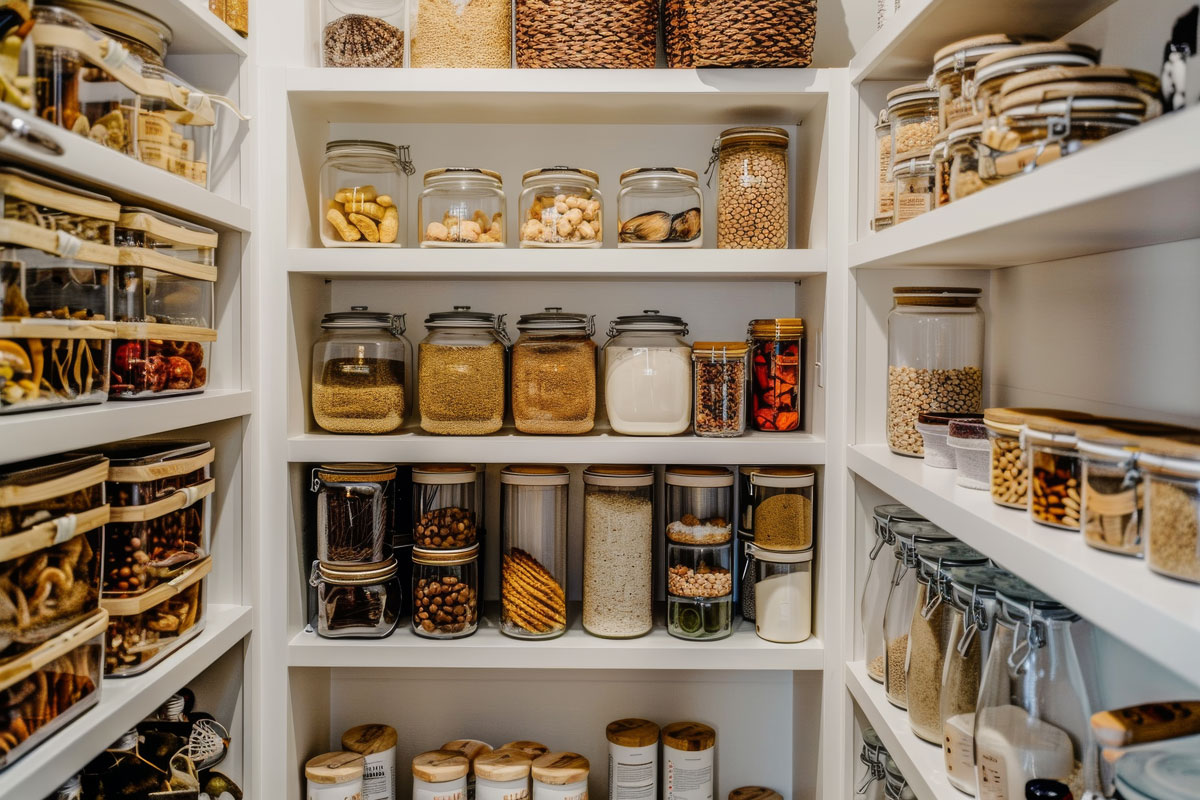
Credit: www.afreshspace.com
Utilizing Storage Solutions
Organize a pantry with deep shelves by using clear bins and stackable containers. Label each for easy access and visibility. Store frequently used items at the front and group similar items together for efficient space utilization.
Utilizing storage solutions can transform deep pantry shelves into a more organized space. These solutions maximize space and make it easier to find items. By incorporating smart storage options, you can keep your pantry tidy. Here are some effective methods to utilize deep shelves efficiently.Bins And Baskets
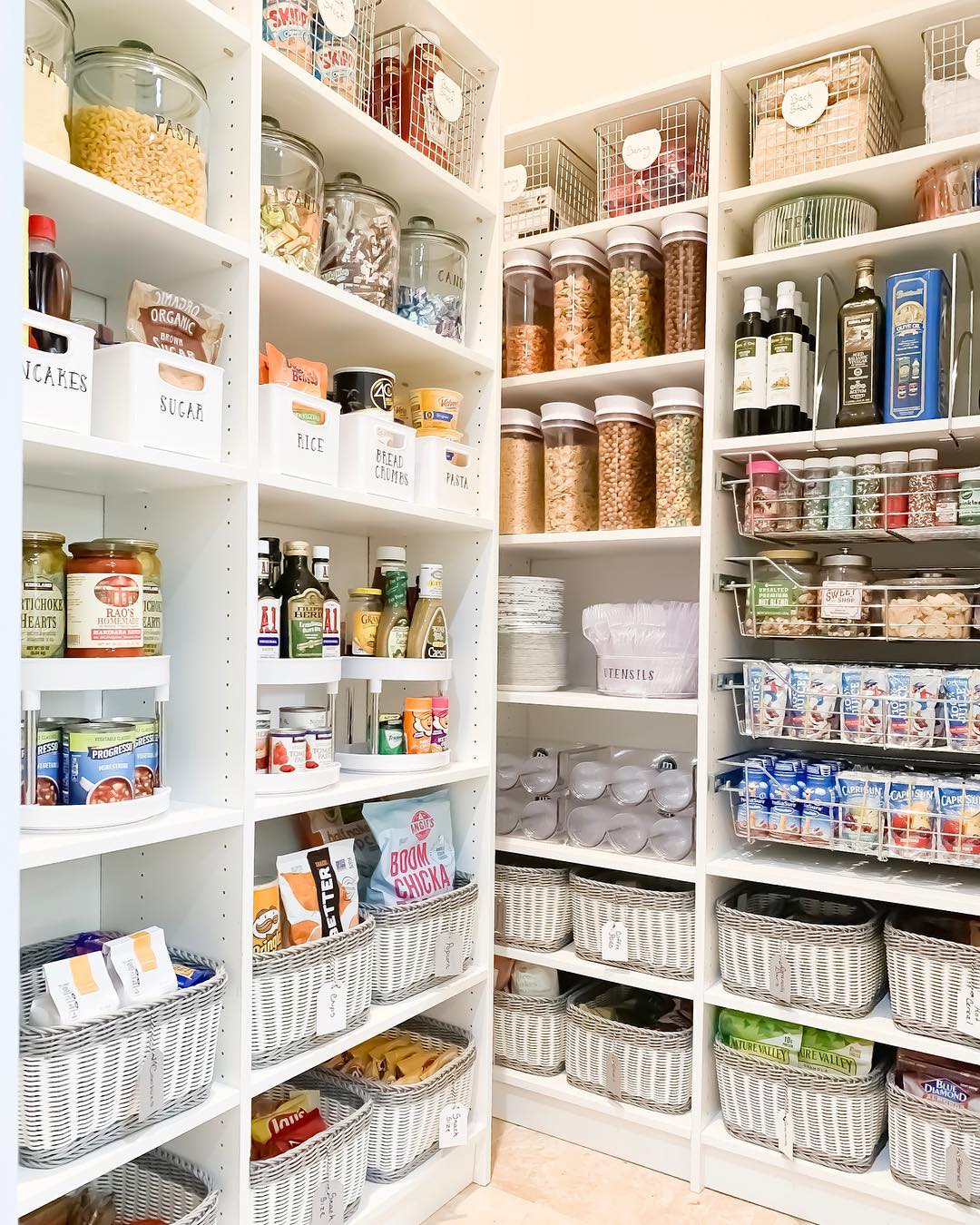
Bins and baskets are great for grouping similar items. Use them to store snacks, canned goods, or baking supplies. Label each bin for quick identification. Stackable bins offer flexibility and save space. Choose clear bins to see contents easily. This prevents unnecessary rummaging. Baskets with handles make access simple. Pull out the entire basket to reach items at the back.Lazy Susans
Lazy Susans are ideal for deep pantry corners. They allow you to spin items for easy access. Place jars, condiments, and spices on them. Select a size that fits your shelf space. A two-tiered Lazy Susan maximizes vertical storage. They eliminate the need to reach over items. This saves time and effort.Shelf Risers
Shelf risers create additional layers of storage. They lift items, making them visible and reachable. Use risers for plates, bowls, or canned goods. They help utilize vertical space effectively. Risers prevent stacking items too high. This reduces the risk of items falling. Choose sturdy risers to support heavier items.Labeling And Inventory
Maximize pantry space by labeling items clearly and arranging them by category. Use deep shelves to store bulk goods. Regular inventory checks help maintain order and reduce waste.
Organizing a pantry with deep shelves can be challenging. Labeling and inventory are key to keeping it tidy. Labels help you find items quickly. Inventory helps you know what you have. Both save time and reduce waste.Effective Labeling
Use clear, simple labels for each item. Avoid fancy fonts. They can be hard to read. Consider using waterproof labels. Spills happen often in pantries. Place labels on the front of containers. This makes them easy to see. Color-code your labels for different categories. For example, red for spices, blue for grains. This adds an extra layer of organization.Tracking Inventory
Keep an inventory list of your pantry items. Use a notebook or a digital app. Update it every time you add or remove items. This helps you know what you need to buy. It also prevents buying duplicates. Group similar items together on your shelves. This makes it easier to track them. For example, keep all canned goods on one shelf. You can also note expiration dates in your inventory. This ensures you use items before they expire.Maximizing Vertical Space
Deep shelves in a pantry benefit from maximizing vertical space. Use stackable bins and tiered organizers to keep items visible and accessible. Adjust shelf heights to accommodate taller containers, creating a neat and efficient storage system.
Maximizing Vertical Space Having a pantry with deep shelves can be a blessing, but it often leads to wasted vertical space. Many items disappear into the depths, never to be seen again. The key to an organized pantry is to think vertically. Imagine transforming your pantry into a space where everything is easily accessible and visible. It’s possible with the right strategies.Stackable Containers
Stackable containers are your best friends in a deep-shelved pantry. They help you utilize every inch of vertical space effectively. Consider transparent containers so you can see the contents at a glance. Think about adding labels to each container. You’ll never waste time searching for that elusive jar of pasta sauce. Stackable containers make it easy to keep similar items together. Suddenly, your pantry feels twice as large, and everything has its place.Hanging Storage
Have you ever thought about using the back of your pantry door? Hanging storage solutions can maximize vertical space without cluttering shelves. Hooks or racks can hold lighter items like spices or snacks, freeing up shelf space for heavier goods. Imagine opening your pantry and finding everything from spices to snacks neatly organized. It’s not just practical; it’s a daily convenience. Hanging storage options are versatile and can adapt to your pantry’s unique needs. What creative solutions can you come up with for your own space?Maintaining Organization
Keeping a pantry with deep shelves organized requires ongoing effort. Without regular upkeep, items can easily get lost or expire. By following a few simple steps, you can maintain order and efficiency in your pantry.
Regular Cleaning
Regular cleaning is crucial for a tidy pantry. Wipe shelves with a damp cloth to remove dust and spills. Check for expired items and dispose of them. This prevents clutter and ensures freshness.
Organize items by category after cleaning. Group similar items together for easy access. This saves time when preparing meals and makes shopping lists easier to create.
Revisiting Inventory
Revisit your pantry inventory often. This helps track what you have and what you need. Keep a simple list of items you frequently use. Update it as you consume or purchase more.
Consider using clear containers for dry goods. Labels can help identify contents at a glance. This minimizes the chance of buying duplicates and saves space on your shelves.
Credit: www.extraspace.com

Credit: www.yahoo.com
Frequently Asked Questions
How To Fix A Pantry That Is Too Deep?
Install sliding shelves for easy access. Use clear containers to maximize visibility. Add a step stool for reach. Consider a pull-out pantry organizer to optimize space. Label items for quick identification.
How Deep Can Pantry Shelves Be?
Pantry shelves typically range from 12 to 24 inches deep. This depth accommodates most storage needs efficiently. For easy access to items, consider adjustable or pull-out shelves. Ensure the depth suits your pantry space and organizational requirements.
What To Do With Cabinets That Are Too Deep?
Use pull-out shelves or baskets to maximize space. Install cabinet organizers for easy access. Store rarely used items at the back. Consider adding lighting for better visibility. Adjust shelves to better fit items, or use stackable bins to optimize storage efficiency.
How To Organize Cans In A Deep Pantry?
Organize cans by grouping similar items together. Use tiered shelves or risers for visibility. Place labels for easy identification. Rotate cans, moving older ones to the front. Consider using clear bins or lazy susans for accessibility and efficient use of space.
Conclusion
Organizing a pantry with deep shelves can be simple. Keep items visible. Use baskets for smaller items. Label everything clearly. Use risers for cans and jars. Store heavier items on lower shelves. Create zones for different food types. Regularly check and clean your pantry.
This prevents clutter and waste. Deep shelves offer more space, but need careful planning. Keep it tidy, and enjoy easy access to your essentials. A well-organized pantry saves time and reduces stress. Make your pantry a place you enjoy visiting.
Happy organizing!

I’m Abby Lu, a passionate home cook who loves simplifying everyday meals. At PlugChef.com, I share product reviews and cooking guides to help you find the best tools for your kitchen.
Related posts:
 What Type of Cooking Utensils are Safe: Expert Picks
 What Innovations Could Blenders Make: Unleashing Future Tech
 Smart Strategies to Organize a Small Kitchen: Maximize Space
 How to Organize a Kitchen Cabinet: Expert Tips & Tricks
 How to Organize Kitchen Drawers: Expert Tips and Tricks
 How to Organize a Corner Kitchen Cupboard: Expert Tips

