
Are you frustrated with the chaos lurking in your pantry’s deep shelves? You’re not alone.
Many of us find it challenging to keep those deep, mysterious spaces organized. Yet, a well-organized pantry can transform your cooking experience, save you time, and reduce waste. Imagine effortlessly finding that can of beans or the perfect spice when you need it most.
This isn’t just about tidying up; it’s about creating a kitchen that works for you. In this guide, you’ll discover practical, straightforward tips to tame those unruly deep shelves and make your pantry a model of efficiency. Ready to unlock the potential of your pantry? Let’s dive in and turn clutter into calm.
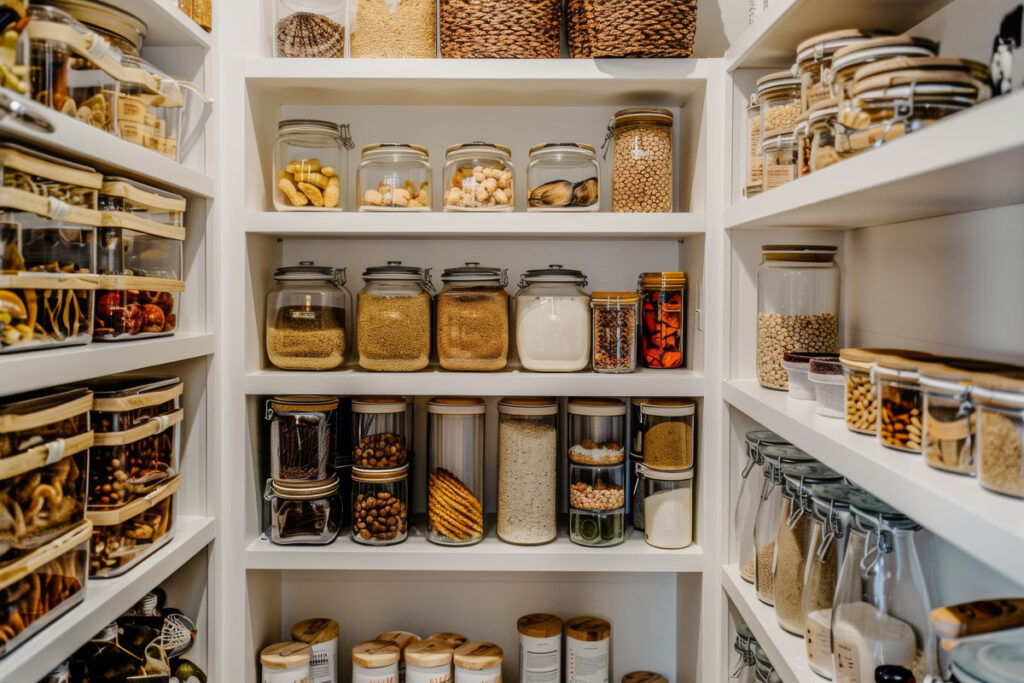
Credit: www.afreshspace.com
Assessing Your Pantry Space
Organizing a pantry with deep shelves can feel like a daunting task. However, it all begins with assessing your pantry space effectively. Understanding the dimensions and identifying your storage needs will help you transform cluttered chaos into a streamlined haven. Let’s dive into the essential steps to get started.
Measure Shelf Dimensions
Start by measuring the depth, width, and height of each shelf. Accurate dimensions are crucial for selecting appropriate storage solutions. Use a measuring tape and jot down the numbers. Ensure you measure from the back wall to the front edge of the shelf to capture the full depth.
Consider using a laser measure for precise readings if your shelves are hard to access. Have you ever bought containers only to find they don’t fit? This step prevents such mishaps. Keep your measurements handy, perhaps on a note in your phone, for when you’re shopping for organizers.
Identify Storage Needs
Now, assess what you need to store. Look at the types of items you have: canned goods, cereal boxes, baking supplies, or snacks. Do you have more of one category than another? This insight helps you prioritize space allocation.
Think about the frequency of use—items used daily should be easily accessible. Consider categorizing items by type or usage frequency. Have you noticed certain items getting lost in the back? Identifying storage needs can prevent this common issue.
Ask yourself: Could clear bins or tiered shelves help? This step helps you envision solutions that improve visibility and access. Remember, organizing is not just about fitting everything in; it’s about making your pantry work for you.
Choosing Storage Solutions
Maximize deep pantry shelves by using bins and baskets to group similar items. Consider adding shelf dividers for better visibility and access.
Choosing the right storage solutions for a pantry with deep shelves is essential. These solutions help in maximizing space and maintaining order. With various options available, finding the perfect fit for your needs becomes easier. Each option offers unique advantages, making organization simple and efficient.Bins And Baskets
Bins and baskets are versatile storage choices. They come in different sizes and materials. Use them to group similar items together. This makes it easy to locate things. Opt for stackable bins to save space. Label them for quick identification. Wicker baskets add a rustic touch. Plastic bins are durable and easy to clean. For bulk items, choose larger bins. They keep everything contained and tidy.Lazy Susans
Lazy Susans are ideal for deep shelves. They provide easy access to items. Place them in corners or the back of shelves. Spin them to reach what’s stored behind. Use them for cans, jars, or spices. They prevent items from getting lost. Choose ones with raised edges to keep things secure. They are available in different sizes. Find one that fits your space perfectly.Clear Containers
Clear containers offer visibility and organization. They are perfect for storing dry goods. You can see contents without opening them. This saves time during meal prep. Use them for pasta, grains, or snacks. Airtight lids keep food fresh longer. Stack them for efficient use of space. Choose uniform sizes for a neat look. Label them for easy identification. This ensures everything has its place.Categorizing Pantry Items
Organize deep pantry shelves by grouping similar items together. Use bins or baskets to keep smaller items in check. Label everything clearly for easy access and quick finding.
Organizing a pantry with deep shelves can be a rewarding task when you master the art of categorizing pantry items. It not only makes finding what you need easier but also helps in keeping your food fresh and preventing waste. By thoughtfully grouping and labeling your pantry items, you create a system that is both functional and visually appealing. Imagine opening your pantry to find everything you need at a glance—let’s make that a reality.Grouping Similar Products
Start by sorting your pantry items into categories. Consider grouping similar items together, such as canned goods, baking supplies, and snacks. This helps you quickly identify what you have and what you might need to restock. Use clear containers or baskets to hold grouped items. This keeps small products from getting lost in the back of deep shelves. Stackable containers can maximize vertical space, ensuring you make the most out of every inch. As you organize, think about how often you use each item. Place frequently used categories at eye level for easy access. Less commonly used items can be stored on higher or lower shelves.Labeling Techniques
Labels are key to maintaining an organized pantry. Use a label maker or simple adhesive labels to clearly mark each container or section. A consistent labeling style adds a neat, uniform look. Consider using color-coded labels for different categories. This adds a visual cue that makes finding items even faster. For instance, green labels for snacks, blue for baking supplies, and red for canned goods. If you share your pantry with family or roommates, labels ensure everyone knows where things belong. This encourages everyone to keep the pantry tidy and organized. What creative labeling ideas have you tried in your pantry? Share your thoughts and inspire others to take their pantry organization to the next level.Maximizing Vertical Space
Maximizing vertical space in a pantry with deep shelves involves strategic stacking and using risers. Baskets and bins help categorize items efficiently, while lazy Susans provide easy access to hard-to-reach areas.
Maximizing vertical space in a pantry with deep shelves can transform your storage experience. Tall shelves often create wasted space, leaving room for clutter. Utilize every inch to keep items accessible and organized. With clever solutions, you can store more without losing items in the back.Stackable Shelves
Stackable shelves are a simple solution for deep pantries. They help create layers, offering extra storage without permanent fixtures. You can easily adjust them to fit your needs. Stack plates, cans, and boxes in neat rows. This ensures everything is visible and reachable. Choose sturdy materials for weight distribution. Stackable shelves save space and reduce clutter.Door Organizers
Door organizers maximize unused space. They provide easy access to frequently used items. Hang baskets or racks on the inside of pantry doors. Use them for spices, snacks, or cleaning supplies. These organizers keep small items in view. For heavier items, ensure the door can support the weight. Door organizers free up shelf space and keep essentials handy.Implementing Rotation Systems
Implementing rotation systems can streamline pantry organization with deep shelves. Place newer items behind older ones for easy access and freshness. Regular checks ensure items are used before expiration, optimizing space and reducing waste.
Organizing a pantry with deep shelves can feel like a daunting task, but implementing a rotation system can make it efficient and hassle-free. A well-organized pantry not only saves time but also minimizes food waste. By keeping track of what you have and ensuring items are used before they expire, you maintain a well-stocked, functional pantry. Let’s explore some practical rotation systems that can transform your pantry into a model of efficiency.First In, First Out Method
The First In, First Out (FIFO) method is a straightforward system to ensure older items are used before newer ones. Place newly purchased items at the back of your shelves. This way, older products remain at the front, ready to be used next. Imagine reaching for that can of soup you bought months ago and realizing it’s still good to go. This method keeps your pantry fresh and prevents those forgotten cans from gathering dust.Expiration Date Tracking
Tracking expiration dates is crucial in managing your pantry effectively. Consider sticking labels on your items with their expiration dates clearly marked. You could also maintain a simple list on your phone, making it easy to track what’s nearing its use-by date. Implementing a simple check at the start of each month can be a game-changer. It ensures you consume items before they spoil, keeping your pantry efficient and your meals delicious. How do you keep track of your pantry items? Does your current system work for you, or could it use a refresh? Embracing these rotation systems might be just the change you need.Maintaining Pantry Organization
Organizing a pantry with deep shelves requires strategic placement of items for easy access. Use clear bins to group similar products together. Label each bin clearly to identify contents quickly.
Maintaining pantry organization ensures easy access and maximizes storage efficiency. Deep shelves can quickly become chaotic without a plan. Consistent upkeep is key to preserving order and making the most of your pantry space.Regular Clean-ups
Regular clean-ups prevent clutter and maintain the pantry’s functionality. Schedule a monthly review to discard expired or unused items. Wipe down shelves to remove dust and crumbs. This practice keeps your pantry fresh and inviting. Label containers to streamline the cleaning process. Clear labels help identify contents at a glance. This reduces the time spent searching through items. Regular clean-ups foster a tidier, more efficient pantry.Seasonal Adjustments
Adjust your pantry according to the seasons. During summer, prioritize light meals and refreshing drinks. In winter, stock up on hearty soups and warm beverages. Seasonal adjustments ensure the pantry meets your current needs. Rotate items based on seasonal preferences. Place seasonal items in accessible spots. This method saves time and reduces frustration. Seasonal adjustments keep your pantry dynamic and adaptable.Safety And Accessibility
Deep shelves can be tricky to organize, but safety and accessibility are key. Arrange items by size, placing heavier items at the bottom and frequently used items at the front. Use bins or baskets to group similar items, ensuring easy access without the risk of toppling.
Organizing a pantry with deep shelves can be a game-changer for your kitchen efficiency, but it requires careful planning to ensure safety and accessibility. It’s crucial to store items in a way that prevents accidents and makes it easy to find what you need. With some thoughtful arrangement, you can transform your pantry into a safe and accessible space.Heavy Item Placement
Placing heavy items on lower shelves is a practical strategy for safety. This reduces the risk of accidents from items falling off high shelves. Imagine reaching for a large bag of flour stored overhead; it’s not just inconvenient, but potentially dangerous. Organizing heavy items at waist or lower levels ensures that lifting them is less strenuous. You might consider using the bottom shelves for things like canned goods, bags of flour, or large bottles. This setup not only minimizes the chance of accidents but also makes these items more accessible for frequent use.Child-safe Arrangements
If you have children, their safety in the kitchen is a priority. Consider which items should be out of reach to prevent accidents. Cleaning supplies, glass jars, or any sharp tools should be placed on higher shelves. Incorporating child-safe locks on lower cabinets can add an extra layer of security. Alternatively, reserve the lower shelves for non-hazardous items, like cereal boxes or snack containers, which children can access safely. This approach not only keeps your pantry organized but also gives you peace of mind knowing your little ones are safe. By focusing on these strategies, you can create a pantry that is both safe and user-friendly. What changes can you make today to enhance the safety and accessibility of your pantry?
Credit: www.thinkoutsidetheclosethouston.com

Credit: www.yahoo.com
Frequently Asked Questions
How To Use Deep Shelves For Storage?
Utilize deep shelves by organizing items in bins or baskets. Label them clearly for easy identification. Store rarely used items at the back. Use shelf dividers to maximize space and prevent clutter. Regularly rotate and tidy up to maintain organization.
What To Do With Cabinets That Are Too Deep?
Install pull-out shelves or baskets to access items easily. Use organizers to maximize space efficiently. Add lighting for better visibility. Consider using dividers for better organization. Adjust shelf heights to accommodate items of varying sizes.
What’s The Ideal Depth For A Shelf In The Pantry?
The ideal depth for pantry shelves is 12 to 16 inches. This size offers easy access and visibility. It prevents items from being lost at the back. Adjustable shelves accommodate various sizes of items, optimizing storage space. Consider depth based on your pantry size and storage needs.
In What Order Should A Pantry Be Organized?
Organize your pantry by grouping similar items together. Place frequently used items at eye level. Store heavier items on lower shelves. Use labels for easy identification. Keep older items at the front to ensure they’re used first.
Conclusion
Organizing a pantry with deep shelves can be simple. Start by sorting items by category. Use clear containers for easy visibility. Label everything clearly. This helps find things quickly. Install shelf dividers for better organization. Stack items to save space.
Keep frequently used items at the front. Use baskets for loose items. Rotate food to prevent spoilage. Regularly check and tidy the pantry. Maintain the system for lasting order. With these steps, a neat pantry is achievable. Enjoy the ease of finding what you need.
Happy organizing!

I’m Abby Lu, a passionate home cook who loves simplifying everyday meals. At PlugChef.com, I share product reviews and cooking guides to help you find the best tools for your kitchen.
Related posts:
 What Type of Cooking Utensils are Safe: Expert Picks
 What Innovations Could Blenders Make: Unleashing Future Tech
 Smart Strategies to Organize a Small Kitchen: Maximize Space
 How to Organize a Kitchen Cabinet: Expert Tips & Tricks
 How to Organize Kitchen Drawers: Expert Tips and Tricks
 How to Organize a Corner Kitchen Cupboard: Expert Tips

