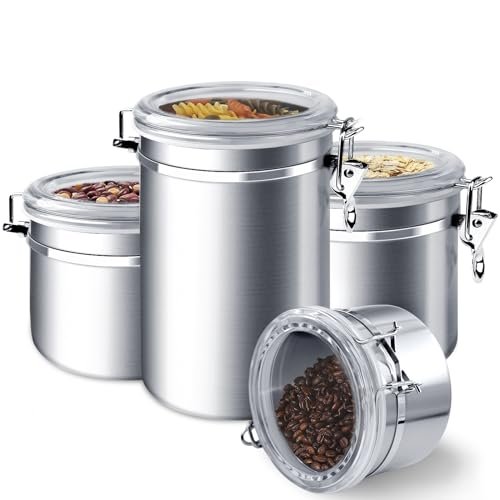
Cluttered countertops, stale pantry staples, and plastic containers that warp, stain, and leach unwanted chemicals are common kitchen headaches for home cooks and organization enthusiasts alike. Steel storage containers for kitchen use offer a durable, food-safe, and stylish solution to these pain points, designed to keep your essentials organized, fresh, and easy to access for years. Unlike disposable plastic bags or low-quality plastic containers that degrade after 1–2 years of regular use, high-quality steel storage containers are a long-term investment that reduces waste, cuts down on food spoilage, and elevates your kitchen’s aesthetic. In this guide, we’ll break down the key features to look for when shopping, top use cases for steel containers, in-depth reviews of the highest-rated sets on the market, and practical care tips to extend their lifespan. We’ve also included answers to frequently asked questions to help you make the best choice for your kitchen’s unique needs. Pairing these containers with child-safe storage locks for lower cabinets creates a fully organized, hazard-free kitchen space for families.
Why Steel Storage Containers Are a Worthy Kitchen Investment
Steel storage containers outperform plastic, glass, and disposable storage options for almost every kitchen use case, with benefits that justify their slightly higher upfront cost. Unlike plastic, stainless steel does not warp under high heat, stain from tomato sauce, curry, or other strong-colored foods, or leach microplastics or harmful chemicals like BPA into food, even when storing acidic ingredients such as citrus juices or vinegar-based dressings. It is also non-porous, so it will not absorb odors from pungent foods like garlic, onions, or fish, eliminating the stale, lingering smells common with plastic containers. For eco-conscious households, steel is 100% recyclable at the end of its 5–10 year lifespan, drastically reducing single-use plastic waste compared to disposable bags or short-lived plastic containers. A common mistake when shopping for steel storage containers is opting for cheap, thin-gauge steel sets with low-quality lids that lose their airtight seal after 6–12 months of regular use. Investing in food-grade 18/8 or 18/10 stainless steel containers with silicone gaskets ensures long-term durability and consistent performance, even with daily use.
Key Features to Prioritize When Shopping
Not all steel storage containers are built equal, and prioritizing these core features will help you find a set that meets your needs for years:
- Food-grade stainless steel: Look for 18/8 or 18/10 stainless steel, which is rust and corrosion-resistant, non-reactive, and meets FDA food contact safety standards. Avoid thin, low-alloy steel that dents easily and is prone to rusting if exposed to moisture.
- Airtight seal quality: A high-quality silicone gasket is the most important component of an airtight lid. Test the seal before purchasing by closing the lid and trying to pull the two halves apart—if it pops open with minimal force, the seal will not keep moisture, air, or pests out. Clamp lids are more secure for heavy, bulky items, while screw-top lids are ideal for transport or stacking.
- Visibility options: Clear polycarbonate lids or tempered glass windows let you identify contents at a glance without opening the container, saving time during meal prep. For light-sensitive ingredients like spices, opt for solid lids to block UV light that degrades potency over time.
- Capacity and size range: Look for sets that include a mix of sizes: 10–20oz for spices and small baking extracts, 30–50oz for sugar, flour, coffee, and pasta, and 60oz+ for rice, oats, or bulk staples. If you have limited cabinet space, prioritize stackable designs to maximize storage efficiency.
- Dishwasher and freezer safety: Most steel containers are top-rack dishwasher safe, but hand washing gaskets and lids extends their lifespan. Most are also freezer-safe, but leave 1–2 inches of headspace to account for liquid expansion and avoid warping.
- Rust resistance: Avoid containers with exposed welded seams or unfinished edges that can trap moisture and rust over time. Seamless, polished steel finishes are easiest to clean and maintain.
Top Use Cases for Steel Kitchen Storage Containers
Steel containers are versatile enough for nearly every kitchen storage need, with specific use cases that highlight their unique benefits:
- Dry pantry staples: Airtight steel containers keep flour, sugar, rice, pasta, and oats clump-free and pest-free for 6+ months when stored in a cool, dark pantry, eliminating the waste and mess of torn paper bags or stained plastic containers. For long-term storage of dry goods like grains and beans, follow USDA dry food storage guidelines to prevent spoilage and pest infestations.
- Coffee and tea storage: Airtight seals preserve the delicate aroma and flavor of coffee beans and tea leaves by blocking moisture and oxygen that cause staleness and mold growth. Opaque or solid lids also block light that degrades the flavor of light-roast coffee and herbal teas over time.
- Spice organization: Small 10–20oz steel containers fit easily in standard spice racks, and airtight seals keep spices fresh for 2–3 times longer than storing them in their original packaging. Solid lids also block UV light that degrades the potency of dried herbs and spices.
- Baking ingredient storage: Keep baking soda, powder, vanilla extract, sprinkles, and other small baking staples organized and easy to access during baking sessions, with seals that prevent clumping and contamination from other pantry items.
- Meal prep and leftovers: Non-porous steel does not absorb odors from strong foods like curry, garlic, or fish, and airtight lids prevent leaks and spoilage in the fridge. For routine cleaning of these containers, use heavy-duty cleaning brushes to scrub away stuck-on bits without scratching the steel surface.
- Cooking oil and grease storage: Large, sealed steel containers with fine-mesh strainers keep reused cooking oil clean and safe for future frying sessions, filtering out food particles that cause spoilage and off-flavors.
- Child-safe snack storage: Small steel containers are a safe, durable option for storing kids' snacks in low cabinets or on countertops; if you store cleaning products or sharp kitchen tools in lower cabinets, add no-drill childproof locks to prevent accidental access by young children.
Top-Rated Steel Kitchen Storage Container Sets
We’ve curated the highest-rated steel storage container sets for every kitchen need, with honest assessments of their strengths and limitations to help you find the perfect fit.
Best Countertop Canister Sets for Pantry Staples
ENLOY 4-Piece Stainless Steel Airtight Food Storage Canister Set
 Ideal for small kitchens, this 4-piece set covers all common dry pantry staple storage needs.
Best for: Small kitchens, baking enthusiasts, minimalists
This popular 4-piece set includes four graduated sizes (28oz, 32oz, 38oz, 65oz) perfect for storing baking staples: the 28oz size fits vanilla extract or sprinkles, the 32oz for sugar, the 38oz for flour, and the 65oz for oats or rice. Clear polycarbonate lids let you identify contents at a glance, and the silicone gasket creates a secure airtight seal that keeps ingredients clump-free and pest-free. The 18/8 stainless steel construction is rust-resistant and stackable, saving counter and cabinet space.
Pros: Excellent airtight seal, clear lids for quick ID, stackable design, fits standard pantry shelves
Cons: Only available in stainless steel finish (no colored options), lids can be slightly difficult to open for users with limited hand strength
If this set matches your storage needs, you can view current pricing and availability on Amazon.
Ideal for small kitchens, this 4-piece set covers all common dry pantry staple storage needs.
Best for: Small kitchens, baking enthusiasts, minimalists
This popular 4-piece set includes four graduated sizes (28oz, 32oz, 38oz, 65oz) perfect for storing baking staples: the 28oz size fits vanilla extract or sprinkles, the 32oz for sugar, the 38oz for flour, and the 65oz for oats or rice. Clear polycarbonate lids let you identify contents at a glance, and the silicone gasket creates a secure airtight seal that keeps ingredients clump-free and pest-free. The 18/8 stainless steel construction is rust-resistant and stackable, saving counter and cabinet space.
Pros: Excellent airtight seal, clear lids for quick ID, stackable design, fits standard pantry shelves
Cons: Only available in stainless steel finish (no colored options), lids can be slightly difficult to open for users with limited hand strength
If this set matches your storage needs, you can view current pricing and availability on Amazon.
Quality 4-Piece Stainless Steel Canister Set with Glass Windows
 Glass windows provide scratch-resistant visibility of contents without opening the lid.
Best for: Farmhouse and modern kitchen decor, users who prefer glass visibility over clear plastic
This set features tempered glass windows that are far more scratch-resistant than plastic lids and will not yellow over time with sun exposure. Clamp-style airtight lids are easy to open and close, even with wet hands, and the brushed stainless steel finish complements farmhouse, rustic, and modern kitchen decor. The four sizes (28oz, 32oz, 47oz, 65oz) cover all common pantry staple storage needs.
Pros: Scratch-resistant glass windows, easy-grip clamp lids, elegant decorative design
Cons: Glass windows can break if dropped, brushed finish shows fingerprints and water spots more than polished steel
For shoppers who prioritize durability of visibility panels, this set is a reliable pick available on Amazon.
Glass windows provide scratch-resistant visibility of contents without opening the lid.
Best for: Farmhouse and modern kitchen decor, users who prefer glass visibility over clear plastic
This set features tempered glass windows that are far more scratch-resistant than plastic lids and will not yellow over time with sun exposure. Clamp-style airtight lids are easy to open and close, even with wet hands, and the brushed stainless steel finish complements farmhouse, rustic, and modern kitchen decor. The four sizes (28oz, 32oz, 47oz, 65oz) cover all common pantry staple storage needs.
Pros: Scratch-resistant glass windows, easy-grip clamp lids, elegant decorative design
Cons: Glass windows can break if dropped, brushed finish shows fingerprints and water spots more than polished steel
For shoppers who prioritize durability of visibility panels, this set is a reliable pick available on Amazon.
Oggi 4-Piece Stainless Steel Kitchen Canister Set
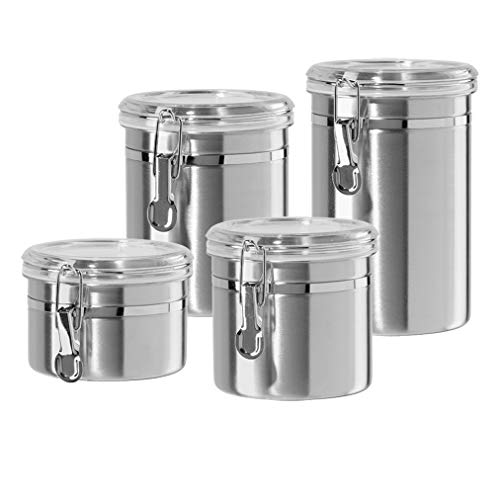 Clamp-style lids create a secure seal that's easy to open even with wet hands.
Best for: Frequent home cooks, bulk ingredient storage, users who want easy-grip lids
This set features clear see-through clamp lids and BPA-free silicone gaskets for maximum freshness, with 18/10 stainless steel construction that resists rust and staining. The four sizes (26oz, 36oz, 47oz, 62oz) have a slim profile that fits easily in narrow pantry shelves, and the lids are designed to open easily even with wet or soapy hands.
Pros: Easy-grip clamp lids, BPA-free materials, slim profile for narrow storage spaces
Cons: No small sizes for spices or baking extracts, only available in silver finish
Explore current deals on this popular Oggi canister set via Amazon.
Clamp-style lids create a secure seal that's easy to open even with wet hands.
Best for: Frequent home cooks, bulk ingredient storage, users who want easy-grip lids
This set features clear see-through clamp lids and BPA-free silicone gaskets for maximum freshness, with 18/10 stainless steel construction that resists rust and staining. The four sizes (26oz, 36oz, 47oz, 62oz) have a slim profile that fits easily in narrow pantry shelves, and the lids are designed to open easily even with wet or soapy hands.
Pros: Easy-grip clamp lids, BPA-free materials, slim profile for narrow storage spaces
Cons: No small sizes for spices or baking extracts, only available in silver finish
Explore current deals on this popular Oggi canister set via Amazon.
Pebble & Stem 4-Piece Farmhouse-Style Stainless Steel Canister Set
 Subtle embossed branding and a brushed finish complement farmhouse and rustic kitchen decor.
Best for: Farmhouse, rustic, and cottage-core kitchen decor, open countertop display
This decorative set features subtle embossed branding on the front of each canister and a brushed silver finish that looks intentional on open countertops, rather than hidden away in a pantry. The airtight clamp lids have a secure locking mechanism that prevents spills if the canisters are accidentally tipped, and the 9.4” height and 6” width/depth per canister provide ample storage without taking up too much counter space.
Pros: Decorative design for open display, secure locking lids, food-grade steel safe for all food types
Cons: Larger footprint than slim canister sets, brushed finish requires regular wiping to maintain its shine
Shop this farmhouse-style set on Amazon to elevate your kitchen storage.
Subtle embossed branding and a brushed finish complement farmhouse and rustic kitchen decor.
Best for: Farmhouse, rustic, and cottage-core kitchen decor, open countertop display
This decorative set features subtle embossed branding on the front of each canister and a brushed silver finish that looks intentional on open countertops, rather than hidden away in a pantry. The airtight clamp lids have a secure locking mechanism that prevents spills if the canisters are accidentally tipped, and the 9.4” height and 6” width/depth per canister provide ample storage without taking up too much counter space.
Pros: Decorative design for open display, secure locking lids, food-grade steel safe for all food types
Cons: Larger footprint than slim canister sets, brushed finish requires regular wiping to maintain its shine
Shop this farmhouse-style set on Amazon to elevate your kitchen storage.
Mimorou 6-Piece Kitchen Canister Set with Windows
 6-piece set includes small sizes perfect for spices, tea, and kids' snacks.
Best for: Large families, users who need extra storage for snacks and small ingredients
This 6-piece set includes six 20oz canisters (or mixed sizes, depending on the listing) with glass windows and airtight screw-top lids, perfect for storing spices, tea, candy, kids' snacks, and small baking extracts. The compact size fits easily on countertops, in cabinets, or on pantry shelves, and the screw-top lids are extremely secure for transport, making them ideal for packing snacks for travel or school lunches.
Pros: 6-piece set covers more use cases than standard 4-piece sets, secure screw-top lids, compact size for small items
Cons: Smaller capacity is not ideal for bulk flour/rice storage, glass windows are more fragile than plastic lids
View the full range of Mimorou canister sets on Amazon to find the right size mix for your kitchen.
6-piece set includes small sizes perfect for spices, tea, and kids' snacks.
Best for: Large families, users who need extra storage for snacks and small ingredients
This 6-piece set includes six 20oz canisters (or mixed sizes, depending on the listing) with glass windows and airtight screw-top lids, perfect for storing spices, tea, candy, kids' snacks, and small baking extracts. The compact size fits easily on countertops, in cabinets, or on pantry shelves, and the screw-top lids are extremely secure for transport, making them ideal for packing snacks for travel or school lunches.
Pros: 6-piece set covers more use cases than standard 4-piece sets, secure screw-top lids, compact size for small items
Cons: Smaller capacity is not ideal for bulk flour/rice storage, glass windows are more fragile than plastic lids
View the full range of Mimorou canister sets on Amazon to find the right size mix for your kitchen.
Specialized Steel Storage Containers
GIUOIDUO 10-Piece Stainless Steel Food Storage Container Set
 Leak-proof locking lids make this set ideal for meal prep and fridge storage of wet ingredients.
Best for: Meal prep enthusiasts, eco-conscious households, fridge and freezer storage
This 10-piece set includes five graduated sizes (from 12oz to 64oz) with airtight locking lids, made from 18/8 stainless steel that is BPA-free and dishwasher safe. The leak-proof lids are safe for storing soups, sauces, and wet meal prep ingredients, and the non-porous steel does not stain from strong-colored foods like tomato sauce or curry, unlike plastic containers. The stackable design saves space in the fridge and freezer.
Pros: Leak-proof lids for wet ingredients, stackable design, stain and odor resistant, eco-friendly alternative to plastic
Cons: Heavier than plastic containers, not microwave-safe, higher upfront cost
Grab this eco-friendly meal prep set on Amazon to reduce single-use plastic waste.
Leak-proof locking lids make this set ideal for meal prep and fridge storage of wet ingredients.
Best for: Meal prep enthusiasts, eco-conscious households, fridge and freezer storage
This 10-piece set includes five graduated sizes (from 12oz to 64oz) with airtight locking lids, made from 18/8 stainless steel that is BPA-free and dishwasher safe. The leak-proof lids are safe for storing soups, sauces, and wet meal prep ingredients, and the non-porous steel does not stain from strong-colored foods like tomato sauce or curry, unlike plastic containers. The stackable design saves space in the fridge and freezer.
Pros: Leak-proof lids for wet ingredients, stackable design, stain and odor resistant, eco-friendly alternative to plastic
Cons: Heavier than plastic containers, not microwave-safe, higher upfront cost
Grab this eco-friendly meal prep set on Amazon to reduce single-use plastic waste.
Baalaka 3-Piece Stainless Steel Airtight Deli Container Set
 Compact sizes fit easily in lunch bags and small fridge shelves for on-the-go meals.
Best for: Leftover storage, lunch packing, small-batch meal prep
This 3-piece set includes three sizes (15oz, 28oz, 45oz) with airtight screw-top lids that create a leak-proof seal, perfect for packing lunches or storing small batches of leftovers. The stainless steel body does not absorb odors from strong foods like onions or fish, and the compact sizes fit easily in small fridge shelves and lunch bags.
Pros: Leak-proof for transport, odor-resistant, compact size for small portions
Cons: Only 3 containers per set, not suitable for bulk storage, not microwave-safe
Shop the Baalaka deli container set on Amazon for on-the-go food storage.
Compact sizes fit easily in lunch bags and small fridge shelves for on-the-go meals.
Best for: Leftover storage, lunch packing, small-batch meal prep
This 3-piece set includes three sizes (15oz, 28oz, 45oz) with airtight screw-top lids that create a leak-proof seal, perfect for packing lunches or storing small batches of leftovers. The stainless steel body does not absorb odors from strong foods like onions or fish, and the compact sizes fit easily in small fridge shelves and lunch bags.
Pros: Leak-proof for transport, odor-resistant, compact size for small portions
Cons: Only 3 containers per set, not suitable for bulk storage, not microwave-safe
Shop the Baalaka deli container set on Amazon for on-the-go food storage.
Oggi 1-Gallon Stainless Steel Jumbo Grease Container with Strainer
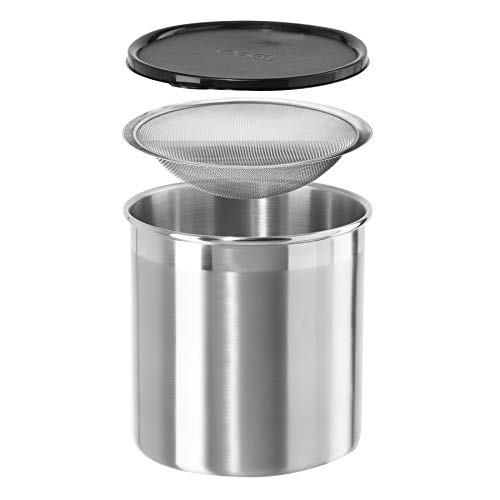 Removable fine-mesh strainer removes food particles to extend the lifespan of reused cooking oil.
Best for: Home fryers, bacon lovers, cooks who reuse cooking oil
This large 1-gallon container is designed for storing and reusing cooking oil, bacon drippings, lard, or ghee, with a removable fine-mesh strainer that filters out food particles to extend the oil’s lifespan and improve the flavor of future fried dishes. The snug airtight lid prevents spills and contamination, and the stainless steel construction is rust-resistant and easy to clean.
Pros: Large 1-gallon capacity, built-in strainer for clean oil, secure lid prevents spills
Cons: Heavy when full, brushed finish shows smudges easily
Get this durable grease container on Amazon to make oil storage and reuse easier.
Removable fine-mesh strainer removes food particles to extend the lifespan of reused cooking oil.
Best for: Home fryers, bacon lovers, cooks who reuse cooking oil
This large 1-gallon container is designed for storing and reusing cooking oil, bacon drippings, lard, or ghee, with a removable fine-mesh strainer that filters out food particles to extend the oil’s lifespan and improve the flavor of future fried dishes. The snug airtight lid prevents spills and contamination, and the stainless steel construction is rust-resistant and easy to clean.
Pros: Large 1-gallon capacity, built-in strainer for clean oil, secure lid prevents spills
Cons: Heavy when full, brushed finish shows smudges easily
Get this durable grease container on Amazon to make oil storage and reuse easier.
Hybrid Glass and Stainless Steel Canister Set
 Square glass design maximizes cabinet space, while steel lids provide a durable, airtight seal.
Best for: Users who prefer the visibility of glass but want the durability of steel lids, storing coffee, cookies, and snacks
This 3-piece set combines borosilicate glass bodies with stainless steel screw-on airtight lids, offering the visibility of glass with the durability and leak-proof seal of steel. The 57oz capacity per jar is perfect for storing coffee, cookies, snacks, and flour, and the square design maximizes cabinet and pantry space for stackable storage.
Pros: Non-porous glass body resists stains and odors, durable steel lids, space-saving square shape
Cons: Glass is breakable if dropped, heavier than all-steel canisters, not suitable for freezer storage
Browse this hybrid glass and steel set on Amazon for a versatile storage option.
Square glass design maximizes cabinet space, while steel lids provide a durable, airtight seal.
Best for: Users who prefer the visibility of glass but want the durability of steel lids, storing coffee, cookies, and snacks
This 3-piece set combines borosilicate glass bodies with stainless steel screw-on airtight lids, offering the visibility of glass with the durability and leak-proof seal of steel. The 57oz capacity per jar is perfect for storing coffee, cookies, snacks, and flour, and the square design maximizes cabinet and pantry space for stackable storage.
Pros: Non-porous glass body resists stains and odors, durable steel lids, space-saving square shape
Cons: Glass is breakable if dropped, heavier than all-steel canisters, not suitable for freezer storage
Browse this hybrid glass and steel set on Amazon for a versatile storage option.
How to Care for Steel Storage Containers to Extend Their Lifespan
With proper care, high-quality steel storage containers will last 5–10 years or longer:
- Hand wash gaskets and lids regularly with warm, soapy water to remove food residue that can break down the airtight seal over time. For routine cleaning of the steel body, use dedicated cleaning brush sets to avoid cross-contamination with other kitchen cleaning tools.
- Avoid abrasive cleaners, steel wool, or scouring pads, which can scratch the steel surface and create crevices where bacteria can grow.
- Dry thoroughly after washing to prevent water spots and rust formation, especially if you have hard water.
- Store lids separately from containers if you do not use them regularly to avoid warping the silicone gasket.
- For tough stains or discoloration, make a paste of equal parts baking soda and water, let it sit on the affected area for 10 minutes, then rinse thoroughly and dry with a soft cloth.
Frequently Asked Questions
How do airtight lids improve food preservation in steel containers?
Airtight lids create a sealed barrier that blocks oxygen, moisture, and airborne pests from reaching stored ingredients. This prevents dry goods like flour, sugar, and coffee from going stale, clumping, or developing mold, and keeps aromatic ingredients like spices and tea from losing their flavor or cross-contaminating with other pantry items. In practice, home cooks report that airtight steel containers keep dry pantry staples fresh 2–3 times longer than open containers or plastic storage bags.
Are stainless steel kitchen containers safe for all food types?
Yes, food-grade 18/8 or 18/10 stainless steel is non-reactive and does not leach harmful chemicals into food, even when storing acidic ingredients like tomato sauce, citrus juices, or vinegar-based dressings. All reputable steel kitchen containers meet FDA food contact safety standards for safe food storage. Avoid containers with low-quality steel alloys or plastic components that come into direct contact with food, as these may leach unwanted chemicals over time.
Can I use steel storage containers in the microwave or freezer?
No, stainless steel is not microwave-safe, as it can cause sparks, arcing, and damage to your appliance. For reheating leftovers stored in steel containers, transfer the contents to a microwave-safe dish first. Most steel containers are freezer-safe, but leave 1–2 inches of headspace at the top of the container to account for liquid expansion when frozen, and avoid filling to the brim to prevent warping of the lid or container walls.
How do I choose the right size steel container for my needs?
Start by taking inventory of the ingredients you use most often: for small items like spices, vanilla extract, or baking sprinkles, opt for 10–20oz containers; for medium staples like sugar, flour, coffee, or pasta, choose 30–50oz containers; for bulk items like rice, oats, or pet food, select 60oz or larger containers. If you buy a set, prioritize a mix of sizes to cover all your storage needs without wasting space.
How do I remove scratches or water spots from stainless steel containers?
For minor scratches, buff the surface with a soft cloth and a small amount of olive oil or non-abrasive stainless steel polish, moving along the grain of the steel to avoid further scratching. For water spots or hard water stains, make a paste of equal parts baking soda and water, let it sit on the affected area for 10 minutes, then rinse thoroughly and dry with a soft cloth. Avoid using steel wool, bleach, or harsh abrasive cleaners, as these will damage the finish and create rough spots where bacteria can grow.
Are steel storage containers more eco-friendly than plastic options?
Yes, high-quality stainless steel containers last 5–10 years with proper care, compared to plastic containers that warp, stain, and degrade after 1–2 years of regular use. Steel is 100% recyclable at the end of its lifespan, and does not shed microplastics into food or the environment. For eco-conscious households, steel containers are a long-term, sustainable alternative to single-use plastic storage bags and disposable plastic containers.
Conclusion
Steel storage containers are a long-term investment that reduces kitchen clutter, cuts down on food waste, and eliminates the need for disposable plastic storage. They combine durability, food safety, and sleek aesthetic appeal that works for every kitchen style, from modern to farmhouse. When shopping, prioritize sets with airtight seals, food-grade steel, and sizes that match your specific storage needs—whether you’re storing bulk pantry staples, meal prep ingredients, or cooking grease. With proper care, a high-quality steel container set will last for years, making your kitchen more organized, efficient, and sustainable. For more tips on creating a streamlined, functional kitchen, explore our full library of kitchen organization guides for every space and budget. Ready to upgrade your storage? Browse the top-rated sets above to find the perfect fit for your home.

Hi, I’m Daniel Brooks—a food lover and kitchen gear enthusiast. I enjoy testing cookware, utensils, and gadgets to see what really works in everyday cooking. At PlugChef.com, I share honest reviews, comparisons, and simple guides to help you choose the best tools for a safer, smarter, and more enjoyable kitchen.
Related posts:
 Best Water Filter for Pod Coffee Maker: Enhance Your Coffee Experience
 Best Kitchen Counter Compost Bin: Top Picks for Odor-Free Recycling
 Best Mason Jar for Cold Brew: Discover Top Picks for Iced Coffee
 Best Can Opener $50 To $100: Top Manual Options for Every Kitchen
 Best Kitchen Knives Set for Precision and Durability in Cooking
 Best Kitchen Tool for Chopping Vegetables: Top Multifunctional Gadgets Reviewed