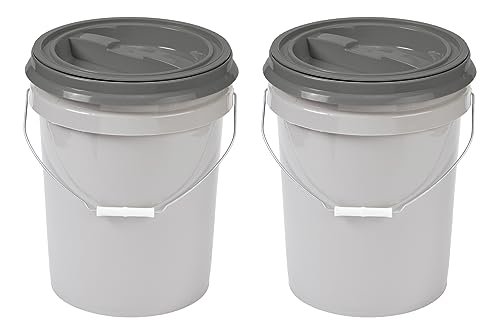
Storing bulk food safely and efficiently is more important than ever in 2026, as rising food costs and growing interest in sustainable living have led more households to buy staples like rice, beans, flour, and pet food in bulk. A 5-gallon storage container hits the perfect sweet spot for most use cases: large enough to hold 35–40 pounds of dry goods (cutting down on frequent restocking trips) but small enough to carry when full (average full weight ~40 pounds, manageable for most adults) and fit on standard pantry, garage, or under-bed storage shelves. Unlike smaller 1–2 gallon containers that require constant refilling, or larger 55-gallon drums that need equipment to move, 5-gallon options work for home pantries, small commercial kitchens, camping trips, emergency prepping, and pet food storage. This guide breaks down the key features to prioritize for freshness and durability, top product recommendations for every use case, and pro tips to get the most out of your investment.
Why 5-Gallon Containers Are the Gold Standard for Bulk Food Storage
The 5-gallon size has become the default for bulk food storage for good reason: it fits exactly one 25-pound bag of rice, flour, or dry dog food with enough extra room for an oxygen absorber to extend shelf life, without taking up excessive space. For preppers, a 5-gallon container holds enough shelf-stable dry goods to feed a family of four for 1–2 weeks in an emergency. For home bakers, it fits 10+ pounds of flour or sugar for frequent use. For pet owners, it holds 2–3 weeks’ worth of dry kibble for a medium-sized dog, keeping it fresh and pest-free. Unlike larger containers, 5-gallon buckets are light enough to lift, carry, and maneuver in tight pantries or garage storage areas, making them accessible for all users.
Key Features to Prioritize for Freshness and Long-Term Durability
Not all 5-gallon food storage containers are built equal. Prioritizing these core features will ensure your container keeps food fresh for years and withstands regular use:
Food-Grade, BPA-Free HDPE Construction
Look for containers made from high-density polyethylene (HDPE #2), a non-porous, stain-resistant plastic that does not leach chemicals into food when used as directed. Always confirm the container is explicitly labeled BPA-free, as cheaper non-food-grade buckets (often sold for paint or construction use) may contain harmful contaminants. For long-term durability, opt for 90-mil thick walls, which resist cracking, warping, and punctures when stacked, dropped, or exposed to temperature swings, compared to thinner 30–50 mil buckets that degrade after a few months of regular use. Look for products that meet FDA food contact safety standards to confirm they are safe for consumables.
Airtight Seal Mechanisms
The seal is the most critical feature for freshness. Screw-on lids with a rubber gasket create an oxygen and moisture barrier that prevents mold growth, pest infiltration, and rancidity in fat-containing foods like nuts, whole grains, and pet kibble. Gamma Seal lids, a popular upgrade for standard buckets, use a threaded design that creates an even tighter seal than basic screw-on lids, and are compatible with Mylar bags for multi-year long-term storage. Snap-on lids are convenient for short-term use but are not airtight enough for dry goods stored for more than a few months.
Stackability and Ergonomic Design
Uniform rim designs let you safely stack 3–4 full containers without shifting or tipping, maximizing vertical storage space in small pantries or garages. Look for handles with soft plastic grips over metal, which reduce pinching and discomfort when carrying 40+ pounds of bulk goods. Recessed lid designs are ideal for high-traffic areas like commercial kitchens, as they prevent lids from catching on other stacked containers and causing spills.
Temperature and Use Case Compatibility
Most HDPE 5-gallon containers are safe for temperatures between -40°F and 120°F, making them suitable for freezer storage, cool garage storage, and room-temperature pantry use. If you plan to store hot foods, look for containers explicitly rated for up to 212°F, as standard HDPE can warp and leach chemicals when exposed to high heat. Avoid storing acidic foods (tomato sauce, pickles) or strongly scented items (spices, garlic) directly in unlined HDPE, as the plastic can absorb odors and stains over time.
Top 5 Gallon Food Storage Container Recommendations for Every Use Case
We’ve curated recommendations based on real-world use cases, balancing durability, airtight performance, and value:
Best for Home Pantry & Dry Goods: House Naturals 5 Gallon Food Grade Bucket Pail with Airtight Screw On Lid (3-Pack, Color-Coded Lids)
 Color coding lets you sort grains, beans, and dehydrated goods for easy access
This 3-pack of BPA-free, made-in-USA buckets comes with color-coded screw-on lids (aqua, blue, gray, black) that let you sort staples by type: gray for grains, blue for beans, black for dehydrated fruits, for no-fuss pantry organization. The airtight gasket seal keeps contents fresh for 1–2 years, and the uniform rims let you stack all three buckets in just 2 square feet of shelf space. Each bucket holds a 25-pound bag of rice or flour with room for a 500cc oxygen absorber.
Pros: Color-coded lids for easy organization, airtight seal, stackable, made in USA, BPA-free
Cons: 6 pounds empty, so full weight is ~46 pounds, which may be heavy for users with limited mobility
Pair these buckets with pantry organization tips to keep bulk staples easy to access and clearly labeled.
Color coding lets you sort grains, beans, and dehydrated goods for easy access
This 3-pack of BPA-free, made-in-USA buckets comes with color-coded screw-on lids (aqua, blue, gray, black) that let you sort staples by type: gray for grains, blue for beans, black for dehydrated fruits, for no-fuss pantry organization. The airtight gasket seal keeps contents fresh for 1–2 years, and the uniform rims let you stack all three buckets in just 2 square feet of shelf space. Each bucket holds a 25-pound bag of rice or flour with room for a 500cc oxygen absorber.
Pros: Color-coded lids for easy organization, airtight seal, stackable, made in USA, BPA-free
Cons: 6 pounds empty, so full weight is ~46 pounds, which may be heavy for users with limited mobility
Pair these buckets with pantry organization tips to keep bulk staples easy to access and clearly labeled.
Best for Pet Food Storage: Mighty Tuff 5 Gallon Pet Food Storage Container
 Airtight, stackable design keeps bulk pet food fresh and pest-free
Designed specifically for dry pet food, this container holds 21 pounds of kibble (perfect for splitting a 40-pound bag of dog food to keep half fresh in a cool dark space). The airtight lid prevents fat oxidation, a common issue that causes dry pet food to go rancid and cause digestive upset in cats and dogs, and the metal handle with soft plastic grip makes it easy to carry even when full. Its compact 12x12x14 inch footprint fits easily in pantries, garages, or mudrooms.
Pros: Airtight lid locks in freshness, ergonomic carrying handle, compact footprint, pest-proof
Cons: Too small for large-breed dogs with high food consumption, metal handle can pinch if not gripped correctly
For households with young children or curious pets, pair this container with child safety locks for cabinets to keep bulk pet food out of reach.
Airtight, stackable design keeps bulk pet food fresh and pest-free
Designed specifically for dry pet food, this container holds 21 pounds of kibble (perfect for splitting a 40-pound bag of dog food to keep half fresh in a cool dark space). The airtight lid prevents fat oxidation, a common issue that causes dry pet food to go rancid and cause digestive upset in cats and dogs, and the metal handle with soft plastic grip makes it easy to carry even when full. Its compact 12x12x14 inch footprint fits easily in pantries, garages, or mudrooms.
Pros: Airtight lid locks in freshness, ergonomic carrying handle, compact footprint, pest-proof
Cons: Too small for large-breed dogs with high food consumption, metal handle can pinch if not gripped correctly
For households with young children or curious pets, pair this container with child safety locks for cabinets to keep bulk pet food out of reach.
Best for Heavy-Duty & Commercial Use: ePackageSupply 5 Gallon White Bucket with Gamma Seal Lid (3-Pack)
 90 mil thick heavy-duty construction resists cracking and stacking damage
Built for high-traffic use, these 90-mil thick HDPE buckets are far more durable than standard storage containers, resisting cracks from drops, stacking, and temperature swings in restaurant walk-in coolers, garages, or workshop spaces. The Gamma Seal lid creates an ultra-tight, leak-proof seal that works with Mylar bags for long-term prepping, and the uniform rims let you stack up to 4 full containers safely. Made in the USA and BPA-free for safe food storage.
Pros: 90 mil thick heavy-duty construction, airtight Gamma Seal lid, stackable, commercial-grade, made in USA
Cons: White plastic shows stains and dirt easily, 9 pounds empty, 3-pack may be excessive for casual home users
These buckets also work well for storing gardening soil amendments, DIY supplies, or cleaning products when not in use for food.
90 mil thick heavy-duty construction resists cracking and stacking damage
Built for high-traffic use, these 90-mil thick HDPE buckets are far more durable than standard storage containers, resisting cracks from drops, stacking, and temperature swings in restaurant walk-in coolers, garages, or workshop spaces. The Gamma Seal lid creates an ultra-tight, leak-proof seal that works with Mylar bags for long-term prepping, and the uniform rims let you stack up to 4 full containers safely. Made in the USA and BPA-free for safe food storage.
Pros: 90 mil thick heavy-duty construction, airtight Gamma Seal lid, stackable, commercial-grade, made in USA
Cons: White plastic shows stains and dirt easily, 9 pounds empty, 3-pack may be excessive for casual home users
These buckets also work well for storing gardening soil amendments, DIY supplies, or cleaning products when not in use for food.
Best for Long-Term Emergency Prep: 10pcs 5 Gallon Mylar Bags with 2500cc Oxygen Absorbers
 Puncture resistant 10 mil material blocks light and oxygen for 25+ year shelf life
While not a standalone container, these Mylar bags are designed to fit inside standard 5-gallon HDPE buckets for multi-year dry goods storage. The 10-mil thick, puncture-resistant material blocks light, moisture, and pests, while the included 2500cc oxygen absorbers remove 99.9% of oxygen from the sealed bag to prevent mold growth and rancidity. The resealable zipper lets you access contents without replacing the oxygen absorber if used within 6 months. When paired with a 5-gallon bucket and sealed properly, dry goods stored in these bags stay fresh for 25+ years in a cool, dark space.
Pros: 25+ year shelf life for dry goods, resealable, pest and moisture proof, fits standard 5-gallon buckets
Cons: Requires a separate bucket for extra protection, higher initial cost than smaller storage bags
A common mistake is not removing enough air before sealing, which reduces shelf life. For best results, use a vacuum sealer attachment to remove excess air before sealing the bag.
Puncture resistant 10 mil material blocks light and oxygen for 25+ year shelf life
While not a standalone container, these Mylar bags are designed to fit inside standard 5-gallon HDPE buckets for multi-year dry goods storage. The 10-mil thick, puncture-resistant material blocks light, moisture, and pests, while the included 2500cc oxygen absorbers remove 99.9% of oxygen from the sealed bag to prevent mold growth and rancidity. The resealable zipper lets you access contents without replacing the oxygen absorber if used within 6 months. When paired with a 5-gallon bucket and sealed properly, dry goods stored in these bags stay fresh for 25+ years in a cool, dark space.
Pros: 25+ year shelf life for dry goods, resealable, pest and moisture proof, fits standard 5-gallon buckets
Cons: Requires a separate bucket for extra protection, higher initial cost than smaller storage bags
A common mistake is not removing enough air before sealing, which reduces shelf life. For best results, use a vacuum sealer attachment to remove excess air before sealing the bag.
Best for Professional Kitchens: Rubbermaid Commercial 5 Gallon Food Storage Tote
 Shatter resistant clear design lets you identify contents at a glance in busy kitchens
Designed for high-turnover commercial kitchens, cafeterias, and catering operations, this shatter-resistant polycarbonate tote is lightweight (0.5 pounds empty) and dishwasher safe for easy sanitation between uses. The clear design lets staff identify contents at a glance without opening the lid, cutting down on time spent searching for ingredients in busy prep areas. It is NSF-certified for food safety and resists stains and odors from acidic ingredients like tomato sauce or citrus.
Pros: Shatter-resistant, clear design for fast content ID, lightweight, dishwasher safe, NSF-certified
Cons: Less airtight than screw-on lid buckets, not ideal for long-term dry goods storage
For high-traffic commercial kitchens or homes with young children, secure storage areas with kitchen safety locks for kids to prevent heavy stacked containers from tipping and causing injury.
Shatter resistant clear design lets you identify contents at a glance in busy kitchens
Designed for high-turnover commercial kitchens, cafeterias, and catering operations, this shatter-resistant polycarbonate tote is lightweight (0.5 pounds empty) and dishwasher safe for easy sanitation between uses. The clear design lets staff identify contents at a glance without opening the lid, cutting down on time spent searching for ingredients in busy prep areas. It is NSF-certified for food safety and resists stains and odors from acidic ingredients like tomato sauce or citrus.
Pros: Shatter-resistant, clear design for fast content ID, lightweight, dishwasher safe, NSF-certified
Cons: Less airtight than screw-on lid buckets, not ideal for long-term dry goods storage
For high-traffic commercial kitchens or homes with young children, secure storage areas with kitchen safety locks for kids to prevent heavy stacked containers from tipping and causing injury.
Size Consideration: 3.5 Gallon Alternative for Small Spaces
 Compact 3.5 gallon size is ideal for smaller bulk storage needs
If you have limited storage space in a small apartment or camper, this 3.5-gallon bucket holds ~25 pounds of dry goods, making it a compact alternative to full 5-gallon options. It features the same BPA-free, food-grade HDPE construction and Gamma Seal airtight lid as larger ePackageSupply buckets, so you don’t have to sacrifice freshness for size.
Compact 3.5 gallon size is ideal for smaller bulk storage needs
If you have limited storage space in a small apartment or camper, this 3.5-gallon bucket holds ~25 pounds of dry goods, making it a compact alternative to full 5-gallon options. It features the same BPA-free, food-grade HDPE construction and Gamma Seal airtight lid as larger ePackageSupply buckets, so you don’t have to sacrifice freshness for size.
Critical Do’s and Don’ts for Maximizing Freshness and Container Lifespan
Following these simple guidelines will extend the life of your containers and keep food safe to eat:
Do:
- Label all containers with contents and storage date using a permanent marker or laminated label, so you can rotate stock easily and avoid expired goods
- Use food-grade liners or Mylar bags when storing acidic, oily, or strongly scented foods to prevent plastic from absorbing odors or staining
- Store containers in a cool, dark, dry place away from direct sunlight, which degrades plastic over time and accelerates spoilage of fats and oils
- Clean containers thoroughly between uses with a professional kitchen cleaning brush to scrub interior corners and avoid bacterial buildup
Don’t:
- Store hot food in unrated containers: per USDA food storage best practices, high heat can warp plastic and leach chemicals, even in BPA-free products
- Stack more than 3–4 full containers at once unless the manufacturer specifies a higher stack limit, to avoid cracking or tipping
- Use cracked, warped, or damaged containers for food storage, as they can harbor bacteria and fail to create an airtight seal
- Store containers directly on concrete floors, which draw moisture into plastic and promote mold growth on stored goods
Frequently Asked Questions
Are 5-gallon food storage containers safe for hot foods?
Only containers explicitly rated for high temperatures (up to 212°F for short periods) are suitable for hot foods. Most standard HDPE 5-gallon buckets are only rated for 120°F, so they should not be used for hot soups, stews, or home canning. For hot food storage, opt for containers labeled as heat-safe, like many commercial polycarbonate totes.
How long does food stay fresh in a 5-gallon airtight container?
Dry goods (rice, beans, pasta, flour) stored with an airtight seal and oxygen absorber stay fresh for 1–2 years for optimal quality, and up to 5 years if kept in a cool, dark place. Dry pet food stays fresh for 6–12 months when sealed properly, as its higher fat content causes it to go rancid faster. Perishable leftovers stored in refrigerated airtight containers last 3–5 days.
Can I use 5-gallon buckets for home canning?
No, standard 5-gallon HDPE buckets are not USDA-approved for boiling water or pressure canning, as high heat can warp the plastic and create an unsafe seal. Always use certified canning jars for preserved foods to avoid spoilage and foodborne illness.
How do I clean 5-gallon food storage containers?
Wash containers with warm, soapy water after each use, or run through the dishwasher if the manufacturer marks them as dishwasher-safe. For stubborn stains or odors, scrub with a baking soda and water paste using a kitchen cleaning scrub brush, let sit for 30 minutes, then rinse thoroughly. Avoid abrasive cleaners that can scratch the plastic, as scratches can harbor bacteria.
Are 5-gallon containers pest-proof?
Airtight, undamaged containers with tight-sealing lids are fully pest-proof for common pantry pests like weevils, moths, and rodents. For extra protection, store containers on elevated shelves away from walls, and inspect lids regularly for cracked gaskets that could compromise the seal.
Conclusion
5-gallon food storage containers are the most versatile, practical size for bulk food storage in 2026, offering the perfect balance of capacity, portability, and space efficiency for home pantries, commercial kitchens, emergency prepping, and pet food storage. When choosing a container, prioritize food-grade, BPA-free HDPE construction, 90 mil thickness for durability, and an airtight screw-on or Gamma Seal lid to maximize freshness and shelf life. Match the container to your specific use case: color-coded buckets for home pantry organization, rugged Gamma Seal lids for commercial or outdoor use, and Mylar bags paired with buckets for long-term emergency prep. With proper care—regular cleaning, proper storage, and timely rotation of contents—a high-quality 5-gallon container will last 10+ years, reducing plastic waste and saving you money on bulk food purchases over time. Ready to upgrade your storage setup? Pick the container that fits your needs to keep staples fresher, cut down on food waste, and streamline your kitchen organization.

I’m Abby Lu, a passionate home cook who loves simplifying everyday meals. At PlugChef.com, I share product reviews and cooking guides to help you find the best tools for your kitchen.
Related posts:
 Best Kitchen Gadgets Under $20: Affordable Tools for Every Culinary Task
 Under Cabinet Hidden Kitchen Outlets: Revolutionize Your Space-Saving Solutions
 Shelf for Under Kitchen Sink: Maximize Space with Pull-Out Organizers
 Best Beeswax Wraps for Zero Waste Kitchen: Eco-Friendly Food Storage Solution
 Best Water Filter for Pod Coffee Maker: Enhance Your Coffee Experience
 Steam Cleaner for Kitchen Appliances: Ultimate Guide to Spotless Surfaces