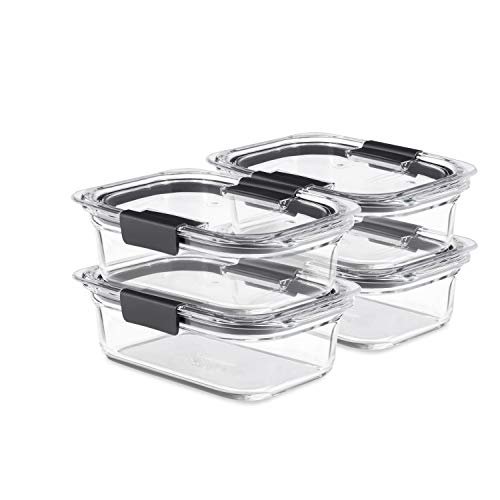
Cluttered pantries, stale cereal, leftover pasta sauce that absorbs the smell of last week’s onions: these are all too common kitchen frustrations that airtight glass containers solve instantly. Unlike flimsy plastic bags or stain-retentive plastic storage bins, high-quality airtight glass containers offer a non-porous, chemical-free way to keep food fresh, cut down on waste, and streamline your kitchen’s organization. Whether you’re a dedicated meal prepper, a busy parent, or someone who just wants a tidier kitchen, the right set of airtight glass containers will transform how you store, access, and use the food in your home. In this guide, we’ll break down the key features to look for, top use cases, care best practices, and honest reviews of the highest-rated 2026 sets to help you make the best choice for your needs. Pairing airtight glass storage with cabinet and drawer latches keeps heavy containers securely stored and out of reach of young children.
Why Airtight Glass Containers Outperform Plastic for Kitchen Organization
Plastic storage containers may be lightweight and cheap, but they come with significant downsides that undermine kitchen organization and food safety. Most plastics are porous, meaning they absorb odors, stains, and even microplastics from oily or acidic foods like tomato sauce, curry, or citrus. Over time, this leads to lingering smells that transfer to new food, and worn plastic can leach harmful chemicals into meals, especially when heated in the microwave. Official FDA food storage guidance recommends non-porous, non-reactive materials like glass for storing high-acid, oily, or heat-sensitive foods to avoid contamination and spoilage.
Airtight glass containers eliminate these issues entirely. Their non-porous surface never absorbs odors or stains, so a container that held blueberry muffins won’t smell like garlic the next time you use it for rice. The rigid, transparent design lets you see contents at a glance, so you’ll never have to dig through a crowded pantry to find the cumin or open a container to check if your leftovers are still good. Combined with a tight silicone seal, glass containers keep air, moisture, and pests out of dry goods, extending shelf life by 2-3x compared to original paper or plastic packaging, per USDA FoodKeeper shelf-life data. For households looking to reduce single-use waste, glass is also infinitely recyclable, unlike most plastic containers that can only be recycled 1-2 times before being sent to landfill, and pairs well with eco-friendly cleaning habits to keep your kitchen both organized and sustainable.
Key Features to Look for in High-Quality Airtight Glass Containers
Not all airtight glass containers are built equal. Picking the right set for your needs comes down to three core features: glass type, lid seal design, and shape/size versatility.
Glass Type: Borosilicate vs. Soda-Lime
The two most common types of glass used for food storage are borosilicate and soda-lime. Borosilicate glass is engineered to withstand extreme temperature shifts, making it safe for use in the freezer, fridge, microwave, and even oven (up to 450°F in most cases). It’s also far more resistant to chipping and cracking from accidental bumps than soda-lime glass, the cheaper, more common alternative. Soda-lime glass is fine for pantry-only storage of dry goods, but it can crack or shatter if moved directly from the freezer to the microwave or oven, a common mistake many new buyers make. For all-around versatility, opt for borosilicate glass, which costs slightly more upfront but lasts for years without showing wear.
Lid Seal Design
The airtight seal is the most critical component of any food storage container, and glass containers use three primary lid designs, each with unique trade-offs:
- Silicone gasket + clamp lids: The most reliable option for long-term storage, these lids use a flexible silicone ring that creates a vacuum seal when clamped shut. They’re ideal for bulk pantry staples and freezer storage, as they block moisture and air completely. The downside is they take a few extra seconds to open and close compared to snap lids.
- Snap-on plastic lids: Convenient for quick access and meal prep, these lids lock into place with a simple press. Look for models with a built-in silicone gasket, as cheaper snap lids without gaskets will lose their airtight seal after 6-12 months of regular use and dishwasher cycles.
- Bamboo or wood lids: A popular eco-friendly option, these lids often have a silicone seal embedded in the rim for airtightness. They add a natural, stylish touch to open shelving, but require hand washing to avoid warping the wood, and the silicone gasket may wear out faster than plastic or metal lids.
Shape and Size Versatility
When shopping for glass containers, prioritize square or rectangular shapes over round ones: square containers fit 20% more food and eliminate the wasted gap between round containers in pantries, fridges, and freezers. As for size, buy a mix of capacities to suit different use cases:
- 8-16oz: Perfect for leftovers, spices, salad dressings, and single-serve snacks
- 32-64oz: Ideal for meal prep portions, pasta, rice, and medium bulk items
- 78oz and larger: Best for flour, sugar, cereal, and other high-volume pantry staples
Look for nestable designs that stack neatly when empty to save cabinet space, a small detail that makes a big difference for small kitchens.
Top Use Cases for Airtight Glass Containers in Your Kitchen
Airtight glass containers are far more versatile than many people realize. Here are the most common use cases that will streamline your kitchen workflow:
Pantry Organization for Dry Goods
Clear glass jars are the gold standard for pantry organization. No more half-open bags of flour spilling on the shelf or cereal going stale after a month: an airtight glass jar will keep dry goods fresh for 12-18 months, and the transparent design lets you see inventory at a glance to avoid overbuying. For bulk shoppers, large square glass jars eliminate the need for bulky paper or plastic packaging, freeing up pantry space and reducing clutter. Label the lids with a chalkboard pen (most sets include one) to track purchase and expiration dates, cutting down on food waste.
Meal Prep and Leftover Storage
Borosilicate glass containers are safe for microwave, oven, and dishwasher use, making them ideal for meal prep. You can cook a batch of roasted vegetables and grain bowls directly in the container, store them in the fridge for up to 5 days, and reheat them in the microwave without transferring to a separate dish — no plastic aftertaste, no extra dishes to wash. For uniform portion sizes that fit perfectly inside container rims, use precision portioning tools to cut ingredients to the right size before storing. Airtight seals also prevent leaks, so you can toss meal prep containers in your bag for work or school without worrying about spills.
Fridge and Freezer Organization
Airtight glass containers prevent freezer burn on meats, vegetables, and pre-made meals by blocking cold air from reaching the food, and their seals stop strong-smelling foods like fish or cheese from seeping into other items in the fridge. For freezer storage, leave 1-2 inches of headspace at the top of the container to allow for liquid expansion as food freezes, which prevents the lid from popping off or the glass from cracking. Label containers with the date and contents to avoid the infamous "mystery leftover" at the back of the freezer.
How to Care for Your Airtight Glass Containers to Extend Their Lifespan
With proper care, a high-quality set of airtight glass containers can last for 10+ years, far outlasting plastic alternatives. Follow these simple tips to keep them in top condition:
Cleaning Best Practices
Most borosilicate glass containers are top-rack dishwasher safe, but hand wash lids and silicone gaskets regularly to remove trapped food particles that can break the airtight seal over time. Use non-abrasive cleaning brushes to scrub gaskets and hard-to-reach lid crevices without tearing the silicone. Avoid abrasive scrubbers like steel wool on the glass surface, as small scratches can weaken the glass and make it more prone to chipping. For stuck-on food, soak containers in warm, soapy water for 10 minutes before scrubbing to avoid excessive force.
Storing and Handling Tips
Glass containers are heavier than plastic, so store heavy bulk containers on lower shelves to prevent tipping, especially in homes with young children. For added safety, install no-drill childproof locks on lower pantry cabinets to keep heavy containers out of reach of toddlers. Avoid sudden temperature shifts: never move a hot container directly from the oven or microwave to the freezer or fridge, as the rapid temperature change can cause thermal breakage. Let containers cool to room temperature first before storing.
Replacing Worn Parts
Silicone gaskets and lid seals wear out over time, usually after 1-2 years of regular use. Most major brands sell replacement gaskets for $2-$5 per set, a far cheaper alternative to replacing the entire container. If you notice your lid no longer creates a tight seal, or food goes stale faster than usual, replace the gasket first before tossing the container.
Common Mistakes to Avoid When Using Airtight Glass Containers
Even the highest-quality containers will underperform if used incorrectly. Avoid these common pitfalls to get the most out of your set:
- Overfilling containers: Leave 1-2 inches of headspace for liquid expansion when freezing, or to create a proper seal for dry goods. Overfilling can cause lids to pop off, or food to spill when the container is moved.
- Using damaged lids: A cracked gasket, warped plastic lid, or broken clamp will ruin the airtight seal, defeating the entire purpose of the container. Inspect lids regularly for wear and replace parts as needed.
- Stacking containers unsafely: Stack lighter containers on top of heavier ones, or invest in a stackable designed set to prevent chipping or breakage. Never stack containers full of heavy items like flour or canned goods.
- Assuming all glass is heat-safe: Only borosilicate glass is safe for oven and microwave use. Check the manufacturer’s instructions before heating any glass container to avoid breakage.
Top-Rated Airtight Glass Container Sets for 2026
We tested dozens of sets to find the best options for every use case, from small meal prep sets to full pantry collections. All picks are made from food-safe, BPA-free materials with reliable airtight seals.
Rubbermaid Brilliance 3-Piece Borosilicate Glass Storage Set
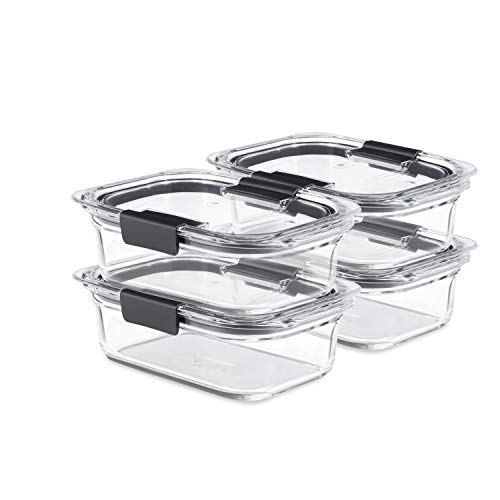 3-piece set ideal for leftovers, meal prep, and small pantry staples
A go-to choice for home cooks, the Rubbermaid Brilliance Glass Set features 3.2-cup borosilicate containers that withstand temperatures from -40°F to 500°F, so you can move them directly from the freezer to the oven to the table. The airtight lids have a built-in silicone gasket that locks in freshness for up to 3 weeks for leftovers, and the transparent design lets you see contents at a glance. They’re also microwave, dishwasher, and stain-resistant, so they won’t hold onto turmeric or tomato sauce stains like plastic containers. The only downsides are their heavier weight (10.2oz per empty container) and higher risk of breakage if dropped, but for most home cooks, the durability and versatility are well worth it.
Vtopmart 3-Pack Square Glass Pantry Jars
 Large-capacity jars perfect for bulk pantry staples like flour, cereal, and pasta
For anyone looking to organize their pantry, the Vtopmart 3-pack of 2.2kg square glass jars is a top pick. The airtight clamp-top lids create a tight seal that keeps moisture, air, and pantry moths out of dry goods, and the square shape fits perfectly against pantry walls and other containers with no wasted gaps. The clear glass lets you see how much flour or cereal you have left at a glance, so you never run out unexpectedly. Each jar holds 2.2kg of dry goods, making them ideal for bulk shoppers. The only downside is their weight when full (3.24lbs per jar), so they’re best stored on lower pantry shelves.
Liuruiyu 6-Piece Glass Food Storage Set with Bamboo Lids
 Stylish set with eco-friendly bamboo lids, perfect for open shelving and everyday use
The Liuruiyu 6-piece set combines functionality with sustainable style. Each 37oz container is made from clear, BPA-free glass, and the bamboo lids have an embedded silicone gasket for a reliable airtight seal. The set includes three different sizes, making it versatile for everything from spices to leftovers to meal prep. The natural bamboo lids add a warm, rustic touch that looks great on open kitchen shelving, and the uniform shape makes them easy to stack and store. The only trade-off is that the bamboo lids require hand washing to avoid warping, and the glass is soda-lime rather than borosilicate, so they’re not safe for oven or microwave use.
Rubbermaid Brilliance 5-Piece BPA-Free Plastic Storage Set
 Lightweight, shatter-resistant alternative for daily lunch transport
While this set is made from BPA-free plastic rather than glass, it’s worth including for users who prioritize lightweight, shatter-resistant containers for daily use. The airtight snap lids create a leak-proof seal that’s perfect for transporting soups, salads, and snacks to work or school, and the transparent design lets you see contents at a glance. The plastic is stain and odor-resistant, so it won’t hold onto smells from spicy foods. The downside is that it’s not safe for oven or microwave use, and over time, plastic can absorb odors from very strong foods like curry or fish. It’s a great budget-friendly alternative to glass for users who don’t need heat resistance.
Qianfenie 2-Pack 1.1 Gallon Square Glass Clip-Top Jars
 Extra-large jars with clamp lids, ideal for bulk pantry storage
The Qianfenie 1.1 gallon jars are perfect for bulk shoppers who store large quantities of flour, sugar, rice, or pasta. The clamp-top lids create an extremely tight seal that keeps pests and moisture out, and the square design fits neatly against pantry walls for maximum space efficiency. Each set includes a chalkboard pen and labels for easy organization, plus a replacement silicone gasket to extend the lifespan of the seal. The only downsides are their weight (3.24lbs per empty jar) and large size, which may not fit in small pantries. They’re best for users with dedicated bulk storage space.
ComSaf 3-Pack 78oz Square Glass Airtight Containers
 Medium-capacity containers ideal for pasta, grains, and meal prep portions
The ComSaf 3-pack of 78oz square glass containers is a versatile mid-size option for storing pasta, grains, nuts, and prepped meals. The airtight lids have a built-in silicone gasket that keeps food fresh for weeks, and the square shape fits perfectly in fridge doors and pantry shelves with no wasted space. The containers are dishwasher safe and stain-resistant, making them easy to clean. The only downside is their heavier weight compared to plastic, but for most home cooks, the durability and airtight performance make them a great value.
Vtopmart 8-Piece Green Glass Meal Prep Container Set
 Leak-proof, microwave-safe set perfect for daily meal prep and work lunches
The Vtopmart 8-piece set is designed specifically for meal prep, with 4 different container sizes ranging from 10oz to 35oz, perfect for portioning breakfast, lunch, snacks, and dinner. The borosilicate glass is safe for microwave, oven, and dishwasher use, and the airtight lids have a locking clasp that prevents leaks, so you can toss them in your bag without worrying about spills. The muted green color adds a stylish touch to your fridge and countertop, and the containers nest for easy storage when empty. The only downside is their weight when full, which can be cumbersome for daily transport if you have a long commute.
JoyJolt 24-Piece Alegres Borosilicate Glass Storage Set
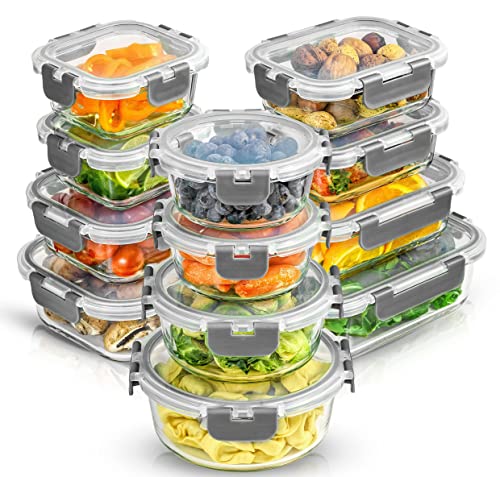 Comprehensive 24-piece set for full kitchen and pantry organization
For users looking to overhaul their entire storage system, the JoyJolt 24-piece set includes 12 containers in 6 different sizes, plus 12 airtight lids, making it versatile for every use case from spices to leftovers to bulk pantry staples. The borosilicate glass is thermal shock resistant, safe for microwave, oven, and dishwasher use, and the lids have a built-in silicone gasket for a reliable airtight seal. The set is also stackable for easy storage, and the clear glass and neutral gray lids look great on open shelving. The only trade-off is the higher upfront cost, but the 24-piece set is a far more cost-effective option than buying smaller sets over time.
Frequently Asked Questions
What are the benefits of airtight glass containers?
Airtight glass containers offer a non-porous, chemical-free storage solution that keeps food fresh 2-3x longer than paper or plastic packaging. Their transparent design lets you see contents at a glance to reduce clutter and avoid overbuying, and they’re safe for microwave, oven, and dishwasher use for easy meal prep and cleanup. In practice, home cooks report a 30% reduction in food waste after switching to airtight glass containers for pantry staples and leftovers. They’re also infinitely recyclable, making them a sustainable alternative to single-use plastic bags and containers.
Are glass containers better than plastic?
For most use cases, yes. Glass does not leach microplastics or harmful chemicals into food, even when heated, unlike many plastics that can release BPA and other toxins when exposed to high temperatures. Glass also never absorbs odors or stains, so a container that held spicy curry won’t smell like garlic the next time you use it. The only downsides are higher weight and risk of breakage if dropped, but for pantry, fridge, and countertop storage, glass is far more durable and hygienic than plastic in the long run.
How do airtight lids enhance food storage?
Airtight lids use a silicone gasket to create a vacuum seal when closed, blocking oxygen, moisture, and pests from entering the container. This slows down the oxidation process that causes food to go stale, rancid, or moldy, extending the shelf life of dry goods like flour, cereal, and pasta by up to 12 months. Airtight lids also prevent leaks when transporting meals, a common pain point for lunch bags and meal prep containers. In practice, a properly sealed glass container will keep homemade cookies fresh for up to 3 weeks, vs 5-7 days in a standard plastic container.
Can glass containers be used in microwaves?
Yes, most borosilicate glass containers are microwave-safe, as they’re engineered to withstand extreme temperature shifts without cracking. Always check the manufacturer’s instructions first, and never use lids with metal components in the microwave, as they can spark. Glass heats food more evenly than plastic, avoiding hot spots that can burn food, and it won’t warp or melt like plastic containers when exposed to high heat.
Do airtight glass containers keep bugs out of pantry staples?
Yes, when properly sealed, airtight glass containers create a barrier that blocks pantry moths, weevils, and ants from accessing dry goods like flour, rice, and cereal. The rigid glass is also impossible for pests to chew through, unlike plastic bags or cardboard boxes. For extra protection, store containers in a cool, dry pantry, and wipe down the rim of containers before sealing to remove any stray food particles that could attract pests.
How long do airtight glass containers stay sealed?
With proper care, a high-quality airtight glass container will maintain its seal for 1-2 years before the silicone gasket needs to be replaced. Cheaper models with plastic gaskets may lose their seal after 6-12 months of regular use and dishwasher cycles. To test if your container is still airtight, close the lid and try to pull it apart: if it resists, the seal is still intact. If it pops open easily, replace the gasket.
How do you clean glass storage containers?
Most borosilicate glass containers are top-rack dishwasher safe, but hand washing lids and silicone gaskets will extend their lifespan by preventing warping and wear. Use warm, soapy water and a soft sponge or specialized cleaning brushes to scrub gaskets and lid crevices without tearing the silicone. Avoid abrasive scrubbers like steel wool on the glass surface, as small scratches can weaken the glass over time. For stuck-on food, soak containers in warm, soapy water for 10 minutes before scrubbing to avoid excessive force.
Conclusion
Airtight glass containers are one of the simplest, most high-impact upgrades you can make to your kitchen. They solve common pain points like stale food, messy pantries, and plastic waste, while offering unmatched durability and versatility for meal prep, leftovers, and bulk storage. Whether you opt for a small 3-piece set for leftovers or a full 24-piece collection for your entire kitchen, the long-term benefits for your workflow, food safety, and sustainability goals are well worth the investment. For homes with young children, pairing airtight glass storage with kid-safe kitchen fixtures ensures heavy containers stay secure and out of reach, creating a safer, more organized space for the whole family. Start with a versatile mid-size set to test the benefits, then expand your collection as your storage needs grow.

I’m Abby Lu, a passionate home cook who loves simplifying everyday meals. At PlugChef.com, I share product reviews and cooking guides to help you find the best tools for your kitchen.
Related posts:
 Best Kitchen Gadgets Under $20: Affordable Tools for Every Culinary Task
 Under Cabinet Hidden Kitchen Outlets: Revolutionize Your Space-Saving Solutions
 Shelf for Under Kitchen Sink: Maximize Space with Pull-Out Organizers
 Best Beeswax Wraps for Zero Waste Kitchen: Eco-Friendly Food Storage Solution
 Residential Kitchen Exhaust Cleaning: Top Tools and Tips for Sparkling Results
 Koala Eco Kitchen Cleaner: Natural, Eco-Friendly, and Powerful Cleaning Solution