
Have you ever wondered how clean your wooden cutting board really is? You’re not alone.
The kitchen can be a breeding ground for bacteria, and your cutting board is no exception. With every slice and dice, remnants of food can hide in the tiny grooves, creating a perfect environment for germs to thrive. But don’t worry—learning how to clean and sanitize your wooden cutting board effectively can be quick and straightforward.
Imagine cooking with confidence, knowing that your food prep surfaces are spotless and safe. This article will walk you through simple steps to keep your cutting board pristine, ensuring it remains a reliable tool in your kitchen arsenal. Let’s uncover the secrets to maintaining a hygienic cutting board that not only lasts longer but also keeps your meals healthy. Your culinary creations deserve nothing less!
Choosing The Right Tools
Cleaning and sanitizing your wooden cutting board is crucial for maintaining kitchen hygiene. But did you know that choosing the right tools can make this task easier and more effective? Whether you’re scrubbing away stubborn stains or ensuring every nook is sanitized, having the right supplies at hand can transform this chore into a simple routine.
Essential Cleaning Supplies
Start with the basics: a scrub brush and dish soap. These two are your first line of defense against residue buildup. A stiff-bristled brush reaches into the grain of the wood, removing food particles effortlessly. Dish soap, particularly one with antibacterial properties, helps in breaking down grease and grime.
Consider adding white vinegar to your cleaning arsenal. Vinegar is not only a natural disinfectant but also neutralizes odors. Just a splash mixed with water can enhance your cleaning routine. For deeper cleaning, a sprinkle of coarse salt can work wonders alongside the vinegar.
Natural Cleaning Alternatives
If you’re leaning towards eco-friendly options, lemon is your friend. It’s acidic nature makes it perfect for sanitizing and deodorizing. Simply cut a lemon in half and rub it over the board. The fresh scent is an added bonus.
Baking soda is another versatile option. It’s gentle yet effective, making it ideal for regular use. Mix it with water to form a paste and apply it to the board. Let it sit for a few minutes before rinsing. This method is great for tackling stubborn stains without damaging the wood.
Ever considered using hydrogen peroxide? It’s a powerful disinfectant that tackles bacteria and viruses. While it’s not commonly thought of for kitchen use, it can be a game-changer for sanitizing without harsh chemicals.
Are you using the right tools for your cutting board? Try experimenting with these supplies and see what fits your routine best. A clean board not only extends its life but also ensures your meals are safe and delicious. What’s your go-to cleaning tool?
:max_bytes(150000):strip_icc()/RS_cleaning-wood-cutting-boards_Method-1-Step-3_preview-7200fc857efd4a3d8a5bd927fd2834ac.jpg)
Credit: www.realsimple.com
Daily Cleaning Routine
Cleaning a wooden cutting board is simple. Wash with hot, soapy water. Rinse thoroughly. Dry immediately to prevent damage. Sanitize using a solution of vinegar and water. Let it air dry completely. Regular maintenance keeps it safe and long-lasting.
Keeping your wooden cutting board clean and sanitized is essential for maintaining a healthy kitchen environment. With a simple daily cleaning routine, you can ensure that your board remains in top condition, free from harmful bacteria and unpleasant odors. Let’s dive into some practical steps you can take every day to keep your wooden cutting board fresh and safe for food preparation.Quick Rinse Method
A quick rinse is your first line of defense against lingering food particles. After using your cutting board, immediately rinse it under warm water. This prevents food debris from drying and sticking to the surface. Use your hand or a soft sponge to gently scrub the board. Avoid harsh scrubbing tools that can damage the wood. Once rinsed, wipe the board with a clean towel to remove excess moisture. Let it air dry upright to ensure complete drying.Using Mild Detergents
For a deeper clean, using mild detergents can be effective. Choose a dish soap that’s gentle yet efficient. A few drops are usually enough for a thorough cleaning. Apply the detergent with a soft sponge, and scrub the board in small circular motions. This helps lift any stubborn residue without harming the wood. Rinse thoroughly to remove all soap traces. It’s crucial that no soap remains, as it can affect the taste of food prepared on the board. Dry the board as usual to prevent water absorption. A consistent cleaning routine can extend the life of your wooden cutting board. Have you ever considered how often you clean yours? Taking a few minutes each day can make a big difference in hygiene and board longevity. Plus, it feels good knowing your food prep area is pristine and ready for your next culinary creation.Deep Cleaning Techniques
Cleaning and sanitizing a wooden cutting board involves careful steps to ensure safety and longevity. Start by scrubbing with warm, soapy water to remove residues. Follow by sanitizing with vinegar or hydrogen peroxide to kill bacteria, ensuring a hygienic surface for food preparation.
Cleaning a wooden cutting board effectively is crucial for maintaining kitchen hygiene. Over time, even the sturdiest boards can accumulate stains and bacteria. You might think a simple wash is enough, but deep cleaning techniques are essential for a thorough cleanse. Let’s dive into some practical methods that will keep your wooden cutting board spotless and safe for food preparation.Removing Stubborn Stains
Stubborn stains can be a real headache. You may have noticed discoloration from chopping colorful veggies or meat juices. Start by sprinkling coarse salt over the board’s surface. Use a half-cut lemon to scrub the salt into the board, applying a bit of pressure. This combination not only lifts stains but also eliminates odors effectively.Baking Soda And Vinegar Method
Baking soda and vinegar are a dynamic duo for deep cleaning. Begin by sprinkling a generous amount of baking soda over the stained areas. Then, pour a small amount of white vinegar over the baking soda. You’ll notice a fizzing reaction, which helps break down stubborn residue. Allow this mixture to sit for about five minutes. Scrub the board with a brush or sponge, focusing on any remaining stains. Rinse thoroughly with warm water to remove any residue. Don’t forget to dry your board immediately after cleaning. Moisture can warp the wood and create a breeding ground for bacteria. A quick towel dry or air dry in a vertical position works best. Have you ever thought about how often you deep clean your cutting board? Regular maintenance can extend its life and protect your health. These simple, effective techniques are all you need to ensure your wooden cutting board remains a clean and safe tool in your kitchen.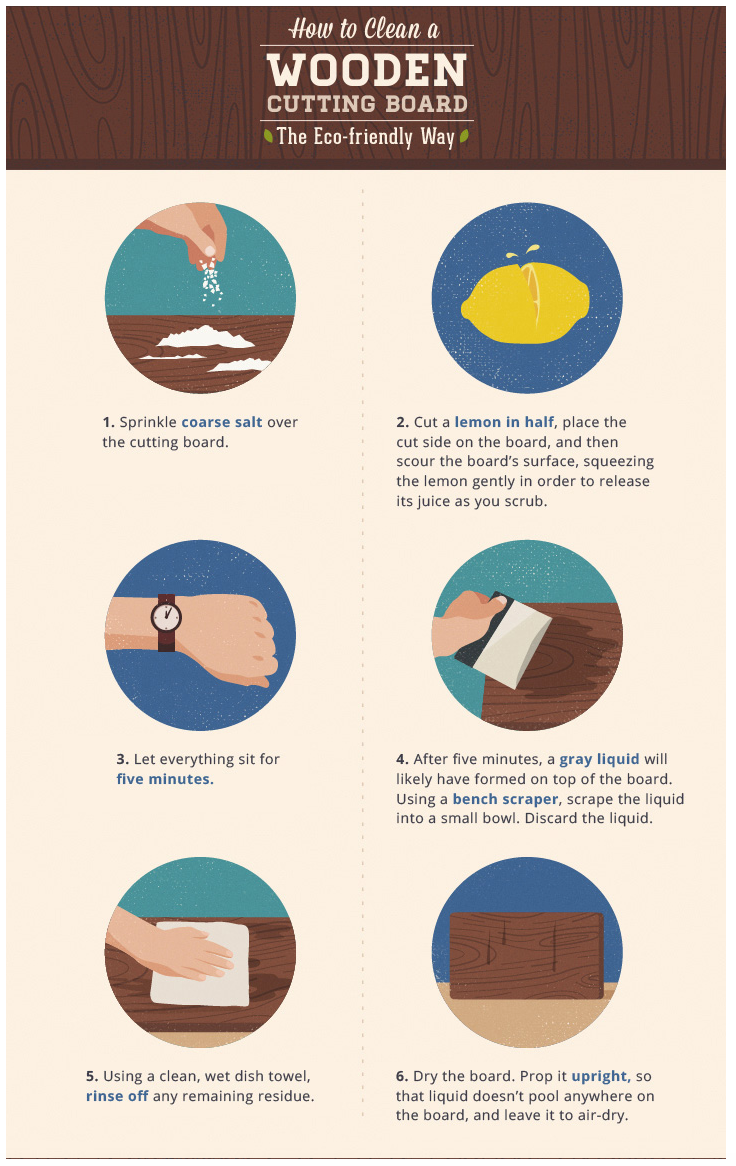
Credit: www.adirondackkitchen.com
Sanitizing Methods
Cleaning a wooden cutting board involves rinsing with warm water and scrubbing with mild soap. Use white vinegar or diluted bleach to sanitize, ensuring bacteria are removed. Let the board air dry upright to prevent moisture buildup. Regular maintenance keeps your board safe and long-lasting.
Keeping your wooden cutting board clean and sanitized is essential for maintaining a healthy kitchen environment. Wood, though beautiful and durable, can harbor bacteria if not properly cared for. Simple washing may not be enough to ensure your board is free of germs. Let’s explore some effective methods to sanitize your wooden cutting board, ensuring it’s safe for your next culinary adventure.Using Hydrogen Peroxide
Hydrogen peroxide is a common household item that can effectively sanitize your wooden cutting board. After washing your board with hot, soapy water, pour a small amount of hydrogen peroxide onto the surface. Spread it evenly using a clean sponge or cloth. Allow the hydrogen peroxide to sit for a few minutes. This gives it time to kill any lingering bacteria. Rinse the board thoroughly with warm water and let it air dry. A personal tip: I discovered that hydrogen peroxide not only sanitizes but also helps to remove stains. If you often chop colorful vegetables, this can be a double win for you.Bleach Solution Guide
Using a bleach solution is another effective way to sanitize your wooden cutting board. Mix one tablespoon of bleach with one gallon of water. This diluted mixture is strong enough to sanitize without damaging your board. Immerse a clean cloth in the bleach solution and wipe down the surface of the cutting board. Make sure to cover all areas, especially the edges where juices might collect. After applying the solution, rinse the board with hot water. Allow it to dry completely before using it again. Here’s a thought: Have you considered how different sanitizing methods might affect the longevity of your board? While bleach is powerful, it’s best used sparingly to maintain the integrity of your wood. By incorporating these sanitizing techniques into your routine, you can ensure your wooden cutting board remains a safe and reliable kitchen tool. Which method will you try first?Maintaining Your Cutting Board
Maintaining your cutting board is essential for ensuring its longevity and keeping it safe for daily use. A well-cared-for wooden cutting board not only looks great but also functions effectively in your kitchen. When you invest time in its upkeep, you’re actively protecting your food and enhancing your culinary experience. Let’s explore some simple yet effective ways to keep your cutting board in top shape.
Regular Oil Application
Your wooden cutting board deserves regular attention, and oiling is a vital part of its care routine. The wood can dry out and crack if not oiled periodically, affecting both its appearance and functionality. Use food-grade mineral oil, which is specifically designed for this purpose. Apply a generous amount of oil to the surface and rub it in using a clean cloth or paper towel.
Consider setting aside time once a month to oil your cutting board. It’s a quick task that can be done while catching up on your favorite show or listening to a podcast. After oiling, let the board sit overnight to soak up the oil thoroughly. This small effort can greatly extend the lifespan of your board and keep it looking fresh.
Avoiding Common Mistakes
Maintaining your cutting board also means steering clear of common pitfalls. One mistake is using vegetable or olive oils for oiling; these can become rancid and leave unpleasant smells. Stick to mineral oil for reliable results. Another common error is leaving the board submerged in water or putting it in the dishwasher. Both can cause warping and damage over time.
Think of your cutting board as a cherished tool rather than a disposable item. Would you toss your favorite knife into the dishwasher? Likely not. Treat your cutting board with the same respect. Keep it dry by wiping it immediately after washing. This simple habit protects the integrity of the wood and prevents mold growth.
Engage with your cutting board maintenance as an opportunity to develop a deeper connection with your kitchen tools. Can you remember the first meal you prepped on it? By investing time in its care, you’re cherishing those memories and ensuring many more to come.
/clean-wooden-cutting-board-4772583_05-6782ac2cc4784073ab3769537ed1da34.jpg)
Credit: www.thespruce.com
When To Replace Your Cutting Board
Wooden cutting boards need regular cleaning and sanitizing. Scrub with hot, soapy water after each use. Dry completely to prevent moisture damage.
A wooden cutting board is a cherished kitchen tool, often becoming a centerpiece in meal preparation. But like any tool, it doesn’t last forever. Knowing when to replace your cutting board is crucial for both the quality of your cooking and your health. It’s easy to become attached to a well-used board, but ignoring signs of aging can invite unwanted bacteria and compromise safety. How do you know when it’s time to say goodbye to your trusty board? Let’s explore some clear indicators.Signs Of Wear And Tear
Inspect your board regularly for noticeable damage. Deep cuts and grooves can harbor bacteria and are difficult to clean thoroughly. If the board is warping or splitting, it might not be safe to use anymore. A board that’s losing its smooth surface and becoming uneven is not only a breeding ground for germs but also a potential hazard while chopping. You don’t want your knife to catch unexpectedly. Boards that have developed a bad odor even after cleaning are also candidates for replacement.Safety Considerations
Safety should always be a priority in the kitchen. A compromised cutting board can lead to cross-contamination. Bacteria like E. coli and Salmonella love to hide in the tiny crevices of a worn-out board. Consider the materials used in your board. Some woods are more prone to wear and may need replacement sooner. It’s a good practice to have separate boards for raw meats and vegetables to reduce the risk of contamination. Assess your board’s condition honestly. Is it still providing a safe and clean surface for food prep? If not, it may be time to invest in a new board. Replacing your cutting board doesn’t mean losing those kitchen memories. It’s about ensuring your cooking space is safe and your food is delicious. Is your board telling you it’s time for a change? Listen closely.Frequently Asked Questions
What Is The Best Way To Sterilize A Wooden Cutting Board?
Clean the wooden cutting board with hot, soapy water. Rinse thoroughly and pat dry. Disinfect by spraying white vinegar or hydrogen peroxide. Let it sit for a few minutes, then rinse and dry. For deeper cleaning, sprinkle salt, scrub with a lemon, rinse, and dry.
Avoid soaking the board.
How Often Should I Sanitize A Wooden Cutting Board?
Sanitize your wooden cutting board after each use to prevent bacteria buildup. Use hot water and mild dish soap for cleaning. For deeper sanitization, apply a solution of one tablespoon of bleach per gallon of water weekly. Dry thoroughly to avoid warping or cracking.
Regular maintenance ensures a safe cooking surface.
How Sanitary Are Wooden Cutting Boards?
Wooden cutting boards are sanitary if properly maintained. They naturally resist bacteria due to their porous surface. Clean them with hot, soapy water after each use. Regularly oil them to prevent drying and cracking. Avoid soaking in water to maintain hygiene.
How Do Chefs Clean Wooden Chopping Boards?
Chefs clean wooden chopping boards by washing them with hot soapy water. They scrub gently to remove food particles. They rinse thoroughly and dry immediately with a clean towel. Chefs occasionally disinfect with vinegar or lemon juice. Regularly applying mineral oil helps maintain the board’s condition.
Conclusion
Keeping your wooden cutting board clean is essential. It ensures safe food preparation. Regular cleaning prevents bacteria growth. Use warm water and mild soap. Scrub gently with a soft brush. Rinse thoroughly to remove soap residue. Dry it completely with a clean towel.
Sanitize occasionally with vinegar or hydrogen peroxide. This keeps it hygienic. Avoid soaking the board. Excess water can damage the wood. Store in a dry place. Proper care extends the life of your cutting board. Enjoy cooking safely and confidently.
With a clean, sanitized board, you protect your family’s health. Simple steps make a big difference.

I’m Abby Lu, a passionate home cook who loves simplifying everyday meals. At PlugChef.com, I share product reviews and cooking guides to help you find the best tools for your kitchen.
Related posts:
 What Type of Cooking Utensils are Safe: Expert Picks
 What Innovations Could Blenders Make: Unleashing Future Tech
 Smart Strategies to Organize a Small Kitchen: Maximize Space
 How to Organize a Kitchen Cabinet: Expert Tips & Tricks
 How to Organize Kitchen Drawers: Expert Tips and Tricks
 How to Organize a Corner Kitchen Cupboard: Expert Tips

