
Imagine slicing a juicy tomato on a beautifully maintained wood cutting board. The rich grain, the smooth finish, and the subtle sheen—it’s not just a tool, but a piece of art in your kitchen.
You want to keep it that way, right? The secret to preserving its beauty and functionality lies in choosing the right oil. But with so many options out there, how do you decide which oil is best for your cherished cutting board?
Choosing the perfect oil isn’t just about aesthetics; it’s about protecting your board from cracking, warping, and absorbing unwanted flavors. The wrong oil could leave your board sticky, stained, or even hazardous to your health. But the right oil? It’s like a magic potion that keeps your board looking new and working perfectly. You’ll discover which oils are ideal for conditioning wood cutting boards, ensuring they remain the centerpiece of your kitchen for years to come. Stay with us, and you’ll find tips that could transform your approach to kitchen maintenance forever. Let’s dive in and ensure your cutting board stays as fresh and inviting as the meals you prepare on it.
Credit: www.cuttingboard.com
Choosing The Right Oil
Wood cutting boards need regular oiling to stay in good condition. The right oil protects the wood and extends its life. It also keeps the board looking beautiful and prevents cracking. Picking the right oil ensures your cutting board stays safe for food preparation.
Mineral Oil
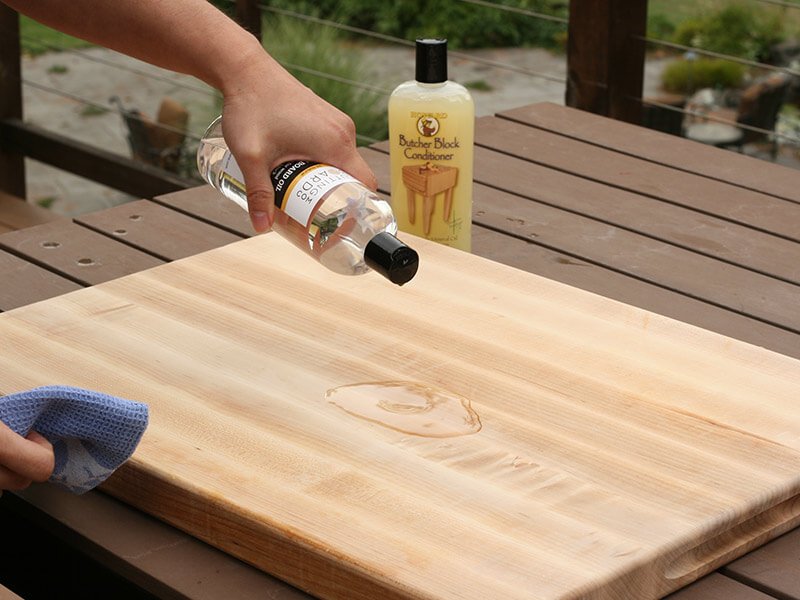
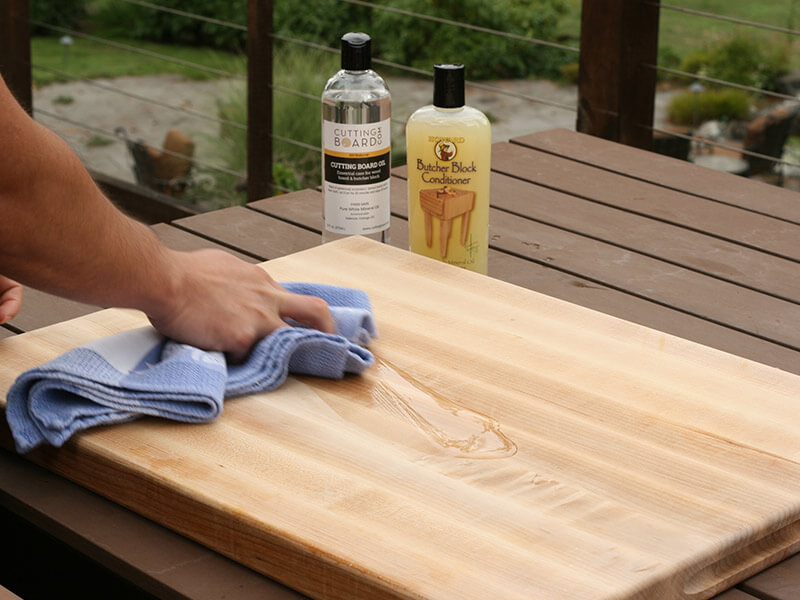
Mineral oil is a popular choice for wood cutting boards. It is clear, odorless, and safe for food contact. This oil penetrates the wood, keeping it moisturized and preventing cracks. Applying mineral oil is easy. Simply rub it on the board and let it soak. Repeat regularly for best results.
Food-grade Oils
Food-grade oils are safe and effective for wood boards. Examples include coconut oil and almond oil. These oils add a natural shine to the wood. They also help protect the board from damage. Ensure the oil is food-grade to avoid any health risks.
Avoiding Certain Oils
Not all oils are good for cutting boards. Avoid vegetable oils like olive or canola. These oils can turn rancid over time. Rancid oils create unpleasant odors and affect food taste. Stick to oils specifically recommended for wood care.
Credit: hardwood-lumber.com
Benefits Of Oiling
Using the right oil on your wood cutting board is not just about maintenance; it’s about reaping a host of benefits that can make your culinary experience more enjoyable. Oiling your cutting board can significantly enhance its longevity, keep it looking pristine, and prevent those pesky cracks that can harbor bacteria. Let’s dive into why oiling your wood cutting board is a crucial step in its upkeep.
Enhancing Longevity
Think about how long you want your cutting board to last. Oiling acts like a protective shield, reducing wear and tear from frequent use. When you oil your board regularly, it absorbs the oil and becomes more resilient. A well-oiled board can withstand the hustle and bustle of your kitchen activities much better than one left dry.
Consider how much money you could save by not having to replace your cutting board frequently. A small investment in oil can lead to significant savings in the long run. Regular oiling keeps the wood fibers intact, ensuring your board stays functional and reliable.
Maintaining Appearance
Your cutting board doesn’t have to look dull and lifeless. Oiling enhances the natural beauty of the wood, bringing out its unique grains and patterns. It’s like giving your cutting board a fresh coat of paint without the harsh chemicals.
Have you ever noticed how a well-oiled board gleams under kitchen lights? That sheen isn’t just for show; it signals a healthy board ready for action. A little bit of oil can make your board look new again, adding a touch of elegance to your kitchen space.
Preventing Cracks
Cracks can be a nightmare for cutting boards. They not only ruin the board’s appearance but also pose health risks by trapping food particles. Oiling helps prevent these cracks by keeping the wood supple and hydrated.
Imagine slicing a juicy tomato and finding it stuck in a crack of your board. It’s not just inconvenient; it can breed bacteria. Regular oiling ensures your board stays smooth, minimizing the risk of cracks and keeping your kitchen safe.
When was the last time you oiled your cutting board? It’s a simple step that can make a big difference in maintaining its quality. Don’t wait for cracks to appear; be proactive and oil your board to keep it in top shape.
Application Process
Choosing the right oil for a wood cutting board is crucial for maintenance. Food-safe oils like mineral oil or beeswax enhance durability and prevent damage. Apply evenly, letting the board absorb the oil before wiping excess for a smooth finish.
Maintaining the beauty and functionality of your wood cutting board begins with the right oil application process. Oiling your board not only enhances its natural grain but also extends its lifespan by preventing cracks and warping. If you’re wondering about the best way to oil your beloved kitchen tool, the following steps will guide you through a simple yet effective process. Let’s dive into the details and explore how you can ensure your cutting board remains in top condition.Preparation Steps
Before you start, make sure your cutting board is clean and completely dry. Any moisture trapped beneath the oil can lead to mold growth. Use warm, soapy water to wash the board and let it dry upright for a few hours. You might be surprised how much a little sandpaper can help. Lightly sanding your board with fine-grit sandpaper can smooth out any rough spots. This step ensures the oil penetrates evenly, providing better protection. Gather your materials: a clean, lint-free cloth, your chosen oil, and a small bowl. These simple tools are essential for an efficient oiling process.Applying The Oil
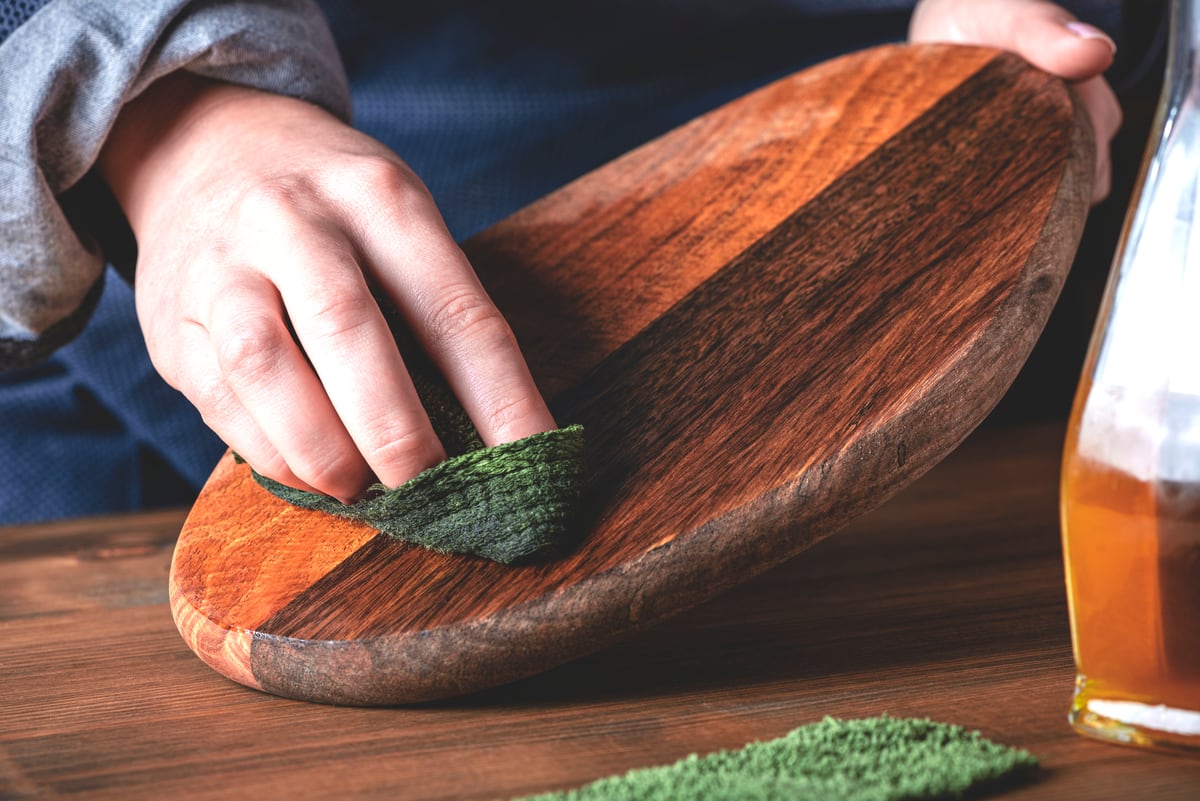
Pour a small amount of oil into your bowl. Dip your cloth into the oil, then gently rub it over the surface of the board in circular motions. Cover the entire board, including the sides, for even coverage. Pay attention to the board’s edges, as they often absorb oil faster than flat surfaces. Apply additional oil to these areas if necessary. The goal is to ensure every part of the board is thoroughly oiled. Allow the oil to soak in for at least 20 minutes. If the board looks dry after this time, apply another coat. Remember, a well-oiled board should look slightly glossy, not greasy.Frequency Of Oiling
How often should you oil your cutting board? A good rule of thumb is to oil it once a month. However, if you use your board frequently, consider doing it more often. Check your board regularly for signs of dryness, like a dull appearance or rough texture. If it seems parched, it might be time for an extra oiling session. Think of oiling as a routine part of your kitchen care. A bit of regular maintenance can keep your board looking and performing its best for years to come. What has been your experience with oiling cutting boards? Have you found a frequency that works best for your kitchen habits?Diy Oil Mixtures
Keeping your wood cutting board in top condition requires the right oil mixture. DIY oil mixtures offer a cost-effective way to maintain your board’s lustrous appearance while ensuring its longevity. You might be surprised at how easy it is to whip up these mixtures at home.
Popular Homemade Recipes
Have you ever tried combining mineral oil with beeswax? This duo is a favorite among DIY enthusiasts. Mineral oil penetrates the wood, keeping it hydrated and protected from cracking. Meanwhile, beeswax creates a water-resistant layer, preventing moisture damage.
Another popular choice is coconut oil mixed with lemon juice. Coconut oil moisturizes the wood and adds a subtle shine. Lemon juice helps combat any lingering odors on your board. Plus, it leaves a fresh scent you’ll love every time you use your board.
Combining Oils For Effectiveness
Consider mixing walnut oil with flaxseed oil for a powerhouse treatment. Walnut oil is known for its rich, nourishing properties. Flaxseed oil adds an extra layer of protection, sealing the wood perfectly.
If you’re feeling adventurous, try adding a few drops of essential oils like lavender or tea tree oil. These not only offer a pleasant aroma but also introduce antibacterial benefits. Just ensure your essential oils are food-grade.
Experimenting with different combinations can lead to a custom blend perfect for your needs. Which oils will you choose to create your ideal mixture?
Ultimately, DIY oil mixtures allow you to tailor treatments to suit your cutting board’s unique requirements. You get to decide the balance of nourishment, protection, and fragrance.
Maintenance Tips
Maintaining your wood cutting board isn’t just about keeping it clean; it’s about preserving its longevity and functionality. The right oil plays a crucial role in this process. But beyond oiling, regular maintenance ensures your board remains a safe and efficient kitchen tool. Let’s dive into some essential maintenance tips, including cleaning and storage considerations.
Cleaning The Board
After using your cutting board, it’s tempting to just give it a quick rinse. However, proper cleaning is crucial to prevent bacteria buildup. Use warm water and mild dish soap to clean the board thoroughly. A soft brush can help remove food particles without scratching the surface.
Once clean, dry your board immediately with a towel. Leaving it wet can lead to warping and cracking. Ever noticed how boards that dry naturally sometimes look dull or feel rough? That’s because moisture can seep into the wood, causing damage over time.
Consider using a mixture of vinegar and water occasionally to sanitize your board. This natural solution is effective and safe for wood. It’s a small effort with big benefits for both hygiene and preservation.
Storage Considerations
How you store your cutting board can impact its longevity. Avoid placing it directly on a countertop if it’s still damp. Instead, prop it upright to allow air circulation. This prevents moisture from getting trapped underneath and causing mold.
Think about how accessible your board is. If it’s stored in a hard-to-reach place, you’re less likely to use and maintain it regularly. Keeping it in a convenient spot encourages consistent care.
Avoid storing your board near heat sources like ovens or direct sunlight. Heat can cause the wood to dry out and crack. If you’ve ever had a favorite board suddenly split, you know how frustrating that can be.
Consider these tips next time you clean or store your board. How do you ensure your cutting board stays in tip-top shape? Does your current routine need tweaking?
Common Mistakes
Caring for a wood cutting board seems simple, but mistakes happen. Improper oiling can damage the board. It can affect its longevity and appearance. Learn what to avoid.
Over-oiling
Applying too much oil can be harmful. It can lead to a sticky surface. The board may feel greasy. Excess oil attracts dust and dirt. This can make the board unhygienic. Use just enough oil to coat the surface lightly.
Using Improper Oils
Not all oils are good for wood cutting boards. Cooking oils like olive or vegetable oil can go rancid. They leave a bad smell on your board. Use food-grade mineral oil instead. It is safe and won’t spoil. Beeswax or coconut oil are also good choices.
Faqs
Choosing the right oil ensures a long-lasting, safe cutting board. Mineral oil is popular for its food-safe quality. Beeswax blends offer additional protection, enhancing durability and appearance.
When it comes to maintaining the beauty and functionality of your wood cutting board, choosing the right oil is essential. You might have questions about which oil is best, how long it lasts, or if certain oils are safe for people with allergies. Let’s dive into some frequently asked questions to help you make informed decisions and keep your kitchen essentials in top shape.Oil Shelf Life
You might wonder how long the oil you use on your cutting board remains effective. Most oils suitable for wood cutting boards, like mineral oil, have a long shelf life if stored properly. Keep your oil in a cool, dark place, and it can last for years without going rancid. However, oils like olive oil or vegetable oil can spoil and develop an unpleasant odor. It’s best to avoid these oils for your cutting board. Regularly check your oil for any off smells before application, ensuring your board stays fresh and safe for food preparation.Safe Oils For Allergies
If you or someone in your household has allergies, choosing the right oil is crucial. Mineral oil is a popular and safe choice as it is non-reactive and hypoallergenic. It’s widely recommended for its safety and effectiveness in preserving wood cutting boards. For those with nut allergies, steer clear of oils like walnut oil, which can trigger reactions. Instead, consider options like beeswax or a dedicated cutting board conditioner, which often combines mineral oil and beeswax for a nourishing, allergy-safe solution. Selecting the right oil can be a straightforward process. You just need to consider shelf life and allergy safety. Are you using the best oil for your needs? Your cutting board will thank you for it!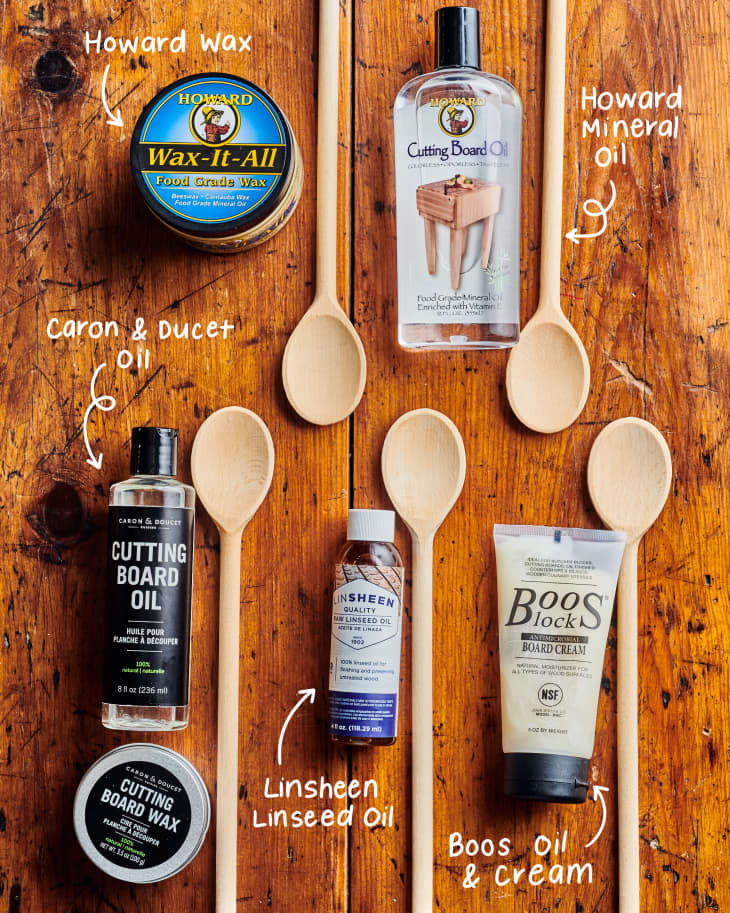
Credit: www.thekitchn.com
Frequently Asked Questions
Which Oil Is Best For Wood Cutting Boards?
The best oil for wood cutting boards is food-grade mineral oil. It’s safe, odorless, and prevents drying and cracking. Regular application keeps the board conditioned and extends its lifespan. Avoid vegetable oils, as they can turn rancid.
What Is The Best Oil For Wood Cutting Boards?
Mineral oil is the best choice for wood cutting boards. It is food-safe and prevents cracking and drying. Regular application keeps the board in good condition. Other oils, like walnut or coconut, can also work but ensure they’re food-safe and non-toxic.
How Often Should I Oil My Cutting Board?
Oiling your cutting board once a month is ideal. This frequency ensures the board remains hydrated and protected. If you use it frequently, consider oiling every two weeks. Regular maintenance prevents damage and maintains its lifespan.
Can I Use Olive Oil On Cutting Boards?
Avoid using olive oil on cutting boards. Olive oil can turn rancid and damage the board. It doesn’t provide the same protective benefits as mineral oil. Opt for oils specifically recommended for cutting board care instead.
Conclusion
Choosing the right oil for your wood cutting board matters. It keeps the board clean and safe. Mineral oil is popular. It’s affordable and easy to find. Food-grade mineral oil works well. Beeswax and walnut oil are natural options. They nourish the wood.
Each oil has its benefits. Consider your needs and preferences. Regular oiling keeps your board in top shape. Protects against drying and cracking. A well-maintained board lasts longer. Invest time in proper care. Your cutting board will thank you. Enjoy the benefits of a well-oiled board.
Keep cooking simple and fun!

I’m Abby Lu, a passionate home cook who loves simplifying everyday meals. At PlugChef.com, I share product reviews and cooking guides to help you find the best tools for your kitchen.
Related posts:
 What Type of Cooking Utensils are Safe: Expert Picks
 What Innovations Could Blenders Make: Unleashing Future Tech
 Smart Strategies to Organize a Small Kitchen: Maximize Space
 How to Organize a Kitchen Cabinet: Expert Tips & Tricks
 How to Organize Kitchen Drawers: Expert Tips and Tricks
 How to Organize a Corner Kitchen Cupboard: Expert Tips

