
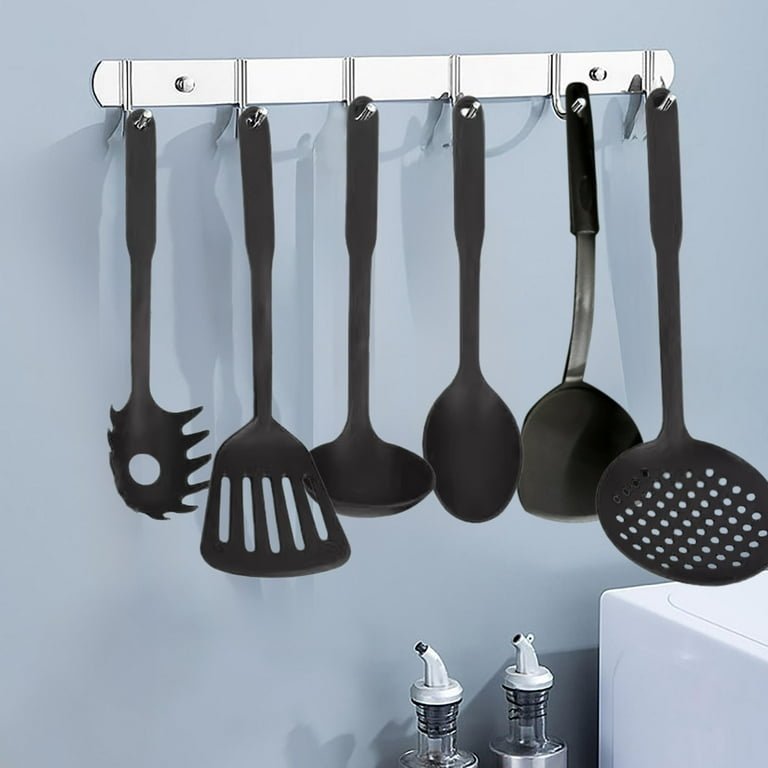
Have you ever wondered about the safety of the nylon kitchen utensils you use every day? As you prepare meals for your loved ones, it’s natural to question whether these handy tools could be harmful.
After all, your kitchen is a place where health and safety should come first. Imagine the peace of mind you could have by knowing exactly what you’re bringing into your home. We’ll dive into the truth about nylon kitchen utensils, exploring whether they pose any risks to your health.
Stay with us, because understanding what’s in your kitchen is the first step to ensuring the well-being of those you care about. You deserve to feel confident about the choices you make, and this information could be the key to safer cooking.
What Is Nylon?
Nylon is a synthetic polymer used in various products. It is known for its durability and flexibility. Many kitchen utensils are made from nylon, raising concerns about safety. Understanding nylon helps you make informed decisions about its use.
Nylon was first developed in the 1930s by DuPont. It revolutionized textiles with its strength and resilience. Unlike natural fibers, nylon is man-made. This means it can be designed for specific needs. Its versatility makes it popular in manufacturing.
Properties Of Nylon
Nylon is lightweight yet strong. It withstands high temperatures without melting. This makes it ideal for kitchen tools exposed to heat. Nylon’s smooth surface resists sticking and staining. These properties make nylon utensils easy to clean.
Uses Of Nylon
Nylon is used beyond kitchen utensils. It is found in clothing, ropes, and carpets. Its durability suits many applications. In the kitchen, nylon tools are common for non-stick cookware. They prevent scratches and damage to delicate surfaces.
Is Nylon Safe?
Concerns about nylon safety arise from chemical exposure. Some believe nylon releases harmful substances. Studies show properly made nylon is generally safe. It is important to choose high-quality products. Look for trusted brands with safety certifications.
Common Uses In Kitchen Utensils
Nylon kitchen utensils are popular for their versatility and durability. These tools are essential in modern kitchens, offering various uses. Nylon’s flexibility makes it suitable for different cooking tasks. Its resistance to heat and non-stick properties are valuable features.
Nylon utensils are used for flipping pancakes and omelets. Their smooth edges prevent scratches on non-stick pans. Nylon spatulas are perfect for delicate foods. They provide control without damaging the surface. Stirring soups and sauces is easy with nylon spoons. These spoons withstand high temperatures without melting.
Nylon tongs are handy for grilling and serving. They offer a firm grip on food items. Their lightweight design makes them easy to handle. Mixing and serving salads is effortless with nylon salad servers. These servers are gentle on bowls and dishes.
Nylon whisks are essential for baking and cooking. They blend ingredients smoothly without scratching bowls. Their flexible design ensures thorough mixing. Nylon ladles are perfect for serving soups and stews. They hold liquid well, making serving efficient.
Nylon kitchen tools are common in everyday cooking. Their non-toxic nature is often debated. Understanding their uses can help make informed choices. These utensils offer convenience and safety in the kitchen.
Potential Health Concerns
Have you ever wondered about the safety of the kitchen utensils you use every day? Nylon utensils are popular for their durability and non-stick properties, but there are potential health concerns that you should consider. Let’s dive into some specific aspects like their chemical composition and heat resistance to understand their safety better.
Chemical Composition
Nylon is a synthetic polymer made from petrochemicals. It contains compounds that can leach into food, especially under high temperatures. These compounds might not be visible, but they can be harmful over time.
Think about this: every time you cook at high heat, your nylon spoon might be releasing small amounts of chemicals into your food. Are you comfortable with that possibility?
Some manufacturers use additives to make utensils more flexible or heat-resistant. However, these additives can also pose health risks. It’s essential to know what’s in your utensils.
Heat Resistance And Safety
Nylon utensils are generally heat-resistant, but they have their limits. Exposing them to temperatures above 400°F can cause them to melt or warp, potentially contaminating your food.
Ever noticed a nylon spatula getting a bit soft when left in a hot pan? That’s a sign it’s reaching its heat limit. It’s crucial to keep your cooking temperatures within safe limits to avoid any unintended risks.
Safety also depends on how you use these utensils. Using them in high-temperature cooking methods like frying can increase the risk of chemical leaching. Are you willing to alter your cooking methods to ensure safety?
Consider switching to alternatives such as stainless steel or wooden utensils for high-heat cooking. They might be a bit heavier or harder to clean, but they offer peace of mind regarding chemical exposure.
Your health is worth the small adjustments. It’s all about making informed choices that suit your lifestyle while minimizing risks.

Credit: www.amazon.com
Comparing Nylon To Other Materials
Nylon kitchen utensils have raised concerns about potential toxicity compared to other materials. They can release harmful chemicals when exposed to high temperatures. Opting for alternatives like silicone or stainless steel might reduce exposure to these chemicals in cooking.
When you’re outfitting your kitchen, choosing the right utensils is crucial. Not only do they affect how you cook, but they also impact your health. Nylon utensils are popular for their affordability and non-scratch properties. But are they the best choice for your kitchen? Let’s compare nylon to other common materials: silicone, stainless steel, and wood.Silicone
Silicone utensils are loved for their flexibility and heat resistance. They can withstand temperatures up to 500°F, which is perfect for high-heat cooking. Unlike nylon, silicone doesn’t leach harmful chemicals, making it a safer choice for your family. Have you ever left a spatula resting on a hot pan, only to return to a melted mess? Silicone offers peace of mind here. Its durability ensures it won’t warp or melt easily, unlike nylon. Choosing silicone might mean a slightly higher upfront cost. However, its longevity and safety could save you money and health concerns in the long run.Stainless Steel
Stainless steel is the go-to for many professional chefs. It’s robust, durable, and doesn’t stain or absorb odors. You can use it with confidence, knowing it won’t react with your food or release toxins. If you’ve ever felt frustrated by a flimsy nylon spoon bending under pressure, stainless steel offers a solid solution. Its strength means it won’t bend, even with heavy use. However, it’s worth noting that stainless steel can scratch non-stick surfaces. If you use non-stick cookware, pairing stainless steel with silicone or wood utensils might be wise.Wood
Wooden utensils add a rustic charm and are gentle on cookware. They won’t scratch your pots and pans, making them ideal for non-stick surfaces. Plus, wood doesn’t conduct heat, so you won’t burn your hand on a hot handle. Have you noticed that wood absorbs flavors and colors? This can be a downside if you cook varied cuisines. Proper care, like regular oiling, can extend their life and maintain their appearance. While wood is generally safe, it’s essential to ensure your utensils are made from high-quality, non-toxic wood. This ensures you’re not inadvertently introducing harmful chemicals to your meals. In your kitchen, each material has its place. Consider what you cook most often and the cookware you use. Are you willing to invest a little more for long-term safety and reliability? Your kitchen choices can significantly impact your cooking experience and health.Regulations And Safety Standards
Understanding the regulations and safety standards for kitchen utensils is essential. Many people question the safety of nylon kitchen utensils. Are they toxic? This section explores the rules and guidelines governing their safety. Familiarizing yourself with these can guide safer choices in the kitchen.
Fda Guidelines
The FDA ensures the safety of materials used in kitchen utensils. Nylon must meet specific standards. It must not release harmful substances when used. The FDA tests these products before approval. They monitor chemical reactions under heat. This ensures your utensils are safe for cooking.
European Union Standards
The European Union has strict regulations for kitchen utensils. They focus on consumer safety. Nylon utensils must comply with EU standards. These standards include chemical safety and heat resistance. EU tests verify that utensils do not release toxins. This protects consumers across Europe.

Credit: www.amazon.com
Safe Usage Tips
Nylon kitchen utensils are common in many households. They are lightweight and affordable. But concerns about their safety often arise. To use them safely, follow some basic tips. These tips ensure longevity and safety in your cooking space.
Proper Heat Management
Nylon melts at high temperatures. Keep utensils away from direct heat. Use them for stirring or serving, not cooking. Avoid using them in pots or pans that exceed 400°F. This prevents melting or releasing harmful chemicals. Always check the temperature rating on the packaging.
Routine Maintenance
Regular cleaning keeps nylon utensils safe. Hand wash them with mild soap and water. Avoid abrasive scrubbers that can damage the surface. Inspect utensils regularly for cracks or wear. Damaged utensils should be replaced immediately. This ensures no harmful particles mix into your food.
Consumer Opinions
Concerns arise about nylon kitchen utensils and their safety. Some consumers worry about potential toxins released when heated. Others find them convenient and easy to use, sparking diverse opinions on their impact in everyday cooking.
When it comes to choosing the right kitchen utensils, many consumers find themselves debating the safety of nylon options. Some people swear by them for their durability and ease of use, while others express concerns about potential toxicity. With a myriad of opinions, it can be challenging to determine the truth. Let’s delve into what consumers are saying and look at some expert insights to help you make an informed decision.Popular Beliefs
A significant number of consumers believe that nylon kitchen utensils are perfectly safe for daily cooking. They appreciate their resistance to heat and non-scratch properties, especially when used with non-stick cookware. One enthusiastic home cook even remarked, “I’ve been using nylon spatulas for years, and they’ve never let me down!” On the flip side, some consumers worry about the chemicals in nylon, especially when exposed to high temperatures. There are concerns that these chemicals might leach into food, potentially causing health issues. This worry often leads people to consider alternatives like silicone or wooden utensils.Expert Reviews
Experts in the field of kitchen safety provide a balanced view on nylon utensils. Many studies indicate that high-quality nylon, when used appropriately, is generally safe. Experts advise keeping the cooking temperature below 400°F to prevent any potential chemical release. However, not all nylon utensils are created equal. Some experts recommend checking product labels for safety certifications. This small step can ensure you’re using utensils made from food-grade materials. One chef shared an interesting insight: “I always choose nylon utensils with a reputable brand name. It’s about trusting the source and ensuring they meet safety standards.” So, what’s your take? Are you comfortable with nylon kitchen tools, or do you lean towards other materials? It might just come down to personal preference and how you use them in your kitchen.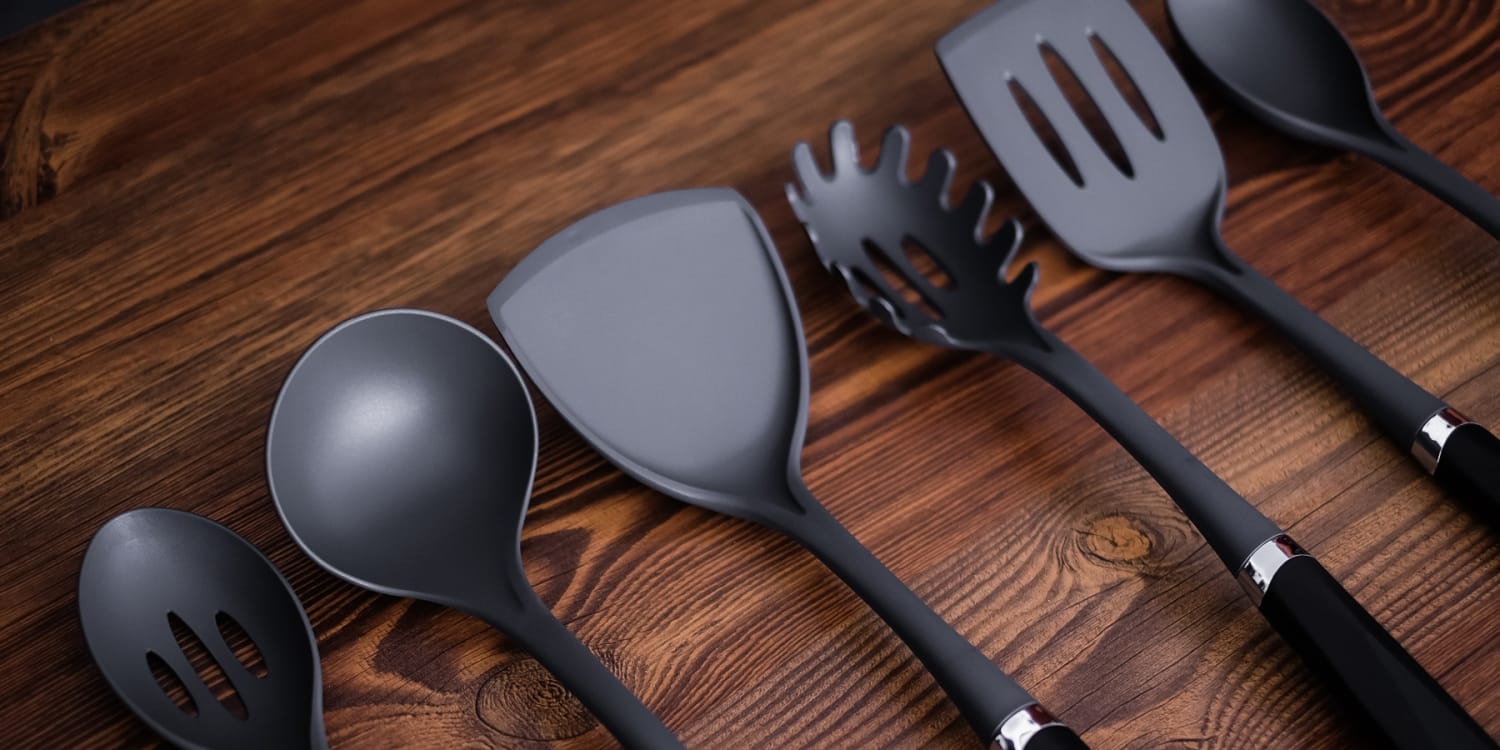
Credit: www.nbcnews.com
Alternatives To Nylon Utensils
Switching from nylon kitchen utensils to safer alternatives is a wise move for those concerned about potential toxicity. Nylon utensils can release harmful chemicals when exposed to high heat. So, what options do you have that are safer, eco-friendly, and durable? Let’s dive into some practical alternatives that can enhance your cooking experience without compromising your health or the environment.
Eco-friendly Options
If you’re passionate about sustainability, consider utensils made from bamboo. Bamboo is a renewable resource, growing quickly without the need for pesticides. Its natural antibacterial properties make it perfect for kitchen use.
Wooden utensils are another great choice. They have been used for centuries and offer a natural, rustic charm. They don’t scratch non-stick surfaces and are biodegradable, which means you’re contributing less waste to the planet.
Silicone utensils are also gaining popularity. They are heat-resistant and come in various colors. Though not entirely biodegradable, high-quality silicone can last for years, reducing the need for frequent replacements.
Durability And Cost
When selecting kitchen utensils, durability and cost are crucial factors. Stainless steel utensils are incredibly durable. They can withstand high temperatures and are easy to clean. Yes, they might be a bit pricier upfront, but their longevity justifies the initial investment.
Consider ceramic utensils for a stylish yet functional option. They’re resistant to scratches and stains, making them perfect for busy kitchens. While they may require careful handling to avoid breakage, the aesthetic appeal they add to your kitchen is worth the care.
Look into glass utensils as a unique alternative. They are non-reactive, ensuring no chemicals leach into your food. While they might not be the most common option due to fragility, they offer a distinctive touch to your culinary toolkit.
Choosing the right kitchen utensils involves balancing safety, environmental impact, and cost. What do you prioritize when selecting your kitchen tools? Finding the perfect blend can enhance your cooking journey significantly.
Frequently Asked Questions
Are Nylon Cooking Utensils Bad For You?
Nylon cooking utensils can release harmful chemicals at high temperatures. Use them below 400°F to avoid risks. Opt for silicone or wooden alternatives for safer cooking. Ensure proper care and replace worn-out utensils to maintain kitchen safety. Always prioritize health by choosing non-toxic kitchen tools.
What Is The Safest Material For Kitchen Utensils?
Stainless steel is the safest material for kitchen utensils. It is durable, non-reactive, and easy to clean. Silicone is also a safe option. It’s heat resistant and non-toxic. Both materials ensure food safety and longevity in kitchen use. Choose high-quality products for the best results.
Do Nylon Kitchen Utensils Have Microplastics?
Nylon kitchen utensils may release microplastics over time, especially with high heat. Choose high-quality utensils to minimize risk. Regularly inspect and replace worn-out tools to ensure safe cooking.
Which Is Better Silicone Or Nylon Utensils?
Silicone utensils withstand high heat and are non-stick, making them ideal for cooking. Nylon utensils are less heat-resistant but affordable and durable. Choose silicone for high-temperature cooking and nylon for budget-friendly options.
Conclusion
Nylon kitchen utensils offer convenience and durability. Concerns about toxicity arise from high heat exposure. Choose quality brands for safer use. Avoid overheated pans to prevent potential chemical release. Stainless steel or wood are alternatives worth considering. Always prioritize health over convenience in the kitchen.
Research and make informed choices for your family’s safety. Regularly check utensil condition to ensure continued safety. Enjoy cooking with peace of mind using trusted tools. Remember, your kitchen is a place for joy, not worry. Make smart decisions today for a healthier tomorrow.
Stay informed, stay safe.

Hi, I’m Daniel Brooks—a food lover and kitchen gear enthusiast. I enjoy testing cookware, utensils, and gadgets to see what really works in everyday cooking. At PlugChef.com, I share honest reviews, comparisons, and simple guides to help you choose the best tools for a safer, smarter, and more enjoyable kitchen.
Related posts:
 What Type of Cooking Utensils are Safe: Expert Picks
 What Innovations Could Blenders Make: Unleashing Future Tech
 Smart Strategies to Organize a Small Kitchen: Maximize Space
 How to Organize a Kitchen Cabinet: Expert Tips & Tricks
 How to Organize Kitchen Drawers: Expert Tips and Tricks
 How to Organize a Corner Kitchen Cupboard: Expert Tips

